Can You Use Dishwasher Tablets To Clean Washing Machine – Guide
You can use dishwasher tablets to clean your washing machine since they contain strong detergents and enzymes that break down grime and buildup effectively. However, these tablets have harsher chemicals that may damage seals, hoses, or fabrics if overused.
For safer, longer-lasting maintenance, dedicated washing machine cleaners or natural alternatives like vinegar are preferred. If you want to keep your washer running smoothly and avoid potential risks, there are important tips and guidelines you should consider next.
Can You Safely Use Dishwasher Tablets To Clean Your Washing Machine?
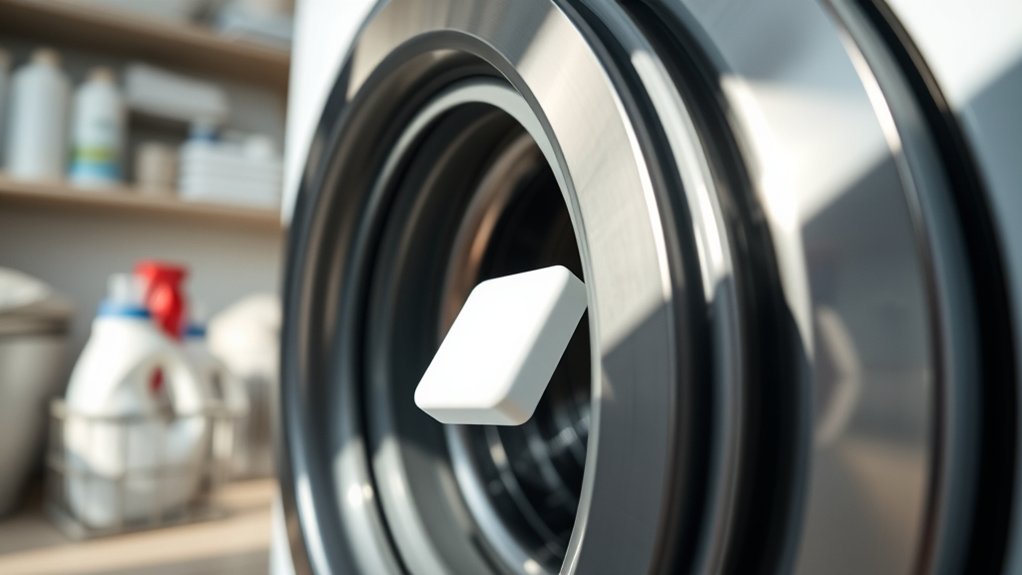
Wondering if you can safely use dishwasher tablets to clean your washing machine? The short answer is yes, but with caution. Dishwasher tablets can be an effective part of your DIY cleaning routine because they contain powerful detergents and enzymes.
However, not all tablets are created equal. Some may contain harsh chemicals that aren’t eco-friendly options. To keep things green and safe, you’ll want to choose tablets labeled as biodegradable or phosphate-free.
Always check your washing machine’s manual before trying this method to avoid voiding warranties or damaging components. Using dishwasher tablets occasionally for cleaning is fine, but relying on eco-friendly options and regular maintenance will help you keep your machine running efficiently and sustainably.
How Dishwasher Tablets Clean Washing Machines
When you use dishwasher tablets to clean your washing machine, their powerful detergents and enzymes work together to break down grime, detergent buildup, and residue inside the drum and pipes. These tablets are designed for dishwasher effectiveness, meaning they tackle tough stains and grease efficiently.
In your washing machine, this translates to improved cleaning efficiency by dissolving soap scum and mineral deposits that regular detergent might miss. The enzymes target organic matter, while the detergents lift away dirt, leaving your machine fresher.
Risks Of Using Dishwasher Tablets In Washing Machines
You need to be careful because dishwasher tablets have a different chemical makeup than washing machine detergents.
Using them might cause damage to your machine’s components over time.
So, it’s really important to understand these risks.
That way, you can avoid costly repairs down the line.
Chemical Composition Differences
Although dishwasher tablets and washing machine detergents both aim to clean, their chemical compositions differ markedly. This can pose risks when you use dishwasher tablets in your washing machine.
Dishwasher tablets often contain stronger enzymes and harsher chemicals designed to break down food residues and grease on dishes. These ingredients may include phosphates and bleaching agents that aren’t formulated with chemical safety for fabric or washing machine components in mind.
Using them in your washing machine can introduce ingredient toxicity risks, potentially irritating your skin or damaging clothes. Washing machine detergents balance cleaning power with gentler formulations to protect both your fabrics and the machine’s internal parts.
Potential Machine Damage
The chemical differences between dishwasher tablets and washing machine detergents don’t just affect cleaning performance. They can also harm your machine. Using dishwasher tablets in your washing machine can lead to a few problems.
First, machine corrosion. Dishwasher tablets contain harsher chemicals that may corrode metal parts inside your washer. This can reduce its lifespan.
Next, detergent residue buildup. These tablets are designed to dissolve differently, so they might leave residue that clogs pipes and filters.
Finally, seal damage. The stronger ingredients can degrade rubber seals and gaskets. This can cause leaks and costly repairs.
If you want to protect your washing machine, it’s best to stick to detergents made specifically for it. Dishwasher tablets might seem convenient, but their chemical makeup can cause expensive damage over time.
Comparing Dishwasher Tablets With Washing Machine Cleaners
While both dishwasher tablets and washing machine cleaners aim to remove buildup and odors, they differ quite a bit in formulation and effectiveness. Dishwasher tablets are designed to boost dishwasher efficiency during shorter, high-temp cleaning cycles.
On the other hand, washing machine cleaners focus on longer cycles and target specific residues found in washing machines. Here’s a quick comparison:
| Feature | Dishwasher Tablets | Washing Machine Cleaners |
|---|---|---|
| Formulation | Strong detergents, enzymes | Descalers, mold inhibitors |
| Cleaning Cycle Focus | Short, high-temp cycles | Longer, varied temperature cycles |
| Effectiveness on Buildup | Moderate, mainly grease removal | High, targets limescale and odor |
You’ll find washing machine cleaners work better for keeping your washer in top shape. Meanwhile, dishwasher tablets are just right for the needs of your dishwasher.
What Ingredients In Dishwasher Tablets Affect Washing Machines
You might wonder how the ingredients in dishwasher tablets interact with your washing machine’s components. These tablets contain powerful chemicals that can affect your washer in different ways.
First, surfactants and enzymes break down grime but may leave detergent residue, which can build up inside your machine over time. Bleaching agents target stains and odors but might degrade rubber seals or hoses, shortening their lifespan.
Water softeners and anti-corrosion agents help protect metal parts but could alter the machine’s balance if not designed for laundry use.
Keep in mind, these ingredients also have an environmental impact due to their chemical composition.
Using dishwasher tablets regularly in your washing machine isn’t always ideal because they’re formulated for dishwashers, not washers. So, they may affect your machine’s performance or durability in the long run.
How To Use Dishwasher Tablets To Clean Your Washer
If you want to clean your washer using dishwasher tablets, it’s pretty simple. First, make sure your machine is empty and set it to the hottest cycle available.
Then, just pop a dishwasher tablet right inside the drum or into the detergent compartment—whichever the instructions suggest.
Once the cycle is done, it’s a good idea to run an extra rinse cycle.
And don’t forget to leave the door open afterward to let your washer air out and stay fresh.
Easy, right?
Preparing The Washer
How do you get your washing machine ready for a deep clean with dishwasher tablets? First, you need to clear out any laundry detergents or fabric softeners leftover in the dispenser tray to prevent residue buildup.
Next, make sure the drum is empty. No clothes or items should be inside.
Finally, set the water temperature to the hottest setting available. High heat helps dissolve grime and activates the cleaning power of the tablets.
Here’s a quick checklist to prepare your washer:
- Remove any detergent residue from compartments.
- Empty the drum completely.
- Select the hottest water temperature for the cleaning cycle.
Taking these steps gets your machine ready for an effective deep clean with dishwasher tablets.
Tablet Usage Instructions
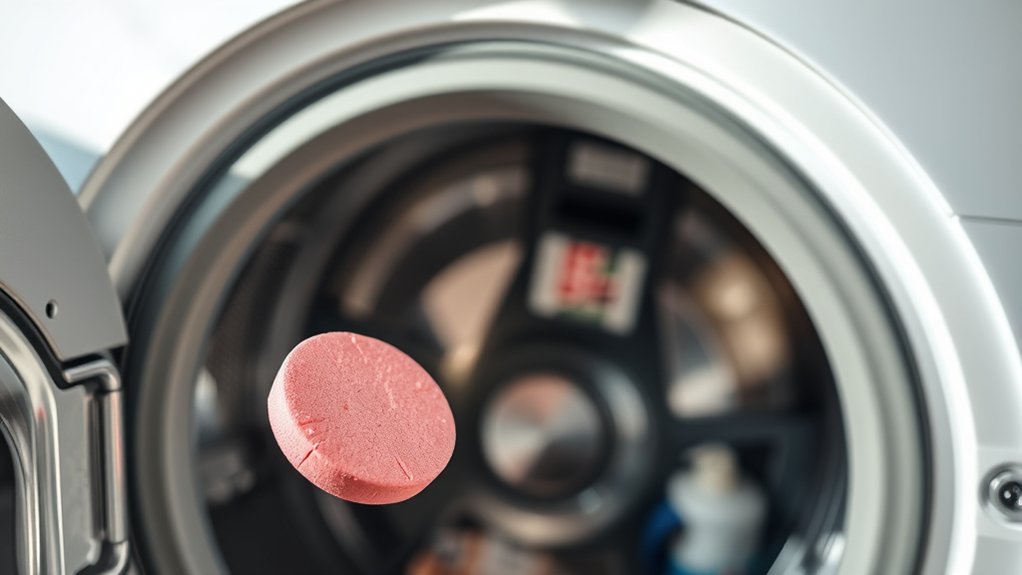
Once you’ve prepped your washer, simply drop one dishwasher tablet directly into the drum. Avoid placing it in the detergent drawer since it needs direct contact with water to dissolve properly.
Run a hot wash cycle without adding any laundry detergents or fabric softeners, as these can interfere with the cleaning action of the tablet.
Dishwasher tablets contain powerful agents and water softeners that break down grime, soap scum, and mineral deposits inside your machine.
Using just one tablet is enough to get rid of buildup without causing damage.
Repeat this process every few months to maintain a fresh, efficient washer.
This method is an easy alternative to harsh chemical cleaners. It helps you keep your washing machine in top shape without much hassle.
Give it a try and see the difference!
Post-Cleaning Maintenance
Although the initial cleaning with a dishwasher tablet tackles buildup effectively, maintaining your washer’s cleanliness requires regular attention. For ongoing appliance maintenance, follow these laundry tips:
- Run a monthly cleaning cycle using a dishwasher tablet to prevent residue and odors.
- Leave the washer door open after each use to promote airflow and reduce moisture buildup.
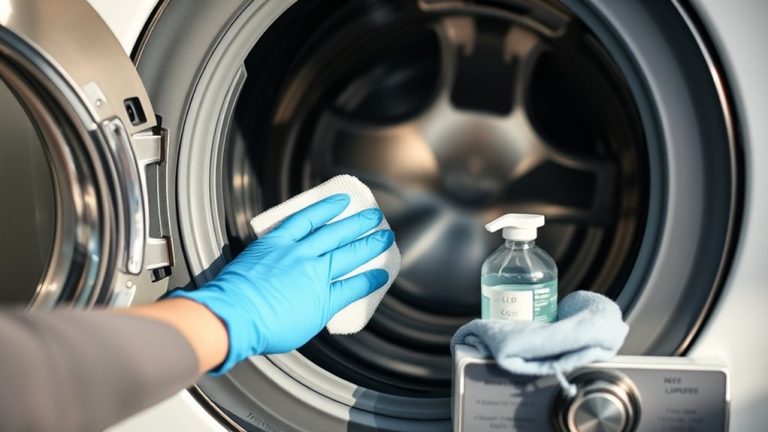
- Wipe down the detergent drawer and rubber seals weekly to remove detergent deposits and prevent mold.
These steps help extend your washing machine’s lifespan and keep it running efficiently. Incorporating dishwasher tablets into your routine is a simple way to stay on top of appliance maintenance without harsh chemicals.
Safer Alternatives For Cleaning Your Washing Machine
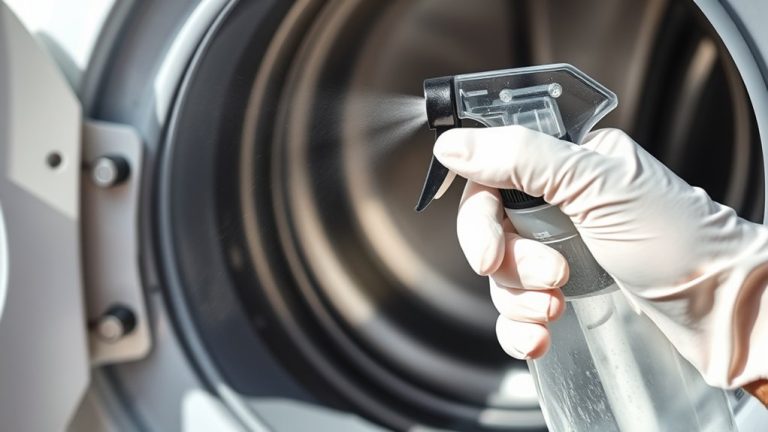
When you want to keep your washing machine fresh without harsh chemicals, you can turn to safer alternatives that are both effective and gentle. Eco-friendly solutions like white vinegar and baking soda are popular DIY cleaning methods you can easily try at home.
Just add a cup of white vinegar to the detergent dispenser and run a hot cycle to dissolve grime and kill bacteria. Then, sprinkle half a cup of baking soda inside the drum and run another hot cycle to neutralize odors and remove residue.
These natural ingredients break down buildup without risking damage to your machine or the environment. Using these DIY cleaning methods regularly helps maintain your washing machine’s performance safely.
It also avoids the potential risks that come with harsher chemical cleaners or dishwasher tablets.
How Often Should You Clean Your Washing Machine?
If you want your washing machine to run efficiently and last longer, you should clean it regularly. Over time, residues from laundry detergents and fabric softeners build up, causing odors and reducing performance. How often you clean depends on your usage and water quality.
Consider these guidelines: Clean your machine every 1-2 months if you use it frequently or have hard water. For occasional use or soft water, cleaning every 3-4 months is sufficient. Always clean immediately if you notice foul smells, residue, or poor washing results.
Regular cleaning prevents buildup that can damage seals and hoses. Staying consistent guarantees your washing machine remains fresh and effective. This saves you money on repairs and improves laundry results.
Tips To Keep Your Washing Machine Clean And Running Smoothly
To keep your washing machine running smoothly, you should adopt simple habits that prevent buildup and wear. Using eco-friendly solutions and DIY cleaning methods helps maintain efficiency and extends your machine’s life.
Make it a habit to regularly clean the detergent drawer and door seals to avoid mold and residue. Running a monthly hot cycle with vinegar or dishwasher tablets helps break down grime. Also, leave the door open after use to air out moisture.
| Tip | Action |
|---|---|
| Use Eco Friendly Solutions | Choose vinegar or baking soda for cleaning |
| DIY Cleaning Methods | Make paste with baking soda for scrubbing |
| Regular Maintenance | Clean detergent drawer monthly |
| Run Hot Cycles | Use dishwasher tablets or vinegar monthly |
| Air Dry Between Uses | Leave door open to prevent mold |
Frequently Asked Questions
Can Dishwasher Tablets Damage Other Household Appliances?
Yes, dishwasher tablets can damage other household appliances if you’re not careful. They’re formulated specifically for dishwashers, so using them elsewhere may cause issues like residue buildup or corrosion.
To make sure your appliances stay safe, always check if the cleaner is compatible before trying it out. Using the right cleaner for each appliance helps protect their parts and keeps them running smoothly.
This way, you avoid costly repairs or damage over time. It’s a simple step that can save you a lot of hassle down the road!
Are Dishwasher Tablets Safe for Septic Tanks?
Like a double-edged sword, dishwasher tablets can be tricky for septic tank compatibility. You’ll want to check the label carefully because many tablets contain harsh chemicals that can upset the delicate balance of bacteria in your septic system.
For chemical safety, it’s best to use products labeled safe for septic tanks. Using the wrong tablets might harm your system, so always choose wisely to keep everything running smoothly.
Can Dishwasher Tablets Remove Mold in Non-Washing Machine Areas?
Yes, you can use dishwasher tablets to remove mold in non-washing machine areas, but you need to be cautious. Their cleaning efficiency helps break down grime and mold effectively.
However, dishwasher residue might remain if not rinsed properly, so make sure to wipe the area thoroughly after use.
Always test a small spot first to avoid damage, especially on delicate surfaces. This way, you get a cleaner space without unwanted buildup.
It’s a handy trick, but just take your time and be careful with the surfaces you’re treating.
Do Dishwasher Tablets Cause Allergies or Skin Irritation?
You might think dishwasher tablets are harsh, but they can cause skin sensitivity and allergic reactions in some people because of their strong chemicals. If you have sensitive skin, it’s best to avoid direct contact or wear gloves when handling them.
The chemical reactions from ingredients like enzymes and detergents can irritate your skin or eyes. So, always rinse thoroughly after use.
And make sure to store tablets out of reach to prevent accidental exposure and discomfort.
Can Dishwasher Tablets Be Used in Hand-Washing Laundry?
You can use dishwasher tablets for hand-washing laundry, but it’s not ideal. They might help with stain removal because of their strong cleaning agents, but they often lack fabric softening ingredients.
This could leave clothes feeling rough.
Plus, they can be harsh on delicate fabrics and your skin. It’s better to stick with detergents designed for hand washing to keep your clothes soft and well cared for.
Trust me, your clothes (and your hands) will thank you!
Conclusion
You might be tempted to use dishwasher tablets to clean your washing machine, but it’s not the safest choice. Dishwasher tablets contain harsher chemicals that could damage your washer’s components over time. In fact, 65% of washing machine repairs are linked to improper maintenance.
Instead, stick to products designed specifically for washing machines to keep yours running smoothly. Regular cleaning every month will help extend your washer’s life and prevent costly repairs. It’s worth taking a little extra time to use the right cleaner—it really pays off in the long run.