Can You Dry Clean A Sleeping Bag – What To Know
You shouldn’t dry clean your sleeping bag since the harsh chemicals strip its insulation oils, damage fabric shells, and weaken fibers. This reduces warmth and durability. Dry cleaning can also leave irritating residues and void warranties.
Instead, spot clean stains with mild soap. Wash gently using down- or synthetic-specific detergents. Then, air or tumble dry on low heat with dryer balls to restore loft.
Following these practices keeps your bag in top shape. You’ll find even more tips to prolong its life.
Why You Should Avoid Dry Cleaning Sleeping Bags
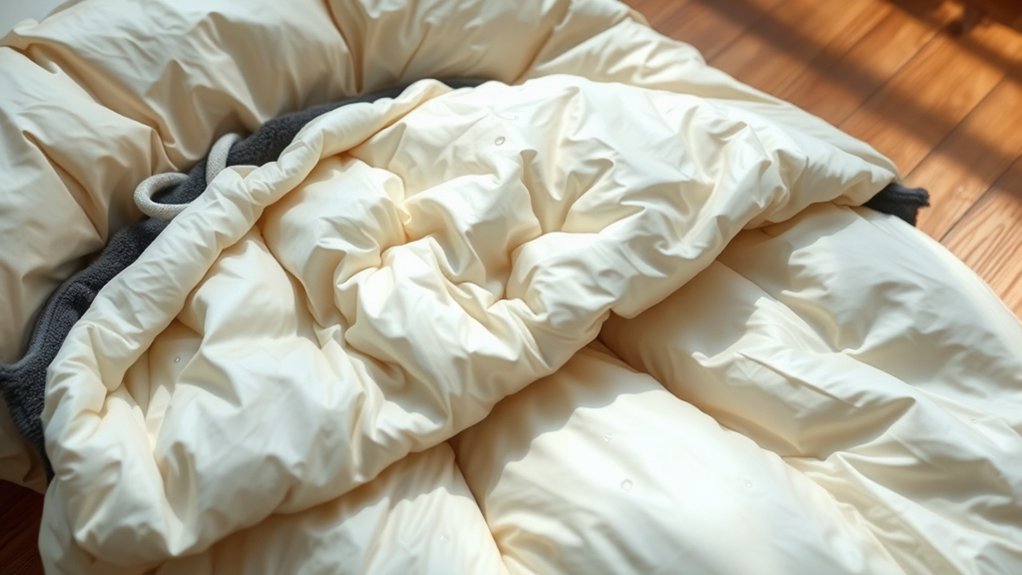
Although dry cleaning might seem like a convenient option, you should avoid it for your sleeping bag because the chemicals and processes used can seriously damage its insulation and fabric.
Dry cleaning chemicals strip natural oils from down and synthetic insulation, leading to insulation damage and a loss of loft.
Dry cleaning chemicals remove essential oils from insulation, causing damage and reducing loft.
The solvents can also harm delicate fabric shells and waterproof coatings, reducing your bag’s durability.
Furthermore, many dry cleaning methods use high heat and agitation, which cause fabric weakening and insulation clumping over time.
Residual chemicals often remain, potentially causing skin irritation or unpleasant odors.
Importantly, manufacturers generally warn against dry cleaning since it can void your warranty and result in irreversible damage.
So, to keep your sleeping bag in top condition, steer clear of dry cleaning altogether.
It’s definitely better to stick with gentler cleaning methods that won’t harm your gear.
How to Spot Clean Stains Quickly and Safely
When you notice a stain on your sleeping bag, act quickly by using a damp cloth or soft brush with mild soap to clean the area without soaking the entire bag. Focus on high-contact areas like zippers, the hood, and foot box for effective stain removal. Avoid excess moisture to support mold prevention.
Gently pinch and pull down fibers back inside to avoid enlarging holes. Always guarantee thorough drying before storing.
| Step | Tip |
|---|---|
| Spot Cleaning | Use mild soap and damp cloth |
| Target Areas | Zippers, hood, foot box |
| Drying | Dry thoroughly to prevent mold |
Following this method keeps your sleeping bag clean, odor-free, and durable. Just a little quick care goes a long way!
Safe Washing Alternatives for Down and Synthetic Bags

You’ll want to pick cleaning products made just for down or synthetic insulation to keep your sleeping bag’s loft and warmth intact.
If you’re using a washing machine, go for a gentle cycle with cold water, and steer clear of harsh spin speeds to avoid any damage.
Or, if you prefer, hand washing with a mild detergent and careful rinsing can do the trick, helping your bag stay in great shape without the risk of wear.
Recommended Cleaning Products
How do you keep your sleeping bag clean without damaging its insulation? Avoid dry clean methods, as chemicals strip oils from down insulation and reduce loft. Instead, use specialized cleaning products designed for your bag’s fill.
For down bags, down wash detergents like Grangers Down Wash or Nikwax Down Wash help preserve insulation and restore loft.
Synthetic sleeping bags benefit from performance washes made specifically for synthetic fabrics. These maintain fabric integrity and fill performance.
Avoid regular household detergents, bleach, or fabric softeners because they can weaken fibers and reduce insulation.
When using a washing machine, select a gentle or delicate cycle to protect your bag.
Always check your manufacturer’s recommendations for the best cleaning product to keep your sleeping bag safe, clean, and functional for many adventures.
Washing Machine Guidelines
Maintaining your sleeping bag’s insulation and fabric requires careful washing machine use. Always choose a front-loading washing machine to minimize agitation. This helps protect both down and synthetic fibers.
Use a gentle cycle with the right detergents. For down bags, use down-specific detergent. For synthetic ones, mild, synthetic-safe detergent is best.
Pay attention to load size. Washing your bag alone or with just a few items prevents crushing the insulation.
Set the temperature to cold or warm and avoid hot water since it can damage fibers.
Go for a slow spin cycle to remove excess water without stressing the fabric.
After washing, don’t use the dryer’s high heat. Instead, use a low heat setting or air dry to preserve loft and prevent damage.
Always check the manufacturer’s care label before you start machine washing. It’s the best way to keep your sleeping bag in great shape.
Hand Washing Techniques
Although machine washing can be convenient, hand washing offers a gentler and equally effective method to clean your down or synthetic sleeping bag.
Start by filling a large tub or bathtub with cold or lukewarm water, then add a mild detergent designed for your bag’s material.
Submerge the bag gently, kneading it softly without wringing or lifting it while waterlogged to avoid damage.
After soaking, rinse the bag thoroughly with clean water several times to remove all soap residues.
Carefully press out excess water without twisting, then lay your sleeping bag flat or hang it in a well-ventilated area.
Avoid direct sunlight or heat sources during the drying process to preserve insulation and fabric integrity.
This gentle hand washing routine keeps your bag clean and maintains its longevity.
It’s a simple way to make sure your sleeping bag lasts for many adventures to come.
Best Practices for Washing Your Sleeping Bag
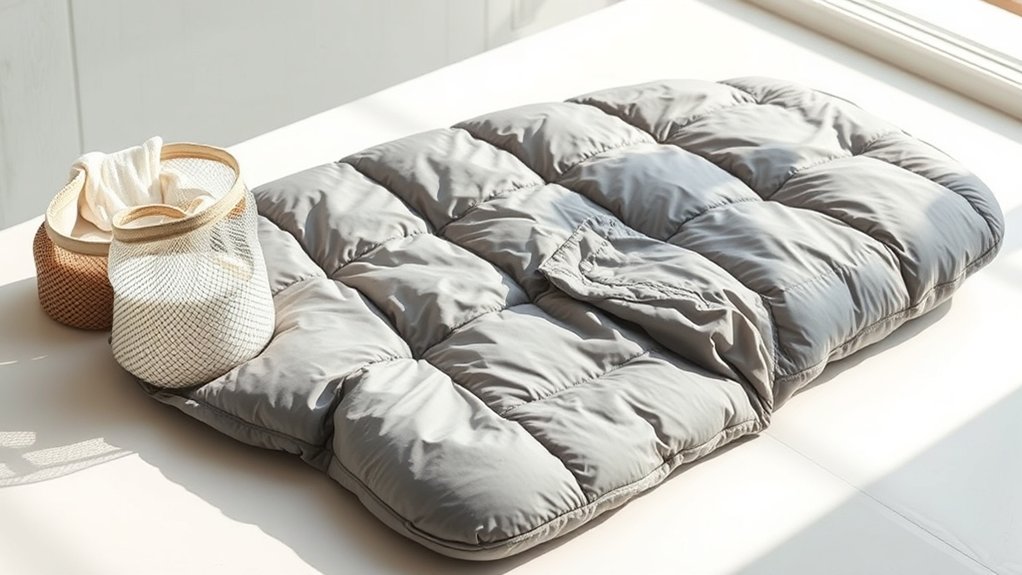
Two essential steps will guarantee your sleeping bag stays clean without compromising its insulation. First, always pre-inspect and repair any tears or broken zippers before washing. Use specialized detergents designed for down insulation to protect loft and fabric.
Avoid standard detergents, bleach, or fabric softeners because they can damage the insulation. Wash your bag in a front-loading machine on a gentle cycle to preserve its structure. After washing, focus on thorough drying using low heat.
Adding tennis balls or dryer balls helps restore the loft and prevents mildew. It’s a simple trick that really makes a difference.
| Step | Key Action | Notes |
|---|---|---|
| 1. Repair | Fix tears, zippers | Prevents damage during washing |
| 2. Detergents | Use down-specific | Protects loft and insulation |
| 3. Washing | Gentle cycle, front-load | Avoid agitator machines |
| 4. Drying | Low heat, dryer balls | Restores loft, prevents mold |
| 5. Inspection | Post-wash check | Ensure no damage remains |
How to Dry Your Sleeping Bag Without Damaging It
How exactly should you dry your sleeping bag to keep its insulation intact? Use a low-heat setting if you opt for a tumble dryer, and toss in some tennis balls to help restore the loft. Avoid high heat or direct sunlight because too much heat can damage both the insulation and fabric.
Dry your sleeping bag on low heat with tennis balls to preserve loft; avoid high heat and direct sun.
Alternatively, air drying in a well-ventilated, shaded area is a gentler approach. Just make sure the bag is completely dry before storing it to prevent mold or mildew.
Also, try fluffing the sleeping bag every now and then during drying to keep the insulation from clumping and to help moisture escape evenly.
And one more thing—steer clear of harsh drying methods or chemicals. They can weaken the fabric and down insulation, which shortens your sleeping bag’s lifespan and makes it less effective.
Maintenance Tips to Prolong Your Sleeping Bag’s Life
To keep your sleeping bag in great shape, start by storing it properly. Avoid squeezing it into tight compression sacks—instead, use a large, breathable bag that lets it air out.
Also, make sure to clean it regularly, but keep things gentle. Use down-specific cleaners that help maintain the insulation and loft without damaging the materials.
Proper Storage Practices
Although it’s tempting to store your sleeping bag in a tight stuff sack to save space, doing so can damage its insulation over time. Instead, focus on proper storage by keeping your bag uncompressed in a large, breathable cotton or mesh sack. This preserves the loft and prevents down clumping.
Store the bag in a cool, dry, and well-ventilated area to avoid moisture buildup and mold growth. Always make sure your sleeping bag is thoroughly dry before storing it.
Regularly perform an inspection to catch any signs of moisture or damage early. If you notice clumping or dampness, re-fluff and air out the bag promptly.
Using breathable storage and maintaining vigilance will substantially prolong your sleeping bag’s lifespan. It’s really worth the effort to keep your gear in great shape!
Regular Cleaning Routine
Keeping your sleeping bag clean plays a key role in preserving its loft and insulation. Establish a regular cleaning routine by spot cleaning minor stains with a damp cloth and mild soap to avoid unnecessary washing. Only wash your down sleeping bag when odors or dirt build up, as frequent washing can strain the fabric and reduce loft.
After use, store your bag in a breathable, uncompressed storage sack to prevent down clumping and fabric damage. Conduct routine inspections to check for tears or down protrusions. Addressing these with timely repairs keeps your sleeping bag functional and extends its lifespan.
How to Store Your Sleeping Bag to Prevent Damage
When you want your sleeping bag to stay in top condition, storing it properly is essential. Use a large, breathable storage bag made of cotton or mesh to avoid compression and preserve the loft.
Store your bag in a cool, dry, and well-ventilated area away from direct sunlight. This helps prevent fabric damage and clumping of insulation.
Avoid long-term compression by hanging the bag or keeping it loosely stored in a spacious sack or pillowcase.
Before storage, make sure your sleeping bag is completely dry to prevent mold and mildew.
It’s a good idea to regularly air out or fluff the bag during the off-season to keep it fresh and well-ventilated.
Also, take time to inspect your bag for any damage. Repair tears promptly to extend your sleeping bag’s lifespan and keep it performing at its best.
Frequently Asked Questions
Can Dry Cleaning Solvents Affect the Waterproof Coating of Sleeping Bags?
Yes, dry cleaning solvents can affect the waterproof coating of your sleeping bag. These chemicals often strip or degrade waterproof treatments like DWR, which reduces your bag’s ability to repel moisture.
They might also weaken seam taping or waterproof membranes, compromising overall protection.
So, to keep your sleeping bag effective and durable, avoid dry cleaning with harsh solvents. Instead, opt for gentle washing methods designed specifically for waterproof gear.
It’s a better way to protect your investment and stay comfortable on your adventures.
Are There Specific Detergents Recommended for Sleeping Bag Cleaning?
Think of your sleeping bag as a delicate snowflake. Each fiber needs gentle care. You should use specialized detergents like Grangers Down Wash for down bags or Nikwax Down Wash for synthetic ones.
These products protect insulation and fabric, unlike regular detergents that act like harsh winds stripping oils and ruining loft. Always avoid household soaps with brighteners or softeners.
Follow instructions carefully to keep your bag fluffy and functional on every adventure.
How Often Should You Wash a Sleeping Bag During Frequent Camping?
You should wash your sleeping bag every 3 to 4 uses during frequent camping or whenever it gets dirty, smelly, or loses its loft. But try not to wash it too often because that can damage the insulation and warmth.
Instead, air it out regularly to keep it fresh. Spot clean any stains as they appear, and consider using a liner to keep your sleeping bag cleaner for longer.
Also, store it properly when you’re not using it and fix small tears quickly. Doing these little things will help you wash your sleeping bag less often.
Can Professional Outdoor Gear Cleaners Safely Clean Sleeping Bags?
You can trust professional outdoor gear cleaners to handle your sleeping bag with care, but dry cleaning isn’t their go-to method. They usually opt for gentle washing techniques with specialized detergents that protect your bag’s insulation and loft.
If your bag’s synthetic, some cleaners might consider dry cleaning, yet they prefer milder washes.
What Materials in Sleeping Bags Are Most Vulnerable to Cleaning Damage?
You’ll find down insulation especially vulnerable to cleaning damage since harsh chemicals and high heat strip its natural oils, reducing loft and warmth.
Synthetic fillings handle cleaning better but still risk damage from aggressive agitation or heat.
The fabric shells, particularly those with waterproof coatings or delicate laminated materials, can degrade or lose effectiveness when exposed to dry cleaning solvents.
Conclusion
Think of your sleeping bag like a delicate garden. Dry cleaning uses harsh chemicals that can damage its fabric and insulation.
Instead, spot clean stains as soon as you notice them. Then, choose gentle washing methods that work well for down or synthetic fills.
Dry your sleeping bag carefully and store it loosely. This way, your “garden” will stay healthy season after season.
Treat your sleeping bag with care, and it’ll give you countless cozy nights under the stars.