What Is Dry Clean Symbol – Explained
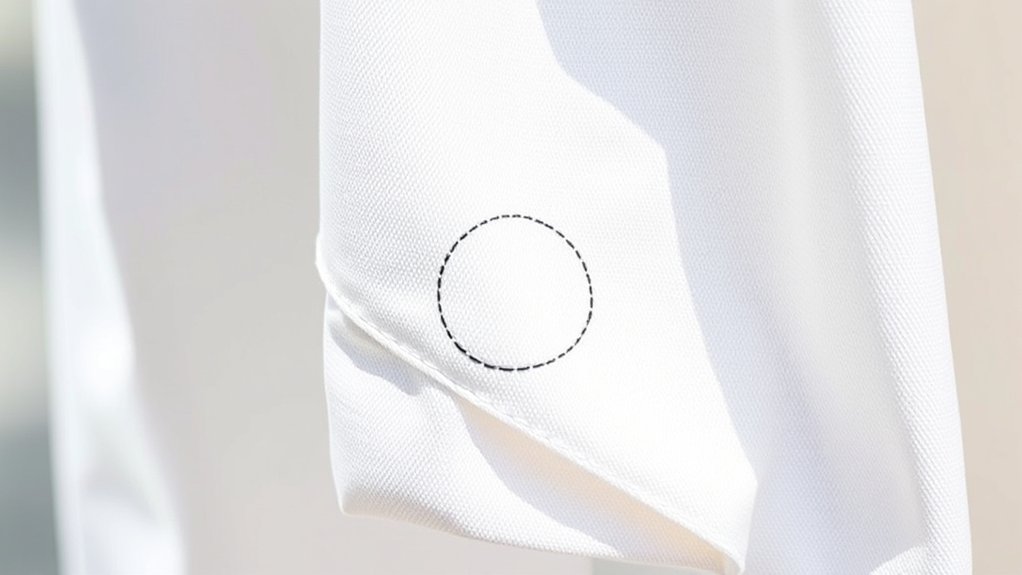
The dry clean symbol, a plain circle, tells you if a garment can be professionally dry cleaned. Letters inside the circle specify which solvents to use, like “A” for any solvent and “P” for petroleum-based ones. Bars beneath indicate cleaning delicacy.
A crossed circle means avoid dry cleaning altogether to prevent damage. Understanding these symbols helps you protect fabrics and extend garment life. Keep exploring to learn how to decode these signs accurately for safe cleaning.
What the Dry Clean Symbol Means on Clothing Labels
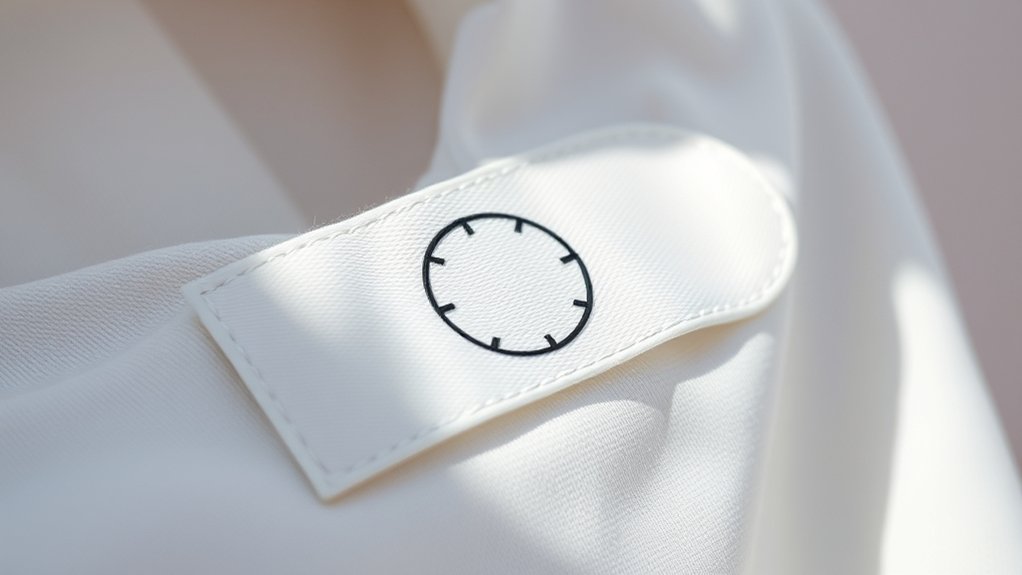
What does the dry clean symbol on your clothing label actually mean? The dry clean symbol, represented by a circle on care labels, shows that the garment requires or allows professional dry cleaning. This symbol helps you care for your clothes properly by giving clear dry cleaning instructions.
A plain circle means dry cleaning is okay, while a crossed circle means you should avoid it. Getting these symbols right is super important to prevent damage from using the wrong cleaning methods.
Sometimes, you’ll see letters inside the circle that tell you what type of solvent can be used during cleaning. But the circle itself always means the garment needs professional dry cleaning.
Knowing how to read these labels helps you treat your clothes the right way, keeping them looking great and lasting longer.
What the Letters Inside the Dry Clean Circle Indicate
Understanding the letters inside the dry clean circle is key to knowing which solvents professional cleaners can safely use on your garment. These dry cleaning symbols direct the cleaning process by specifying solvent types appropriate for your fabric.
The letter “A” within the dry clean circle means any dry cleaning solvent, including perchloroethylene, is acceptable.
A “P” restricts the cleaning to petroleum-based solvents only.
The letter “F” limits solvents to hydrocarbon or petroleum types, excluding perchloroethylene.
If the circle contains no letter, it generally signals that any solvent type is allowed unless other garment care symbols indicate restrictions.
By interpreting these letters inside the circle, you guarantee your garment receives the correct professional cleaning. This way, you stick exactly to the cleaning instructions and laundry symbols provided.
It’s a simple step that makes a big difference in caring for your clothes.
How Bars and Lines Under the Dry Clean Symbol Affect Cleaning
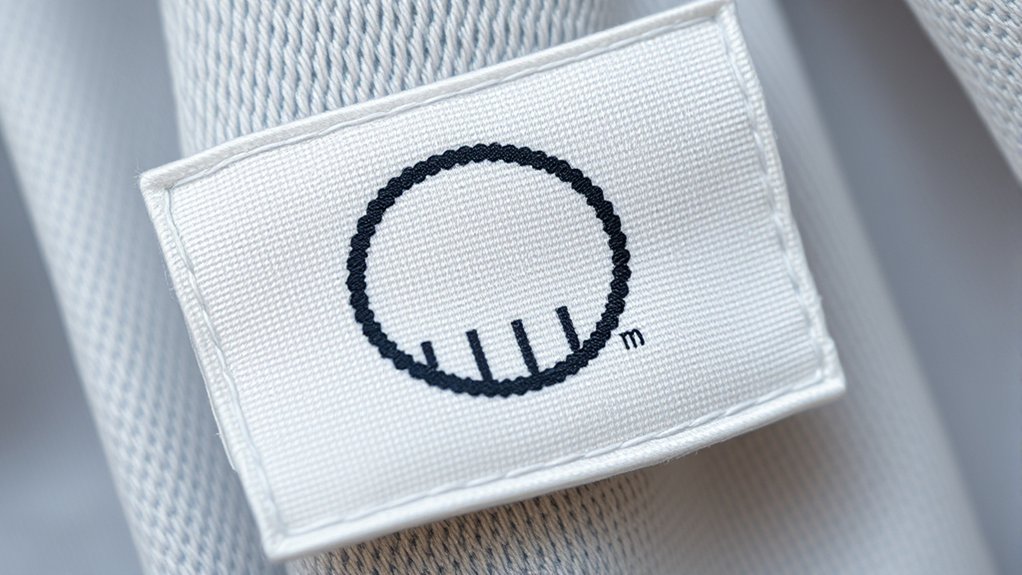
How do bars and lines beneath the dry clean symbol influence the cleaning process? These markings give you important clues about how cautious you need to be and specific cleaning instructions on the care label. Knowing what they mean helps you take better care of your clothes.
No bars mean standard professional dry cleaning with no restrictions on solvents.
One bar means the item needs gentle dry cleaning. This usually calls for less agitation because the fabric is delicate.
Two bars indicate the garment requires even more delicate care. This often involves special solvents and professional handling.
If there are more bars or lines, they usually point to solvent restrictions or higher caution levels. This helps tailor the cleaning process to very sensitive materials.
Crossed Circles: When to Avoid Dry Cleaning
You’ll recognize the crossed circle symbol as a clear sign that dry cleaning is a no-go for that garment. Fabrics like delicate silks or some synthetics often have this mark because solvents can cause shrinkage, fading, or damage to the fibers.
Identifying Crossed Circle Symbol
When you see a crossed circle symbol on a clothing label, it means dry cleaning is off-limits for that garment. This symbol warns that the cleaning solvents used by a professional dry cleaner might damage the fabric. So, it’s important to pay attention to it.
To be sure, locate the crossed circle on the laundry label. This confirms that dry cleaning is prohibited. Basically, the symbol is there to protect the fabric by preventing exposure to harsh cleaning solvents.
Instead, you should try other ways to care for your clothes, like hand washing or machine washing—whichever the label recommends. Always follow the garment care guidelines closely. That way, you avoid irreversible damage and keep your clothes looking good for longer.
Respecting the crossed circle is key to maintaining your clothing’s quality and saving yourself from costly mistakes down the line. Just a little extra care goes a long way!
Fabrics Unsuitable For Dry Cleaning
Although dry cleaning suits many garments, certain fabrics and materials require special caution to avoid damage. Fabrics unsuitable for dry cleaning often bear a crossed circle on the care label, signaling you to avoid this method.
Delicate fabrics like silk, leather, and wool are commonly marked with this symbol because dry cleaning chemicals can deteriorate their texture and structure.
Items with embellishments, sequins, or intricate trims also feature the crossed circle to prevent damage during professional cleaning.
Plus, waterproof fabrics treated with special coatings usually display this symbol to maintain their water-resistant properties.
Always check the care label for the crossed circle before dry cleaning. Ignoring it can lead to irreversible fabric damage and loss of garment integrity.
Risks Of Ignoring Symbol
Ignoring the crossed circle symbol on your garment’s care label can cause several serious issues, including fabric shrinkage, color fading, and fiber weakening. This dry clean symbol warns you when dry cleaning risks irreversible damage, especially to delicate fabrics like silk or wool.
Neglecting it compromises garment preservation and clothing lifespan.
Think about it this way: using the wrong cleaning method can make your favorite clothes lose their shape or look faded. It’s not just about how they look, but also about how long they last.
Consider these risks:
- Fabric shrinkage and loss of shape due to inappropriate cleaning methods.
- Color fading and fibers weakening from unsuitable chemical exposure.
- Irreversible damage to delicate fabrics, affecting texture and structural integrity.
- Increased risk of costly repairs or replacements from poor garment care.
Dry Clean vs. Wet Clean Symbols: What’s the Difference?
How can you distinguish between dry clean and wet clean symbols on garment care labels? Both use a circle, but the dry clean symbol is typically a plain circle. This indicates the garment requires professional cleaning through a solvent-based dry cleaning process. It may include letters specifying which solvents are safe.
Dry clean symbols are plain circles, indicating professional solvent-based cleaning with possible solvent-specific letters.
In contrast, the wet clean symbol features a circle with a W inside. This signals that professional wet cleaning, a water-based method, is suitable.
These cleaning symbols guide you in garment care by clarifying whether solvent-based dry clean or water-based wet clean methods should be used.
Understanding these laundry symbols guarantees you choose the correct professional cleaning method. That way, you preserve fabric integrity and prevent damage caused by improper solvent or water exposure.
How Dry Clean Symbols Help Protect Your Clothes
When you follow dry clean symbols on garment labels, you make sure your clothes get the right professional cleaning. This prevents damage from using solvents or methods that aren’t suitable. These symbols give you important care tips that protect your clothes and keep the fabric in good shape.
Here’s how they help:
- Garment care labels show which chemical solvents are safe to use. This guides professional dry cleaners so they don’t damage the fibers.
- The symbols also tell you about restrictions, like a crossed-out circle, which means no dry cleaning for certain delicate fabrics.
- Sometimes, additional bars or letters explain exact adjustments needed in the dry cleaning process. This helps keep the fit and look of your clothes just right.
- When you understand these symbols, it’s easier to take good care of your clothes. That way, your garments last longer because they get cleaned the way they need to be.
What Dry Cleaning Solvents Mean for Your Garments
Understanding the four main dry cleaning solvent symbols on garment labels is essential for preserving your clothes’ integrity. The circle symbol on a dry clean label indicates the need for professional cleaning and specifies solvent types through letters inside the circle. This guides fabric safety by limiting exposure to incompatible cleaning chemicals.
Here’s a quick reference to solvent symbol meanings:
| Symbol | Solvent Type |
|---|---|
| A | Any solvent |
| P | Petroleum-based solvents |
| F | Hydrocarbon or fluorocarbon solvents |
| ⃠ (crossed circle) | No dry cleaning allowed |
Practical Tips for Reading and Using Dry Clean Symbols
You need to accurately decode dry clean symbols to guarantee proper garment care and avoid damage. So, take a close look at the solvent letters and process indicators, like the bars beneath the circle, to pick safe cleaning methods.
When you understand these little details, it really helps keep your fabric in great shape and can even extend the life of your clothes.
Decoding Dry Clean Symbols
Although dry clean symbols may seem complicated at first, you can learn to interpret them quickly by focusing on a few key things. Look at the circle shape, the letters inside, and any extra markings.
The dry clean symbol on your clothing label tells professional cleaners what solvents and processes to use. Here’s how to decode them:
- A plain circle means dry cleaning is allowed with any solvent.
- Letters inside the circle (P, F, W) show which solvent or cleaning method is okay.
- Bars or dots inside the circle mean the cleaning should be gentle or have some restrictions.
- A crossed-out circle means dry cleaning isn’t allowed.
Once you know these basics, reading those symbols gets a lot easier!
Safe Dry Cleaning Practices
Mastering the meaning behind dry clean symbols lets you make informed decisions when caring for your garments. The dry clean symbol, a circle on the care label, shows if professional dry cleaning is allowed. A plain circle means you can dry clean, while a crossed circle warns against it.
Letters inside the circle like A, P, and F specify which professional solvent to use. This helps guide you on the best cleaning methods for your fabric. Additional marks, such as bars or dots, give extra instructions, like gentle or restricted treatments.
Following these symbols ensures your fabric stays protected and your garment is properly cared for. Always stick closely to the dry clean symbol and its modifiers. Doing so helps you avoid damage and keeps your clothes lasting longer by using the right solvents and methods.
Frequently Asked Questions
Can I Dry Clean Clothes at Home Without Professional Help?
You shouldn’t dry clean clothes at home without professional help, especially if the label specifies dry cleaning only. Home kits can’t replicate the specialized solvents and processes professionals use, which risks fabric damage or color loss.
For delicate or heavily soiled garments, relying on professional dry cleaning guarantees the material’s integrity and appearance stay intact.
Use home methods only if the care label explicitly permits gentle washing alternatives.
How Often Should I Dry Clean Delicate Garments?
You should dry clean delicate garments like silk or wool every 3 to 5 wears to preserve their quality. If the care label lacks specific instructions, it’s safe to clean them after 4 to 6 uses. Avoid frequent dry cleaning since it can damage fibers.
For lightly worn items, cleaning every 6 to 8 months is sufficient. Always follow the care label and consider fabric type and how often you wear the garment.
Taking these steps helps keep your delicate clothes looking their best for longer.
Are There Environmental Concerns With Professional Dry Cleaning?
Yes, professional dry cleaning raises environmental concerns because it often uses perchloroethylene (PERC), a solvent harmful to air and water quality.
You should know that many cleaners are switching to greener solvents like hydrocarbons or silicone-based alternatives to reduce pollution.
Regulations require them to control chemical emissions and waste.
To minimize your environmental impact, you can opt for eco-friendly dry cleaning services and limit how often you dry clean your garments.
Can Dry Cleaning Remove All Types of Stains Effectively?
Think of dry cleaning like a locksmith with a specialized key. It can release many stains but not all. You can’t expect it to work on every mark.
Oil-based and grease stains respond well, but water-based stains like wine or sweat often resist. Deep-set or pigment stains may need extra treatment beyond dry cleaning.
What Should I Do if a Dry Clean Symbol Is Missing?
If a dry clean symbol is missing, first check the fabric type and any alternative care instructions. Don’t just assume dry cleaning is required. The absence might mean home washing is safe. Always verify washing guidelines on the label.
For delicate fabrics, avoid dry cleaning unless it’s explicitly recommended. When you’re unsure, have a look at the manufacturer’s label or reach out to the retailer.
Still not sure? It’s a good idea to get professional advice from a trusted dry cleaner to avoid any damage.
Conclusion
Now that you know what the dry clean symbol means, you can treat your clothes like a pro, not a Victorian-era laundress guessing by feel. Understanding the letters, bars, and crossed circles helps you avoid damage and choose the right cleaning method.
Remember, these symbols protect your garments’ fabric and color by guiding you on solvents and techniques. Use this knowledge to extend your clothes’ life and keep them looking fresh and flawless every time.