How To Clean Dry Blood From Skin – Easy Guide
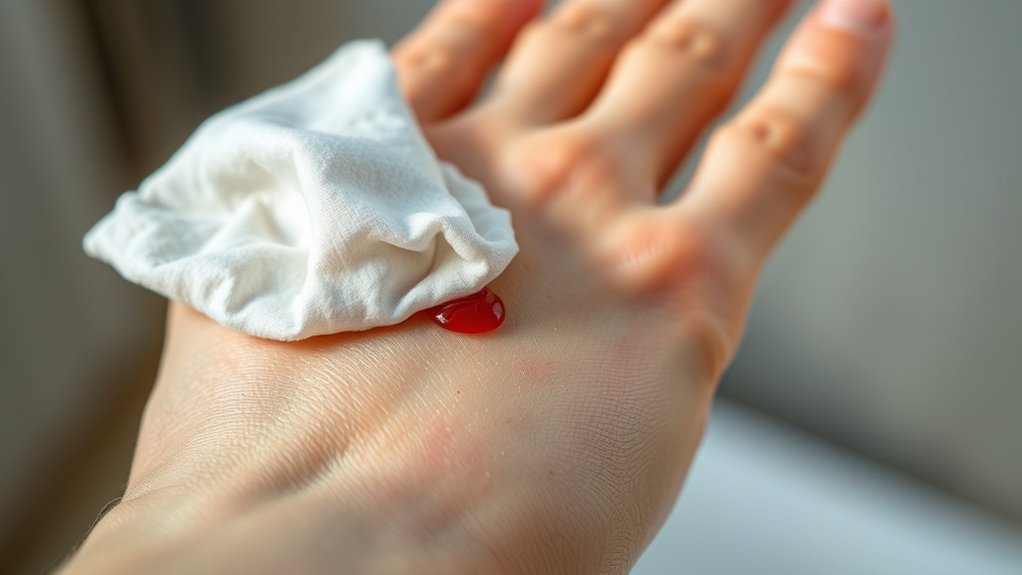
You can clean dry blood from your skin safely by first softening it with lukewarm water or saline for 5 to 10 minutes. Then, use your fingertips or a soft cloth to gently wipe away the softened blood. Avoid scrubbing or using harsh chemicals like alcohol.
Afterward, pat the area dry and apply a protective ointment. Always be gentle to help your skin heal and to avoid irritation.
If the blood is stubborn or you notice signs of infection, it’s best to seek professional help. Learn essential precautions and effective methods to care for your skin properly.
What Causes Dried Blood On Your Skin After Surgery?
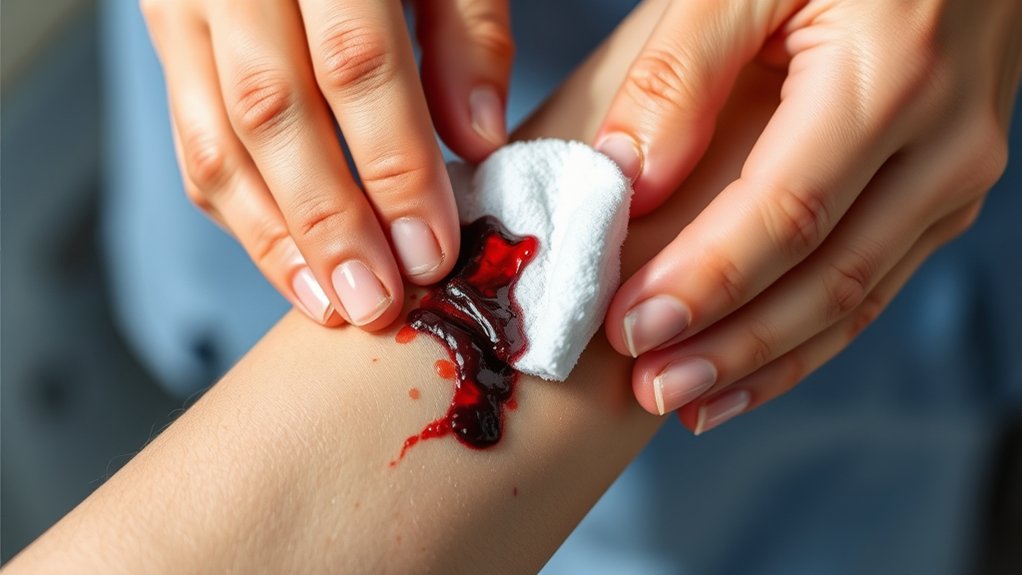
After surgery, you’ll often notice dried blood on your skin, which forms as part of the natural healing process. During surgery, small blood vessels are cut, causing bleeding that exposes blood to the air.
Once exposed, blood proteins like fibrin create a mesh that traps blood cells, forming a clot. This clot then dries over time, resulting in the dried blood you see on your skin.
This drying process is completely normal and typically lasts a few days as your wound heals. The presence of dried blood signals that your body is actively clotting and initiating recovery.
Understanding this helps you recognize that dried blood is a natural, essential step in healing after surgery. It’s just your body doing what it needs to do to fix itself.
Why Gentle Cleaning Helps Your Skin Heal Better
Seeing dried blood on your skin signals that healing is underway, but how you clean that area can considerably impact recovery. Gentle cleaning protects delicate skin, prevents irritation, and avoids reopening wounds.
Using mild, pH-balanced solutions maintains your skin’s natural barrier, which speeds up healing. Harsh scrubbing or abrasive tools disrupt tissue regeneration and increase the risk of infection.
Soft, non-abrasive materials reduce trauma, supporting ideal repair and minimizing scarring. Here’s a quick overview:
| Cleaning Method | Impact on Skin | Healing Benefit |
|---|---|---|
| Gentle wiping | Protects fragile skin | Promotes faster recovery |
| Mild, pH-balanced | Maintains skin barrier | Supports tissue repair |
| No harsh scrubbing | Prevents irritation | Reduces infection risk |
| Soft materials | Minimizes trauma | Enhances comfort |
| Proper care | Limits scarring | Ensures safer healing |
Key Precautions Before Cleaning Dry Blood
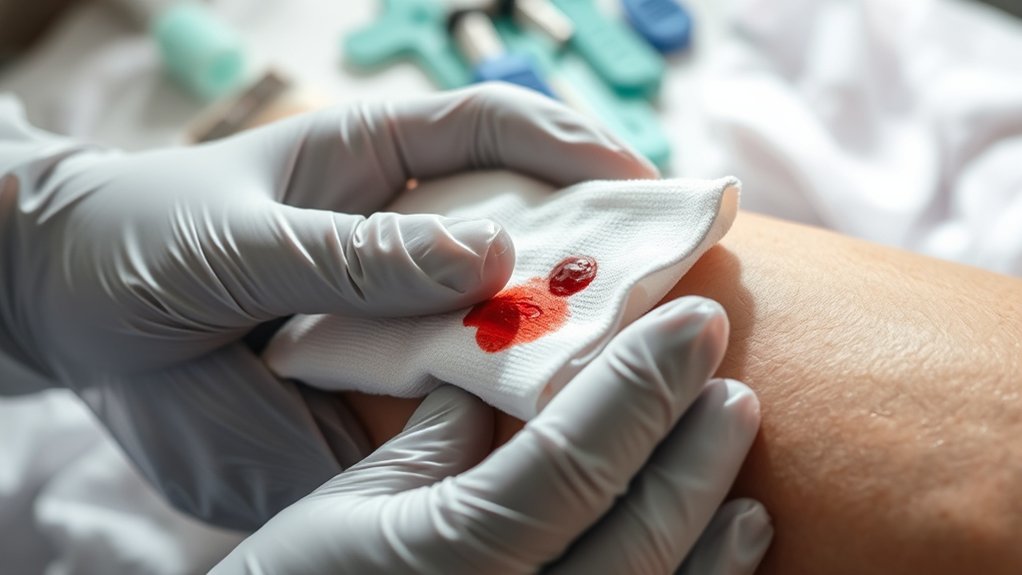
Before you start cleaning dry blood, it’s best to avoid harsh chemicals like alcohol or hydrogen peroxide because they can harm your skin. Instead, stick to gentle methods and make sure your hands are clean.
Using soft materials will help prevent irritation or accidentally reopening any wounds.
If the area feels painful, doesn’t heal, or shows signs of infection, don’t hesitate to get medical advice right away.
Taking these precautions will help keep things safe and comfortable.
Avoid Harsh Chemicals
While it might be tempting to use strong disinfectants like alcohol or hydrogen peroxide to clean dry blood, you should avoid these harsh chemicals because they can damage healing tissue and delay recovery.
Instead, keep in mind the following:
Harsh chemicals such as alcohol, iodine, and hydrogen peroxide can kill healthy skin cells needed for healing and increase infection risk.
Abrasive scrubbing or tools irritate delicate skin and may reopen wounds.
Chemicals with high pH disrupt your skin’s natural balance, impairing the healing process.
Using gentle, pH-balanced solutions and sterile materials is safer for cleaning dried blood.
Gentle Cleaning Only
Although it might seem straightforward to clean dry blood from your skin, you need to take specific precautions to protect healing tissue.
Always use lukewarm water and a mild, pH-balanced soap to gently cleanse the area. Avoid scrubbing or applying abrasive tools, as this can irritate the skin and potentially reopen wounds.
Harsh substances like alcohol, iodine, or hydrogen peroxide should never be applied directly to dried blood, as they can damage tissue. Instead, allow the dried blood to soften with moistening agents before attempting removal.
Handle the area delicately, following proper wound care guidelines to support healing and minimize scarring.
Gentle cleaning guarantees you maintain skin integrity while effectively removing dry blood without causing further trauma. Just take it slow and easy—it really makes a difference.
When To Seek Help
When should you seek medical help for dried blood on your skin? It’s important to recognize when professional care is necessary to avoid complications. You should contact a healthcare provider if you experience pain, swelling, or signs of infection such as pus or increased redness around the dried blood.
Also, reach out if there’s persistent bleeding, an unusual odor, or discharge from the wound area. Large areas covered with dried blood or if it keeps coming back after cleaning are other reasons to get checked.
If you’re unsure about proper wound care or notice any signs that things are getting worse, don’t hesitate to ask for help. Avoid trying to remove stubborn dried blood on your own as this can cause tissue damage.
Getting prompt medical advice ensures safe treatment and helps prevent infection or other complications. It’s always better to be cautious when it comes to your health.
How To Soften Dried Blood Safely Before Removal
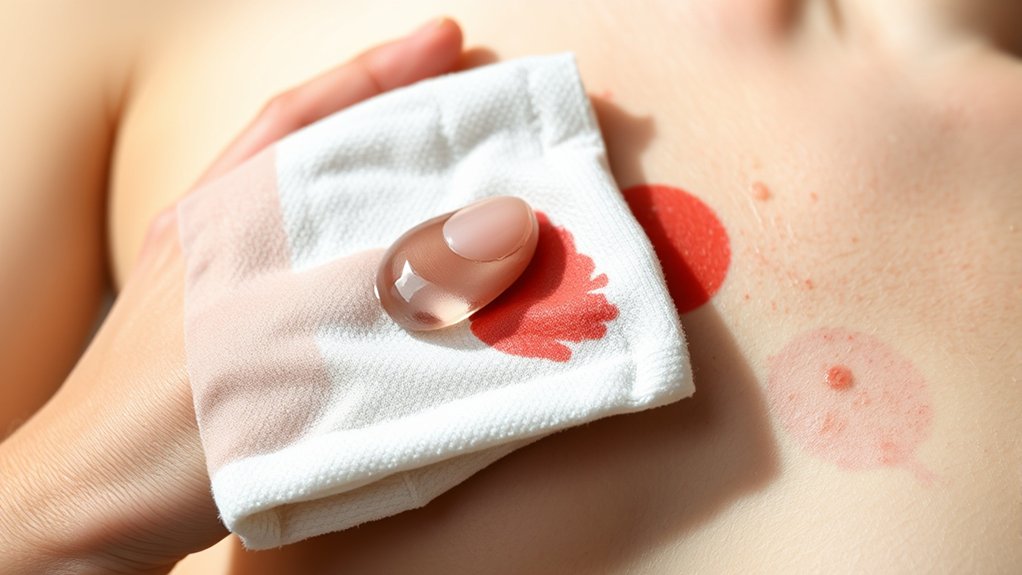
Before attempting to remove dried blood from your skin, you should soften it carefully to avoid irritation or damage. Apply lukewarm saline solution or water to the affected area and let it sit for 5 to 10 minutes. Avoid hot water, as it can set the blood stain, making removal harder.
Use gentle, non-abrasive materials like a soft cloth or sterile gauze to help loosen the dried blood without scrubbing or forcing it off. Instead, allow the blood to soften gradually through repeated, gentle applications.
You might need to repeat this softening process over multiple sessions to ease removal safely.
This careful approach minimizes skin irritation and prepares the dried blood for effective cleaning. Taking your time really helps, so be patient and gentle with your skin.
Best Mild Soaps And Cleansers For Dry Blood
When you’re picking out a cleanser for dried blood, it’s best to go for something gentle and pH-balanced. These kinds of formulas help protect your skin’s natural barrier.
Also, try to find fragrance-free options that include soothing ingredients like aloe vera or chamomile. These can really help reduce irritation.
And one more thing—steer clear of harsh soaps that have dyes or strong surfactants. They tend to dry out and damage skin that’s trying to heal.
Gentle Soap Ingredients
Although cleaning dried blood might seem straightforward, choosing the right mild soap plays an essential role in protecting your skin’s healing process. You want to select soaps that gently cleanse without irritating delicate tissue.
Focus on ingredients that support recovery while effectively removing dried blood.
Look for soaps that offer fragrance-free and hypoallergenic formulas to minimize allergic reactions. Natural moisturizing agents help maintain skin hydration.
Also, avoid harsh chemicals, sulfates, and dyes that can damage the skin.
Choose soaps with a gentle cleansing action that’s suitable for use with soft cloths or fingertips. This way, you’re treating your skin with the care it needs while keeping it clean and comfortable.
pH-Balanced Cleansers
Selecting the right soap is only part of the process; you’ll also want to focus on pH-balanced cleansers to protect your skin’s natural acidity. These mild, neutral pH (around 5.5) cleansers maintain your skin’s protective barrier, which is essential for preventing infection and minimizing scarring.
Using harsh or alkaline soaps can strip natural oils, delaying healing and increasing irritation, especially on delicate or post-surgical skin. By choosing a pH-balanced cleanser, you help promote faster healing and reduce trauma to the affected area.
Regular use supports ideal skin recovery by creating a gentle, healthy environment for your skin to repair itself. So, prioritize mild, skin-friendly formulations to guarantee effective, safe removal of dry blood without compromising healing tissue.
Fragrance-Free Options
Because your skin is especially sensitive when cleaning dry blood, choosing fragrance-free, pH-balanced mild soaps is essential to minimize irritation and support healing.
Fragrance-free options reduce allergic reactions and dryness, which helps promote faster recovery. Select gentle, non-abrasive cleansers free from artificial fragrances and harsh chemicals to protect delicate skin, especially after surgery.
Always rinse with lukewarm water to remove soap residue that might cause irritation.
Consider these fragrance-free mild soap features:
- pH-balanced formulas that maintain skin’s natural barrier
- No artificial fragrances or dyes to prevent inflammation
- Gentle cleansing agents suitable for sensitive or healing skin
- Hypoallergenic ingredients that lower dermatitis risks
How To Gently Remove Dried Blood Without Damaging Skin
When you need to remove dried blood from your skin, softening it first with lukewarm saline or water for 5 to 10 minutes makes the process much gentler and reduces irritation.
After soaking, use a mild, fragrance-free soap with a neutral pH to gently pat the area. Avoid scrubbing or applying force.
Use a gentle, fragrance-free soap with neutral pH and softly pat the area; never scrub or apply pressure.
Carefully lift or wipe away the softened blood with your fingertips or a soft cloth, steering clear of abrasive tools.
Once clean, pat the area dry using sterile gauze or a clean towel.
Then, apply a thin layer of ointment or petroleum jelly to protect the skin and support healing.
This careful approach helps prevent skin damage while effectively removing dried blood. It’s a simple way to take care of your skin without causing extra irritation.
What To Avoid When Cleaning Dry Blood From Skin
While gently softening and removing dried blood helps protect your skin, it’s equally important to know what to avoid during the process. Using the wrong methods can irritate the skin, delay healing, or cause pain.
To guarantee safe cleaning, steer clear of the following:
Harsh substances like hydrogen peroxide, iodine, or alcohol can damage healing tissue. Scrubbing or abrasive tools may reopen wounds or cause irritation. Forcibly removing dried blood or scabs can be painful and hinder recovery.
Also, avoid rough materials such as tissues, cotton pads, or cloths that shed fibers and increase the risk of infection. Remember, wounds aren’t like regular skin. Gentle care is vital to promote proper healing without complications.
When To Seek Medical Help For Dry Blood Removal
If you notice pain, increasing redness, swelling, or pus around dried blood, you should seek medical help promptly, as these signs may indicate an infection.
Also, if the dried blood is stubborn, deeply embedded, or won’t loosen despite gentle softening, consult a healthcare professional.
Seek immediate advice if the dried blood covers a large area or you detect bleeding or tissue damage beneath it.
An unusual odor or discoloration around the area can signal infection or tissue necrosis, requiring medical attention.
If you’re unsure how to safely remove dried blood or have underlying health conditions that impair healing, it’s best to get professional guidance.
Prioritize safety and avoid risking complications by seeking help when needed.
Frequently Asked Questions
Can Dried Blood Cause Skin Discoloration or Scarring?
Yes, dried blood can cause skin discoloration or scarring if you’re not careful. The iron in blood can leave temporary dark patches on your skin.
If you pick or forcibly remove dried blood, you risk damaging your skin tissue, which increases the chances of scarring. To avoid this, gently clean the area and try not to irritate it.
Taking care of the wound promptly reduces the likelihood of permanent discoloration or scars forming during healing.
How Long Does It Take for Dry Blood to Naturally Fall Off?
Dry blood typically falls off naturally within 3 to 7 days. You’ll notice it flakes away as your skin heals underneath.
The exact time varies depending on factors like the thickness of the clot, the wound’s location, and your individual healing speed.
If you want to speed up the process, gently cleaning the area can help soften the dried blood. Just be careful not to irritate the skin or disrupt healing.
Taking it slow is the best way to let your body do its thing.
Are There Any Natural Remedies to Dissolve Dried Blood?
Absolutely, you can tackle dried blood like a pro with natural remedies! Try gently rubbing coconut or olive oil to loosen it while moisturizing your skin. Aloe vera gel soothes and helps dissolve dried blood, while a baking soda-water paste breaks down stains effectively.
Honey’s natural enzymes promote healing and soften the area. Diluted lemon juice or saline solution can soften the dried blood for easier removal. These methods work wonders without harsh chemicals.
Can Makeup Be Applied Over Areas With Dried Blood?
You shouldn’t apply makeup over areas with dried blood. Doing so can trap bacteria, increase infection risk, and irritate your skin. Makeup can also cause uneven texture and interfere with healing.
Instead, gently cleanse the area first. Then, wait until it’s fully healed and free of dried blood before applying any products.
Prioritizing proper skin care helps guarantee a smooth, safe makeup application and promotes better wound recovery.
Is It Safe to Use Exfoliants on Skin With Dried Blood?
You might be tempted to exfoliate right away, but it’s not safe to use exfoliants on skin with dried blood. Doing so can irritate the area, reopen wounds, or cause scarring.
It’s best to wait until the dried blood is fully removed and the skin has healed before trying gentle exfoliation.
Harsh scrubs or chemical exfoliants should be avoided entirely until then.
If you’re unsure, it’s always a good idea to check with a healthcare professional. That way, you can protect your skin’s health and avoid any complications.
Conclusion
Cleaning dried blood from your skin is like tending a delicate garden. You need patience, gentle care, and the right tools to help it heal without harm.
By softening and cleansing carefully, you allow your skin to heal naturally. This helps avoid damage and infection.
Remember, rushing or using harsh methods can set back your progress. If you’re ever unsure, it’s a good idea to seek medical advice. That way, you can make sure your skin gets back to health safely and beautifully.