Which Laundress Products Are Recalled – Latest Update
The Laundress recall covers certain laundry detergents, fabric conditioners, stain solutions, household cleaners, and dish products made before September 2022. This includes some Classic, Baby, Lady, Sport, and Home formulas. Not every size or scent is affected, so check your product’s name, size, scent, and batch details against the official recall list.
Stop using any product that matches, and follow the notice’s refund instructions. You’ll find guidance below on identifying affected items and checking for the latest updates.
Which Laundress Products Are Included in the Recall?
The recall covers specific Laundress products made before September 2022, not every item the brand sells. The affected categories include laundry detergents, fabric conditioners, stain solutions, household cleaners, and certain dish products.
The recall affects certain pre-September 2022 Laundress detergents, fabric conditioners, stain solutions, household cleaners, and dish products.
You may also find recalled items among specialty formulas, such as baby detergent, wool and cashmere shampoo, and delicate wash. The list includes products sold under names such as Classic, Baby, Lady, Sport, and Home.
Some recalled products came in different sizes and scents, so a category or product name alone doesn’t mean every version is included. The recall applies to specified products that could contain bacteria, including Burkholderia cepacia complex.
Products manufactured after the recall’s stated cutoff aren’t included in this action. The scope is limited to named products and batches, rather than the entire Laundress range.
How to Tell If Your Laundress Product Is Affected
To check whether your Laundress product is affected, look for its name, size, scent, and batch details on the recall list.
Compare the information on your container with the official notice; don’t rely on the product name alone. Check the label, bottle, or packaging for identifying details, and review the company’s recall page for the latest instructions.
- Product name and size: Confirm both match the listed item.
- Scent or variant: Check the exact fragrance or product type.
- Batch details: Find the lot or batch code on the container and compare it carefully with the notice.
If you can’t read the code or aren’t sure whether your item matches, contact Laundress customer support and provide clear photos of the label and container.
Keep the product information handy while you verify it.
What Risks Led to the Laundress Recall?
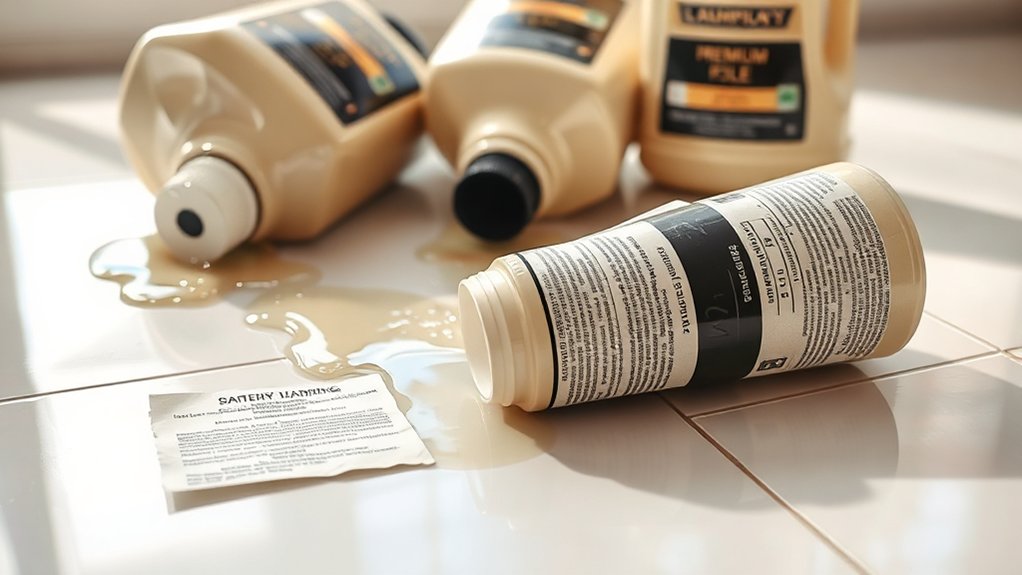
The recall followed concerns that some Laundress products may have contained harmful bacteria, including organisms that can cause serious infections, especially in people with weakened immune systems.
The company identified possible contamination with Pseudomonas, including Pseudomonas aeruginosa, and Burkholderia cepacia complex. These bacteria occur naturally in the environment and can survive in water or damp conditions.
The recalled products may have contained bacteria that thrive in water or damp conditions, including Pseudomonas and Burkholderia cepacia complex.
For most healthy people, exposure may pose a limited risk, but infection can become serious if bacteria enter the body through broken skin, the eyes, or the lungs.
You face greater concern if you have a weakened immune system, chronic lung disease, or other underlying health conditions.
The risk depends on the type of exposure and your health. The recall addressed the potential for contaminated products to expose consumers to bacteria, not a confirmed illness in every user.
What Should You Do With an Affected Product?
If you have an affected Laundress product, stop using it and check the recall notice for instructions on confirming eligibility and requesting a refund.
Don’t use, sell, give away, or donate the product while you complete the recall process.
Keep it in its original container if possible, and avoid transferring it to another bottle.
Follow the notice’s directions for disposal or return; don’t pour it down a drain or put it in household trash unless the instructions say to do so.
Gather the product name, size, lot code, and purchase details, if available.
Take clear photos of the container and identifying information before handling it further.
Submit the required claim information and retain confirmation, receipts, or other records.
Keep the product away from children and pets, and wash your hands after handling it.
Don’t discard it until you’ve reviewed the refund instructions.
Where to Check Laundress Recall Updates
Once you’ve secured the affected product, check The Laundress’s official recall page and the U.S. Consumer Product Safety Commission (CPSC) website for current notices.
The CPSC’s recall listing explains which products and lot numbers are affected, what hazards prompted the recall, and what remedy you can request.
You can also visit The Laundress’s website for instructions on refunds, replacements, or other claims.
Follow links only from its verified site, and don’t rely on old social media posts or third-party summaries for deadlines or eligibility.
If you’re unsure whether your item qualifies, compare its product name, barcode, and lot code with the official notice.
Then contact the company using the listed support details.
Check these sources periodically since agencies and manufacturers may update recall guidance as investigations continue.
Keep your receipt and product details handy when you reach out for help.
Frequently Asked Questions
Who Owns the Laundress Brand?
The Laundress is owned by Unilever, the consumer goods company that acquired the premium laundry and home-care brand in 2019.
So, when you shop for Laundress products, you’re buying from a brand within Unilever’s portfolio.
The Laundress was founded in 2004 by Gwen Whiting and Lindsey Boyd, who built its reputation around specialized fabric care.
Ownership has since shifted to Unilever, which oversees the brand’s products and business operations.
When Was the Laundress Founded?
The Laundress opened its doors in 2004, so you can think of that year as the first stitch in the brand’s story.
Founders Gwen Whiting and Lindsey Boyd launched the New York-based company to make home laundry care feel more refined, offering specialty detergents and fabric-care products.
If you’re tracing its history, start with that founding year; the brand later grew into a household name before changing ownership.
Where Are Laundress Products Manufactured?
The Laundress doesn’t publicly identify a single manufacturing location for all its products, so you can’t assume they’re made in one country.
Manufacturing can vary by product and production run.
Check the country-of-origin statement on the specific item’s packaging or contact The Laundress directly for confirmation.
If you’re checking a recalled product, use its exact name and lot code, since those details can help you verify whether it’s affected.
Are Laundress Products Tested on Animals?
The Laundress says it doesn’t test its products on animals, so you can picture a cruelty-free label rather than a laboratory rabbit.
The brand also states that it doesn’t ask others to conduct animal tests on its behalf.
If you’re checking a specific item, review its current packaging or contact the company, since policies and product details can change.
You can also look for independent certification, such as Leaping Bunny, to verify a brand’s claims.
What Alternatives Are Available to Laundress Products?
You can replace The Laundress with options such as Seventh Generation, Ecover, Molly’s Suds, and Dirty Labs.
Look for products that match your needs, whether you want laundry detergent, fabric softener, stain remover, or delicate-wash soap.
Check ingredient lists and certifications if you prefer fragrance-free, plant-based, or cruelty-free formulas.
You can also make simple alternatives with ingredients like washing soda, baking soda, or unscented soap, but always follow garment-care instructions.
Conclusion
Check the latest Laundress recall notice before using any product you own. Compare its name, lot code, and other identifying details with the affected-product list. Then follow the company’s instructions for stopping use, requesting a refund, or disposing of it safely.
If you’re unsure, contact Laundress or the relevant consumer-safety agency for guidance. Don’t let uncertainty linger like a stain: verify the details, keep purchase information handy, and watch for official updates as new information becomes available.