Which Is Better Pbw Or Oxiclean – Compared
PBW is better for brewing gear because it’s formulated to loosen dried yeast, wort, krausen, and hop residue from equipment. OxiClean is usually the better choice for laundry and everyday household stains, and it often costs less.
For either cleaner, follow the label’s dilution and contact-time instructions, check material compatibility, and rinse brewing items thoroughly to protect beer flavor. Don’t mix cleaners.
The right pick depends on what you’re cleaning, and the details below can help you choose confidently.
Which Is Better for Your Cleaning Job?
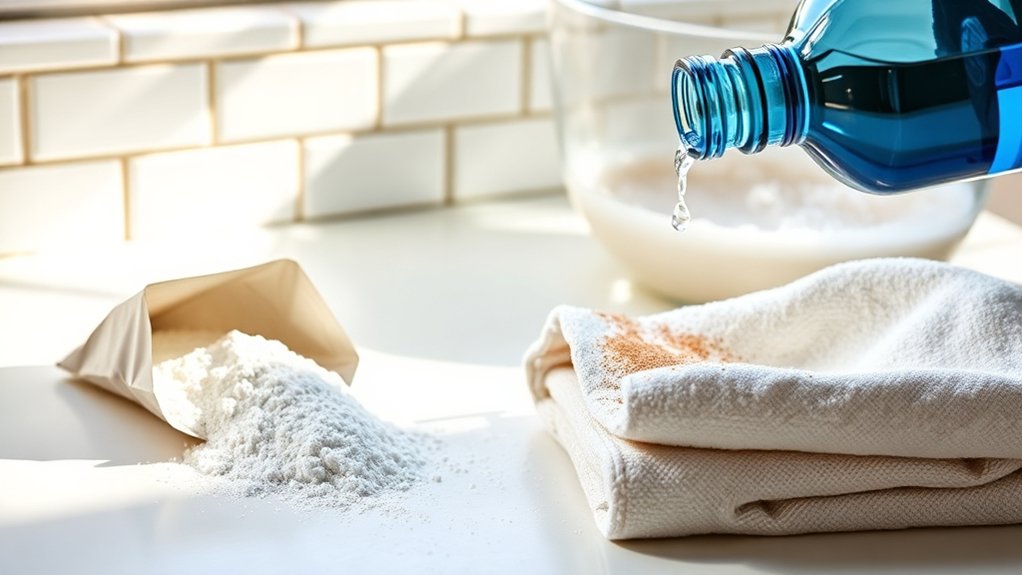
Which cleaner is better depends on the job. If you’re cleaning brewing equipment, PBW is often the more practical choice. It’s designed for brewery and winery gear, so you can use it on fermenters, kegs, tubing, and other washable equipment.
Check the product label and your equipment manufacturer’s care instructions before soaking anything.
For laundry, stained fabrics, or general household messes, OxiClean may suit you better. Its product range includes options for clothes and home surfaces, though you should choose the right formula and follow its label.
Test delicate or colored materials in an inconspicuous spot first.
Your budget, availability, and the surface you need to clean also matter. Compare package directions and intended uses, then pick the cleaner that fits your task.
Neither product is a universal winner; the best choice depends on what you’re cleaning.
How Do PBW and OxiClean Work?
PBW and OxiClean both use oxygen-based chemistry to help loosen stains and organic residue, but their formulas and intended uses differ. When you add either cleaner to water, alkaline ingredients help break down soils. Meanwhile, oxygen-releasing compounds support stain removal.
| Feature | PBW | OxiClean |
|---|---|---|
| Main action | Alkaline cleaning | Oxygen-assisted cleaning |
| Soil target | Organic residue | Stains and soils |
| Water effect | Softens deposits | Activates oxygen |
| Formula focus | Cleaner-specific blend | Consumer laundry blend |
PBW’s blend also includes ingredients that help lift deposits and keep loosened material suspended so you can rinse it away easily. OxiClean releases oxygen as it dissolves, which helps loosen colored stains and organic matter. Temperature, concentration, and contact time all affect how well these cleaners work.
Always follow each label’s directions and don’t mix either product with other cleaners because incompatible chemicals can create hazards. You’ll get the intended action by preparing each solution as directed.
Is PBW or OxiClean Better for Brewing Gear?
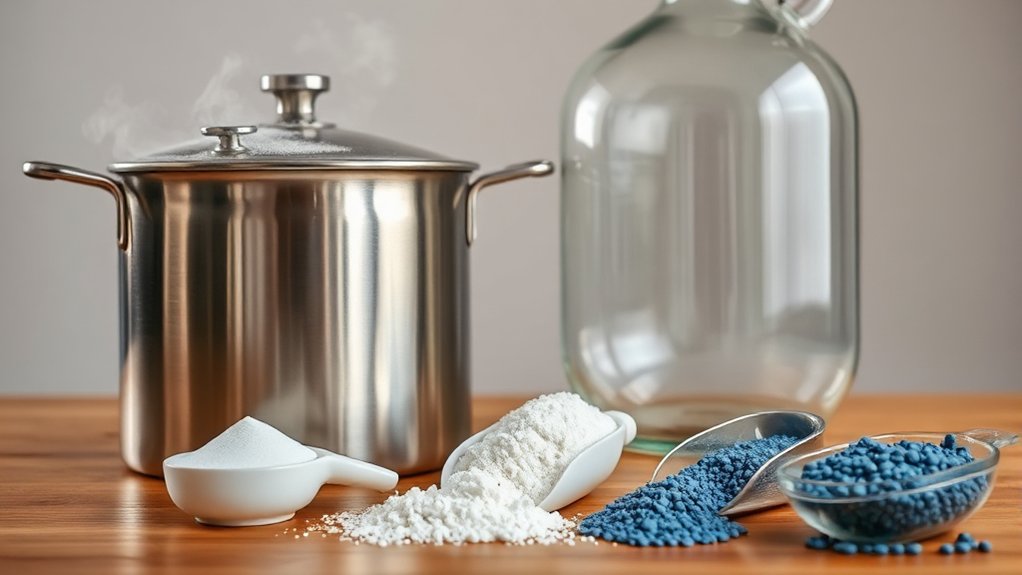
When you’re deciding between PBW and OxiClean for cleaning your brewing gear, it’s good to think about how well each one tackles grime.
You want something that gets your equipment really clean without leaving stuff behind. Residue is a big deal because it can impact not just your gear but also the taste of your beer.
So, you’ll want to consider how easy it’s to rinse each cleaner off completely.
At the end of the day, the best choice depends on what kind of cleaning you need to do and how much effort you’re willing to put into rinsing.
Both can work well, but it really comes down to your specific situation.
PBW vs. OxiClean
For brewing gear, PBW is usually the better choice for tough, dried-on residue. OxiClean can work well as a lower-cost cleaner for routine jobs. Your choice depends on your budget, cleaning habits, and equipment.
| Consideration | PBW | OxiClean |
|---|---|---|
| Best fit | Brewing equipment | General cleaning |
| Cost | Usually higher | Often lower |
If you brew often or clean fermenters, kettles, and tubing, PBW’s brewing-focused formulation may suit your routine. You’ll also find it convenient when you want a product designed with brewery use in mind.
OxiClean can make sense when you already have it at home and need an economical option for occasional cleaning. Check the product label before using any cleaner on brewing equipment, and rinse items thoroughly according to its directions.
Neither product replaces proper sanitizing before your next brew. Consider your gear, frequency, and budget, then choose the cleaner that fits your process.
Cleaning Power and Residue
How well do these cleaners handle stubborn brewing residue? PBW’s alkaline formula breaks down dried wort, krausen, and hop oils, so you can tackle deposits on fermenters, kettles, and tubing with less scrubbing.
It also rinses clean when you follow the dilution and soak directions, helping prevent cleaner film from affecting later batches.
OxiClean can lift organic stains and grime, too, but its performance depends on the product. Fragrance-free versions are preferable for brewing equipment; scented additives may leave odors behind.
You’ll also want to rinse thoroughly, since lingering powder or residue can create unwanted flavors or foam.
For either cleaner, warm water and adequate contact time improve results.
Don’t mix products, exceed label directions, or assume a longer soak always cleans better; inspect surfaces and rinse until they feel clean.
Best Choice for Brewing Gear
For routine brewing cleanup, PBW is usually the better choice. It’s designed to remove wort, krausen, and hop residue from brewing equipment.
If you brew often, its purpose-built formula and compatibility with common brewing materials make it a dependable cleaner.
OxiClean can work for general cleaning, but choose an unscented version and check its label before using it on your gear.
- For kettles and fermenters: Use PBW at the label’s recommended concentration and temperature.
- For stubborn deposits: Soak equipment, then scrub gently; don’t rely on cleaner alone.
- For OxiClean: Avoid scented or additive-rich products that could leave unwanted residues.
- Before brewing: Rinse thoroughly, inspect surfaces, and sanitize equipment separately.
PBW costs more, but you’re paying for a cleaner tailored to brewing soils.
For regular use, it’s the simpler choice. OxiClean may suit occasional, budget-conscious cleaning when you verify the product and rinse carefully.
Which Is Better for Laundry and Home Stains?
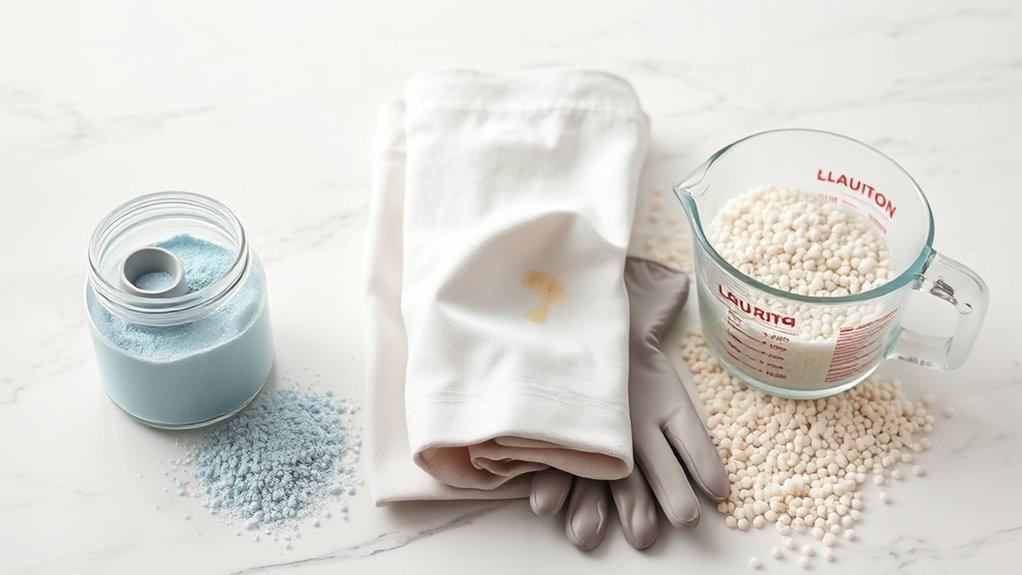
When it comes to laundry stains, you’ll want to see how well PBW and OxiClean can lift those common marks from your fabric.
It’s pretty helpful to test them out on different household surfaces too, like sinks or countertops.
Really, the best choice depends on the types of stains you’re dealing with and where you plan to use the cleaner.
Laundry Stain Removal
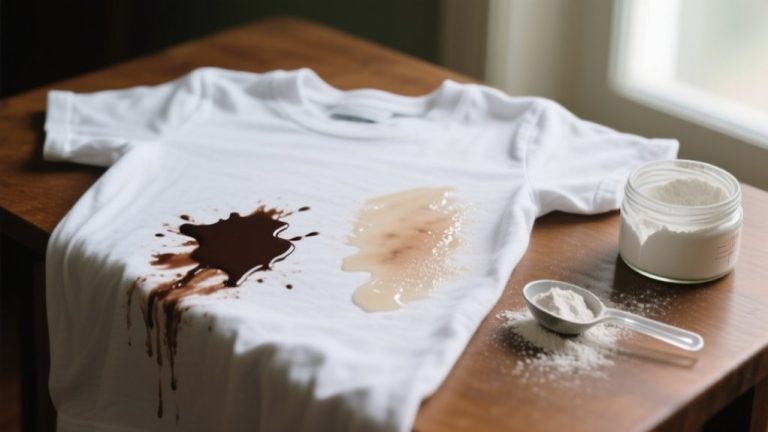
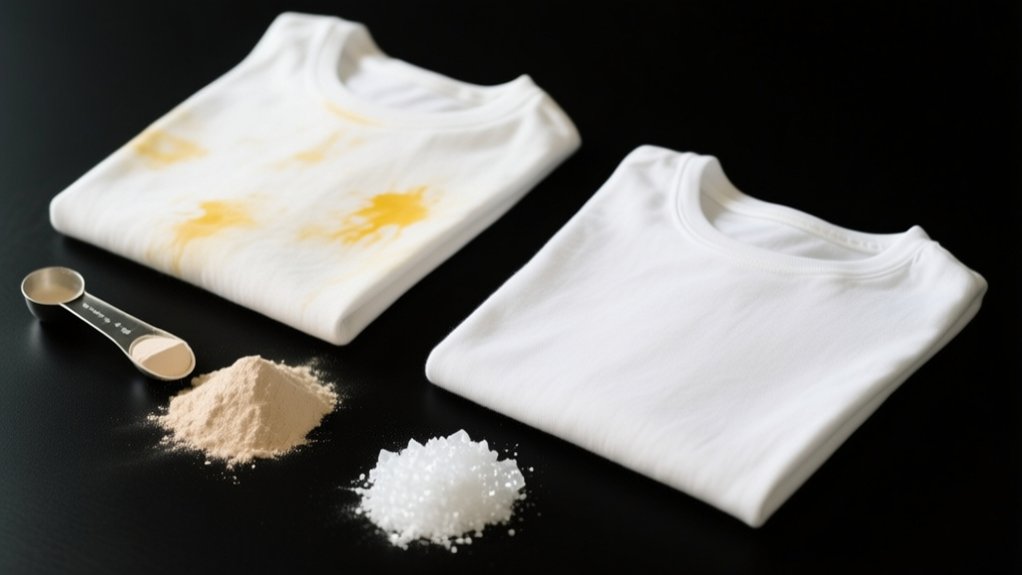
When laundry stains set in, the better choice depends on the fabric and the mess. OxiClean’s oxygen-based stain remover is formulated for laundry, helping you tackle food, grass, and everyday grime.
PBW, a brewery cleaner, can loosen stubborn organic residue, but it isn’t a laundry detergent or a fabric-specific stain treatment. Check its label before using it on clothing, and test any solution on a hidden area first.
- Choose OxiClean for routine clothing stains when the care label permits oxygen bleach.
- Consider PBW cautiously for a tough, washable item only if its directions support that use.
- Treat promptly: remove excess, soak as directed, then wash with detergent.
- Protect fabrics: avoid unsuitable materials, follow garment instructions, and don’t dry until the stain lifts.
For most laundry, OxiClean is the clearer fit.
Household Cleaning Performance
OxiClean is the better fit for laundry and many household stains because it’s designed for fabric care, while PBW targets brewing equipment and stubborn organic residue.
For clothes, carpets, and washable upholstery, you can use OxiClean according to its label to lift many food, grass, and everyday stains. Test colorfastness first, and follow care instructions to protect delicate fabrics.
PBW can remove tough organic buildup from compatible hard surfaces, but it isn’t a general-purpose laundry product. You shouldn’t assume it’s safe for clothing, carpets, or household finishes. Check its label and test surfaces before use.
For kitchen or bathroom stains, OxiClean may help when the surface and product directions allow it, but it won’t replace a cleaner formulated for every material.
Choose OxiClean for routine fabric stains; reserve PBW for suitable equipment and residue.
Cost, Safety, and Material Compatibility
Cost and compatibility can matter as much as cleaning power when choosing between PBW and OxiClean. Compare the price per use, not just the package price. PBW often costs more upfront, while OxiClean may offer a lower-cost option. Your results depend on dosage, water temperature, and how much product each job requires.
- Check labels for recommended dilution and follow them; concentrated solutions can irritate skin and eyes.
- Wear gloves, avoid splashes, and keep both powders away from children and pets.
- Don’t mix either cleaner with bleach, acids, or other chemicals. Reactions can release harmful gases.
- Test an inconspicuous spot first, especially on aluminum, painted surfaces, or delicate finishes, and rinse thoroughly.
Material response varies by formulation and exposure time, so verify manufacturer guidance before soaking valuable items or equipment.
Choose the Right Cleaner for Each Task
Match the cleaner to the job: PBW is formulated for brewery equipment and stubborn organic residue, while OxiClean can suit general laundry and household cleaning.
If you’re cleaning fermenters, kegs, brewing tools, or bottles, choose PBW to loosen dried yeast, protein, and other brewing soils.
Follow the label’s dilution, temperature, and contact-time directions, then rinse thoroughly.
For clothes, linens, and compatible household surfaces, OxiClean may be the more practical choice.
Check its label for approved uses, fabric restrictions, and mixing instructions; test an inconspicuous area when you’re unsure.
Don’t assume either product works for every material or stain.
Avoid mixing cleaners, and wear any protective gear the product label recommends.
When a task falls outside the stated uses, select a cleaner specifically designed for that surface or soil.
Frequently Asked Questions
Can PBW and Oxiclean Be Mixed Together?
You can usually mix PBW and OxiClean, but you shouldn’t assume the combination is safer or more effective.
Both are alkaline, oxygen-based cleaners, and their formulas vary, so mixing may cause excess foaming or unpredictable results.
Use each product according to its label, and don’t combine either with chlorine bleach, acids, or other cleaners.
If you choose to combine them, test a small amount first, wear gloves, and guarantee good ventilation.
How Should Leftover Cleaning Solution Be Disposed Of?
Treat leftover cleaner like a guest who’s overstayed: send it out safely, not down the drain by default.
Check the product label and your local wastewater rules first, since PBW and OxiClean formulations vary.
If the label permits drain disposal, dilute the solution with plenty of water and flush it as directed.
Otherwise, seal it in its original container and take it to a household hazardous-waste collection site.
Never mix it with other cleaners.
Do PBW and Oxiclean Have Expiration Dates?
Yes, both PBW and OxiClean can lose effectiveness over time, though their labels may not list a firm expiration date.
Check the package for a date or manufacturer guidance.
Keep either product tightly sealed in a cool, dry place since moisture and heat can reduce performance.
If your powder has hardened, changed appearance, or no longer cleans well, replace it.
Don’t use a mixed cleaning solution that’s been sitting around; prepare a fresh batch instead.
Can Either Cleaner Damage Septic Systems?
Either cleaner can affect your septic system if you use too much, but normal household amounts are generally considered safe.
OxiClean’s oxygen-based formula breaks down into substances that are less concerning for septic bacteria.
PBW is alkaline and may disrupt the system in large doses. You’ll protect your tank by following each label, avoiding repeated heavy use, and never pouring concentrated cleaner into a drain.
If your system’s sensitive, check with its manufacturer.
Where Can You Buy PBW and Oxiclean in Bulk?
Like a town crier with a smartphone, you can find bulk PBW at homebrewing supply shops, brewery suppliers, and online retailers such as MoreBeer or Amazon.
For OxiClean, check warehouse clubs, janitorial supply stores, restaurant-supply shops, and online marketplaces. Larger tubs or multipacks often offer better value.
Compare the price per pound, shipping costs, and package size before you buy.
If you need commercial quantities, contact the manufacturer or a local distributor directly.
Conclusion
Choose PBW for stubborn residue on brewing gear; its targeted cleaning power helps protect your equipment and keep it ready for the next batch.
Reach for OxiClean when laundry or household stains need attention. It’s the more versatile everyday workhorse. Always check the label, material compatibility, and safety directions before you begin.
Think of them as different tools in your cleaning toolbox: pick the right one for the mess, and you’ll make cleaner work of the job.