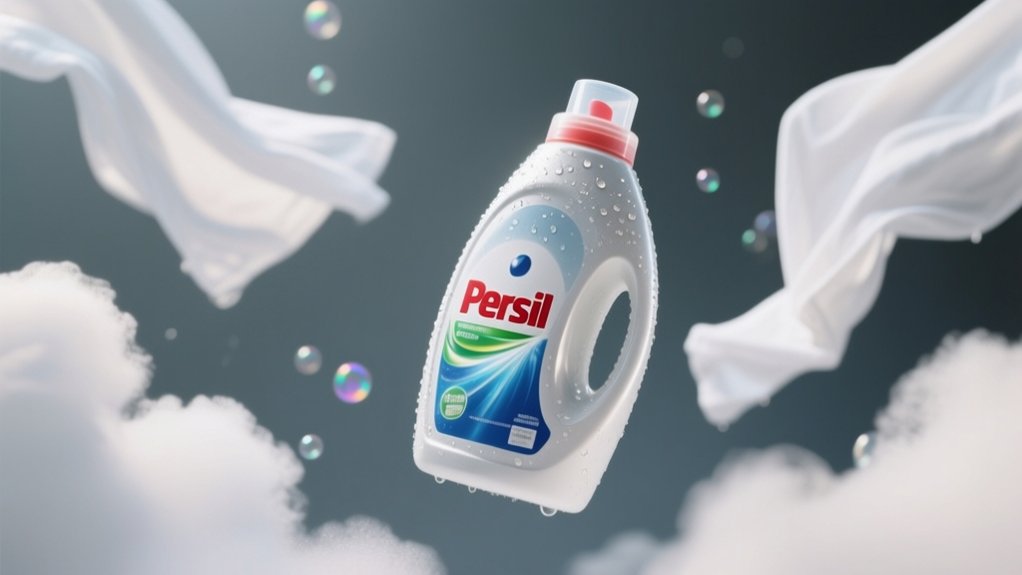
What Is So Special About Persil? – Meaning & More
Persil stands out for its German heritage, long history, and focus on tackling tough stains. Its name combines “perborate” and “silicate,” ingredients in the original formula, first introduced by Henkel in Düsseldorf in 1907.
Modern Persil detergents use enzymes to break down stains and surfactants to lift dirt from fabric, though formulas vary by country and laundry needs. If you’re curious about how Persil evolved and which products may suit your laundry, there’s more to discover.
What Does the Persil Name Mean?
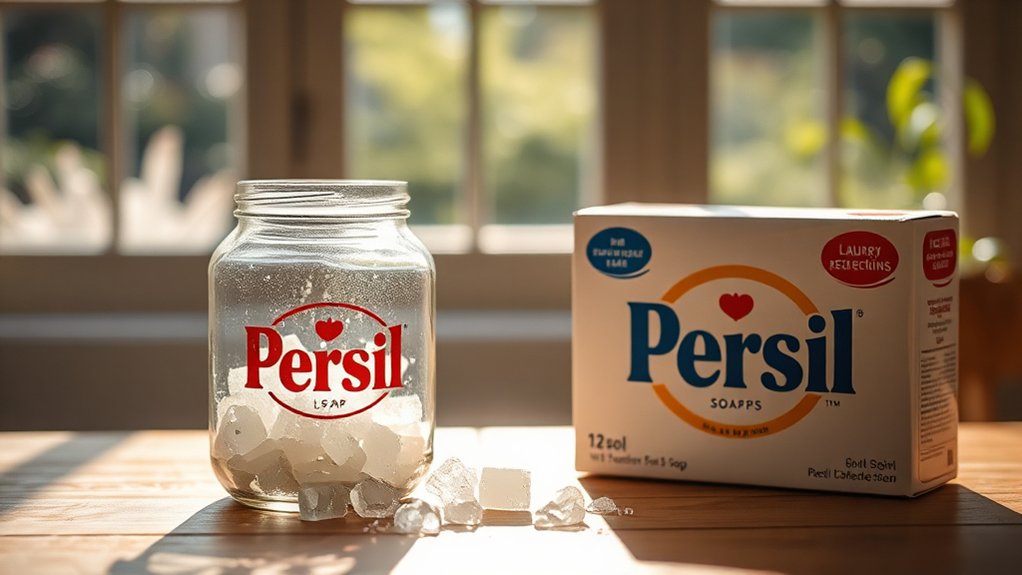
You can read “Persil” as a blend, not as a regular word with a separate dictionary meaning. Its spelling joins the opening syllables of *perborate* and *silicate*, trimming both terms into one short label.
That combination made the name easy to recognize and tied it directly to the product’s ingredients.
Today, you may know Persil as a laundry detergent brand, but its name still reflects the chemical components behind its original formulation.
When and Where Was Persil First Made?
Persil first appeared in 1907, when the German company Henkel launched it in Düsseldorf. You can trace its beginnings to a time when washing clothes demanded considerable effort.
Henkel developed the product at its Düsseldorf site, introducing it as a detergent for household laundry. Its early formula combined ingredients that gave the brand its name: perborate and silicate.
That launch marked the start of a product history you can follow across more than a century.
- Year: Henkel introduced Persil in 1907.
- City: The launch took place in Düsseldorf, Germany.
- Company: German manufacturer Henkel created the detergent.
- Purpose: Persil served household laundry needs.
- Name: Its early ingredients, perborate and silicate, inspired the name.
From this local beginning, Persil became a long-running name in laundry care.
What Makes Persil Stand Out From Other Detergents?
While many detergents promise clean clothes, Persil stands out for its long history, evolving formulas, and focus on removing tough stains. When you choose it, you’re choosing a brand that has adapted to changing laundry needs rather than relying on a single, unchanged recipe.
Persil offers different formats and product lines, so you can select an option that suits your washing machine, routine, and preferences. Its reputation also gives you a familiar choice across many markets, though the available products can vary by location.
The brand’s emphasis on performance appeals to you when you want dependable results without adding unnecessary steps to laundry day.
Persil’s combination of heritage, variety, and ongoing development helps distinguish it from detergents that compete mainly on price or basic convenience.
You can compare labels to find your best fit.
How Does It Remove Tough Laundry Stains?
Persil works by using enzymes that break down the stains you get on your clothes. It goes straight for those stubborn marks, making it easier for you to deal with spills and grime.
Plus, its cleaning agents lift dirt right out of the fabric fibers, so you can wash it all away without a fuss.
Enzyme-Powered Cleaning
When a tough stain clings to your clothes, enzymes help break it down. Persil’s enzyme-powered cleaning uses specialized proteins to target different stain components. These enzymes work during washing, helping detergent lift soil from fabric so water can carry it away.
You’ll find that each type performs a distinct job:
- Proteases break down protein-based residue, such as food or sweat.
- Amylases act on starches from foods like pasta and potatoes.
- Lipases target fats and oils that can cling to fibers.
- Cellulases help release tiny particles and refresh fabric’s surface.
- Enzymes work alongside surfactants, which help loosen and suspend soil.
For best results, follow the care label and detergent instructions. Choose a suitable wash cycle, and give the detergent enough time to work. This teamwork helps clean everyday laundry effectively.
Targeting Stubborn Stains
Enzymes help tackle common stain components, while surfactants loosen soil so it can rinse away. When you face stubborn marks, Persil’s targeted formula can help break down residues from food, grass, sweat, and other everyday messes.
Different enzymes work on different stain materials: proteases address protein-based marks, amylases act on starchy spills, and lipases help with greasy spots. This combination gives you support against mixed stains that a single cleaning agent may not handle as effectively.
For best results, treat the stain promptly and follow the care label on your garment. Use the recommended amount of detergent, choose a wash temperature suitable for the fabric, and check the mark before drying.
Heat can set some stains, so repeat treatment if needed. You’ll get more reliable results by matching care to the stain and fabric.
Lifting Dirt From Fibers
Surfactants lift dirt from fabric by loosening its grip on fibers and suspending it in wash water, where it can rinse away. When you wash with Persil, its cleaning ingredients help water spread through fabric, reach oily soil, and separate grime from threads.
Enzymes can also break down specific stain components, like proteins or starches, making them easier to remove. For best results, follow the care label and detergent directions.
Surfactants surround oily particles so they don’t settle back onto clothes. Enzymes target certain food, sweat, and body stains. Warm water may help some formulas work, but check garment instructions.
Pretreating a tough mark gives detergent more time to act. Rinsing carries loosened soil away, helping prevent residue.
Use the recommended dose; too much detergent can leave buildup, while too little may not clean effectively.
Why Does Persil’s Formula Change by Country?
Why does Persil’s formula vary from country to country? Your local version reflects the conditions, rules, and washing habits in your market.
Water hardness differs by region, so Persil may adjust ingredients to help detergent work effectively in local water. Climate and common laundry routines can also influence how a formula performs, including how it dissolves and rinses.
Water hardness, climate, and laundry habits can shape how Persil’s formula dissolves, rinses, and cleans in your market.
Each country sets its own standards for detergent ingredients, labeling, and environmental impact. Persil must meet those requirements before it can sell a product there.
The brand may also adapt formulas to local preferences, such as scent or cleaning expectations. As a result, a Persil product sold abroad mightn’t have exactly the same ingredients or performance claims as the one you buy at home.
Check your package’s label for the formula and directions specific to your market.
Which Persil Products Suit Different Laundry Needs?
Because Persil formulas vary by market, the best choice depends on your laundry needs and the options available locally. Check the label for fabric guidance, dosage, and care instructions before you buy.
You can match a product to your routine:
Everyday loads: Choose a standard detergent for mixed, regularly soiled clothing.
Stubborn stains: Look for a stain-focused formula, and pretreat marks when the label recommends it.
Sensitive skin: Select a fragrance-free or sensitive-skin option if available; follow its directions.
Cold washes: Pick a formula labeled for low-temperature cycles to help clean efficiently.
Convenience: Use capsules for premeasured doses, or liquid detergent when you want flexibility for pretreating.
Your water hardness, washer type, and load size also affect results.
Use the package’s dosing chart rather than adding extra detergent.
How Did Persil Become a Global Brand?
To understand how Persil became a global brand, let’s start with its roots in Germany. It all began there, where innovation played a key role in making the detergent stand out.
Plus, memorable advertising helped get people’s attention. From there, you can follow its journey as it expanded into markets all around the world.
German Origins
Persil began in Germany in 1907, when Henkel introduced one of the first self-acting laundry detergents. Its name combined two key ingredients: perborate and silicate. For you, this German origin explains how a household product grew beyond its home market.
Henkel built a recognizable brand, then expanded Persil’s reach across borders. As the detergent entered new countries, local companies and licensing arrangements helped it connect with different consumers.
You can trace its international growth through several milestones:
- Henkel launched Persil in Germany.
- The name reflected its original ingredients.
- The brand established a strong home-market presence.
- International expansion introduced Persil to new households.
- Regional partnerships supported distribution in additional markets.
Persil’s German roots remain central to its identity, even as the brand has become familiar to shoppers worldwide.
Innovation And Advertising
Building on its German roots, Persil became a global brand through product innovation and memorable advertising. You can trace its appeal to a simple promise: cleaner laundry with less effort. Early advances in detergent chemistry helped Persil stand out, while ongoing improvements kept pace with changing washing habits.
As washing machines entered more homes, the brand developed products suited to modern routines, including formulas designed for different fabrics and temperatures.
Advertising made those benefits easy for you to recognize. Persil used clear messages, distinctive packaging, and memorable campaigns to connect its name with bright, fresh clothes. Rather than relying only on technical claims, its promotions showed how the product could improve everyday laundry.
Consistent branding built familiarity and trust, helping Persil earn a place in households and become known well beyond its original market.
International Expansion
As Persil’s reputation grew, its parent company, Henkel, introduced the detergent to markets beyond Germany. You can trace its international growth through local partnerships, tailored products, and consistent branding. Rather than relying on one formula everywhere, Henkel adapted Persil to regional washing habits and consumer needs, helping you recognize the name while finding products suited to your market.
Henkel expanded Persil into neighboring European countries, building on its German success. Local production and distribution helped the brand reach more households. Regional formulas addressed differences in water, fabrics, and washing routines. Advertising gave Persil a recognizable identity across markets.
Later launches and partnerships extended its reach beyond Europe. Persil’s international presence didn’t happen overnight. Henkel combined product development with market knowledge, letting you encounter the brand in different forms. That strategy helped Persil become a familiar name across borders while preserving its association with effective laundry care.
Frequently Asked Questions
Is Persil Safe for Sensitive Skin?
Persil can be safe for sensitive skin, but your reaction depends on the formula and your individual sensitivities.
Choose a fragrance-free, sensitive-skin detergent if available, and follow the label’s dosing instructions.
Use an extra rinse to remove residue, and avoid fabric softener if it irritates you.
Before washing a full load, test the detergent on a few items.
If you develop itching, redness, or a rash, stop using it and consult a healthcare professional.
Can Persil Be Used in High-Efficiency Washing Machines?
Yes, Persil can be used in high-efficiency (HE) washing machines, but choose a product labeled “HE.” The label is your green light because HE detergents create fewer suds, helping your washer clean efficiently and rinse properly.
Add the amount shown on the package since HE machines use less water and too much detergent can leave residue.
Also, check your washer’s manual and follow its instructions for the detergent dispenser and recommended dose.
How Much Persil Detergent Should I Use per Load?
Use the dose shown on your Persil package, since the right amount depends on the product, load size, soil level, and water hardness.
For a typical load, start with the standard dose marked on the measuring cap or dosing guide.
Use less for a small or lightly soiled load and more for a large, heavily soiled load or hard water.
Don’t exceed the package directions; extra detergent can leave residue.
Is Persil Detergent Tested on Animals?
Persil’s animal-testing policy depends on the country and product, so you should check the packaging or contact the local manufacturer for the latest details.
Henkel, Persil’s parent company, says it doesn’t conduct or commission animal tests for cosmetics, but detergent rules differ by market, and some ingredient testing may be legally required.
If you want to avoid animal-tested products, look for a current cruelty-free certification rather than relying on broad company statements alone.
How Should Persil Be Stored Safely?
Store Persil in its original, tightly closed container, in a cool, dry, well-ventilated place.
Keep it out of direct sunlight and away from heat, food, and drinks.
You should place it where children and pets can’t reach it, ideally in a locked cupboard.
Don’t transfer detergent into drink bottles or mix it with other cleaners.
Always follow the product label, and wash your hands after handling detergent or cleaning up spills.
Conclusion
Persil’s name began as a shorthand for its ingredients, but it now carries more than a century of cleaning history. Its stain-fighting formulas, regional variations, and range of products help you find a wash for your laundry needs.
Of course, no detergent can make laundry disappear. Persil’s achievement is making the chore feel less like a punishment. You still have to sort, load, and fold, but at least the stains don’t get the last word.