How To Strip Laundry With Oxiclean – Pro Tips
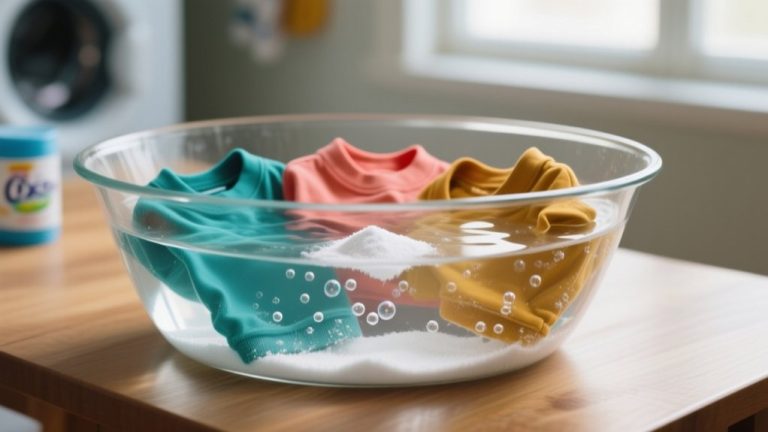
To strip laundry with OxiClean, dissolve the package-recommended amount in warm water in a clean tub. Check care labels first, test colors in a hidden spot, and soak only sturdy, colorfast fabrics such as cotton towels or sheets.
Keep items submerged for the label’s suggested time, then rinse thoroughly and wash with detergent, skipping fabric softener. Never mix OxiClean with chlorine bleach or ammonia, and avoid wool, silk, leather, and dry-clean-only items.
A few precautions can help you get cleaner results.
When OxiClean Laundry Stripping Helps

OxiClean laundry stripping can help when towels, sheets, or workout clothes still smell musty or feel coated after regular washing. Those signs may point to detergent, fabric softener, body oil, or mineral residue that routine cycles haven’t removed. A soak can loosen buildup and leave items feeling fresher, especially if you’ve used more detergent than needed or washed loads in hard water.
Consider stripping as an occasional reset, not a replacement for everyday laundering. If odors persist despite proper washing and drying, check your washer for residue and make sure loads aren’t overcrowded.
Stripping won’t fix every cause of lingering smells, and repeated treatments can wear down textiles. Use it when buildup seems likely, then adjust your normal routine: measure detergent carefully, skip excess softener, and let laundry dry fully.
These steps can help keep residue from returning.
Which Fabrics Are Safe to Strip?
You can usually strip sturdy cotton and linen items without any trouble.
Durable synthetic fabrics might also handle the process well, but it’s a good idea to check their care labels first.
On the other hand, try to avoid stripping delicate fabrics since they can shrink, stretch, or lose their finish.
Cotton and Linen
Because cotton and linen are durable natural fibers, they’re generally safe to strip with OxiClean. You can use this method on sturdy items like towels, sheets, washcloths, and plain cotton or linen clothing.
Just check each care label first, since dyes, finishes, or delicate construction can make an otherwise sturdy item vulnerable to fading or damage.
Before soaking, test a hidden spot with your cleaning solution and watch for color changes.
Separate whites from colors, and don’t strip garments that say “dry clean only.” Use warm water only when the label allows it; hot water may shrink cotton or linen.
Follow OxiClean’s package directions, and avoid mixing it with chlorine bleach or other cleaners.
After soaking, rinse thoroughly and wash the items as usual. If you’re unsure about a piece, skip stripping it.
Durable Synthetic Fabrics
Some durable synthetic fabrics, such as polyester and nylon, can also tolerate OxiClean stripping. Check each care label first, since finishes, dyes, and blends affect how a garment responds. Use the warmest water the label allows, and follow OxiClean’s package directions. Don’t assume every synthetic item can handle a long soak.
| Fabric | Strip? | Check first |
|---|---|---|
| Polyester | Usually | Heat limit |
| Nylon | Often | Dye stability |
For best results, test a hidden area with your solution and watch for color changes. Keep the soak within the product’s recommended time, then rinse thoroughly and wash as usual. If you’re treating a blend, use the gentlest care instructions listed for any fiber in it. This helps you clean durable synthetics without risking shrinkage, fading, or damage to their performance features.
Delicate Fabrics to Avoid
Silk, wool, lace, and other delicate fabrics are best left out of an OxiClean stripping soak. It can damage fibers, weaken finishes, or cause fading and shrinkage.
You should also avoid stripping leather, suede, cashmere, and garments labeled dry-clean only. Their fibers or construction may not tolerate prolonged soaking, hot water, or alkaline cleaners.
Check each care label before treating an item. If you’re unsure about a fabric blend, test a hidden spot with a diluted solution and rinse it promptly. Don’t proceed if you notice color loss, texture changes, or damage.
For delicate pieces, follow the label’s cleaning instructions instead.
Use a gentle detergent and cool water when hand-washing is permitted, and avoid twisting or scrubbing. You’ll protect fragile fibers by skipping laundry stripping altogether.
Protect Fabrics During OxiClean Stripping
To protect your laundry, start by checking each garment’s care label before you strip it.
It’s a good idea to test colored items for colorfastness in a hidden spot first.
Also, try not to soak fabrics longer than necessary because leaving them in too long can cause damage.
Check Fabric Care Labels
Before you start, check each item’s care label to make sure it can handle soaking and oxygen bleach. Don’t assume every washable garment suits a long soak; follow the label’s limits for water temperature, bleaching, and cleaning methods.
If a tag says “dry clean only,” skip stripping and consult a professional.
When a label is missing or unclear, treat the fabric cautiously rather than risking damage.
Look for these details before preparing your OxiClean soak:
- Bleach symbol: A crossed-out triangle means don’t use bleach.
- Water temperature: Keep the soak within the stated limit.
- Hand-wash instructions: Avoid a vigorous laundry process.
- Dry-clean-only wording: Don’t soak the item at home.
- Delicate-fabric warnings: Protect wool, silk, leather, and trim.
Sort out unsuitable pieces first, and follow the product directions for items whose labels permit oxygen bleach.
Test Colors First
After setting aside fabrics that can’t tolerate the soak, test colorfastness on the rest.
Choose a hidden spot, such as an inside seam or hem, and mix a small amount of OxiClean solution at the same strength you plan to use.
Dab the spot with a clean white cloth, then check the cloth and fabric for transferred dye or fading.
Rinse the test area with cool water and let it dry before judging the result; wet fabric can hide color changes.
If you see bleeding, dullness, or uneven color, don’t strip that item with OxiClean.
Keep it separate from the load since loose dye can stain other pieces.
Test each color and garment type, even if similar items appear safe.
When in doubt, protect the fabric and skip the soak.
Limit Soaking Time
Even colorfast fabrics can weaken during a long soak, so follow the OxiClean package directions and use the shortest recommended time for your load.
Check the garment care labels first; delicate fibers, elastic, and finishes may not tolerate extended exposure. Don’t leave laundry soaking overnight or walk away without setting a timer. Instead, inspect items periodically and remove them as soon as the water looks dirty or the recommended time ends.
Use a timer to track the soak. Keep water at the temperature the label allows. Stir gently so every item gets even exposure. Lift out delicate pieces early if they look stressed. Rinse thoroughly, then wash as directed.
If stains remain, repeat only when the product label and fabric care instructions permit. A shorter, controlled soak helps limit wear while lifting buildup.
Check Care Labels and Gather Supplies
Check each garment’s care label to confirm it can handle soaking in warm water and oxygen bleach. Skip items labeled dry-clean-only or those made from wool, silk, or leather.
Also check for colorfastness, special finishes, and warnings about bleach. When labels are missing, choose a cautious approach and test a hidden area before treating the whole item.
Check for colorfastness, special finishes, and bleach warnings. If the label is missing, test a hidden area first.
Separate laundry by color and fabric type, and remove anything with metal details that could rust or snag other pieces.
Gather the supplies you’ll need: OxiClean, a clean tub or basin, a measuring scoop, and a long-handled utensil for moving garments.
Keep gloves nearby if you have sensitive skin, and use towels to protect the floor from splashes. Make sure your container is large enough for clothes to move freely without overflowing.
Mix the OxiClean Soaking Solution Safely
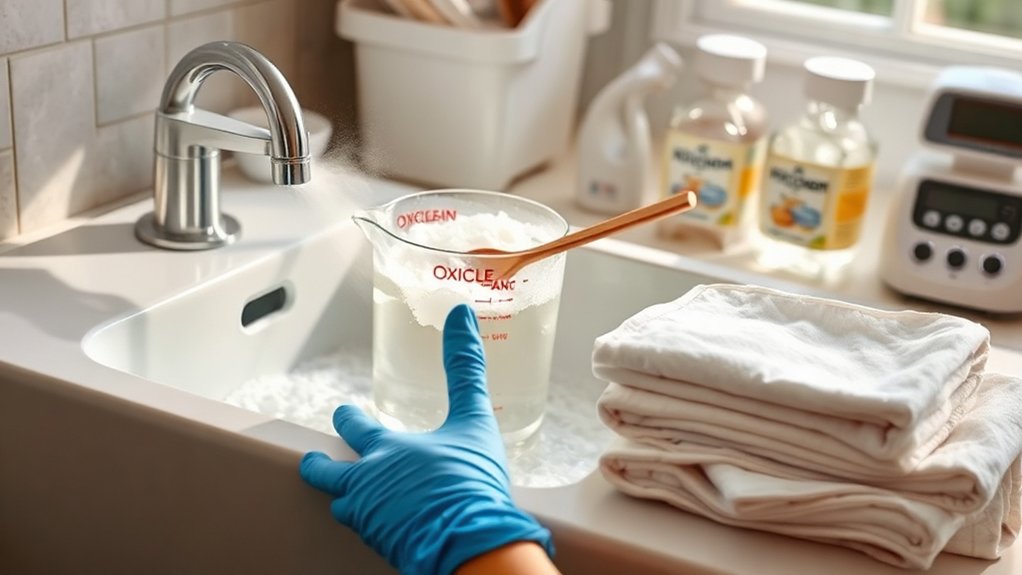
Once you’ve sorted the laundry and chosen a suitable tub, fill it with the warmest water the care labels allow.
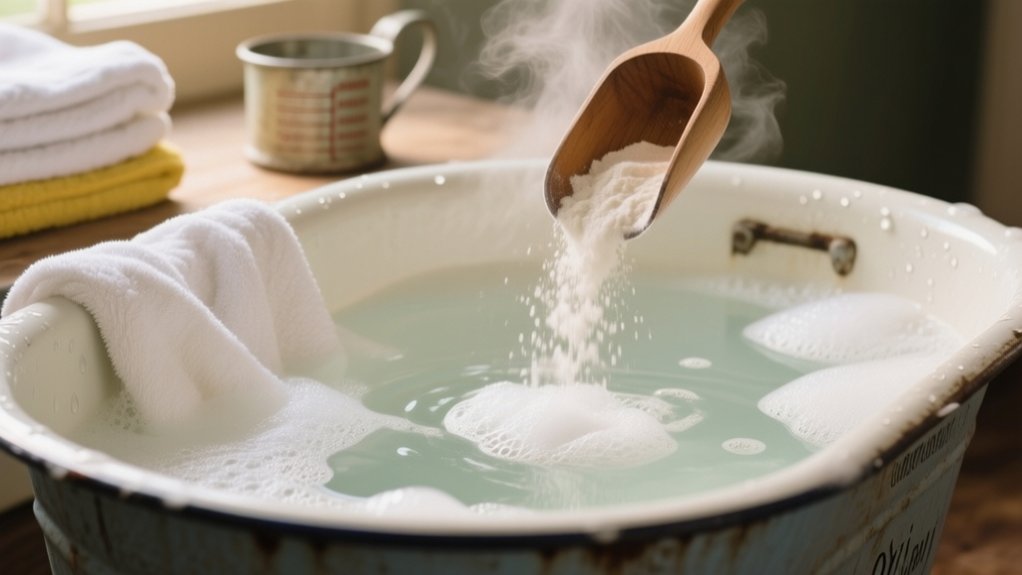
Check the OxiClean package for the correct amount; formulas and directions can vary. Measure carefully, then sprinkle the powder into the water while stirring until it dissolves. Don’t pour concentrated solution directly onto fabric.
Wear gloves if you have sensitive skin, and avoid breathing in powder. Keep the product away from children and pets.
Never mix OxiClean with chlorine bleach, ammonia, or other cleaners. Use a well-ventilated area, and avoid splashing the solution.
Don’t use a metal container; choose a sturdy plastic tub instead. Keep the scoop dry and return it to the package.
If powder gets in your eyes or on your skin, rinse thoroughly with water and follow the label’s first-aid guidance.
Soak Laundry for the Right Amount of Time
After the powder dissolves, submerge the laundry and start a timer. Keep every item fully underwater so the solution can reach all the fabric evenly.
Use a clean, nonreactive tub or basin, and don’t crowd it; divide a large load into smaller batches if needed.
Check the OxiClean package for the recommended soaking time, since product formulas and directions can vary. For many loads, a soak of several hours is enough, but don’t leave fabrics soaking overnight unless the label specifically allows it.
Set a timer to avoid losing track, and check the items occasionally.
If the water cools, that’s generally fine. Avoid adding hot water without checking care labels because heat can damage some fibers or set certain stains.
Keep children and pets away from the soaking container.
Rinse and Wash Stripped Laundry Thoroughly
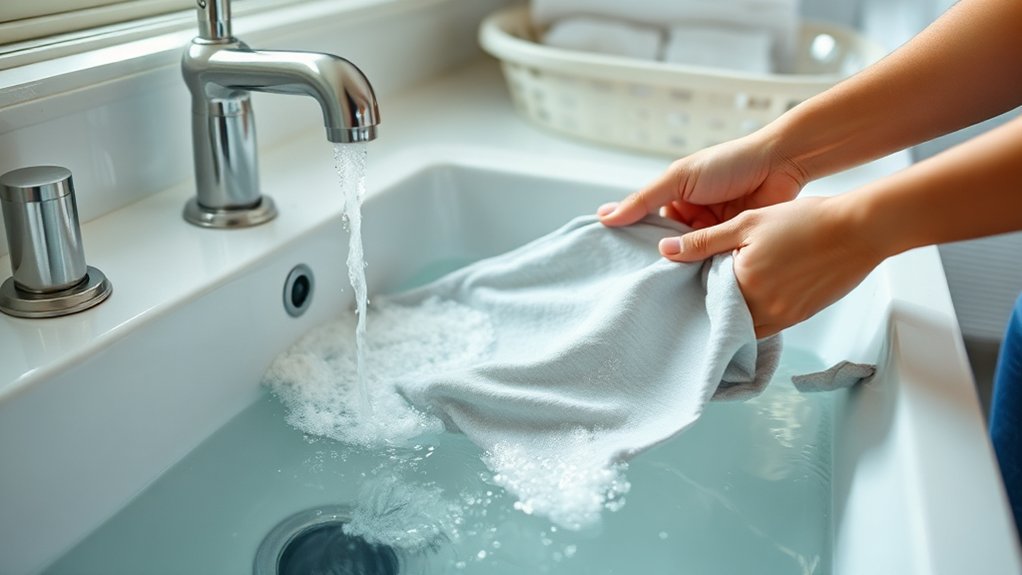
When the soak is done, lift each item out and rinse it under clean, cool water until the water runs clear and no residue remains. Don’t wring delicate fabrics; press out excess water gently instead.
Next, wash everything in your machine using the warmest water allowed by each garment’s care label. Add your usual detergent but skip fabric softener, which can leave a coating behind. Choose an extra rinse if your washer offers one, then check that no suds remain before drying.
For a thorough finish, remember to:
- Separate items by color and fabric weight.
- Leave enough room for clothes to move freely.
- Use the correct detergent amount for your load.
- Select a suitable cycle for each fabric.
- Air-dry or tumble-dry according to care labels.
Your laundry’s ready for regular use once it’s fully rinsed and dry.
Troubleshoot Common OxiClean Stripping Problems
If your laundry doesn’t look or feel clean after stripping, check for leftover residue, lingering odors, or color changes before trying again.
A slippery feel or white film often means detergent or OxiClean remains. Rinse the items again, then run a wash cycle without adding more cleaner.
A slippery feel or white film may signal leftover cleaner; rinse again, then wash without adding more.
If odors persist, wash with your usual detergent and dry everything completely; don’t add fragrance to mask smells.
If colors look faded or dye has transferred, stop stripping. Separate affected items, rinse them in cool water, and follow the garment care label.
OxiClean can damage some fabrics and finishes, so check labels and test a hidden area before treating a full load.
Don’t soak wool, silk, leather, or items marked dry-clean-only.
Use the recommended amount, warm water only when labels allow, and never mix OxiClean with chlorine bleach.
Frequently Asked Questions
How Often Should You Strip Laundry With Oxiclean?
Strip laundry with OxiClean only when buildup, odors, or dinginess persist. This is usually every few months at most, not as part of your regular wash routine.
You’ll often find that a good detergent and proper washing are enough.
Frequent stripping can wear down fibers, fade colors, and damage elastic. Check garment care labels, test colored items first, and avoid stripping delicate fabrics.
If clothes look and smell clean, you don’t need to strip them.
Can You Strip Laundry With Oxiclean in a Washing Machine?
Yes, you can strip laundry with OxiClean in a washing machine, but you’ll get better results with a top-loader that allows soaking.
Fill it with the hottest water safe for your fabrics, dissolve OxiClean according to its label, and add clean laundry.
Let items soak for several hours, then run a wash cycle and rinse thoroughly.
For a front-loader, use a separate tub for soaking; don’t overfill the dispenser or exceed product directions.
Does Oxiclean Laundry Stripping Remove Odors Permanently?
Will OxiClean stripping remove odors permanently? Not always. It can lift odor-causing residues from fabric, so your laundry may smell fresher after treatment.
But odors can return if sweat, oils, detergent buildup, or mildew remain. Or if the source persists, such as a dirty washer.
You’ll get better results by following the product label, rinsing thoroughly, drying items promptly, and cleaning your machine.
Don’t mix OxiClean with chlorine bleach or other cleaners.
Can You Combine Oxiclean With Laundry Detergent When Stripping?
Yes, you can combine OxiClean with laundry detergent when stripping, but make sure to follow each product’s label and use the recommended amounts.
Dissolve the OxiClean fully in warm water, then add detergent before soaking your colorfast items.
Don’t mix OxiClean with chlorine bleach, ammonia, or other cleaners.
Check garment care labels first, and avoid soaking wool, silk, leather, or items marked dry-clean only.
Rinse thoroughly, then wash as usual.
Is Oxiclean Laundry Stripping Safe for Septic Systems?
Yes, occasional OxiClean laundry stripping is generally safe for a properly maintained septic system when you use the product as directed.
OxiClean’s oxygen-based cleaner doesn’t contain chlorine bleach, but large amounts of any cleaner can disrupt the helpful bacteria in your tank.
Use the recommended dose, avoid repeated stripping sessions, and don’t pour leftover solution down a drain.
If your system’s delicate or you’re unsure, check with your septic professional first.
Conclusion
OxiClean laundry stripping can refresh sturdy, washable items when regular washing isn’t enough, but it isn’t right for every fabric or stain. Check care labels, use the product as directed, and rinse thoroughly. Never mix cleaners.
If a garment’s delicate, valuable, or uncertain, choose a gentler method instead. Treat stripping as an occasional reset, not a routine fix.
With careful choices, you’ll protect your clothes while helping them feel renewed, like opening a window to let fresh air into a stuffy room.