How Much Oxiclean Homebrew – Measuring Guide
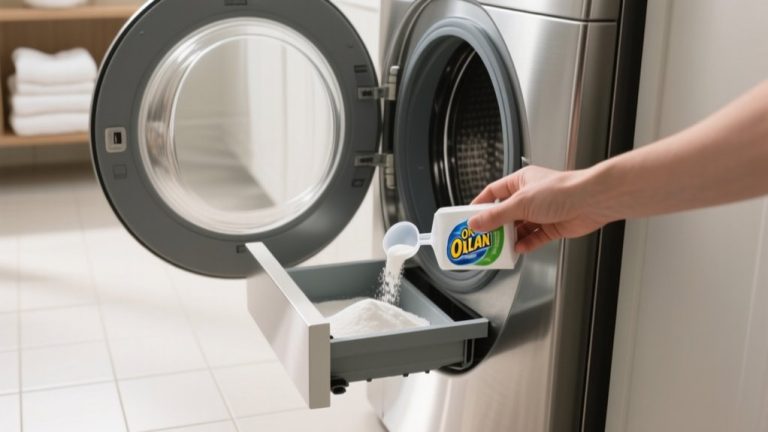
Use 1 to 2 tablespoons of OxiClean per gallon of warm water for homebrew equipment. Choose the lower amount for light residue and the higher amount for stubborn grime.
Measure by the water you’ll use, not your vessel’s capacity. And if your product’s label has different directions, follow those instead.
Wear gloves and eye protection. Never mix OxiClean with other cleaners, and rinse every surface thoroughly.
OxiClean cleans but doesn’t sanitize, so make sure to sanitize your brewing gear afterward. The steps below cover safe soaking and rinsing.
How Much OxiClean for Homebrew Cleaning?
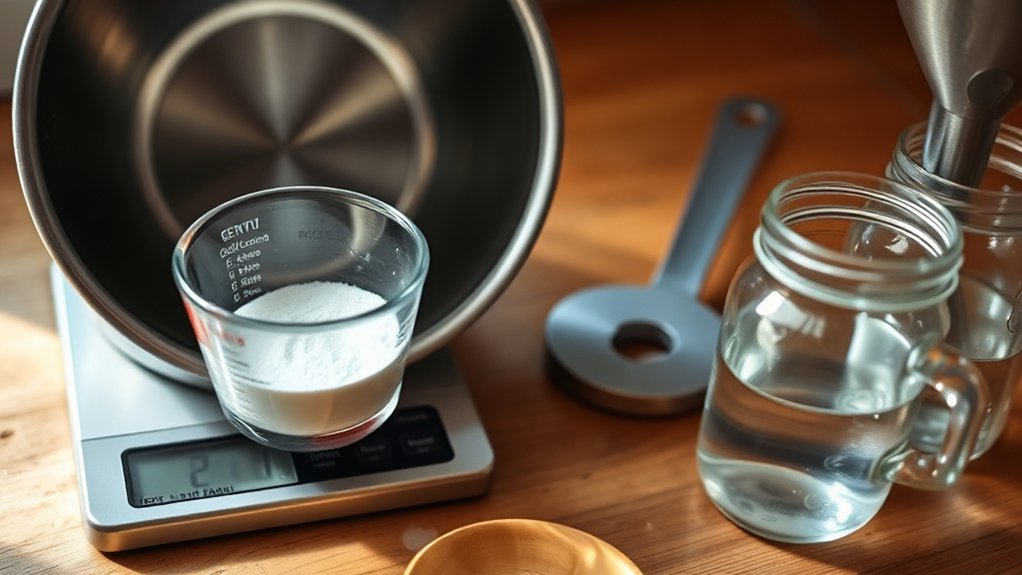
For homebrew cleaning, use 1–2 tablespoons of OxiClean per gallon of warm water. This range suits routine cleaning of brewing gear, including fermenters, buckets, tubing, and utensils.
Choose the lower amount for light residue and the higher amount for stubborn grime. Soak equipment long enough for deposits to loosen, then scrub any remaining film with a soft brush or cloth.
Use less cleaner for light residue and more for stubborn grime. Soak until deposits loosen, then gently scrub remaining film.
Rinse every surface thoroughly with clean water, since cleaner residue can affect your next batch’s flavor or fermentation.
Check your product label before use; formulas and directions can vary. Avoid mixing OxiClean with other cleaners or sanitizers, and don’t use it on materials the manufacturer says to avoid.
After cleaning, inspect your gear for residue or damage, and let it dry fully before storing or sanitizing it for brewing.
How Do You Measure OxiClean by Water Volume?
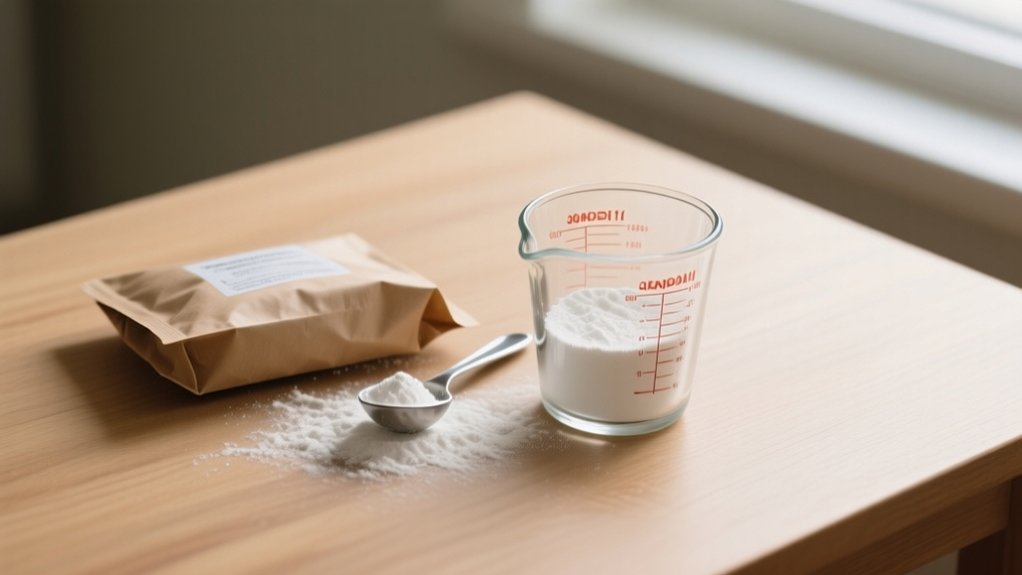
Measure OxiClean by the amount of water you’re cleaning, not by the size of your equipment. Check the product label first, since formulas and directions can differ. Use its stated dose per gallon or other volume, then scale that amount to your cleaning batch. For example, if the label calls for one scoop per gallon, use three scoops for three gallons.
Keep your calculation simple: measure the water volume you’ll use. Divide that volume by the label’s stated unit. Then multiply the result by the recommended dose.
If you’re cleaning only part of a vessel, base your dose on the water needed to cover the surfaces, not the vessel’s full capacity.
For unusually small or large batches, follow label guidance rather than guessing or relying on a fixed scoop size.
How Do You Mix OxiClean Safely?
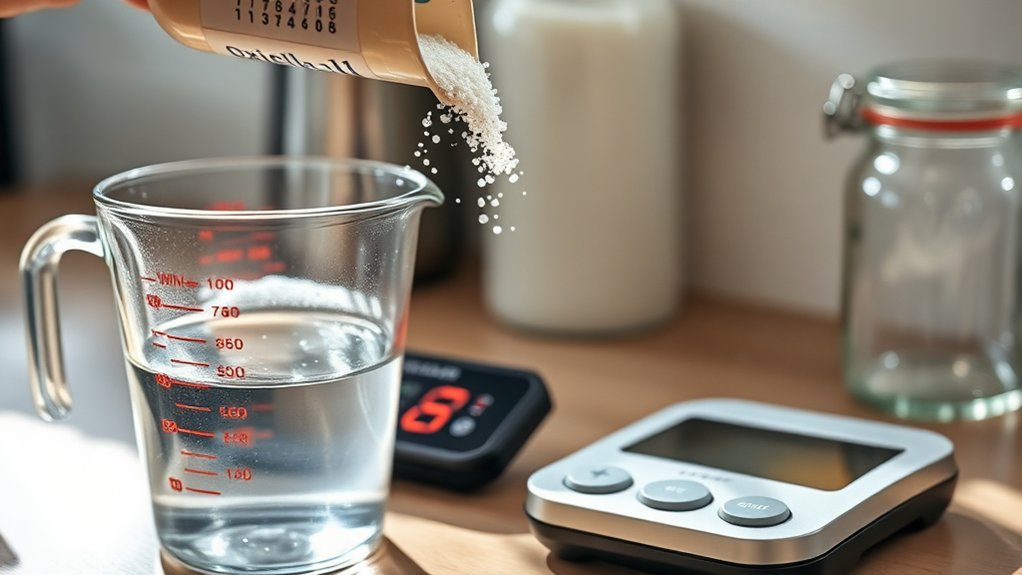
Before you start mixing OxiClean for homebrew, it’s a good idea to check the product label for directions and any precautions. This will help you use it safely and effectively.
Also, make sure to wear gloves and eye protection to protect yourself from any splashes.
And remember, never mix OxiClean with other cleaners—that can be dangerous. Just stick to the instructions, and you’ll be all set!
Check Product Instructions
How you mix OxiClean safely depends on the specific product, so check its label for the recommended amount, water temperature, and contact time.
Formulas and directions can differ, so don’t assume that a scoop size or recipe applies to every OxiClean product.
Read the full instructions before preparing a solution, and use the measuring method the label specifies.
Check these details before you mix:
- Amount: Follow the stated dose for your water volume and intended use.
- Water temperature: Use the temperature range listed; don’t substitute hotter water.
- Contact time: Keep the solution on the item only as long as directed.
If you’re using OxiClean for homebrew equipment, confirm that the product label supports your intended application.
Don’t add extra cleaner to make it stronger, and follow any rinsing directions after cleaning.
Protect Skin and Eyes
Once you’ve checked the label, protect your skin and eyes while mixing: wear gloves and safety glasses, and avoid splashes or breathing in dust.
Choose a well-ventilated area, and keep children and pets away from your workspace.
Pour the powder slowly and close to the water’s surface to limit airborne particles.
Don’t mix OxiClean with other cleaners, especially bleach or ammonia; combining products can release dangerous fumes.
If powder gets on your skin, brush it off, then rinse the area thoroughly with water.
If it reaches your eyes, flush them gently with clean water for at least 15 minutes and seek medical advice if irritation continues.
Wash your hands after handling the solution, even if you wore gloves.
Store the product sealed and dry, out of reach of children and pets.
Does Brewing Gear Need a Different OxiClean Dose?
Brewing gear generally doesn’t need a different OxiClean dose than other items. Follow the product label’s dilution instructions and adjust only if the cleaner’s manufacturer specifies otherwise. Your equipment’s material and soil level matter more than its brewing purpose.
Don’t assume that a stronger mix will clean better. Excess cleaner can leave residue or affect sensitive surfaces.
Keep these factors in mind when choosing a product and dose:
- Check that the label lists the product as suitable for your equipment’s materials.
- Use the stated concentration; don’t increase it just because residue looks stubborn.
- Choose a different cleaner if the label warns against a material found in your gear.
For delicate parts, seals, or specialty finishes, check the equipment maker’s guidance before using any cleaner.
If directions conflict, follow the more restrictive instruction to protect your gear and avoid unwanted chemical exposure.
How Do You Soak and Rinse Homebrew Equipment?
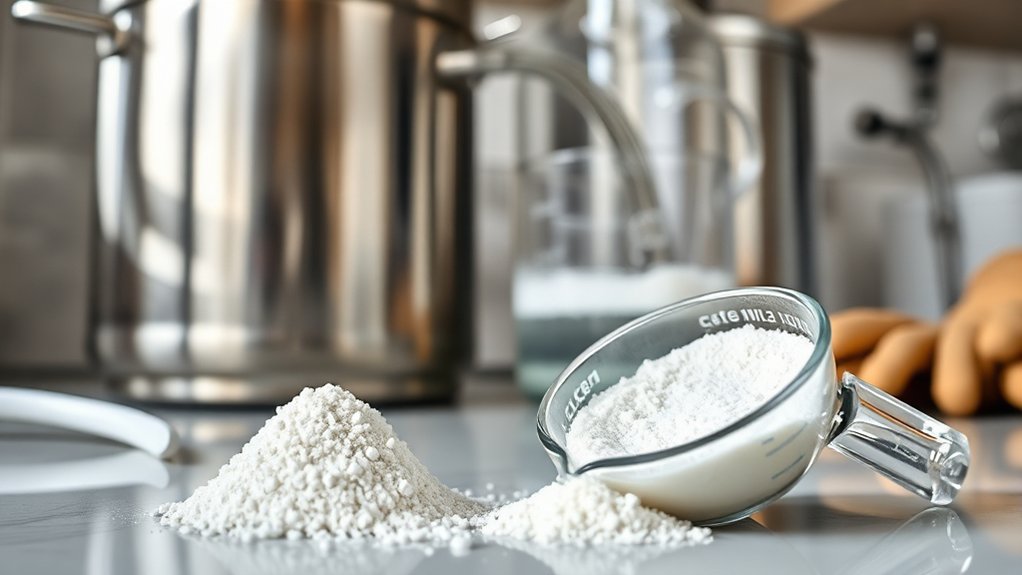
First, get your OxiClean soak ready by following the instructions on the package. Make sure you have a container big enough to fit all your gear comfortably.
Then, go ahead and submerge your equipment in the solution. Let it soak for the amount of time the directions suggest.
After soaking, don’t forget to rinse every surface really well with clean water before you start brewing. This helps make sure everything’s spotless and ready to go!
Prepare the Soak
Before soaking, mix OxiClean with warm water according to the product label, using enough solution to fully cover your homebrew equipment.
Check the package directions for the correct dose; product formulas can vary, so don’t guess or add extra cleaner.
Choose a clean container large enough for your items, and make sure it won’t react with the solution.
Prepare your equipment by removing loose debris and separating parts that need individual coverage.
Keep these points in mind: Use warm, not boiling, water to dissolve the cleaner.
Measure the OxiClean with the scoop or measuring tool specified on the label.
Mix until the powder dissolves, then confirm you have enough solution for every item.
Wear gloves if the label recommends them, and keep the prepared mixture away from children and pets.
You’re ready to handle the equipment according to the next cleaning step.
Soak Equipment
Once the solution is ready, fully submerge your homebrew equipment and leave it to soak for the time stated on the OxiClean label.
Keep every surface below the liquid, including the inside of fermenters, tubing, and airlocks.
If an item floats, weigh it down with a clean, nonreactive object.
For large vessels, prepare enough solution to cover the areas you need to clean.
Rotate or reposition equipment if you can’t submerge it all at once.
Avoid mixing OxiClean with other cleaners or sanitizers.
Check the label for material compatibility, especially with aluminum or delicate finishes.
When the soak is complete, lift each item carefully and let excess solution drain back into the container.
Set the equipment aside on a clean surface, ready for the next cleaning step.
Rinse Thoroughly
After the soak, rinse every surface thoroughly with clean water to remove OxiClean residue, including the inside of vessels, tubing, and airlocks. Leftover cleaner can affect your beer’s flavor and interfere with fermentation, so don’t rush this step.
Drain each item fully, then rinse it again if you see suds, feel a slippery film, or notice any scent. Pay special attention to seams, valves, and other hard-to-reach areas where solution can collect.
Flush tubing from both ends with fresh water. Open valves and fittings so water reaches hidden surfaces. Rinse airlocks and small parts separately.
Use potable water for your final rinse, especially when your equipment will contact cooled wort. Let everything drain and air-dry in a clean place.
Don’t wipe equipment with a towel, which may reintroduce contaminants.
What OxiClean Cleaning Mistakes Should You Avoid?
When cleaning homebrew equipment with OxiClean, a few common mistakes can leave residue, damage materials, or compromise your next batch.
Avoid using more cleaner than the label recommends; excess powder won’t improve results and can make rinsing harder.
Use only the label-recommended amount; extra cleaner won’t improve results and may make thorough rinsing more difficult.
Don’t mix OxiClean with bleach, acids, or other cleaners, since combinations may release hazardous fumes or cause unwanted reactions.
Check that your product is suitable for brewing equipment, and avoid prolonged contact with aluminum or other materials the manufacturer warns against.
Use warm water, not boiling water, and dissolve the powder fully before adding equipment.
Don’t treat OxiClean as a sanitizer: cleaning removes soil, but you still need a brewing-safe sanitizer before use.
Finally, rinse every surface thoroughly, including valves, tubing, and seals, so cleaner residue won’t affect flavor or fermentation.
Frequently Asked Questions
Is Oxiclean Safe for Septic Systems?
OxiClean is generally considered safe for septic systems when you use it as directed and in normal household amounts.
Its oxygen-based ingredients break down more readily than chlorine bleach, so they’re less likely to disrupt beneficial septic bacteria.
Don’t dump large quantities into drains, though, and avoid combining it with other cleaners.
Check the product label since formulas vary, and follow your septic system’s maintenance guidance.
Can Oxiclean Damage Stainless Steel Over Time?
Yes, OxiClean can damage stainless steel over time, especially if you use a strong solution, soak items for too long, or let residue dry on the surface.
You’ll reduce the risk by following the product label, limiting contact time, and rinsing thoroughly with clean water.
Don’t mix it with chlorine bleach or other cleaners.
For valuable or specialty finishes, test a hidden spot first, or choose a cleaner labeled safe for stainless steel.
Does Oxiclean Remove Beer Stone?
No, OxiClean usually won’t remove beer stone effectively.
Beer stone is a mineral and protein deposit, so you’ll need an acid-based cleaner, like a brewery-approved phosphoric or citric acid product.
First, clean the surface with an alkaline cleaner to remove organic soil.
Then, follow the acid cleaner’s label directions. Rinse thoroughly afterward.
Don’t mix cleaners, and check your equipment manufacturer’s guidance before treating stainless steel.
Can Oxiclean Be Used to Clean Beer Bottles?
Yes, you can use OxiClean to clean beer bottles, and rinsing thoroughly addresses the main concern: residue.
Dissolve the cleaner in warm water according to its label, soak bottles, then scrub away stubborn deposits with a bottle brush.
Rinse each bottle several times with clean water since leftover cleaner can affect flavor or foam.
OxiClean cleans, but it doesn’t sanitize. So, sanitize bottles separately with a no-rinse brewing sanitizer before filling.
How Should Oxiclean Be Stored Around Children and Pets?
Store OxiClean in its original, tightly sealed container somewhere cool and dry, well out of children’s and pets’ reach.
Choose a locked cabinet or a high shelf they can’t access.
Keep the product away from food, drinks, and pet supplies.
Don’t transfer it into an unlabeled container.
Clean up spills promptly, and never leave a scoop or open package unattended.
If anyone swallows it or gets it in their eyes, contact poison control or a veterinarian immediately.
Conclusion
Measure OxiClean by the water volume, following the label’s directions rather than guessing at a scoop. Mix it thoroughly, give brewing gear a suitable soak, and rinse every surface well before brewing.
A little care keeps residue from hitching a ride into your next batch. Think of clean equipment as a clear path from kettle to glass. When you avoid overdosing and skipped rinses, your homebrew can shine for the right reasons: its flavor, aroma, and character.