Does Oxiclean Kill Fleas – Yes or No?
Yes, OxiClean may kill fleas it directly touches, but it won’t reliably eliminate an infestation. Fleas and their eggs can hide deep in carpets, upholstery, and other places the cleaner doesn’t reach.
Use veterinarian-approved flea treatment for your pets, and vacuum regularly while washing pet bedding according to its care label. Keep pets away from treated surfaces until they’re completely dry, since residue may irritate them.
You’ll also want to know how OxiClean handles flea dirt and what works better.
Does OxiClean Kill Fleas?
OxiClean may kill fleas and their eggs when its oxygen-based cleaner contacts them, but it isn’t a reliable flea treatment. Its active ingredients can damage exposed insects, yet fleas often hide deep in carpets, upholstery, and pet bedding, where the cleaner may not reach them. You can’t count on a laundry product to eliminate every flea or stop an infestation.
Use OxiClean only as directed on washable items, and check fabric labels first. Don’t apply it to your pet or use it as a substitute for a veterinarian-approved flea product.
For effective control, treat your pet with an appropriate medication and address fleas throughout your home.
Vacuum regularly, wash bedding in hot water when safe, and follow product instructions. If fleas persist, ask your veterinarian or a pest-control professional for guidance.
Can OxiClean Remove Flea Dirt and Stains?
Can OxiClean remove flea dirt and stains? It may help lift some marks from washable fabrics, but results depend on the material, stain, and product formula.
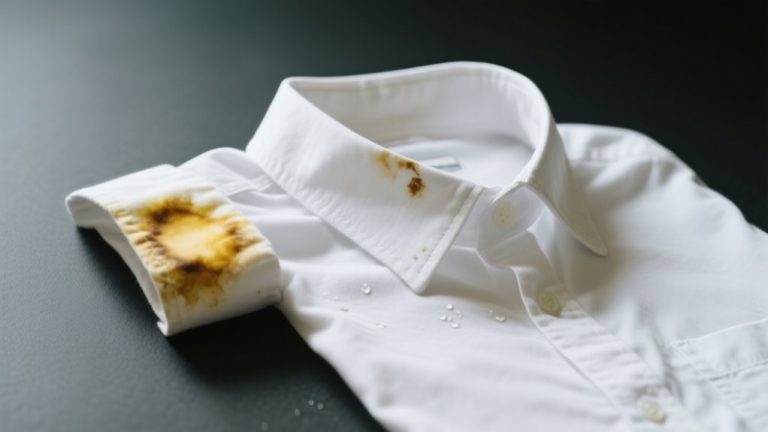
Flea dirt consists mainly of digested blood, so it can leave reddish-brown spots on bedding, blankets, or clothing.
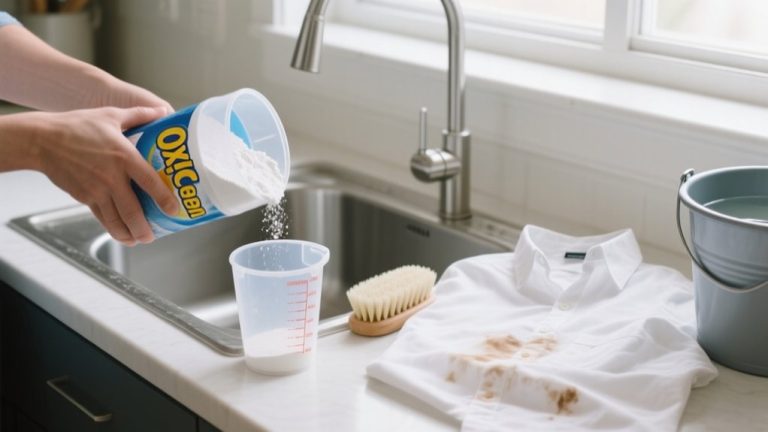
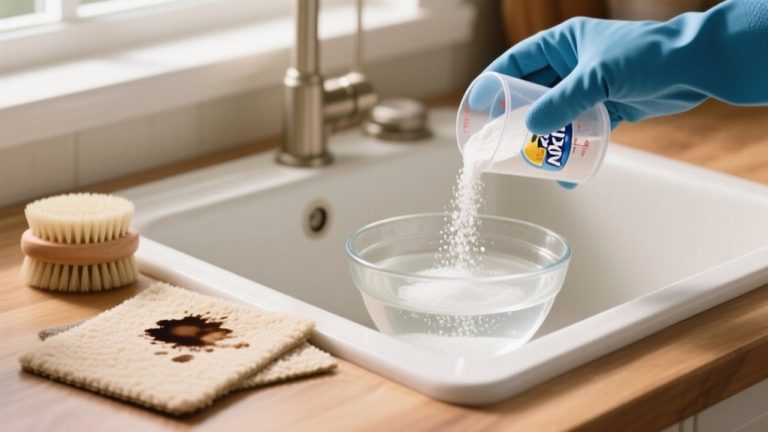
You can pre-treat washable items with an OxiClean product according to its label, then launder them using the hottest water the care instructions allow.
Test a hidden area first, since oxygen bleach can affect dyes or damage delicate fibers.
Don’t apply the cleaner to your pet or use it on surfaces the label excludes.
For carpets or upholstery, check the manufacturer’s cleaning guidance and spot-test before treating a visible area.
If a stain remains, repeat only as directed rather than mixing cleaners.
Why OxiClean Won’t Reliably Get Rid of Fleas
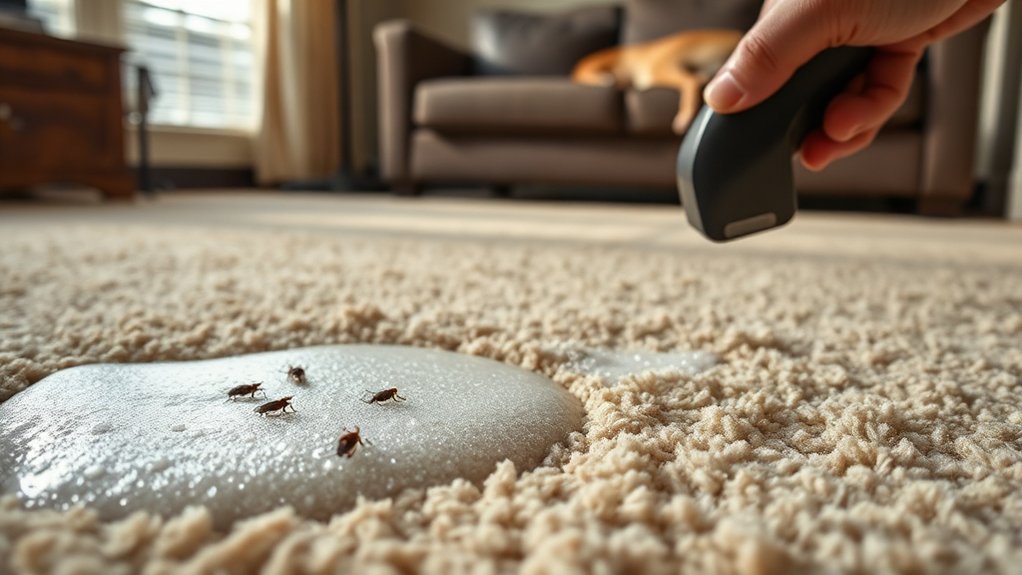
Although OxiClean may remove flea dirt stains from some fabrics, it won’t reliably kill fleas or stop an infestation. Its cleaning action targets stains and odors, not every flea life stage.
You might wash bedding and see fewer fleas, but eggs, larvae, and pupae can remain in carpets, cracks, upholstery, or other places you haven’t treated.
Fleas can also jump back onto your pet or into cleaned areas, restarting the problem.
Even laundering items with OxiClean won’t guarantee that water and cleaner reach every hidden flea or egg.
To control an infestation, you need a coordinated approach that addresses your pet, indoor spaces, and the flea life cycle.
Follow product labels and use proven flea-control methods; don’t rely on a stain remover as your sole treatment.
Is OxiClean Safe to Use Around Pets?
OxiClean can irritate your pet’s skin or stomach if they come into contact with it or accidentally ingest it.
So, it’s best to keep your pets away while you’re cleaning. Make sure to follow the directions on the label carefully.
And before letting your pet back into the area, let the treated surfaces dry completely. That way, you’ll help keep your furry friends safe and comfortable.
Pet Exposure Risks
Because OxiClean products contain cleaning agents that can irritate pets, keep dogs and cats away while you use them and until treated surfaces are fully rinsed and dry.
Exposure can happen when your pet walks across a damp area, licks residue from its paws, or chews a treated item. A curious animal might also drink from a bucket or contact spilled powder.
These products aren’t meant for pets, and swallowing them may cause drooling, vomiting, mouth irritation, or stomach upset. Dust or splashes can irritate eyes and skin; airborne powder may bother sensitive airways.
Risk varies by product, concentration, and amount of exposure. If your pet gets into OxiClean, check the label and contact your veterinarian or an animal poison-control service promptly.
Don’t induce vomiting unless a professional directs you.
Safe Cleaning Practices
To use OxiClean more safely around pets, follow the product label, keep animals out of the area, and prevent access to the solution, powder, and treated items until they’re rinsed and fully dry.
Measure carefully, avoid creating dust, and don’t mix OxiClean with other cleaners.
Wear gloves if the label recommends them, and wash your hands after handling the product.
Clean up spills promptly, then store the container sealed in a secure place your pet can’t reach.
Ventilate the room while cleaning, and keep pets away until surfaces are dry and odors have cleared.
Don’t apply OxiClean to your pet or use it on pet bedding unless the label specifically permits that use.
If your pet licks or swallows any product, contact a veterinarian or animal poison-control service immediately.
How Should You Wash Flea-Exposed Fabrics?
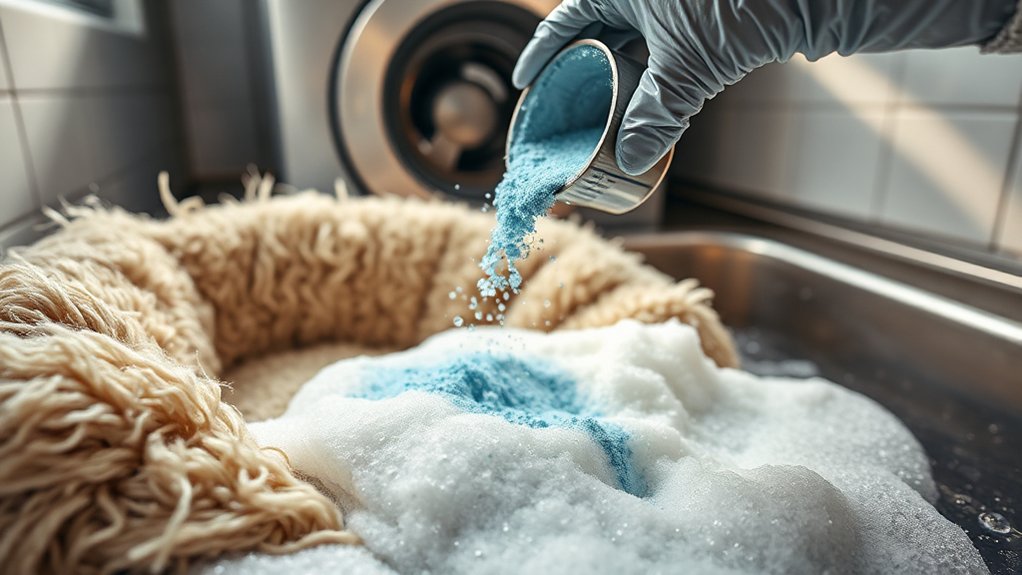
Wash flea-exposed fabrics in hot water if their care labels allow, then dry them on the highest safe heat setting. Heat helps kill fleas and their eggs, while thorough drying reduces lingering moisture.
Check each label first; use the warmest water and dryer setting the fabric can safely tolerate. For delicate items, choose a suitable wash cycle and follow the label’s drying instructions rather than risking damage.
Wash bedding, blankets, pet covers, and clothing that may have contacted fleas. Keep these items separate from clean laundry until you’re ready to wash them, and don’t overload the machine, so water and detergent can circulate.
Use your usual laundry detergent; an additive isn’t necessary for routine washing.
Afterward, remove items promptly and store them in a clean, dry place.
How Can You Get Rid of Fleas at Home?
How can you get rid of fleas at home? You’ll need to treat your pet and living space together since fleas move between animals, carpets, and furniture.
Use a flea product labeled for your pet’s species and follow its directions exactly.
Then reduce flea eggs and larvae indoors with a consistent cleaning routine:
- Vacuum carpets, rugs, upholstery, and floor edges; empty the canister outdoors.
- Wash pet bedding and washable covers using the hottest safe settings.
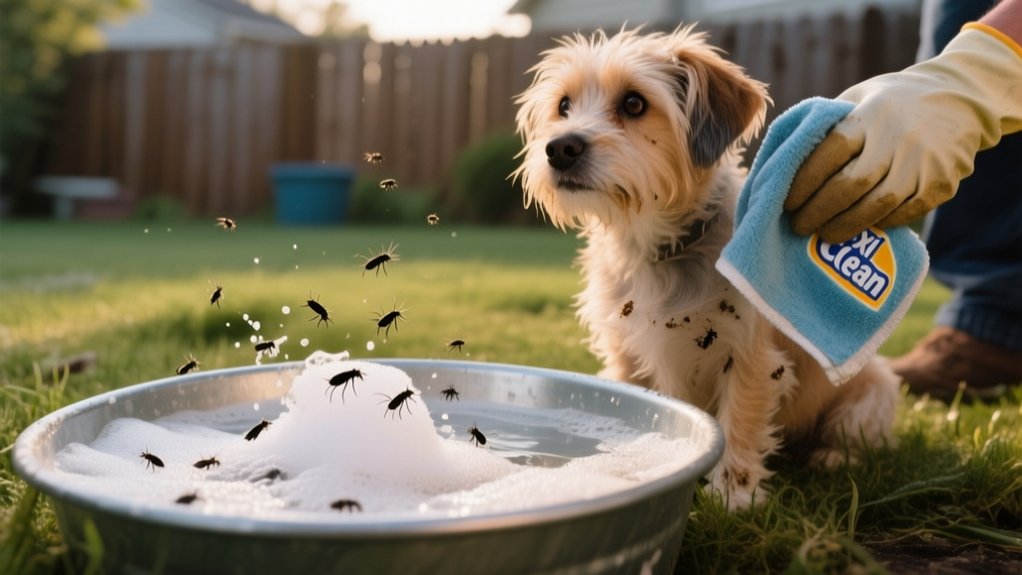
- Use a flea comb on your pet, and drop captured fleas into soapy water.
- Treat carpets and other suitable surfaces with a household flea product labeled for that use.
- Repeat vacuuming and laundering regularly because new fleas may emerge after the first cleanup.
Keep pets away from treated areas until the product label says they’re safe.
When Should You Call a Vet or Pest Professional?
If fleas persist despite consistent cleaning and labeled treatments, call your vet to check your pet and review safe options. Seek advice sooner if your pet is a young kitten, elderly, unwell, or reacts badly to treatment.
Pale gums, weakness, intense itching, or skin sores need prompt veterinary attention. Don’t apply household cleaners or combine flea products unless your vet approves.
| Situation | Who to call |
|---|---|
| Your pet has symptoms or treatment concerns | Veterinarian |
| Fleas remain throughout your home | Licensed pest professional |
Contact a pest professional when infestations continue after you’ve treated pets and washed bedding, or when fleas appear in several rooms. Ask what products they’ll use and how to protect people and animals during treatment.
Keep following product labels, and coordinate pest control with your vet so you don’t expose your pet to conflicting chemicals. Neither OxiClean nor other laundry additives replace approved flea control.
Frequently Asked Questions
Can Fleas Survive Winter Indoors?
Yes, fleas can survive winter indoors because your heated home provides the warmth and shelter they need.
Adult fleas can live on pets, while eggs, larvae, and pupae may develop in carpets, bedding, and upholstery.
You might notice fewer fleas outside during cold months, but indoor infestations can persist year-round.
Treat your pets with veterinarian-approved flea prevention, wash their bedding, and vacuum regularly to interrupt the flea life cycle.
How Long Can Fleas Live Without a Host?
Fleas can go weeks or even months without a host, depending on their life stage and conditions.
Think of a flea pupa as a tiny time capsule: it may remain dormant in its cocoon for several months, waiting for warmth, movement, or carbon dioxide to signal a nearby animal.
Adult fleas usually survive only days to a couple of weeks without feeding.
Keep treating pets and cleaning your home to interrupt their life cycle.
Can Fleas Jump From Pets Onto People?
Yes, fleas can jump from your pets onto you, especially when you’re nearby. They may bite people, often around the ankles or lower legs, but they usually don’t live on humans because we lack the dense fur they prefer.
If your pet has fleas, you can reduce bites by treating the animal with a veterinarian-approved product, washing bedding, and vacuuming carpets and furniture.
Don’t use pet flea treatments on yourself.
Do Fleas Spread Diseases to Humans?
Yes, fleas can spread diseases to you, though serious infections are uncommon.
Like tiny stowaways carrying unwelcome cargo, they may transmit murine typhus, flea-borne spotted fever, or, rarely, plague through bites or infected flea dirt.
Fleas can also trigger allergic reactions and skin infections when you scratch.
If you develop fever, severe headache, a spreading rash, or worsening symptoms after bites, contact a healthcare professional promptly and mention your flea exposure.
How Can You Tell Flea Bites From Bedbug Bites?
You can often distinguish flea bites from bedbug bites by their pattern and location, though appearance alone can’t confirm the cause.
Flea bites usually appear as small, intensely itchy bumps, often grouped around your ankles or lower legs.
Bedbug bites may form lines or clusters on exposed skin, such as your arms, shoulders, or face, after sleeping.
Wash bites gently, avoid scratching, and seek medical advice if you develop severe swelling, infection, or breathing trouble.
Conclusion
OxiClean may kill some fleas during a hot, soapy wash, but it isn’t a reliable flea treatment. Use it to clean washable fabrics, not as a substitute for treating your pet and home.
For example, wash your dog’s bedding, vacuum nearby floors, and use a veterinarian-approved flea product for your dog. If fleas persist, contact your vet or a pest professional.
Keep OxiClean away from pets and follow the label’s directions when you use it.