How To Clean Washing Machine Pump Filter – Guide
To clean your washing machine pump filter, first unplug the machine and open the lower front access panel. Place a shallow dish or towel underneath to catch any water. Detach any emergency drain hose and drain the water.
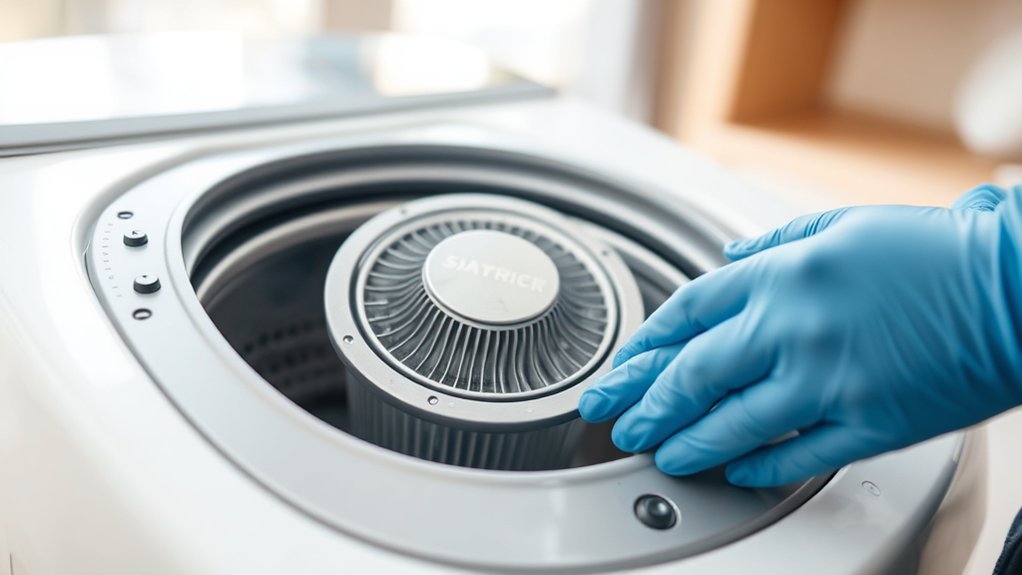
Next, rotate the filter counter-clockwise to remove it. Rinse the filter under warm water, removing all lint and debris with a soft brush.
Reinstall the filter firmly, secure the panel, and check for leaks. Regular cleaning keeps drainage smooth and prevents damage. You might want to explore more tips for maintaining your washer’s efficiency.
Where to Locate Your Washing Machine Pump Filter
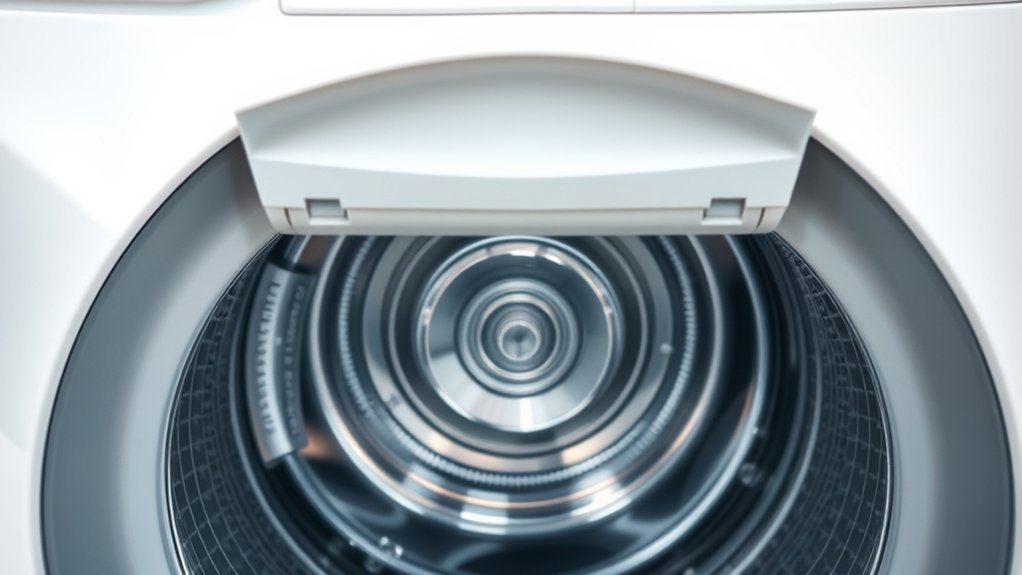
You’ll usually find the washing machine pump filter behind a small access panel located at the front lower corner of the machine.
In front-load washers, this filter is accessed through a hatch or door near the bottom of the front panel.
Some models include a removable emergency drain hose behind the access panel or kick plate, providing additional entry to the filter.
Since the exact position varies by brand and model, you should consult your user manual for precise details.
The filter location varies by brand and model, so always check your user manual for exact details.
Note that high-efficiency or newer machines might’ve integrated or self-cleaning filters, which means you probably won’t need to access them manually.
Locating the filter correctly is essential before attempting any maintenance.
Tools You’ll Need Before Cleaning the Pump Filter
Before you begin cleaning the pump filter, gather the necessary tools to guarantee a smooth process. Having the right tools ensures efficient removal and cleaning of the filter without causing damage.
Here are the essential tools you’ll need:
- Pliers or wrench to loosen and remove a tightly secured filter.
- Shallow dish or towel to catch any water that may spill when removing the filter.
- Soft brush or cloth to clean lint and debris from the filter and surrounding areas.
You might also want to consider gloves for hand protection, and a screwdriver if the access panel or filter cover is screwed in place.
Getting these tools ready ahead of time will make the cleaning process easier and help keep your washing machine running smoothly.
How to Prepare Your Washer for Pump Filter Cleaning
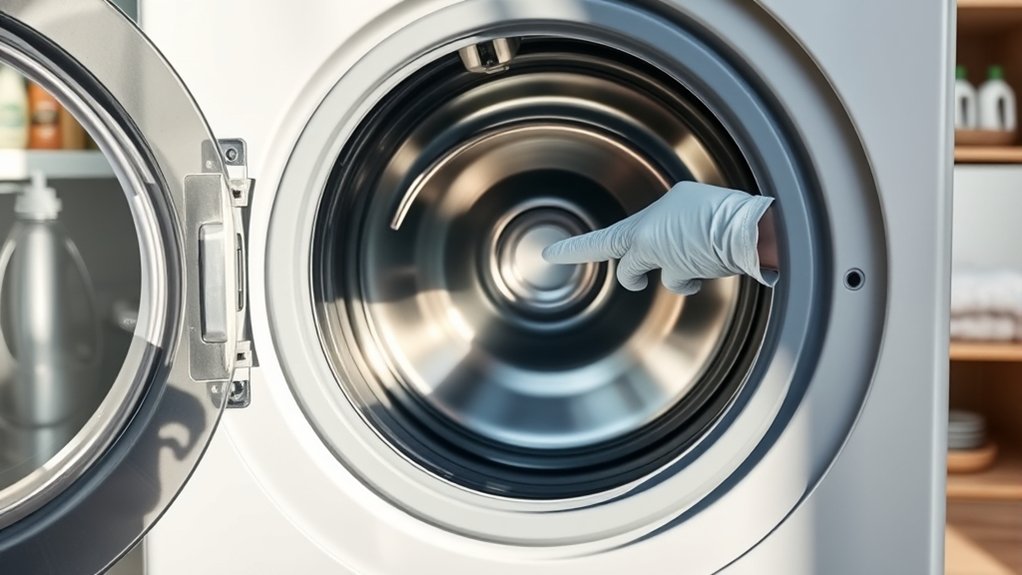
First, make sure to turn off and unplug your washer—this helps keep you safe from any electrical hazards.
Then, take out all your laundry and drain any water that’s still inside to prevent spills while you’re working.
To catch any leftover water when you open the pump filter, place a shallow container or a towel right underneath the filter area.
Turn Off Power
How do you guarantee safety when preparing to clean your washing machine’s pump filter? The first and most critical step is to turn off and unplug the washer to eliminate any risk of electrical shock or injury. Follow these precise actions:
First, turn off the washing machine using its power button or switch to prevent it from accidentally turning on. Then, unplug the appliance from the electrical outlet to fully disconnect the power supply.
Make sure the washer is completely powered down by checking that no indicator lights remain on.
Taking these steps might seem simple, but they’re super important. It’s all about keeping you safe while you work on your machine.
Empty Washer Drum
Why must you guarantee the washing machine drum is completely empty before cleaning the pump filter? An empty washer drum prevents water and clothes from obstructing access to the drain pump filter, ensuring efficient and safe maintenance.
Before you start, turn off the washer and unplug it to avoid electrical hazards. Open the front access panel, place a shallow dish beneath the filter to catch residual water, and carefully drain any remaining water from the emergency hose. This preparation protects both you and the machine during cleaning.
| Step | Action | Purpose |
|---|---|---|
| Verify drum emptiness | Remove all clothes and items | Prevents blockage and damage |
| Power off | Unplug washer | Ensures safety during cleaning |
| Access filter | Open hatch, position dish | Captures residual water |
Prepare Water Catch
After confirming the washer drum is empty and the machine is powered off, prepare to catch any water that may spill during filter removal. Properly managing water drainage prevents mess and damage.
Here’s what you need to do: Place a shallow dish or towel on the floor directly in front of the washing machine to catch any water that drains or spills.
Then, locate and carefully open the small access panel on the washer’s lower front using a coin or your hand.
Next, pull out the emergency drain hose behind the panel. Position it over the dish or towel, and remove the hose cap to let any residual water fully drain.
Once it’s done, secure the cap back in place.
This method ensures controlled water drainage and keeps your workspace clean while you maintain the pump filter.
Draining Water and Removing the Pump Filter
Start by turning off your washing machine and opening the access panel to locate the pump filter. Place a shallow dish or towel beneath to catch any water.
Next, detach the emergency drain hose and carefully drain the leftover water into the dish.
Detach the emergency drain hose and gently drain leftover water into your prepared dish.
Once drained, rotate the pump filter counter-clockwise to remove it from its housing. This will let any remaining water flow out.
Handle the filter carefully to avoid spills.
At this stage, you’ve successfully drained the water and removed the pump filter, so it’s ready for cleaning. Keep the access panel open until you finish these steps to prevent any water leakage.
This process ensures safe removal without water damage, setting you up for the next phase of thorough cleaning.
How to Clean the Pump Filter Thoroughly
Once you’ve removed the pump filter by turning it counter-clockwise, get ready to catch any leftover water that might spill out.
Next, rinse the filter thoroughly under warm running water. You can use a soft brush to help remove any lint and debris stuck on there.
Finally, take a good look at both the filter and the housing to check for any damage or buildup before putting everything back in place.
Removing The Filter
Where exactly is the pump filter located, and how do you access it? The pump filter sits behind a small access panel at the front of your washing machine. Open this panel using a coin or your fingers to reach the filter housing.
To remove the filter safely, follow these steps: First, drain water from the housing by turning the emergency drain hose cap counter-clockwise into a shallow dish.
Then, rotate the filter counter-clockwise to unscrew it completely. Expect some residual water to spill out.
Carefully pull out the filter, removing any lint, coins, or debris trapped inside. This process ensures you access the filter thoroughly without flooding.
Once removed, you’re ready for the next step, cleaning and inspecting the filter for lint buildup and blockages.
Cleaning And Inspection
Before reinstalling the pump filter, you need to clean and inspect it thoroughly to guarantee peak performance. Start by examining the filter for any debris, cracks, or damage. Remove lint, coins, hair, and other obstructions carefully.
Next, wash the filter in warm water using a soft brush or sponge to eliminate residual dirt and buildup. Don’t forget to wipe the inside of the filter housing with a damp cloth to clear trapped debris or residue. This step assures the entire assembly is free from blockages.
Finally, reinstall the clean filter by rotating it clockwise, making sure it fits securely to prevent leaks. Proper cleaning and inspection maintain your washing machine’s efficiency and prevent potential malfunctions caused by clogged or damaged filters.
Reinstall the Pump Filter and Secure the Access Panel
How do you guarantee the pump filter is correctly reinstalled to prevent leaks? First, insert the pump filter into its designated slot and turn it clockwise until it’s firmly secured. Proper alignment and full seating are critical to avoid leaks during operation.
Insert the pump filter and turn clockwise until firmly secured to ensure proper alignment and prevent leaks.
Next, reattach the access panel by pressing it back into place until you hear a click, ensuring it’s locked securely.
Finally, double-check that the panel is tightly closed before restarting your washing machine.
Follow these steps precisely:
- Align and secure the pump filter clockwise until fully seated.
- Press the access panel until it clicks into place.
- Verify both filter and panel installation to prevent leaks and maintain safety.
Tips to Maintain Your Washing Machine Pump Filter Longer
Although cleaning the pump filter might seem straightforward, maintaining it properly requires consistent attention to prevent debris buildup and damage. Inspect and clean the pump filter every 1-3 months to avoid clogs that reduce its lifespan.
Use mild cleaning agents because harsh chemicals can degrade rubber seals and plastic parts, which compromises filter durability.
After cleaning, make sure the filter is completely dry before reinstalling it. This helps prevent mold growth and corrosion, which can impair pump functionality.
Check the filter regularly for any cracks, warping, or visible damage.
If you find any defects, replace the filter immediately to keep it working effectively and prevent leaks.
Finally, keep the surrounding area clean and dry. This minimizes stress on the pump filter and helps extend its operational life efficiently.
Troubleshooting Common Pump Filter Issues After Cleaning
Even after cleaning the pump filter, you might still encounter drainage issues or unusual noises. These symptoms often point to remaining problems with the filter or its installation.
To troubleshoot effectively, start by inspecting the filter and housing for any leftover debris or physical damage. If you spot a cracked filter, it needs to be replaced right away to prevent leaks and drainage problems.
Next, make sure the filter is correctly reinstalled. If it’s not seated properly, you could experience leaks, vibration, or inefficient drainage.
Also, check inside the pump assembly for any debris that might be stuck. If you keep hearing noise or feeling vibration, it usually means debris is still present or the filter isn’t fully secured.
Why Regularly Cleaning Your Pump Filter Prevents Problems
Because debris can quickly accumulate in your washing machine’s pump filter, regularly cleaning it is essential to maintain efficient drainage and prevent cycle interruptions. Debris buildup restricts water flow, causing slow draining, water pooling, and prolonged wash cycles.
Regularly cleaning your washing machine’s pump filter prevents debris buildup that causes slow draining and cycle interruptions.
By removing accumulated debris, you guarantee the pump filter functions at its best, preventing clogs that lead to cycle failures. Plus, a clean pump filter reduces mold growth and unpleasant odors, keeping your machine hygienic.
Neglecting this maintenance risks damaging the pump and drainage system, which can shorten your washing machine’s lifespan. To avoid these issues, make a habit of cleaning the pump filter regularly.
This simple practice helps maintain proper water flow, protects internal parts, and keeps your washing efficient. In the long run, it prevents costly repairs and ensures your laundry gets done without a hitch.
Frequently Asked Questions
Can I Use Vinegar to Clean the Pump Filter?
Yes, you can use vinegar to clean the pump filter.
Soak the filter in a mixture of vinegar and warm water to dissolve mineral deposits and soap scum.
Just be careful not to use vinegar on plastic parts that are sensitive to acidity, since it might cause damage over time.
After soaking, make sure to rinse the filter thoroughly to remove any leftover acidity.
This will help your washing machine perform efficiently without corrosion or buildup issues.
How Often Should I Replace the Pump Filter Entirely?
You should replace your washing machine pump filter every 1 to 3 years, depending on how often you use it and what the manufacturer recommends. It’s a good idea to check it regularly for cracks, warping, or any stubborn clogs.
If you notice drainage problems or damage that won’t go away with cleaning, go ahead and replace the filter right away. Using a damaged filter can lead to leaks and poor drainage, which nobody wants.
Just make sure to follow your appliance’s manual when picking out a replacement filter. That way, you’ll keep your machine running smoothly and at its best.
Will a Clogged Pump Filter Cause My Washer to Smell?
Yes, a clogged pump filter will cause your washer to smell. Debris like lint, hair, and detergent buildup traps moisture and promotes bacterial growth, which produces foul odors.
When water can’t drain properly due to obstruction, it stagnates and worsens the smell.
To prevent this, you should regularly clean the pump filter. Removing all debris helps maintain proper drainage and keeps your washer smelling fresh.
It’s a simple step that can save you from dealing with persistent, unpleasant odors.
Can I Clean the Pump Filter Without Draining All the Water?
No, you shouldn’t clean the pump filter without draining all the water first. Leaving water inside risks spills and leaks when you remove the filter.
Fully draining the washer guarantees you can access the filter easily and clean it thoroughly without obstruction.
Even if your model has an emergency drain hose, complete drainage is safer and more effective.
Always prioritize draining to avoid water damage and guarantee proper maintenance. It’s just the best way to go about it!
What if My Washing Machine Doesn’T Have an Accessible Pump Filter?
If your washing machine doesn’t have an accessible pump filter, like a high-efficiency model with an integrated system, you’ll need to focus on other maintenance steps.
First, regularly inspect and clean the drainage hose to prevent clogs.
If drainage issues persist, contact a qualified technician to service internal components.
For example, a user ignored hose buildup until water overflowed.
Professional cleaning resolved the problem without dismantling the machine.
Conclusion
Just like tuning a finely crafted instrument, regularly cleaning your washing machine pump filter guarantees smooth, efficient performance. By following these precise steps, you’ll prevent clogs and costly repairs, keeping your washer humming flawlessly.
Think of it as giving your machine a breath of fresh air. Simple maintenance like this saves time and extends its lifespan.
Stay diligent, and your washer will reward you with years of dependable service.