How Does Oxiclean Work Chemistry – Quick Answer
OxiClean works through sodium percarbonate, which dissolves in water and releases hydrogen peroxide and sodium carbonate. The peroxide oxidizes colored stain molecules, changing them so stains become less visible and easier to rinse away.
The alkaline carbonate raises the water’s pH, helping loosen soil, while surfactants lift oily dirt and keep it suspended. Warm water can help the powder dissolve faster, though results depend on the stain and fabric.
Keep going to learn how water temperature, fabric, and safe use affect results.
How Does OxiClean Work?
OxiClean uses oxygen-based bleach to lift stains from fabrics and other surfaces. Its key ingredient, sodium percarbonate, releases hydrogen peroxide, an oxidizing agent that helps break down colored, organic stains.
When you treat a stain, oxygen-based compounds attack the molecules that give it color, changing them into less visible forms. This process can help loosen food, drink, grass, and other everyday marks without relying on chlorine bleach.
OxiClean also contains ingredients that support cleaning. Surfactants help lift oily soil, while builders improve cleaning performance by managing minerals and supporting detergent action.
You’ll get the best results when you follow the product label, choose a suitable treatment for the material, and test an inconspicuous spot first.
Oxygen bleach can affect some dyes and delicate fibers, so check care instructions before use. It works as a stain remover, not a guarantee against every stain.
What Happens When OxiClean Mixes With Water?
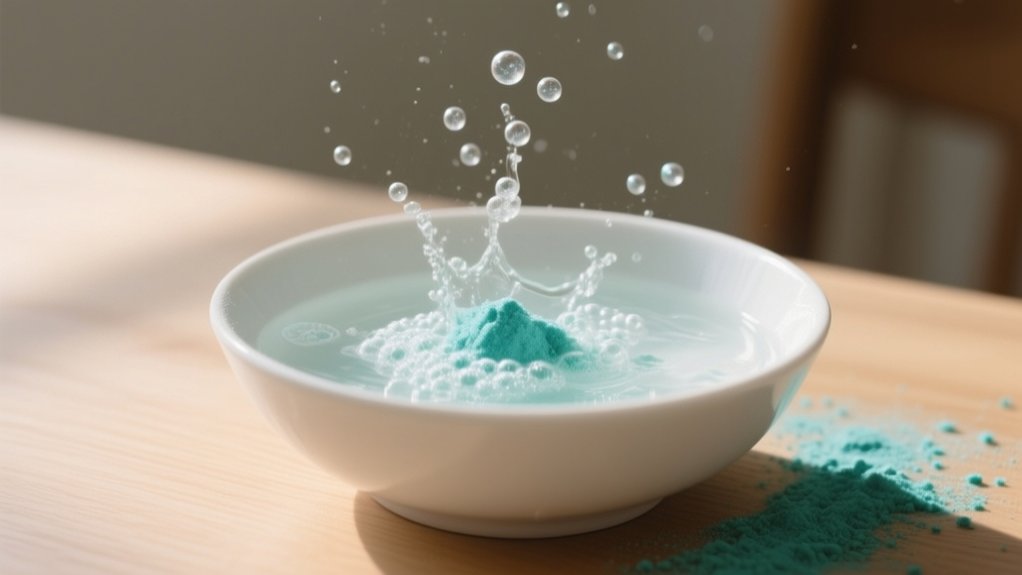
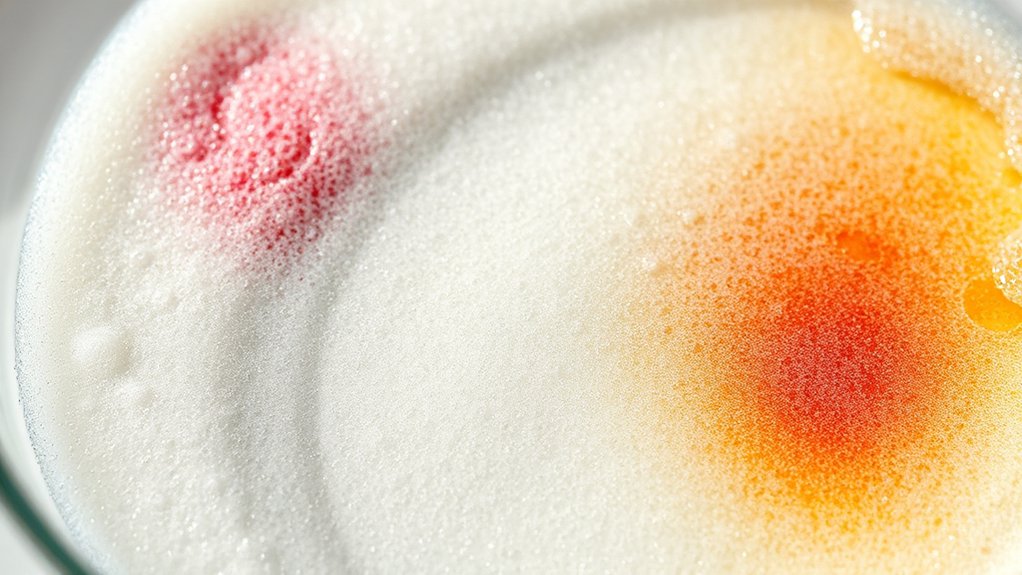
When you mix OxiClean with water, sodium percarbonate dissolves and releases hydrogen peroxide and oxygen. This reaction begins as soon as the powder contacts water, so you’ll notice fizzing as oxygen escapes.
The solution also contains sodium carbonate, which makes the water alkaline and helps the cleaner work in laundry or on suitable surfaces.
How quickly the powder dissolves depends on water temperature, concentration, and how well you stir. Warm water generally dissolves the powder faster than cold water. Stirring helps distribute the ingredients throughout the solution.
The mixture works best when you prepare only what you need and use it promptly.
Follow the product label for the correct amount, water temperature, and application method. Don’t store mixed solution in a sealed container, because released gas can build pressure.
How Oxygen Breaks Down Stains
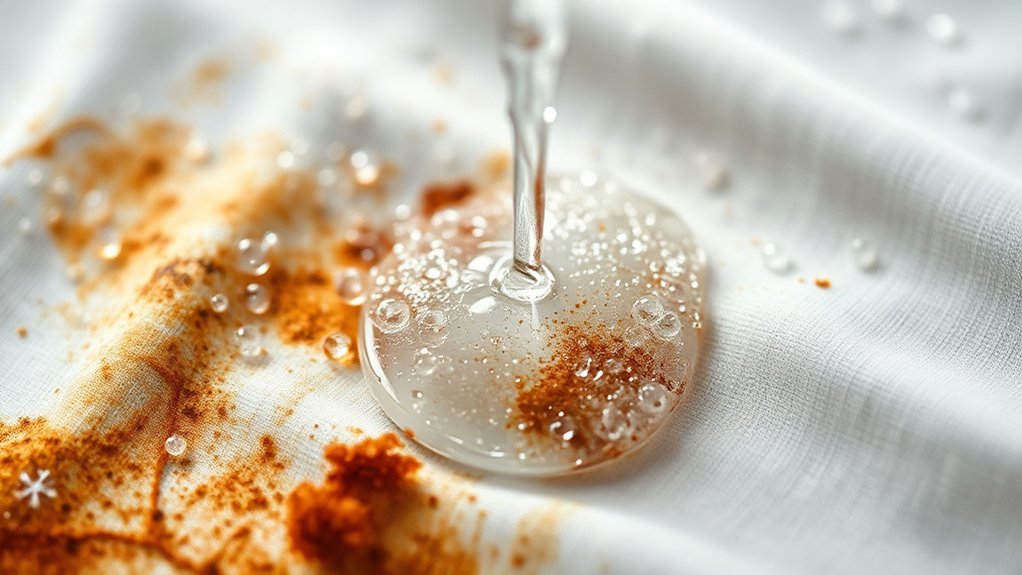
As hydrogen peroxide breaks down, it releases reactive oxygen that helps loosen colored stains. These reactive particles alter the molecules that give many stains their color, making them less visible and easier to rinse away. You’ll see this process called oxidation.
It works on many organic stains, though results depend on the stain, fabric, and treatment conditions. Oxygen bleach doesn’t act like chlorine bleach, and it’s generally gentler on colors when you follow the product label. Still, test an inconspicuous spot first, especially on delicate or uncertain fabrics.
| Stain type | Oxygen’s effect | What you may notice |
|---|---|---|
| Tea | Alters colored compounds | Fading |
| Coffee | Breaks down pigments | Lighter marks |
| Fruit | Oxidizes color molecules | Reduced discoloration |
| Grass | Targets organic pigments | Less visible green |
Use the recommended amount and soak time; don’t mix cleaners.
How OxiClean’s Alkaline Ingredients Lift Dirt
Beyond oxygen’s action on stains, OxiClean’s alkaline ingredients help loosen dirt and greasy soil. They raise the wash water’s pH, changing how soil and fabric interact. This helps you release grime so water can carry it away during rinsing.
Loosen oily residue: Alkalinity helps disrupt greasy soil’s hold on fibers, making it easier for wash water to move it.
Support cleaning agents: A higher pH can help surfactants work, so they can surround loosened soil and keep it suspended in water.
Improve rinsing: Once dirt lifts from fabric, agitation and fresh water help remove it instead of letting it settle back.
You’ll get the best results when you follow the product label and use the recommended amount.
Alkalinity assists cleaning; it doesn’t replace washing, agitation, or thorough rinsing.
Which Stains Does OxiClean Remove Best?
Which stains does OxiClean remove best? You’ll usually see strong results on organic stains, such as grass, mud, food, and many drink spills. Its oxygen-based cleaner can also help lift stains from coffee, tea, wine, and fruit juice.
For laundry, it’s especially useful on everyday soils and dingy buildup that make clothes look less fresh. OxiClean may reduce some blood, sweat, and pet stains, too, though older or set-in marks can be harder to remove.
It won’t work equally well on every stain: ink, paint, oil, and other dye- or solvent-based marks may need a different treatment.
Check the product label and garment care instructions before treating a spot.
For best results, identify the stain first and choose a cleaner suited to it; avoid mixing products, since combinations can create harmful reactions.
How Water, Temperature, and Fabric Affect Results
Even when OxiClean is suited to a stain, water quality, temperature, and fabric can affect the results. Follow the product label and garment care tag, and test a hidden area first. These factors matter:
- Water: Hard water minerals can interfere with cleaning, while very cold water may slow the release of oxygen-based cleaning agents. Dissolve the product fully to avoid residue.
- Temperature: Warm water can help activate the cleaner, but heat isn’t always better. Hot water may set some stains, so check the stain and fabric instructions before soaking or washing.
- Fabric: Durable, colorfast fabrics generally tolerate soaking better than delicate materials. Wool, silk, leather, and fabrics marked dry-clean-only may be damaged. Don’t soak them unless the label says it’s safe.
If you’re unsure, use a cooler setting, shorten the soak, and check the fabric before treating the whole item.
How OxiClean Compares With Chlorine Bleach
Although both can brighten laundry, OxiClean and chlorine bleach work differently. OxiClean’s oxygen-based chemistry releases hydrogen peroxide in water, helping lift many organic stains and odors. Chlorine bleach uses sodium hypochlorite, which oxidizes stains more aggressively and can also remove color from dyes.
| Feature | OxiClean vs. chlorine bleach |
|---|---|
| Main chemistry | Oxygen-based peroxide vs. sodium hypochlorite |
| Color effect | Often suitable for colorfast fabrics vs. may fade colors |
| Stain action | Targets many organic stains vs. tackles stains and whitening strongly |
| Fabric impact | Generally gentler, but not universal vs. harsher on some fibers |
| Typical role | Laundry booster and stain remover vs. whitening and disinfection |
For your laundry, the better choice depends on the fabric, stain, and desired result. OxiClean isn’t a disinfectant substitute, while chlorine bleach can damage wool, silk, and other delicate materials. So, always read product labels before choosing.
How to Use OxiClean Safely
To use OxiClean safely, start by reading the product label carefully and following the directions provided.
It’s really important to protect your skin and eyes from any contact with the cleaner.
Also, never mix OxiClean with other cleaning products, as this can be dangerous.
Just stick to the instructions, and you’ll be all set!
Read the Product Label
Before using OxiClean, read the product label carefully. Formulas and directions vary, and the label explains how much to use, which surfaces or fabrics are safe, and what precautions to follow.
Check the package every time, even if you’ve used another OxiClean product. Powders, sprays, and liquid cleaners may have different instructions.
Measure accurately: Follow the stated amount and dilution ratio. Using extra product won’t necessarily improve cleaning and could leave residue.
Check compatibility: Confirm that your item or surface appears among approved uses. When directions recommend a spot test, try a hidden area first.
Follow timing and rinsing directions: Leave the solution on only as long as specified, then rinse or launder as directed.
Also note storage guidance and any warnings about mixing the product with other cleaners.
If the label doesn’t cover your intended use, choose another method.
Protect Skin and Eyes
After checking the label, protect your skin and eyes while handling OxiClean. Wear household gloves when measuring or mixing the powder, since direct contact may irritate your skin. If you have sensitive skin, take extra care and avoid touching the product.
Wear safety glasses to guard against dust or splashes, especially when preparing a solution or pouring it into a container. Work carefully to keep powder from becoming airborne, and don’t lean over the container as you add water.
If OxiClean gets on your skin, rinse the area thoroughly with water. If it gets in your eyes, flush them gently with clean water for several minutes and seek medical advice if irritation continues.
Keep the product away from your face, and wash your hands after handling it, even if you wore gloves.
Never Mix Cleaners
Never mix OxiClean with bleach, ammonia, or other cleaning products. Combining cleaners can release harmful fumes or cause dangerous reactions. Use OxiClean only as directed on its label, and don’t add other products to its solution.
Even familiar household cleaners can react unpredictably when combined.
Check the label: Follow the recommended amount, water temperature, and use instructions.
Use one product at a time: Rinse the surface or container thoroughly before switching cleaners.
Keep products separate: Store OxiClean in its original container, away from bleach, ammonia, and other cleaners.
If you accidentally mix products, don’t touch or inhale the mixture. Leave the area, get fresh air, and contact poison control or emergency services if anyone has symptoms.
Keep children and pets away, and never transfer the mixture into another container.
Frequently Asked Questions
Can Oxiclean Expire or Lose Effectiveness Over Time?
Yes, OxiClean can lose effectiveness over time, especially if moisture gets into the container.
Its oxygen-based ingredients gradually break down, and heat, humidity, or poor storage can speed that process.
Keep the powder tightly sealed in a cool, dry place, and check the package for a date or storage guidance.
If it’s clumped, damp, or no longer cleans well, replace it. You can test a small amount before relying on it.
Is Oxiclean Safe for Septic Systems?
Yes, OxiClean is generally safe for septic systems when you use it as directed. Its oxygen-based cleaner breaks down into substances that septic systems can typically handle.
Normal household amounts shouldn’t disrupt beneficial bacteria.
You should avoid dumping large quantities into drains or using it excessively since heavy chemical loads may affect your system.
Check the product label for your specific formula, and follow your septic system’s care recommendations.
Can Oxiclean Be Used on Carpets and Upholstery?
Yes, you can use OxiClean on some carpets and upholstery, but don’t expect it to rescue every stain on Earth.
Check the product label first since formulas and approved surfaces vary.
Test a hidden spot for colorfastness, then follow the label’s dilution and application directions.
Don’t soak the material, and blot rather than scrub.
Keep people and pets away until the area dries, and avoid using it on wool, silk, or leather unless the label specifically permits it.
Does Oxiclean Leave Residue on Clothing?
OxiClean can leave residue on clothing if you use too much, don’t dissolve it fully, or skip the rinse.
You’ll usually avoid buildup by following the package directions, measuring carefully, and rinsing garments thoroughly.
If clothes feel stiff, look chalky, or seem unusually soapy after washing, run them through another rinse cycle.
Check fabric-care labels, too, and don’t use OxiClean on materials the product label says to avoid.
Can Oxiclean Remove Odors From Laundry?
Yes, OxiClean can help remove odors from laundry. Its oxygen-based ingredients release active oxygen in water, which helps break down odor-causing organic compounds in fabrics.
Add the recommended amount to your wash, following the product label and garment-care instructions. For stubborn smells, soak washable items in a properly diluted solution before washing.
Don’t mix OxiClean with chlorine bleach, and test it on a hidden area first if you’re unsure about colorfastness.
Conclusion
OxiClean works through a simple partnership: oxygen-based ingredients help break down many stains, while alkaline builders loosen grime so water can carry it away.
You may wonder whether it’s just a gentler version of chlorine bleach; it isn’t, and it won’t reliably disinfect or remove every stain. For best results, follow the label, choose a temperature suited to your fabric, and test a hidden spot first.
Used as directed, it can brighten laundry without making chlorine bleach your default.