What Is Rinse In Laundry Detergent Oxiclean – What to Know
With OxiClean, “rinse” means flushing treated clothes with clean water to remove product residue and loosened dirt. Your washer drains the wash water, adds fresh water, and moves clothes through it before spinning out excess moisture.
“OxiClean rinse” usually isn’t a separate product or setting; it describes rinsing after use. Follow product and garment-care labels, and don’t mix OxiClean with other cleaners unless the label allows it.
An extra rinse may help if clothes feel soapy. The tips below explain what else to check.
What Does “Rinse” Mean With OxiClean?

With OxiClean, “rinse” means flushing the treated fabric with clean water to remove the product and loosened stains. When you follow the product’s directions, rinsing helps clear away residue after the soak or pretreatment. It also carries out soil that the cleaner has loosened from the fibers.
Rinsing with clean water removes OxiClean residue and carries away soil loosened from fabric fibers.
Check the care label before you rinse, especially for delicate fabrics or items that shouldn’t be soaked. Use water at the temperature recommended for the garment and product.
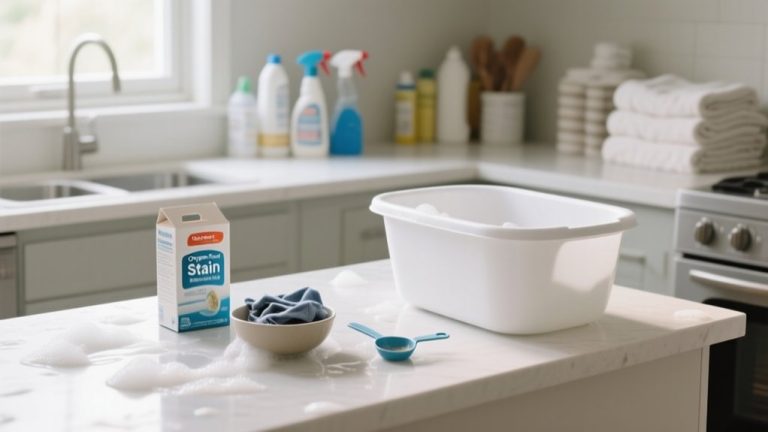
If you’re treating a stain by hand, hold the fabric under clean running water or rinse it in a basin, changing the water if it becomes cloudy.
Don’t rub aggressively, since that can damage fibers or spread a stain. Once you’ve rinsed the item as directed, inspect the treated area before drying; heat can make remaining stains harder to remove.
How the Rinse Cycle Washes Away Detergent
After treating a stain, the rinse cycle removes detergent and loosened soil from your laundry. Your washer drains the used wash water, then adds fresh water to the drum. As the clothes move through this water, detergent residue and suspended dirt loosen from the fabric and disperse.
The washer then drains the rinse water, carrying those particles away. Depending on your machine and selected cycle, it may repeat this process or use a high-speed spin to remove more water.
A thorough rinse helps prevent leftover detergent from making clothes feel stiff, look dull, or irritate sensitive skin.
Use the detergent amount recommended for your load, since excess suds can be harder to rinse out. If garments still feel soapy, an extra rinse can help clear remaining residue.
Is “OxiClean Rinse” a Product or Setting?
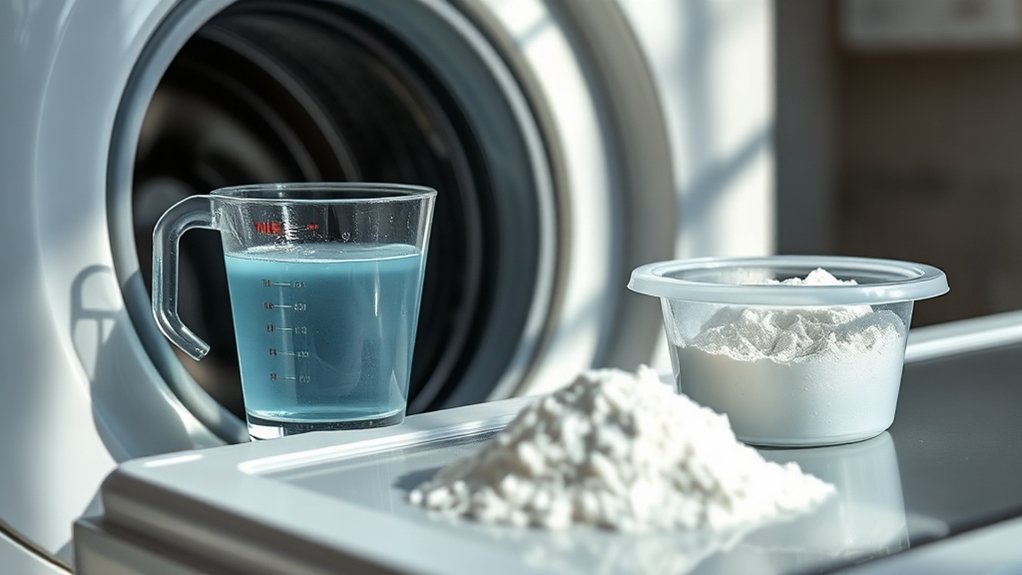
Is “OxiClean Rinse” a product or a washer setting? It’s not a standard OxiClean product name or a special washer setting. You may see the phrase used informally to describe adding an OxiClean laundry product during a rinse or to refer to a washer’s rinse cycle when using OxiClean.
The distinction matters. OxiClean sells laundry additives and detergents, while your washer controls rinse settings.
Check the exact product name on its package to identify what you have, and look at your washer’s control panel or manual to understand its cycle options.
If a label or online listing says “OxiClean Rinse,” it may be describing a use or feature rather than naming a separate product.
Don’t assume the phrase refers to a dedicated rinse formula or setting.
How to Use OxiClean Detergent Safely
To use OxiClean detergent safely, follow the dosage and temperature directions on its label, and check that the product suits your washer and fabrics.
Read the garment care tags before washing, especially for delicate materials, and test colorfastness on an inconspicuous area when needed.
Don’t mix detergent with bleach, ammonia, or other cleaners unless the product label explicitly permits it. Mixing chemicals can create harmful reactions.
Measure the recommended amount rather than guessing, and add it to the dispenser or drum as your washer’s manual directs.
Keep the product in its original container, tightly closed and out of reach of children and pets.
Avoid contact with your eyes and skin; if exposure occurs, follow the package’s first-aid instructions.
Store it in a cool, dry place away from food.
When an Extra Rinse May Help
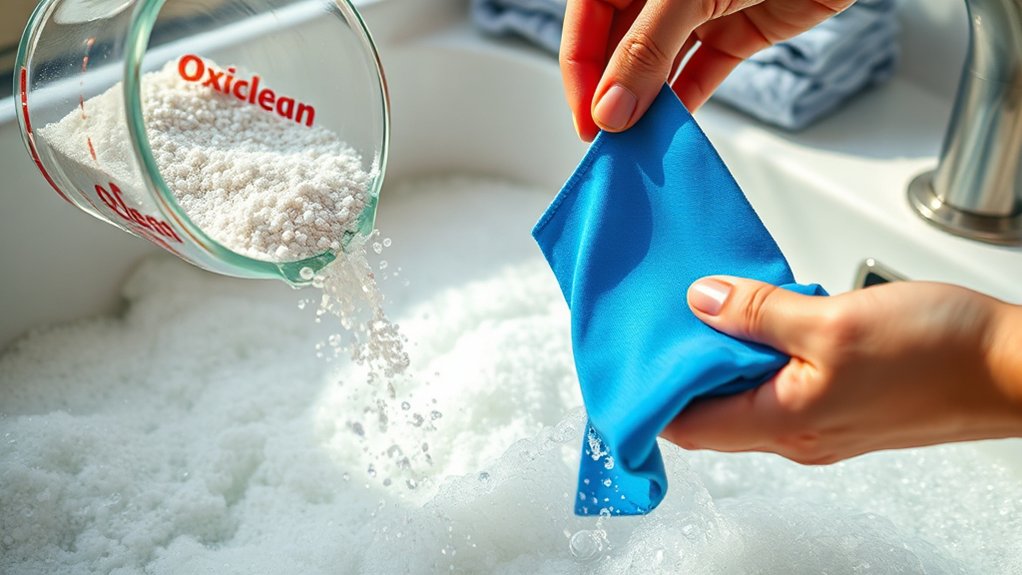
An extra rinse can really make a difference if you have sensitive skin and find that detergent residue tends to irritate it.
You might also want to use one after washing heavily soiled loads, especially when you’ve used more detergent than usual.
If your clothes still feel a bit soapy after the wash, just run another rinse cycle to get rid of any leftover residue.
It’s a simple step that can help your clothes feel fresher and be gentler on your skin.
Sensitive Skin Needs
If you have sensitive skin, detergent residue on clothing may cause irritation, though fragrances, dyes, or other triggers can also be responsible. An extra rinse can help wash away leftover detergent, especially if clothes feel soapy or your skin reacts after wearing freshly washed items.
Follow your washer’s instructions to add the rinse and use a suitable detergent amount. You can also try a fragrance-free, dye-free product since rinsing won’t remove every potential irritant.
Change one laundry habit at a time, then note whether your symptoms improve. If irritation continues, consider other causes and ask a healthcare professional for guidance. Don’t assume detergent is the culprit based on symptoms alone.
For persistent or severe reactions, stop using products you suspect and seek medical advice rather than relying only on an extra rinse.
Heavy Detergent Loads
Beyond sensitive-skin concerns, an extra rinse may help when a load has more detergent residue than usual. You might use too much detergent by misjudging the load size, choosing a concentrated formula, or adding a full dose to a small wash.
Bulky items, such as blankets and towels, can also trap suds when the washer is packed tightly. If you’ve overloaded the drum or selected a cycle that uses little water, a second rinse can help flush detergent from the fabric.
Check your detergent’s dosing instructions and your washer’s manual before adding another rinse. High-efficiency machines need less detergent, so measure carefully rather than routinely running extra cycles.
For a heavily soiled load, use the recommended amount and an appropriate cycle; more detergent doesn’t necessarily clean better. An extra rinse is a useful option when you’ve used too much, not a substitute for correct dosing.
Lingering Soap Residue
Sometimes detergent residue remains even after you’ve measured the dose correctly. Hard water, an overloaded washer, or a short cycle can keep detergent from rinsing away. You may notice slippery fabric, white streaks, or a strong scent after washing.
An extra rinse can help clear residue, especially from towels, dark clothes, or items worn next to your skin.
| Clue | Likely cause | What you can do |
|---|---|---|
| Slippery feel | Leftover detergent | Run an extra rinse |
| White streaks | Poor dissolving | Use less detergent |
| Strong scent | Excess product | Choose an unscented dose |
Before adding another rinse, check your washer’s load size and detergent instructions. Don’t add more detergent to fix residue; that can actually make buildup worse.
If the problem persists, clean the washer and adjust your dose for water hardness.
What to Check if Clothes Still Feel Soapy?
If your clothes still feel soapy, first make sure you selected a full rinse cycle. Sometimes, a quick rinse just isn’t enough to get all the soap out.
You might also want to cut back on how much detergent you’re using, especially if you’ve been adding more than the label suggests. Too much detergent can leave behind residue that makes clothes feel soapy.
Another thing to check is your washer itself. Take a look for any buildup or drainage problems that might be causing soap to stick around.
If the machine isn’t draining properly or has gunk inside, it can leave a residue on your clothes even after rinsing. So, a little maintenance might do the trick!
Check the Rinse Cycle
When clothes still feel soapy after washing, check that the rinse cycle completed and your washer drained properly. A paused cycle, blocked drain, or interrupted water supply can leave detergent on fabric. Review your washer’s display and listen for the final drain and spin.
Then inspect these points: confirm you selected a cycle that includes a rinse. Check whether the cycle stopped early or showed an error. Make sure the water supply valves are open and hoses aren’t kinked.
Look for standing water in the drum after the cycle ends. Clean the drain filter if your washer’s manual recommends it.
If everything appears normal, run an extra rinse with no added products. Check the clothes afterward, and consult your washer’s manual or a technician if the problem keeps happening.
Reduce Detergent Amount
Even when the rinse cycle works properly, too much detergent can leave clothes feeling soapy. Check the product label and measure each dose instead of estimating. You may be using more than your load needs, especially with concentrated detergent or a high-efficiency formula.
Follow the package directions for your load size and water hardness, then reduce the amount slightly if suds or residue remain. Consider how full your load is, too. A small load usually needs less detergent than a large one, while heavily soiled items may need the label’s recommended dose.
Don’t add extra detergent just because clothes look dirty; pretreat stains instead. If you use detergent pods, don’t cut or split them.
Try a smaller load or a suitable liquid or powder dose. Rerun a soapy load with an extra rinse, using no detergent.
Inspect the Washer
Inspect the washer if clothes still feel soapy after you’ve reduced the detergent and run an extra rinse. Detergent buildup or a drainage problem may leave residue on your clothes. Check these areas before washing another load:
- Detergent dispenser: Remove it and rinse away sticky detergent or fabric softener.
- Drum: Wipe the inside with a damp cloth to clear visible residue.
- Drain filter: Check your manual for its location, then remove lint and debris safely.
- Drain hose: Look for kinks or blockages that could prevent water from draining fully.
- Washer cycle: Choose a rinse-and-spin option and confirm the machine fills and drains properly.
If residue persists, run the washer’s cleaning cycle with an approved cleaner. Follow your manual’s instructions, and contact a repair professional if drainage or rinsing still seems faulty.
Don’t add more detergent to fix the problem.
Frequently Asked Questions
Can Oxiclean Damage Delicate Fabrics?
Yes, OxiClean can damage delicate fabrics, especially silk, wool, leather, or items labeled dry-clean only.
Its oxygen-based bleach may fade colors or weaken fibers if you use too much, leave it on too long, or apply it directly.
Check the garment’s care label and the product directions first.
Test a hidden spot, use a suitable formula, and rinse thoroughly.
When you’re unsure, choose a gentler detergent instead.
Is Oxiclean Safe for Septic Systems?
Yes, you can generally use OxiClean with a septic system when you follow the label directions.
Use the recommended amount, avoid excessive or frequent doses, and don’t pour concentrated product directly into your tank.
Your septic system relies on beneficial bacteria, and ordinary household use is unlikely to disrupt them.
Check the specific product label since formulas vary, and contact your septic professional if your system is already struggling.
Does Oxiclean Expire or Lose Effectiveness?
Yes, OxiClean can lose effectiveness over time, especially if moisture gets into the powder or you store it somewhere hot.
You’ll get the best results by keeping it tightly sealed in a cool, dry place and checking the package for a date or storage guidance.
If the powder’s clumpy, discolored, or doesn’t dissolve well, replace it.
For liquid OxiClean, follow the label’s expiration guidance, since its formula may weaken sooner.
Can Oxiclean Remove Rust Stains?
Yes, OxiClean may lighten some rust stains, but it usually won’t remove them completely.
Its oxygen-based formula works best on organic stains, while rust requires a rust-specific remover.
You can try soaking washable fabric in OxiClean according to the label, but don’t use chlorine bleach, which can set rust stains.
Test the fabric first, and avoid OxiClean on wool, silk, leather, or other materials the product label excludes.
Is Oxiclean Safe to Use Around Pets?
OxiClean can be used around pets if you keep them away from the product and treated areas until everything’s fully rinsed and dry.
Don’t let your pet lick the powder, solution, or wet fabric, and store the container securely.
If you spill any, clean it up promptly.
Check the product label for specific precautions, since formulas vary.
If your pet swallows OxiClean or develops symptoms, contact a veterinarian or animal poison control right away.
Conclusion
When you see “rinse” on an OxiClean laundry label, it usually refers to the washer’s rinse cycle, not a special product or setting. Follow the package directions, measure detergent carefully, and add an extra rinse if clothes still feel soapy or you have sensitive skin.
Check your washer’s manual if you’re unsure how to select the cycle. A thorough rinse helps wash away leftover detergent, leaving your laundry fresh and comfortable, like clearing the last clouds from a bright sky.