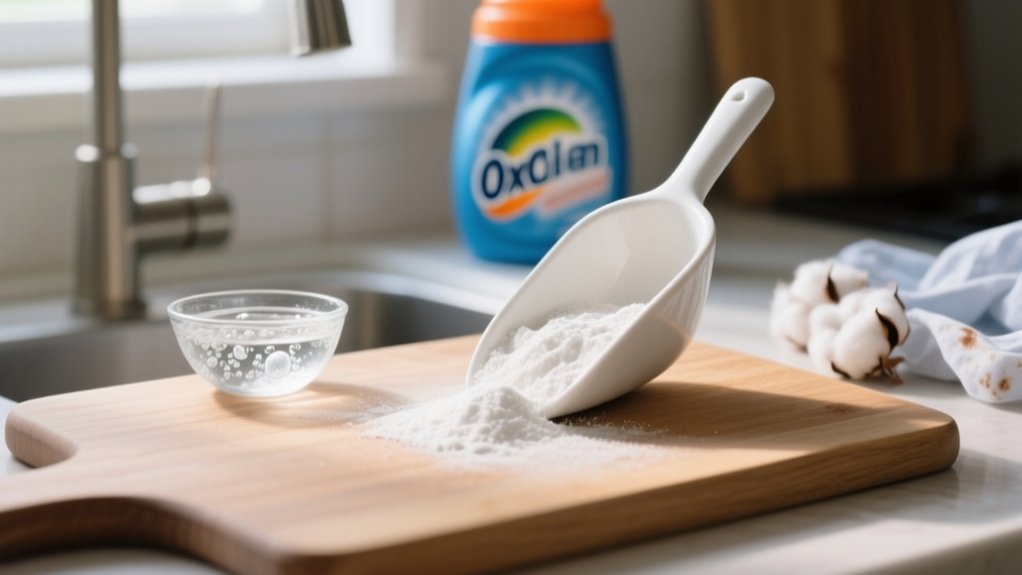
Does Oxiclean Powder Have Enzymes – Fact Check
OxiClean powder doesn’t always contain enzymes; the ingredients vary by product, version, and market. Some formulas, including certain White Revive and Dark Protect versions, may list enzymes, while Versatile Stain Remover powder typically doesn’t.
Check your package’s ingredient list for terms such as protease, amylase, or lipase, and contact the manufacturer if it’s unclear. Enzyme-free powders can still remove stains using oxygen-based ingredients and other cleaners.
Keep reading to see how formulas differ and which one suits your laundry needs.
Does OxiClean Powder Contain Enzymes?
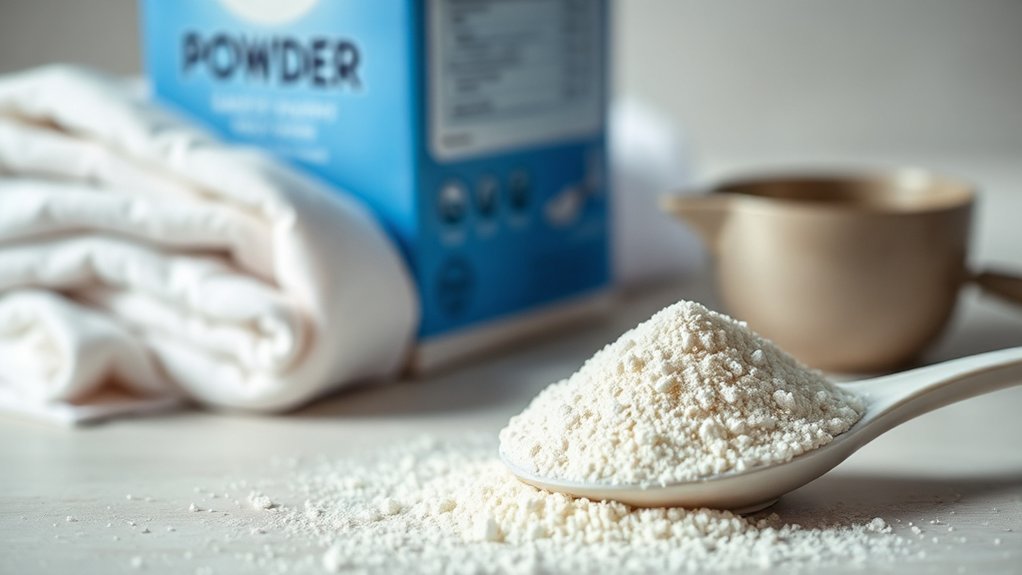
Does OxiClean powder contain enzymes? Some formulas do, but you shouldn’t assume every powder includes them. Enzymes are proteins that help break down specific stains, such as food, grass, or blood.
OxiClean’s cleaning action can also come from oxygen-based ingredients, which release oxygen in water to help lift stains and brighten fabrics. That means a product can clean effectively without relying on enzymes.
To check a package, read its ingredient list and product details rather than judging by the OxiClean name alone. Look for enzyme terms such as protease, amylase, or lipase, or contact the manufacturer if the label doesn’t provide enough information.
You can also follow the package’s directions for water temperature, soaking, and fabric compatibility. These steps help you choose and use a cleaner appropriately for your laundry needs.
Which OxiClean Powders Contain Enzymes?
Which OxiClean powders contain enzymes? OxiClean White Revive powder and OxiClean Dark Protect powder list enzymes in some product formulations.
OxiClean White Revive and Dark Protect powders list enzymes in some formulations, though ingredients can vary by product version.
These specialty laundry boosters may use enzymes to target certain stains while supporting their fabric-specific cleaning claims.
OxiClean Versatile Stain Remover powder, the brand’s general-purpose oxygen-based booster, is commonly formulated without enzymes. Its cleaning action relies primarily on sodium percarbonate and other ingredients.
Formulas can vary by product version, market, and date, so don’t assume every package with the same product name has identical ingredients.
You may also encounter OxiClean powders sold for particular uses, such as laundry or household cleaning, that differ in composition.
If you’re choosing a powder specifically for enzyme-based stain removal, focus on the exact product formulation rather than the OxiClean name alone.
How Can You Check an OxiClean Label?
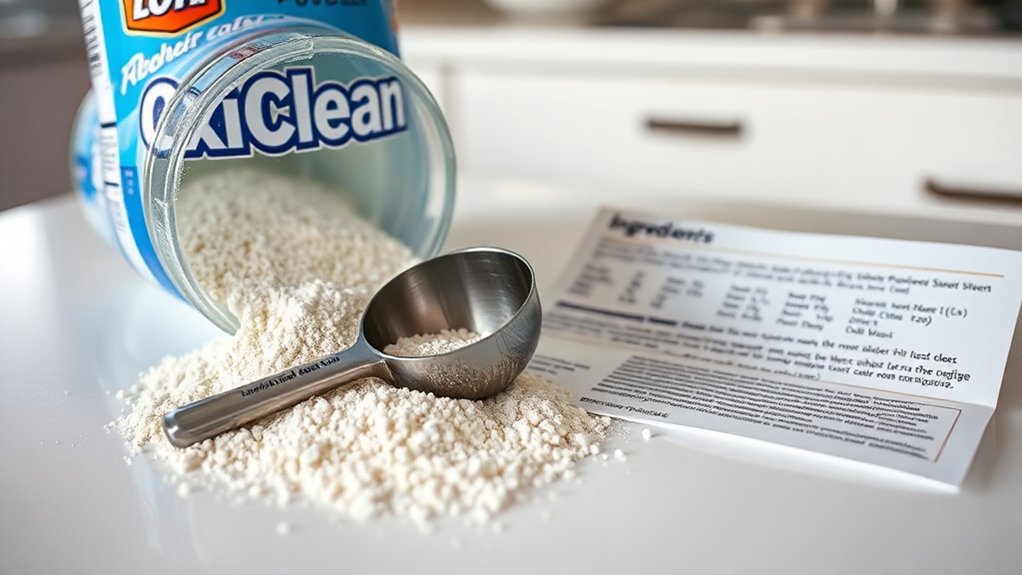
To check whether an OxiClean powder contains enzymes, read the ingredient list on the exact package you’re buying. Formulas can differ by product, variety, and market, so don’t rely on a description for another OxiClean powder.
Look for terms such as “enzymes,” “protease,” “amylase,” or “lipase.” The ingredient panel may name a specific enzyme rather than use the general word.
If the label doesn’t list ingredients, check the manufacturer’s product page or contact customer service with the product name and UPC code.
You can also compare the package’s full name and formula details with the listing; similar-looking containers may not have identical ingredients.
Don’t assume that a stain-fighting claim confirms enzymes are present. If the label or manufacturer doesn’t provide enough detail, treat the answer as unconfirmed rather than guessing.
How Do Enzymes Clean in OxiClean Powder?
Once you’ve confirmed a powder contains enzymes, their job is to break certain stains into smaller pieces that wash away more easily. Different enzymes target different materials.
Protease acts on protein stains, such as blood, egg, or grass, while amylase helps loosen starch-based spills, such as sauces. Lipase targets greasy residues, including cooking oil.
By breaking these substances down, enzymes help release them from fabric fibers so water and detergent can carry them away during washing.
For best results, follow the package directions and choose a wash temperature suited to the garment and product. Enzymes work on specific stain types, so they won’t treat every mark equally.
Pretreating a stain, when the label allows, can give the enzymes more time to act. Check the care label first, and don’t use a product on fabrics its instructions exclude.
What Cleans OxiClean Powder Without Enzymes?
Even without enzymes, OxiClean powder still gets the job done by using oxygen-based bleaching to lift stains.
On top of that, it contains alkaline cleaning agents and surfactants that work together to loosen and remove dirt and grime.
Plus, water softeners in the formula help improve cleaning results, especially if you’re dealing with hard water.
Oxygen-Based Bleaching
Although OxiClean powder can work without enzymes, its oxygen-based bleach still tackles stains. When you dissolve the powder in water, sodium percarbonate releases hydrogen peroxide, which supplies the oxygen-based cleaning action. This process helps loosen colored stains and brighten washable fabrics without relying on enzyme digestion.
You can picture the effect as bubbles working through a spill:
| Stain | What you may notice |
|---|---|
| Coffee | Brown marks fade |
| Tea | Dark traces lift |
| Juice | Bright color diminishes |
For best results, follow the package directions and check the garment’s care label before soaking or washing. Test the solution on a hidden area first, especially with colored or delicate fabric.
Oxygen bleach can help with many everyday stains, but it won’t remove every mark. Results depend on stain type, water temperature, and treatment time.
Alkaline Cleaning Agents
Alongside oxygen bleach, alkaline ingredients help OxiClean powder clean without enzymes. Sodium carbonate, commonly called washing soda, raises the wash water’s pH. This alkaline environment helps loosen greasy, oily soil and food residue from fabrics, so you can rinse away stains more easily.
It also supports oxygen bleach by creating conditions that help release its cleaning power during washing.
You don’t need enzymes for this process: alkalinity works through chemical conditions rather than enzymes that break down specific stains. Still, results depend on the stain, fabric, water temperature, and product directions.
Check the label before treating delicate or specialty fabrics, and test an inconspicuous area when you’re unsure.
Use the recommended amount; adding extra powder won’t necessarily improve cleaning and could leave residue. For stubborn stains, follow the package’s soaking or pretreatment instructions.
Surfactants and Water Softerners
Surfactants help OxiClean powder clean by loosening soil from fabric so water can carry it away. They support stain removal without enzymes, which break down specific organic stains.
Water softeners also help: they bind minerals such as calcium and magnesium that can interfere with cleaning. Together, these ingredients help you get more from the powder, especially in hard water.
- Surfactants lift grime: They help water spread across fibers and release oily or greasy soil, so rinsing can remove it.
- Water softeners reduce mineral interference: By tying up hardness minerals, they let cleaning ingredients work more effectively.
- Oxygen bleach tackles stains: OxiClean’s sodium percarbonate releases hydrogen peroxide in water, helping brighten fabrics and oxidize stains.
Your results depend on the product formula, water temperature, and directions.
Check the label, measure carefully, and test delicate or colorfast fabrics first.
How Do OxiClean Formulas Differ in Use?
OxiClean formulas use different combinations of ingredients, so choose one based on the job. Some target everyday laundry stains, while others are designed for specific needs, such as whitening or cleaning carpets. Check the label to match the product to your fabric, surface, and cleaning method.
For laundry, you can add a suitable powder to a wash load or use it for soaking, following the package directions. White Revive is formulated to brighten whites, while versatile stain removers work across many washable fabrics.
Use laundry powders in a wash or soak as directed; White Revive brightens whites, while versatile stain removers suit washable fabrics.
Carpet and upholstery products are made for those surfaces; don’t substitute laundry powder unless the label allows it.
Formulas may also differ in enzymes and other ingredients, so don’t assume every OxiClean product contains the same stain-fighting components. Follow dosage and safety instructions, and test colorfastness on a hidden area before treating a surface.
Frequently Asked Questions
Is Oxiclean Powder Safe for Septic Systems?
Yes, OxiClean powder is generally considered safe for septic systems when you use it as directed.
Its oxygen-based cleaner breaks down into substances that septic systems can typically handle.
Normal laundry amounts shouldn’t disrupt beneficial bacteria.
Don’t pour large quantities into drains or use more than the label recommends.
If your system is sensitive, unusually small, or already struggling, check with your septic professional before using it.
Can Oxiclean Powder Damage Colored Fabrics?
A bright shirt can emerge fresh or faded if you use OxiClean Powder carelessly. Yes, it can damage colored fabrics, especially delicate materials, unstable dyes, or garments exposed to a strong solution for too long.
Check the care label and product directions, then test a hidden spot first.
Don’t use it on wool, silk, or leather. For colorfast items, dilute and soak only as directed, and rinse thoroughly before washing.
How Should Oxiclean Powder Be Stored Safely?
Store OxiClean powder in its original, tightly sealed container in a cool, dry place. Keep it away from moisture, heat, and direct sunlight.
Dampness can cause clumping and reduce its effectiveness.
Put the container somewhere children and pets can’t reach, and don’t transfer the powder to an unlabeled container.
Always close the lid after use, avoid breathing in dust, and follow the package’s storage and safety instructions.
Is Oxiclean Powder Safe to Use Around Pets?
OxiClean powder can harm pets if they ingest it or get it in their eyes or on their skin, so use it cautiously.
Keep the container sealed and stored out of your pet’s reach.
Don’t let your pet enter the area while you mix or apply the product, and follow the label’s directions.
Rinse treated surfaces thoroughly and let them dry before your pet returns.
If exposure occurs, contact your veterinarian or a poison-control service.
Can Oxiclean Powder Remove Odors From Laundry?
Yes, OxiClean powder can remove many laundry odors. Imagine opening your washer and catching a fresh scent instead of stale sweat or mustiness.
Add the amount listed on the package to your wash, following the fabric-care label and product directions.
For stubborn smells, soak washable items in a properly diluted solution before washing.
Don’t mix OxiClean with chlorine bleach or other cleaners, and test delicate or colorfast fabrics first to help prevent damage.
Conclusion
OxiClean powder isn’t one uniform formula: some varieties list enzymes, while others rely on oxygen-based bleaching and other ingredients. That difference matters when you’re targeting protein stains, but it doesn’t make an enzyme-free powder ineffective.
Check the ingredient panel on your specific package, since formulas can vary. Then choose according to the stain and fabric care label. You don’t need to guess or assume every OxiClean powder works the same way to find the right cleaner for your laundry.