How Does Oxiclean Compare To Other Stain Removers – Guide
OxiClean uses an oxygen-based formula to lift a broad range of everyday stains, and you can adjust its powder for soaking or boosting a wash. Spray removers offer faster, direct treatment for small spots, while enzyme cleaners target protein stains. Grease-cutting detergents tackle oily messes.
Choose based on the stain, fabric, and product directions; don’t use OxiClean on wool, silk, or leather. A closer comparison can help you find the right remover for each laundry challenge.
How Do OxiClean and Other Removers Compare?
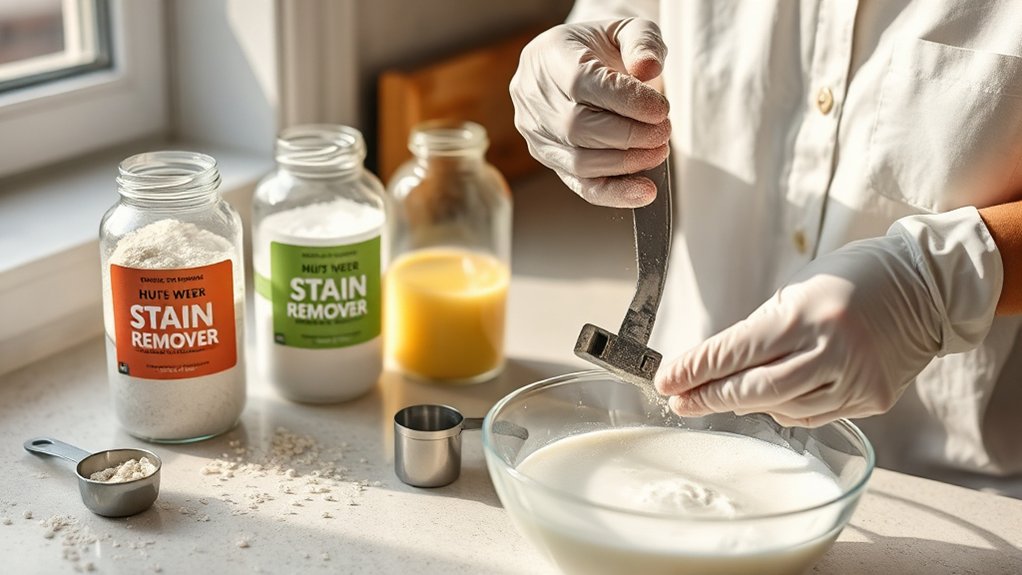
How does OxiClean stack up against other stain removers? The answer depends on the stain, fabric, and formula you choose.
OxiClean’s oxygen-based products can help lift many everyday marks from washable fabrics, while enzyme cleaners often target protein stains such as blood or food.
Oxygen-based cleaners tackle everyday fabric stains, while enzyme formulas are often better suited to protein marks like blood and food.
Grease may respond better to a detergent designed to cut oils, and chlorine bleach can whiten some durable whites but risks damaging colors and delicate fibers.
Compare labels before treating a garment. Check whether a product suits the material, the stain, and the wash method you plan to use.
You’ll also want to weigh price, package size, and the time required for soaking or pretreatment.
For best results, follow directions and test the cleaner on a hidden area first. No remover works equally well on every stain.
What Sets OxiClean Apart?
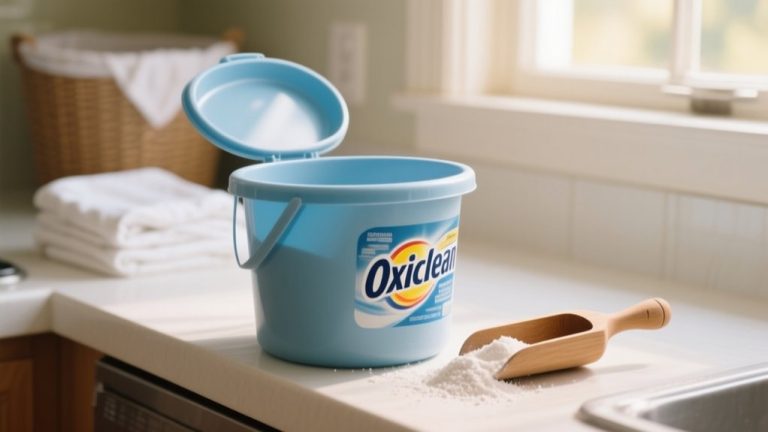
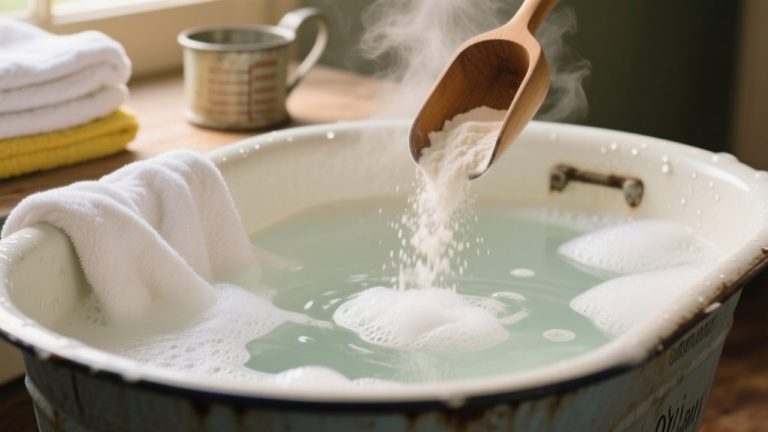
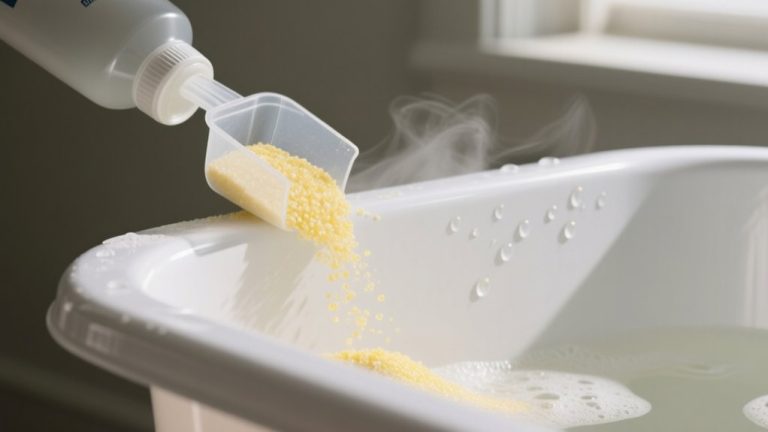
What sets OxiClean apart is its oxygen-based formula, which releases cleaning agents in water to help loosen stains and brighten washable fabrics. You can use it as a laundry booster or soak, following the label’s directions and checking fabric care instructions first.
Its powder format lets you adjust the amount for different loads and cleaning tasks. Here’s a quick look at what that means for you:
| Feature | What it does | Your benefit |
|---|---|---|
| Oxygen-based action | Helps loosen stains | Supports a fresher wash |
| Powder format | Dissolves in water | Offers flexible use |
| Multiple applications | Works in laundry or soaks | Fits varied cleaning needs |
You’ll get the best results when you treat stains promptly, use the recommended amount, and test colorfastness on an inconspicuous area. Don’t use it on wool, silk, or leather.
OxiClean vs. Spray Stain Removers
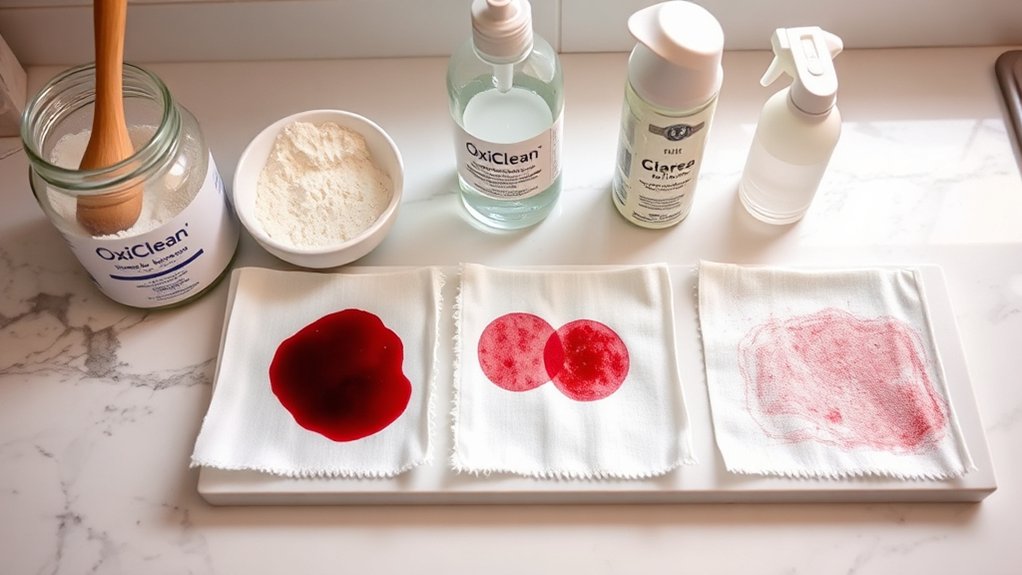
OxiClean and spray stain removers tackle stains in different ways: OxiClean mixes with water for soaking or boosting a wash, while sprays let you apply cleaner directly to a spot. You can choose based on the stain’s size, your laundry routine, and the care label.
For a small mark on a shirt or upholstery, a spray offers quick, targeted treatment without preparing a basin. Apply it as directed, let it sit for the recommended time, then wash or blot the fabric.
OxiClean suits larger loads, widespread stains, or items that benefit from a longer soak. You can also add it to a wash for extra cleaning support.
Check fabric instructions before using either product, and test an inconspicuous area first. Don’t let a treated spot dry before laundering if the label advises otherwise.
OxiClean vs. Enzyme Cleaners
Because they work differently, OxiClean and enzyme cleaners suit different stains. OxiClean uses oxygen-based ingredients to help lift many types of stains, while enzymes break down specific substances such as food, blood, or grass. Your choice depends on the formula, fabric care label, and cleaning task.
| Feature | OxiClean |
|---|---|
| Action | Oxygen-based stain lifting |
| Best fit | Broad stain removal |
| Feature | Enzyme cleaners |
| Action | Targeted breakdown of organic matter |
| Best fit | Enzyme-compatible materials |
Check product directions before treating fabric. You’ll usually need to let an enzyme formula sit for its recommended time. OxiClean may require soaking or mixing, depending on the product.
Don’t combine cleaners unless their labels specifically allow it. For delicate or colorfastness concerns, test a hidden area first. Keep both products away from children and follow storage instructions.
Neither option works universally, so compare ingredients and directions to choose the right approach for your needs.
How Do Removers Handle Common Stains?
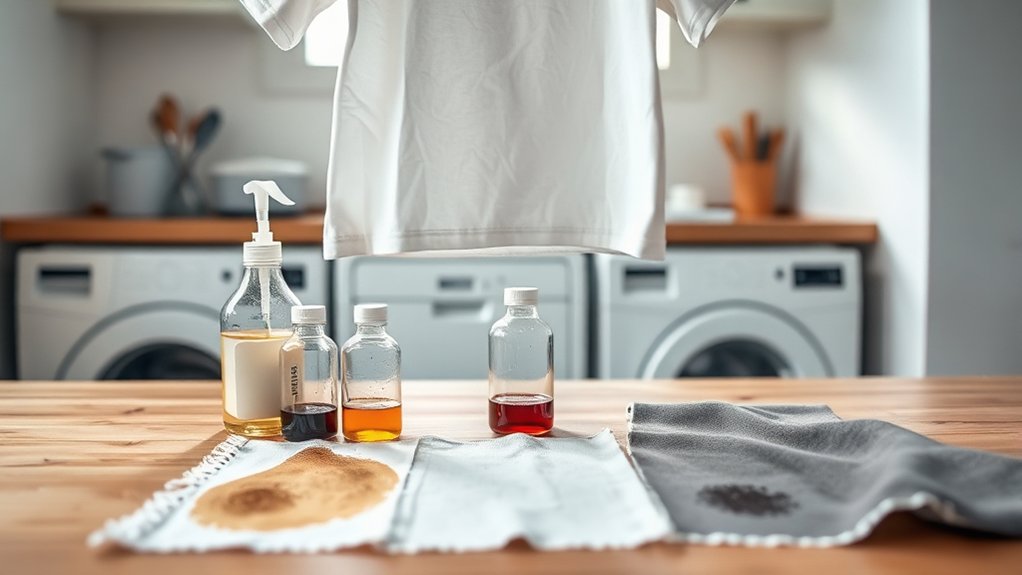
Different stain removers target different messes, so match the product to the stain and fabric.
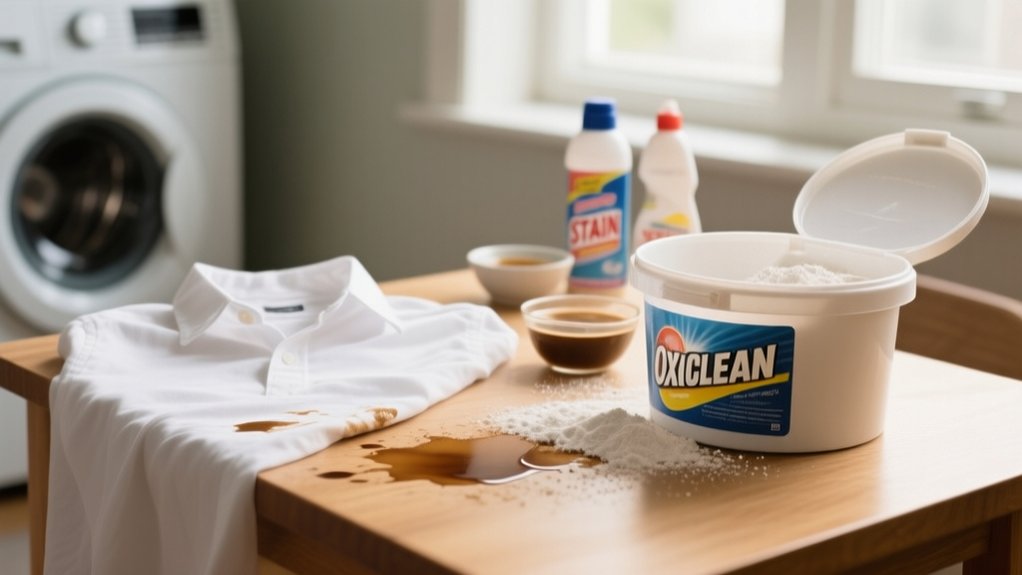
For coffee, tea, and juice, oxygen-based powders such as OxiClean can help lift colored residue, especially when you soak the item before washing.
Chlorine bleach may brighten white laundry, but it can damage colors and isn’t a universal stain treatment.
Grease and cooking oil often respond better to dish soap or a detergent with surfactants, which loosen oily buildup.
For blood, sweat, and food stains containing protein, enzyme cleaners can break down residue; use cool water first, since heat may set it.
Mud usually needs dried particles brushed away before laundering.
Ink and paint vary widely, so check the product label and treat promptly.
No remover works equally well on every stain; follow directions and recheck before drying.
Which Removers Are Safe for Each Fabric?
Before treating a stain, check the garment’s care label and the remover’s instructions. OxiClean and other oxygen-based products often suit colorfast cotton and polyester, but test a hidden spot first. Don’t use them on wool, silk, leather, or fabrics marked dry-clean only.
Chlorine bleach can damage colors and weaken many fibers, so reserve it for bleach-safe whites.
| Fabric | Safer approach |
|---|---|
| Cotton | Test oxygen-based remover |
| Polyester | Check colorfastness first |
| Wool | Use a wool-safe product |
| Silk | Choose silk-safe treatment |
| Leather | Follow specialist care |
For delicate or uncertain materials, choose a remover labeled for that fabric or ask a professional cleaner. Apply products as directed and avoid mixing removers; combinations can harm fibers or create hazardous fumes.
If a care label warns against water, don’t spot-treat at home.
How Do Price and Treatment Time Compare?
Price and treatment time vary by product and stain. OxiClean powders often cost less per load than specialty sprays, though package size and retailer prices affect the total. You may pay more upfront for a concentrated formula, but it can last longer when you use the measured amount.
Compare the cost per treatment rather than the shelf price alone.
Treatment time also differs. Many sprays work after a short wait, while oxygen-based powders may need several minutes or a longer soak for stubborn marks. Check each label for the recommended duration; leaving a product on longer won’t always improve results and could affect fabric.
You’ll also need to account for setup, soaking, and laundering time. A quick spray may suit fresh spots, while a soak takes more time but can cover larger or older stains.
How Do You Choose a Stain Remover?
To choose a stain remover, start by figuring out what kind of stain you’re dealing with because different formulas work better on different messes.
Next, take a look at the product label to make sure it’s safe for your fabric. Doing this helps you avoid any damage and pick the most effective treatment.
Identify the Stain Type
Choosing the right stain remover starts with identifying what caused the stain. Different stains respond to different cleaning ingredients, so check the mark before choosing a product.
Water-based stains often lift with oxygen bleach, while oily marks may need a formula that targets grease. Protein stains, such as blood or milk, call for enzymes. Tannin stains from coffee or wine may respond to oxygen-based cleaners.
| Stain type | Common examples | Look for |
|---|---|---|
| Protein | Blood, milk, egg | Enzymes |
| Oil-based | Grease, makeup | Degreasing agents |
| Tannin | Coffee, wine, tea | Oxygen-based cleaner |
If you’re unsure what caused a mark, consider its color, texture, and source. A targeted remover can work more effectively than a general-purpose product. Always follow the product’s directions for best results.
Check Fabric Compatibility
Before applying a stain remover, check that it’s safe for the fabric. Read the garment’s care label and the product directions before treating a spot.
OxiClean and other oxygen-based removers can work well on many washable fabrics, but they may damage wool, silk, leather, or fabrics marked dry-clean-only. Don’t assume a product suits every item just because it’s color-safe.
For colored clothes, test the remover on a hidden seam or hem. Apply it as directed, wait the recommended time, then rinse and check for fading or color transfer. If the fabric changes, choose a gentler option or consult a cleaner.
Use extra care with delicate fibers, trims, and finishes, which may react differently from the main fabric.
When you’re unsure, follow the care label and avoid soaking the item. A small test can prevent costly damage.
Frequently Asked Questions
Can Oxiclean Cause Skin Irritation or Allergic Reactions?
Yes, OxiClean can irritate your skin or trigger an allergic reaction, especially if you have sensitive skin or touch concentrated powder or solution.
Wear gloves when handling it, and follow the product label.
If it gets on your skin, rinse thoroughly with water.
Stop using it if you develop redness, itching, or a rash.
Seek medical advice for severe symptoms, swelling, or breathing trouble, and check the label for specific safety guidance.
How Should Oxiclean Be Stored Safely Around Children and Pets?
Treat safe storage like a locked gate: keep OxiClean in its original, tightly sealed container, high up and inside a locked cabinet that children and pets can’t reach.
Store it in a cool, dry place, away from heat, moisture, food, and other chemicals.
Don’t transfer it into drink bottles or unlabeled containers.
After each use, clean spills promptly and wash your hands.
Follow the product label, and contact poison control if anyone swallows it.
Can Oxiclean Be Used to Clean Carpets or Upholstery?
Yes, you can use some OxiClean products on carpets and upholstery, but check the label first. Formulas and fabric compatibility vary.
Test the product on a hidden spot, following its directions, and wait for the area to dry to check for color changes.
Don’t use it on wool, silk, leather, or other materials the label excludes.
Blot stains rather than rubbing, and avoid soaking the fabric or carpet backing.
Keep children and pets away until it’s dry.
What Should You Do if Oxiclean Accidentally Gets in Your Eyes?
If OxiClean splashes into your eyes, rinse them immediately with clean, lukewarm water for at least 15 to 20 minutes.
Imagine you’re cleaning a spill when a sudden splash leaves your eye burning. Don’t rub it or wait to see whether it improves.
Remove contact lenses while rinsing if they come out easily.
Call Poison Control or seek urgent medical care, especially if pain, redness, blurred vision, or irritation continues.
Keep the product container nearby.
Can Oxiclean Be Mixed With Bleach or Other Cleaning Products?
No, you shouldn’t mix OxiClean with bleach or other cleaning products. Combining cleaners can trigger dangerous reactions, release harmful fumes, or reduce cleaning effectiveness.
Use OxiClean only as directed on its label, and don’t add it to a bleach solution, ammonia, vinegar, or another product.
If you need to switch cleaners, rinse the surface thoroughly with water first and let it dry.
Always ventilate the area and wear gloves when handling cleaning products.
Conclusion
Choose OxiClean when you need a versatile soak for everyday stains. Choose a spray when you want quick, targeted treatment. And choose an enzyme cleaner for protein-based messes.
Check the label before treating delicate fabrics. Test a hidden spot and follow the recommended soak time.
Compare cost per use, not just shelf price. Match the remover to the stain, fabric, and time you have. You’ll clean with confidence, protect your clothes, and avoid wasting effort.