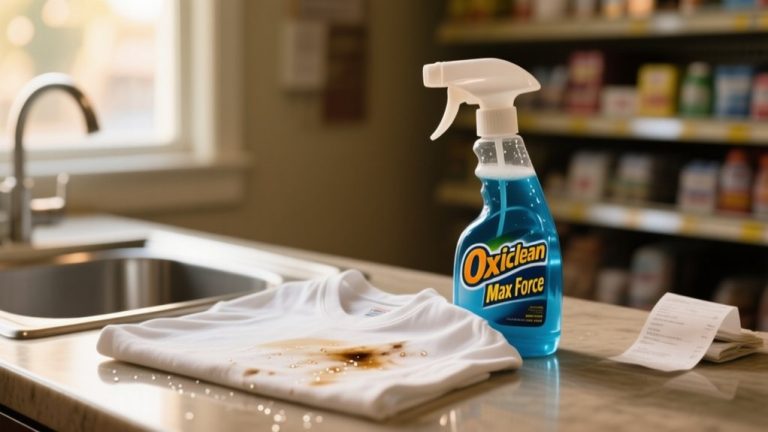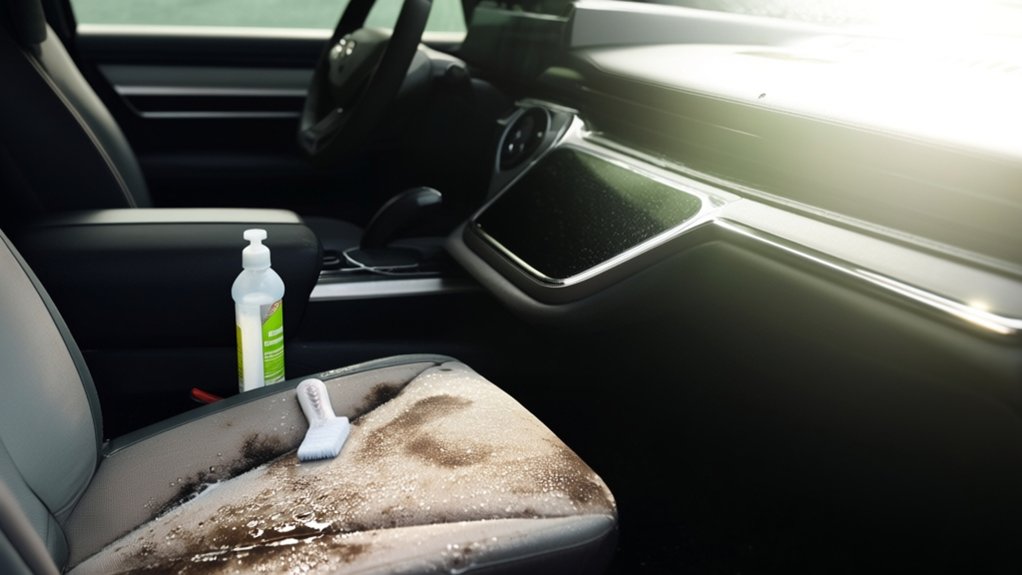
Can You Use Oxiclean On Car Seats – Quick Answer
You can use diluted OxiClean on some colorfast fabric car seats, but check the care label first. Avoid using it on leather or suede, since it can discolor finishes or alter the texture.
Vacuum cloth seats, follow the product’s dilution directions, and test the solution on a hidden spot before treating a stain. Apply gently, then wipe away residue with a clean, damp cloth and let the seat dry fully.
A few material-specific precautions can help you clean more safely.
Can You Use OxiClean on Car Seats?
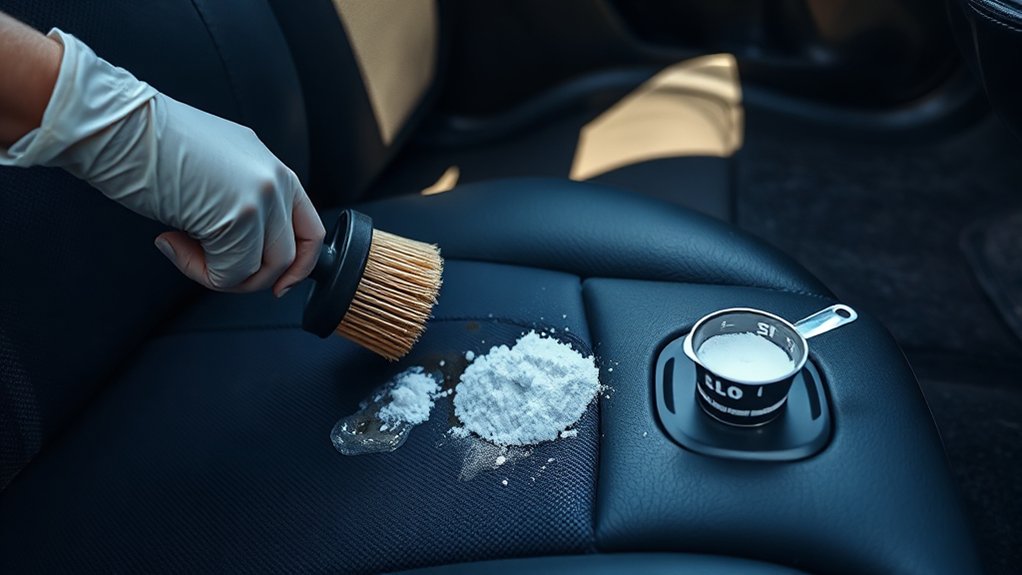
You can use OxiClean on some fabric car seats, but check the upholstery care label and product instructions first. The cleaner may help lift certain stains, but it isn’t suitable for every seat or cleaning situation.
OxiClean may work on some fabric car seats, but check the upholstery label and product instructions before use.
Follow the label’s dilution directions, and don’t apply the product directly unless its instructions allow it. Test the solution on a hidden spot first, then wait for the area to dry and check for color changes or damage.
If the test looks safe, use a small amount and avoid soaking the seat. Blot gently with a clean cloth rather than scrubbing, which can spread stains or harm the upholstery.
Remove any cleaner residue as directed, and let the seat dry fully before sitting on it.
If you’re unsure, choose a cleaner recommended by your vehicle’s manufacturer.
Which Car Seat Materials Are Safe for OxiClean?
OxiClean is generally best suited to colorfast fabric upholstery, but the exact material and care label matter. Check your vehicle’s manual or the seat tag before treating any surface, and follow the cleaner’s product directions.
These fabric types may be suitable when their labels allow water-based cleaning:
- Woven cloth: Common seat fabric can often handle a diluted solution if it’s colorfast.
- Polyester blends: These durable textiles may tolerate spot treatment, but test first.
- Removable fabric covers: You can treat washable covers only when their care instructions permit the product and method.
Before cleaning, test a hidden area with a small amount of diluted solution. Wait until it dries, then check for color transfer, fading, or texture changes.
Apply sparingly with a cloth; don’t soak seat padding, seams, or nearby electrical components. Remove residue as directed and let the area dry fully.
Why to Avoid OxiClean on Leather and Suede
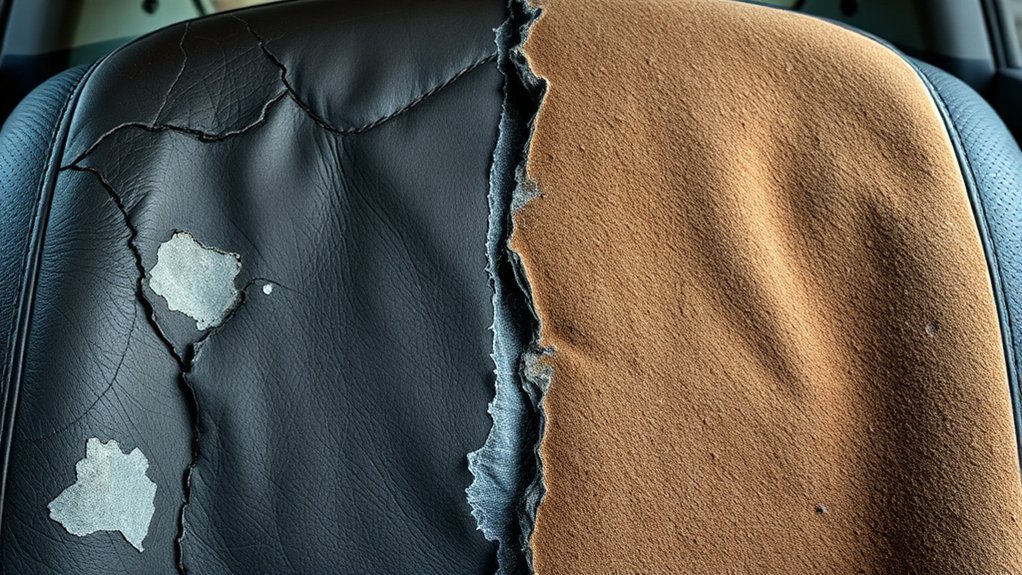
OxiClean isn’t the best choice for your leather seats because it can damage the finish, leaving it dull or even discolored.
When it comes to suede, it might flatten the texture or change how it feels.
So, it’s really better to pick a cleaner that’s made specifically for the material you’re working with.
That way, you keep your seats looking great without any unwanted surprises.
Leather Finish Damage
Although OxiClean can lift stains from some fabrics, it’s too harsh for leather and suede. Its oxygen-based cleaning agents can disrupt leather’s protective finish, leaving the surface dull, discolored, or prone to drying and cracking.
Because car-seat leather may have a delicate coating, you can’t assume a product safe for upholstery is safe for it.
- Finish breakdown: OxiClean may strip or weaken the coating that helps protect leather from everyday wear.
- Color changes: The cleaner can lighten, darken, or unevenly mark the finish, especially if you use it undiluted.
- Lasting damage: Once the coating is compromised, routine cleaning may become harder, and you might need professional refinishing.
Check your vehicle’s care guide and use a leather-specific cleaner instead. Test it in a hidden spot first.
Suede Texture Changes
On suede, OxiClean can flatten the nap, stiffen the fibers, or leave rough, uneven patches that are difficult to restore. Its cleaning action can disturb the delicate surface, changing how the material feels and reflects light. You may notice a smooth, matted spot beside the surrounding soft, raised fibers.
Moisture can also spread through suede unevenly, making texture changes more visible as the material dries.
| Effect | What you may notice |
|---|---|
| Flattened nap | A smooth, shiny patch |
| Stiff fibers | A harsher, less flexible feel |
| Uneven drying | Blotchy texture or shading |
These changes can remain even after the seat looks clean. Suede’s surface doesn’t respond like woven cloth, so rubbing or repeated treatment may worsen the damage.
If your car seats have suede panels, check the material label before applying any cleaner.
Safer Cleaning Alternatives
Because leather and suede can react poorly to oxygen-based cleaners, choose products made specifically for your seat material. OxiClean may discolor leather, dry its finish, or leave residue.
On suede, moisture and strong cleaners can flatten the nap, create water marks, or change the texture. Check your owner’s manual and test any cleaner on a hidden spot first.
- For finished leather, use a pH-balanced leather cleaner and a soft microfiber cloth. Apply sparingly, then wipe away residue.
- For suede, choose a cleaner labeled safe for automotive suede. Blot stains gently; don’t scrub or soak the fabric.
- For Alcantara or other specialty materials, follow the manufacturer’s care instructions and use an approved product.
If you’re unsure what your seats are made of, ask a professional detailer before cleaning.
How to Spot-Test OxiClean on Fabric Seats
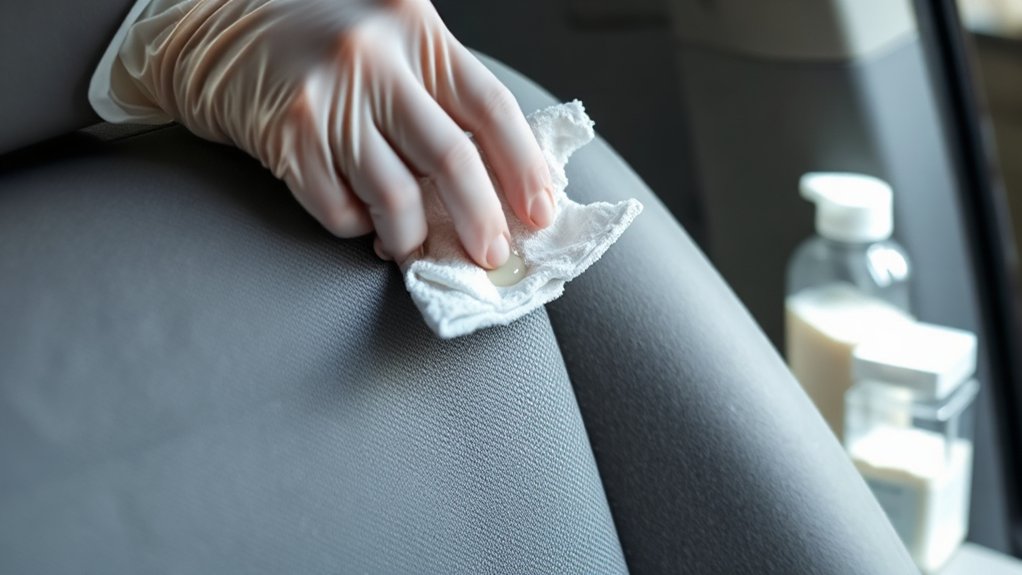
Before cleaning the whole seat, test OxiClean on a hidden spot to check for fading, discoloration, or fabric damage. Choose an area beneath the seat or along a seam that won’t show during normal use.
Check your vehicle’s upholstery care label first, and follow the product’s directions for dilution and handling. Don’t apply concentrated cleaner unless the label specifically calls for it.
Check the upholstery label and follow dilution directions; never use concentrated cleaner unless the product label specifically permits it.
Dampen a clean, white cloth with the prepared solution, then gently dab the test area. Avoid rubbing, which can disturb fibers or spread color.
Wait for the spot to dry completely; a wet fabric may hide changes. Inspect it in good light for fading, color transfer onto the cloth, texture changes, or lingering marks.
If you notice any damage or uncertainty, don’t use OxiClean on the seats.
How to Clean Fabric Car Seats With OxiClean
Once the hidden spot has dried without damage, clean the rest of the fabric seat one small section at a time.
Check the OxiClean label and dilute the product as directed. Don’t apply concentrated solution unless the instructions allow it. Keep the upholstery damp, not soaked, to protect the padding beneath.
- Vacuum the seat thoroughly to remove loose dirt and crumbs.
- Apply diluted solution with a clean cloth or spray bottle, then gently blot or brush the fabric. Work from the outside of each stain toward its center.
- Wipe the area with a separate cloth dampened with clean water, removing leftover cleaner. Blot with a dry towel, then leave the doors open so the seat can air-dry completely.
Don’t scrub aggressively or let cleaner pool in seams.
Repeat only if needed, following the label’s directions.
What to Use on Leather and Suede Seats?
For leather or suede seats, skip OxiClean unless the product label specifically says it’s safe for that material. These materials need cleaners made for their specific finishes, and harsh formulas can cause fading, drying, or stains.
For finished leather, vacuum crumbs first. Then wipe the surface with a damp microfiber cloth. Use a pH-balanced leather cleaner, following its directions, and test it on a hidden spot. Don’t soak the seat. Dry it with a clean cloth, then apply a compatible leather conditioner if the manufacturer recommends one.
Suede and nubuck need a different approach. Brush gently with a suede brush and lift dry marks with a suede eraser. For spills, blot, don’t rub, and use a cleaner labeled safe for automotive suede.
Check your owner’s manual before treating either material.
Frequently Asked Questions
Can Oxiclean Remove Old Coffee Stains From Car Seats?
Yes, OxiClean may lift old coffee stains from car seats, but results depend on the fabric and stain.
Check your seat’s care label first, then test a diluted solution on a hidden spot to catch fading or damage.
Blot the stain gently with a clean cloth; don’t scrub or soak the upholstery.
Wipe away residue with a damp cloth and let the seat dry fully.
Avoid OxiClean on leather unless its manufacturer approves it.
How Long Should Oxiclean Sit on a Car Seat Stain?
Let OxiClean sit on a car seat stain for about 5 to 10 minutes, but don’t let it dry.
First, check the product label and test the solution on a hidden spot since upholstery materials vary.
Apply it sparingly, then blot with a clean cloth rather than rubbing.
Rinse by blotting with a damp cloth to remove residue, and dry the seat thoroughly.
For leather, avoid OxiClean unless the manufacturer approves it.
Can Oxiclean Damage Car Seat Stitching or Seat Belts?
Yes, OxiClean can damage stitching or seat belts if you use it incorrectly. Its bleaching agents may fade thread, weaken fibers, or discolor belt webbing, especially when you apply a concentrated solution or leave it on too long.
Check your vehicle’s care instructions first, and test a diluted mixture on a hidden spot.
Keep cleaner off seat belts when possible. If you treat one, rinse thoroughly and let it air-dry completely before use.
How Do You Remove Oxiclean Residue From Car Upholstery?
Think of OxiClean residue as a guest who’s overstayed: show it the door with clean water.
Blot the upholstery with a microfiber cloth dampened with cool water, working from the stain’s edge inward. Don’t soak the fabric or scrub, since excess moisture can reach the cushion.
Rinse and wring the cloth often, then blot with a dry towel.
Let the area air-dry fully, and repeat if residue remains.
Is Oxiclean Safe to Use Around Children and Pets in a Car?
OxiClean can be used around children and pets in your car only when you follow the label and keep them away during cleaning.
Don’t let anyone touch or lick the product, wet upholstery, or residue.
Ventilate the car, use the recommended dilution, and rinse or blot thoroughly as directed.
Let the seats dry completely before allowing children or pets back inside.
Store the cleaner securely, and avoid using it near food, toys, or pet supplies.
Conclusion
Use OxiClean only on compatible fabric car seats, and always spot-test first. Avoid it on leather and suede. Follow the product label, use a diluted solution, and don’t soak the upholstery.
For example, if you spill coffee on a cloth seat, test a hidden spot before treating the stain. Then blot gently and let the area dry completely. When you’re unsure about your seat material or finish, choose a cleaner made specifically for it.