Does Oxiclean Work On Urine – Tested & Explained
Yes, OxiClean can help remove urine stains and reduce odors, especially when you treat them promptly. Blot fresh urine first, then follow the product label and test fabric or carpet in a hidden spot.
Fresh stains usually respond better than set-in ones, which may need repeated treatments. On carpet or upholstery, urine can soak into padding beyond OxiClean’s reach, leaving odor behind. If smells persist, an enzyme cleaner may work better; the tips below explain when and how to use one.
Does OxiClean Work on Urine Stains and Odors?
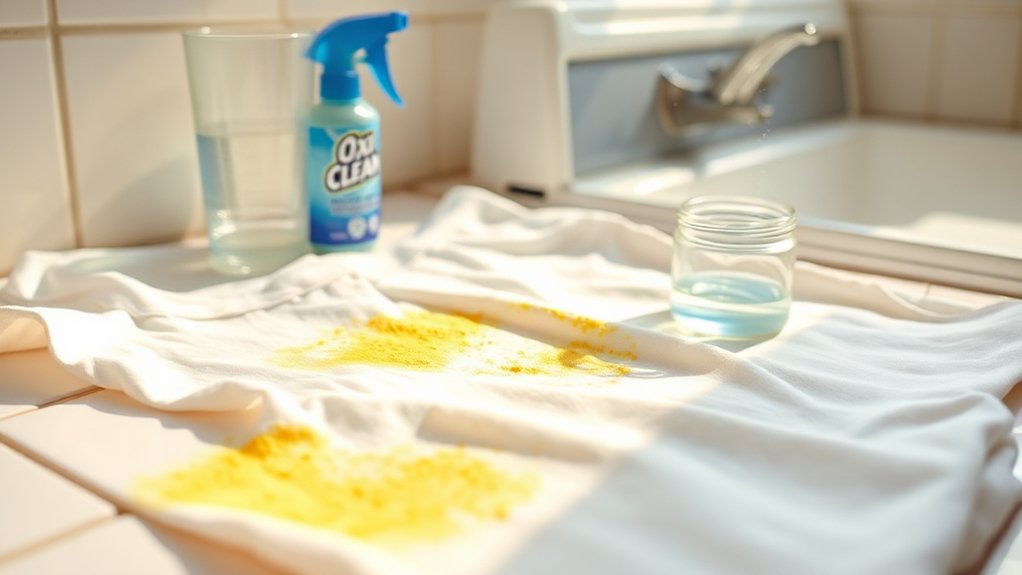
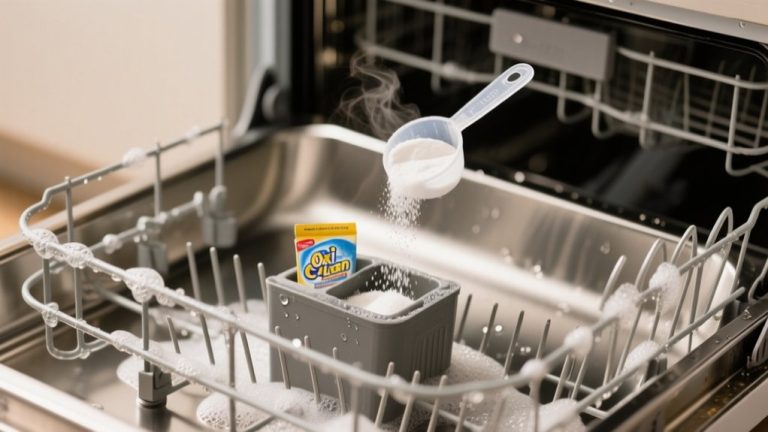
OxiClean can help lift urine stains and reduce odors, especially when you treat the spot promptly. Its oxygen-based ingredients release bubbles that loosen some organic residue, while surfactants help lift it from a washable surface. Results depend on the stain’s age, the material, and how deeply urine has soaked in.
For a fresh spot, blot up as much liquid as you can before applying a suitable OxiClean solution. Don’t rub because that can spread the stain or push it deeper.
Older or dried urine may need repeated treatment, and lingering odor can mean residue remains below the surface. OxiClean isn’t an enzyme cleaner, so it may not fully break down the compounds that cause persistent urine smells.
Check the product label and test an inconspicuous area first since some materials can fade or react.
Use OxiClean on Clothes and Carpet
For washable clothes, blot fresh urine, then soak or pre-treat the fabric with OxiClean according to the label before laundering.
Check the care tag first, and test the product on a hidden area if you’re unsure about colorfastness. Don’t mix OxiClean with chlorine bleach or other cleaners, and use the recommended amount for your load.
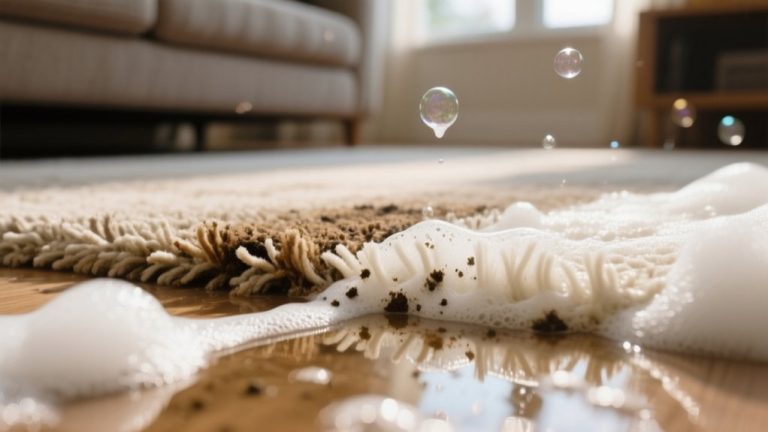
For carpet, remove as much urine as possible with clean towels, pressing rather than rubbing.
Follow the OxiClean package directions for carpet, and test a concealed spot before treating the stain. Apply the solution without soaking the backing, then blot with a clean cloth. Rinse the area with a little cool water and blot again to remove residue.
Keep children and pets away until the carpet is dry, and don’t use the product on materials the label excludes.
How OxiClean Did on Fresh and Set-In Urine
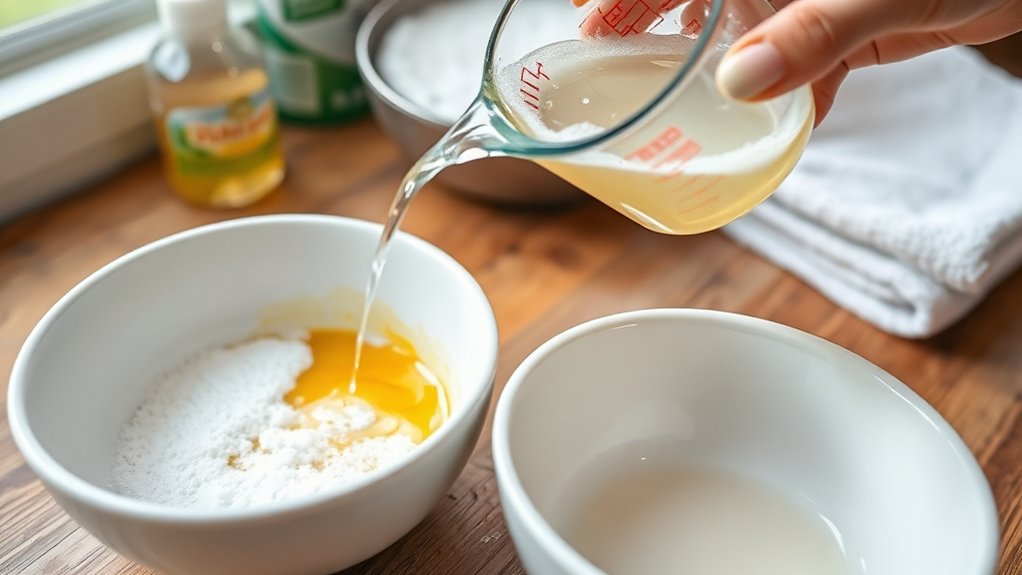
Fresh urine is usually easier to remove because it hasn’t had time to dry into fibers, while set-in stains may need repeated treatment.
In testing, OxiClean lifted fresh marks more readily when you blotted excess liquid first and treated the area promptly.
On washable fabric, you could add the recommended amount to the wash; on carpet, apply a suitable solution according to its label and blot rather than scrub.
Set-in urine proved more stubborn. A single application lightened the visible stain, but older or larger marks sometimes needed another treatment after drying.
Your results can vary with the material, stain age, and product formula, so test an inconspicuous spot first.
Follow the package directions, avoid mixing cleaners, and don’t use OxiClean on materials the label excludes.
Give each treatment time to work, then check the stain before repeating.
Why OxiClean May Leave Urine Odor Behind
Even after a stain fades, urine odor can linger because OxiClean may not reach residue deep in carpet padding or upholstery. You might clean the visible surface while urine remains below it, where moisture and odor-causing compounds persist.
Thick carpets, cushioned furniture, and mattresses can absorb liquid beyond the area you treated, so surface cleaning may not address the full spill.
OxiClean’s results also depend on how you use it. If you apply too little, let it sit for too short a time, or rinse it away quickly, the product may not work through all the affected fibers.
Conversely, excess cleaner left behind can attract dirt or leave a noticeable scent that masks the original odor temporarily.
Heat, humidity, and airflow can make lingering smells more noticeable, especially after the material dries.
When to Use an Enzyme Cleaner for Urine
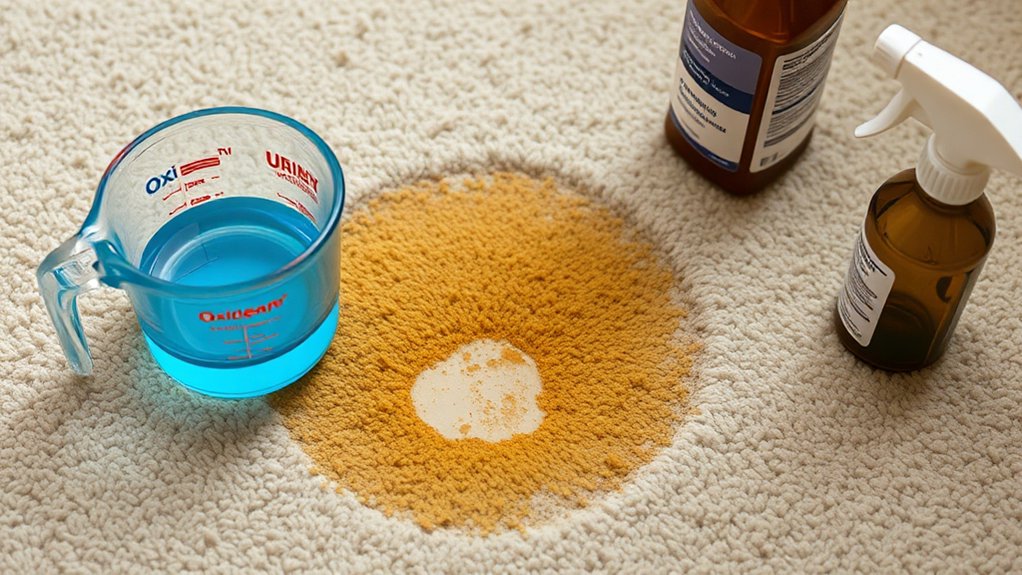
When urine odor persists after OxiClean has dried, an enzyme cleaner may be a better choice. Use one when you can still smell urine, especially in carpet, upholstery, mattresses, or other porous materials.
Urine can soak below the surface, where ordinary cleaners may not reach the odor-causing residue.
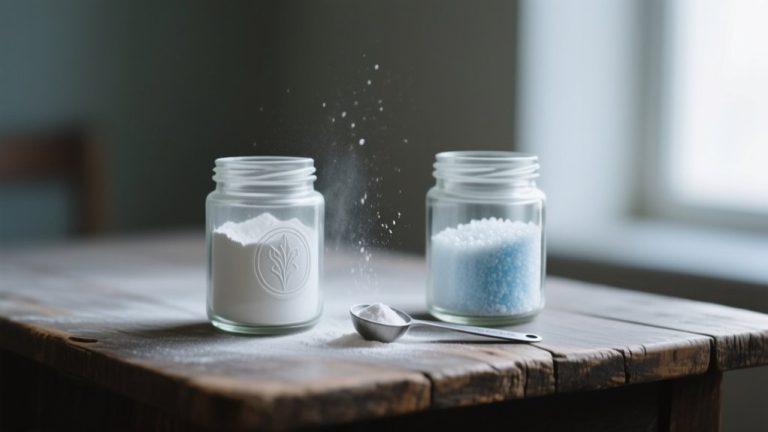
Enzyme cleaners use biological ingredients to break down urine compounds rather than simply masking their smell. Choose a product labeled for urine and safe for your material.
Choose a urine-specific enzyme cleaner that’s safe for your material; it breaks down odor-causing compounds instead of masking them.
Test it on a hidden spot first, then follow the label’s directions.
Apply enough to reach the full depth of the affected area, and allow the recommended contact time.
Don’t combine it with OxiClean or other cleaners because leftover chemicals may interfere with treatment. Keep people and pets away until the area has dried.
If odor remains, repeat the treatment as directed.
Frequently Asked Questions
Is Oxiclean Safe to Use Around Pets?
OxiClean can be safe around pets when you use it exactly as directed, but keep your animals away during cleaning.
Don’t let pets touch, lick, or walk on wet product or treated surfaces.
Rinse surfaces thoroughly if the label calls for it, and let everything dry completely before allowing access.
Store the powder and solutions securely.
If your pet ingests OxiClean or develops symptoms, contact your veterinarian or a pet poison hotline promptly.
Can Oxiclean Damage Colored Fabrics?
Yes, OxiClean can damage colored fabrics, especially if you use too much, soak them too long, or skip the care-label check.
Imagine treating a red cotton shirt and finding its color faded afterward. That’s why you should test a hidden spot first.
Follow the package directions, use the right product for colors, and avoid soaking delicate or non-colorfast items.
If the test spot changes, don’t use OxiClean on that garment.
Should Oxiclean Be Mixed With Other Cleaning Products?
No, you shouldn’t mix OxiClean with other cleaning products. Combining cleaners can trigger dangerous reactions, release harmful fumes, or make products less effective.
In particular, never mix it with chlorine bleach, ammonia, vinegar, or other cleaners unless the product labels specifically say it’s safe.
Use OxiClean with water as directed, and apply other products separately only after rinsing the area thoroughly.
Always follow label instructions, wear gloves if recommended, and ventilate your space while cleaning.
How Should Oxiclean Be Stored Safely?
Store OxiClean like a sleeping giant: keep it sealed in its original container, in a cool, dry place away from heat, moisture, and direct sunlight.
Put it somewhere children and pets can’t reach, and don’t transfer it into food or drink containers.
Keep the scoop clean and dry, and close the lid tightly after each use.
Check the product label for specific directions, and avoid storing it near incompatible cleaners or chemicals.
Can Oxiclean Cause Skin Irritation?
Yes, OxiClean can irritate your skin, especially if you have sensitive skin or touch concentrated powder or solution.
Wear gloves when you handle it, and follow the product label’s directions.
If it gets on your skin, rinse the area thoroughly with plenty of water.
Stop using it if redness, itching, or discomfort develops. For severe or persistent irritation, contact a healthcare professional, and check the specific product label for its ingredients and first-aid instructions.
Conclusion
OxiClean can lift visible urine stains, especially when they’re fresh, but a clean-looking surface doesn’t always mean the odor is gone.
On washable clothes, it may be enough. But on carpet or set-in spots, lingering odor can mean urine remains below the surface.
If you still smell it, switch to an enzyme cleaner made for urine. You’ll get the best results by matching the cleaner to the stain, not just the stain you see.