Will Oxiclean Unclog A Drain – Here’s the Answer
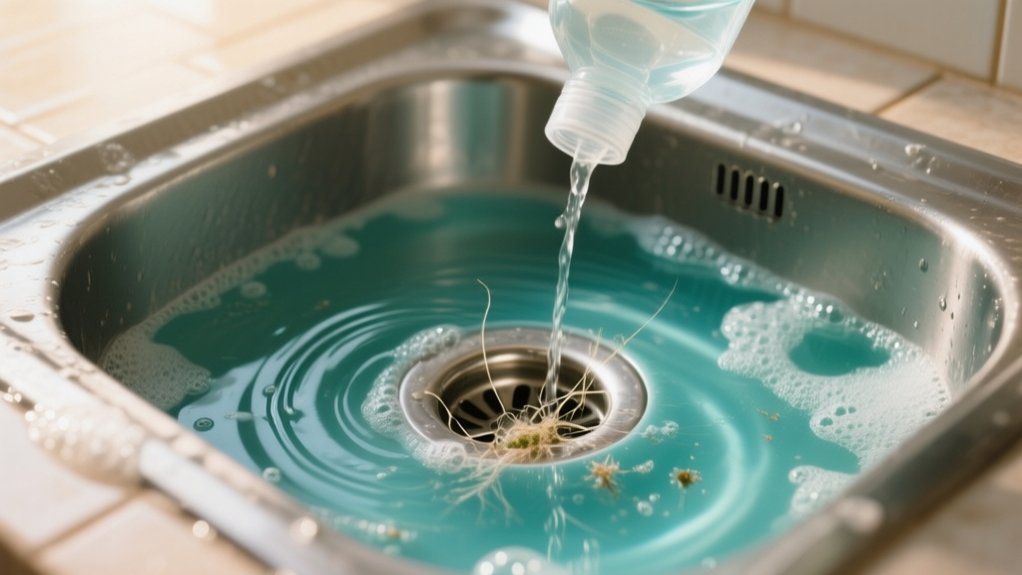
OxiClean won’t reliably unclog a drain. It’s an oxygen-based laundry cleaner, not a drain opener, and it isn’t designed to dissolve hair, grease, or soap scum.
Pouring it down the drain may leave residue or react unpredictably with other cleaners. For a hair or debris blockage, try a plunger or drain snake instead.
If several fixtures back up or the clog persists, call a plumber. You’ll find safer options and warning signs explained below.
Will OxiClean Unclog a Drain?
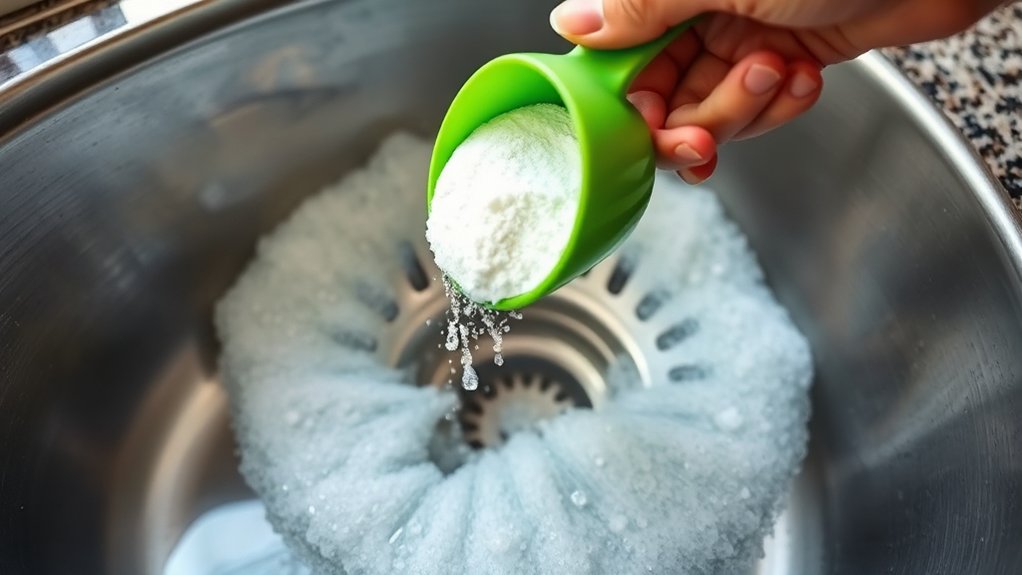
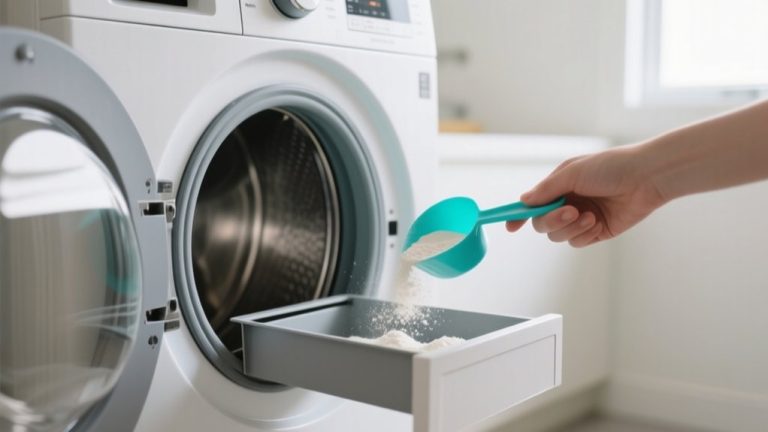
Can OxiClean clear a clogged drain? Usually, no. OxiClean is an oxygen-based laundry cleaner, not a drain opener. Its ingredients can help lift stains and odors from fabric, but they aren’t designed to dissolve hair, grease, soap scum, or other material blocking a pipe.
Pouring the powder or solution into your drain may leave residue, and it could react unpredictably with products already in the plumbing. You shouldn’t rely on OxiClean to restore water flow or treat it as a safe substitute for a product labeled for drains.
Check the product label, and don’t mix it with bleach, ammonia, or other cleaners. If you’ve already poured OxiClean into the drain, avoid adding another chemical cleaner.
The short answer: it may freshen laundry, but it won’t reliably unclog your drain.
Choose a Fix for Your Kind of Clog
Choose a fix based on what’s blocking the drain: a plunger or drain snake can often remove hair and debris, while grease may need a different approach.
For a sink, first check the stopper and trap, where hair and soap can collect. A drain snake can reach clogs farther down the pipe; feed it in gently to avoid damaging plumbing.
If grease is the likely culprit, don’t push it deeper with a snake. A plunger may loosen buildup near the opening, but persistent grease can require a plumber’s help.
For a toilet, use a flange plunger designed to seal inside the bowl, or a toilet auger for a stubborn blockage.
If water backs up in several fixtures, the clog may be in the main line, so contact a professional rather than treating one drain alone.
Clear a Drain With Safer Methods
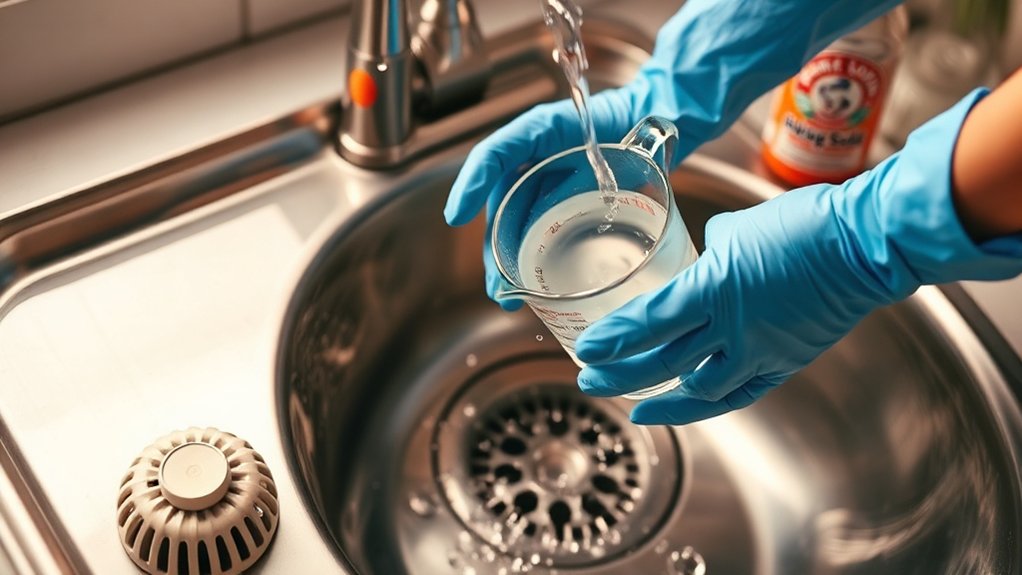
You don’t always need harsh chemicals to clear a clog.
Give a drain snake a try—it can pull out the debris causing the problem.
Or, if you prefer something gentler, mix baking soda and vinegar and use that instead.
Just pick the method that works best for your drain and the type of clog you’re dealing with.
Use a Drain Snake
A drain snake can clear hair and other clogs without chemical cleaners. For a sink, remove the stopper if needed, then feed the snake’s cable slowly into the drain.
Turn the handle as you push so the tip can catch or break up the blockage. If you feel resistance, rotate the cable gently rather than forcing it, which could damage the pipe.
Pull the snake back carefully, bringing trapped debris with it. Repeat until the cable moves freely, then run hot tap water to check whether the drain flows.
Wear gloves and keep a bucket nearby for drips. Clean the tool after use, following its instructions.
If the clog remains, or several drains back up at once, stop and contact a plumber; the blockage may be deeper in your plumbing.
Try Baking Soda and Vinegar
If you’d rather avoid harsh drain cleaners, try baking soda and vinegar for a minor clog. First, remove standing water and pour about half a cup of baking soda into the drain. Follow with half a cup of white vinegar, then cover the opening with a stopper or cloth.
The fizzing may loosen some buildup, but it won’t reliably clear a severe blockage. Let the mixture sit for 15 to 30 minutes, then flush the drain with hot water. Use hot tap water rather than boiling water, which can damage some pipes or fixtures.
If water still drains slowly, try a plunger or drain snake instead.
Never combine this method with commercial cleaners, including OxiClean; mixing products can create hazardous reactions. Call a plumber if the clog persists or keeps returning.
Why OxiClean Won’t Clear a Clog
OxiClean isn’t really made to break up drain clogs.
You might notice very little happening when it comes to clearing your pipes, especially if the clog is caused by hair or grease.
For those kinds of blockages, it’s best to use something that’s specifically designed for drains instead.
Not Designed for Clogs
Although OxiClean can lift stains and odors, it isn’t formulated to break down hair, grease, or other material blocking a drain. You might expect its cleaning power to work on any mess, but a drain clog needs a product designed to target the obstruction.
OxiClean’s intended uses don’t include clearing pipes, so adding it won’t address what’s stopping water from flowing.
| Drain problem | OxiClean’s role | What you need |
|---|---|---|
| Hair buildup | Not designed to dissolve it | A clog-specific approach |
| Grease | Not intended to clear it | A suitable drain method |
| Food debris | Won’t remove the blockage | Appropriate clog removal |
| Mixed material | Doesn’t target the clog | A purpose-made solution |
Check the product label before use, and choose a method meant for your specific blockage.
Limited Pipe-Clearing Action
Even when OxiClean reaches a clog, it has limited pipe-clearing action. Its cleaning ingredients aren’t formulated to break apart or flush away the materials blocking the drain. It may loosen some surface grime, but that won’t remove a packed mass of hair, grease, soap scum, or food scraps.
The powder also needs water to dissolve and move through the pipe, so it may not reach a blockage effectively. Even if it does, it can’t create the force needed to push debris through the line.
You might see a little improvement if residue contributes to slow flow, but don’t count on OxiClean to clear a stubborn clog.
Use a drain snake or plunger instead, or contact a plumber if the blockage persists. Avoid mixing OxiClean with other drain cleaners.
Could OxiClean Damage Your Pipes?
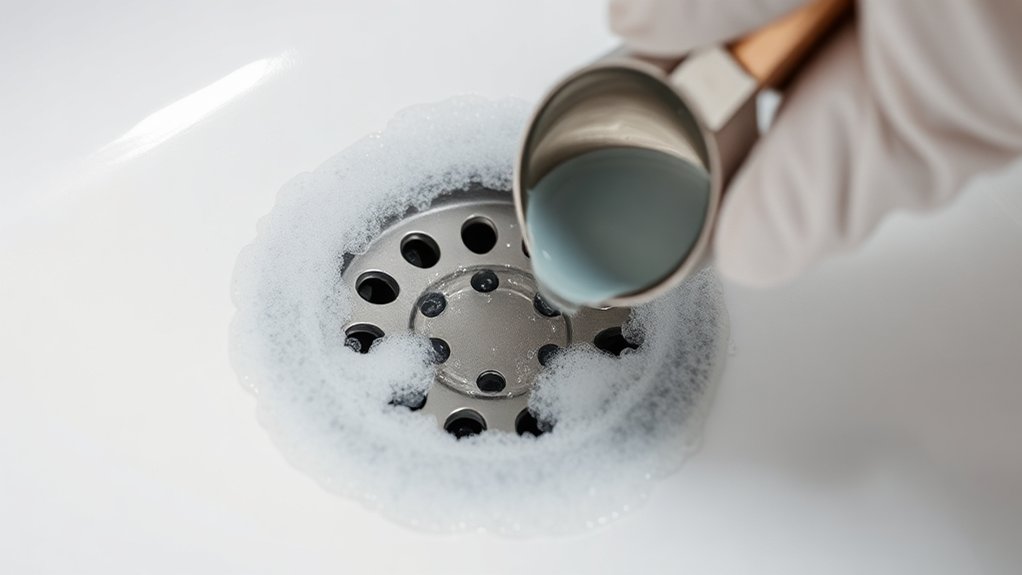
Could OxiClean harm your pipes? Used as directed, it’s unlikely to damage plumbing in good condition.
OxiClean products contain sodium percarbonate, which releases oxygen and forms an alkaline solution when mixed with water. That reaction can help lift some organic residue, but it doesn’t make the cleaner suitable for every drain or pipe.
OxiClean releases oxygen and forms an alkaline solution in water, but it may not be suitable for every drain or pipe.
Your plumbing’s material and condition matter. Follow the product label, use the recommended amount, and don’t leave the solution sitting in the drain longer than directed.
Avoid combining OxiClean with other cleaners, especially bleach, ammonia, or acidic products. Mixing chemicals can create hazardous reactions.
Don’t pour dry powder into a drain or use hot water unless the label specifically permits it. If you have older, corroded, or damaged pipes, choose a product approved for your plumbing instead.
When Should You Call a Plumber?
Call a plumber if the drain stays clogged after you’ve tried a suitable cleaning method, or if multiple drains back up at once. A blockage affecting several fixtures may point to a problem in your main sewer line, which needs professional attention.
You should also call if wastewater comes up through a tub, toilet, or floor drain, or if you notice sewage odors, leaks, or water damage. These signs can indicate a serious blockage or damaged pipe.
Don’t keep adding OxiClean or other cleaners when the clog won’t clear. Mixing products can create hazardous reactions, and repeated treatments may harm plumbing.
If you’re unsure what’s already in the drain, tell the plumber before they arrive. A plumber can identify the cause, clear the blockage safely, and recommend repairs if needed.
Frequently Asked Questions
Can Oxiclean Be Used to Clean a Garbage Disposal?
Yes, you can use OxiClean to clean a garbage disposal, but check the product label first and avoid pouring concentrated powder directly into the unit.
Dissolve a small amount in water, then flush the disposal thoroughly with cool water.
Never mix OxiClean with bleach, ammonia, or other cleaners, since dangerous reactions may occur.
For routine cleaning, you’ll usually get safer results by grinding ice and citrus peels or using a disposal cleaner made for the appliance.
Is Oxiclean Safe for Septic Systems?
Yes, OxiClean is generally safe for septic systems when you use it as directed. Your septic tank won’t stage a dramatic revolt over an occasional dose.
Still, don’t pour large amounts down the drain or use it excessively. Concentrated cleaners can disrupt the helpful bacteria your system needs.
Check the product label, avoid combining OxiClean with other cleaners, and use septic-safe products when possible. If you’re unsure, ask your septic service professional.
Can Oxiclean Remove Odors From Sink Drains?
Yes, OxiClean may help reduce some sink-drain odors, especially when residue causes the smell, but it isn’t a reliable drain deodorizer.
Check the product label before using it, since formulas and directions vary.
Don’t mix OxiClean with bleach, ammonia, acids, or other cleaners; dangerous reactions can occur.
For a safer first step, flush the drain with hot water and clean the stopper and strainer.
If the odor persists, investigate buildup or plumbing issues.
How Should Leftover Oxiclean Solution Be Disposed Of?
You can usually pour leftover OxiClean solution down a household drain with plenty of running water, but don’t assume every mixture is safe to dump.
Check your product label first, since formulas and local disposal rules can differ.
Never combine the solution with bleach, ammonia, acids, or other cleaners.
For a large quantity, or if you’re unsure, contact your local waste authority.
Keep it away from children and pets until you’ve disposed of it.
Can Oxiclean Be Mixed With Dish Soap?
Yes, you can generally mix OxiClean with dish soap for cleaning, but check both product labels first.
Don’t combine either product with bleach, ammonia, vinegar, or other cleaners since mixtures may create hazardous reactions or reduce effectiveness.
Dissolve OxiClean in water as directed, then add a small amount of dish soap.
Wear gloves, use the mixture in a ventilated area, and never store it in a sealed container.
Discard leftovers according to the label.
Conclusion
OxiClean isn’t a reliable drain cleaner, so don’t pour it down the sink hoping for a quick fix. Match the solution to the clog: try a plunger or drain snake for a blockage, and use hot water for minor buildup when appropriate.
Avoid mixing cleaning products, which can create dangerous reactions. If the drain stays blocked, backs up repeatedly, or affects several fixtures, call a plumber.
A stubborn clog can be a warning sign beneath the surface.