Did Oxiclean Change Their Formula – What Happened
OxiClean may have changed some formulas over time, but there’s no single change that applies to every product. Different versions serve different purposes, and older containers may list ingredients that differ from current packages.
Common ingredients include sodium percarbonate, which releases oxygen-based cleaning action, and sodium carbonate, which boosts cleaning in water. If your OxiClean seems less effective, the stain, water temperature, or product choice may be the cause.
Check the label to see what applies to yours.
Did OxiClean Change Its Formula?
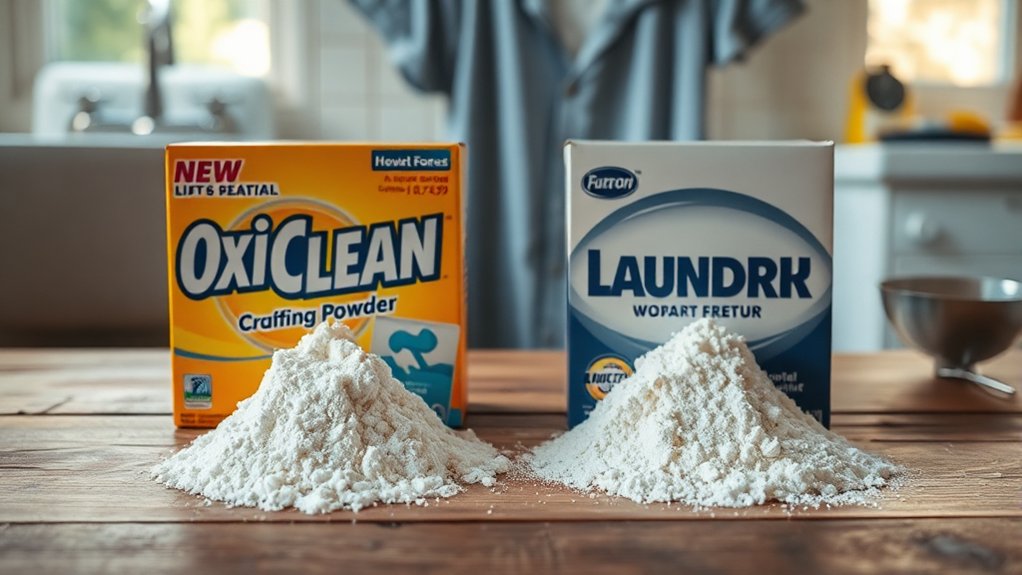
Yes, OxiClean’s formula may vary by product and has changed over time, but that doesn’t mean every version is different. If you’ve noticed a change, you may be comparing products made for different purposes or packages produced at different times.
OxiClean offers several product types, and the brand can update a formula, label, or product lineup without changing every version at once.
You can check the package name, intended use, and manufacturer details to see whether you’re comparing the same product. Older containers may also differ from current ones, so a change in appearance doesn’t necessarily prove the formula changed.
If you need a definitive answer about a specific product, contact the manufacturer with its name and package details. That way, you can confirm whether your version changed rather than relying on broad claims or memory.
Which Ingredients Are in OxiClean?
OxiClean’s ingredients depend on the product, so check the label on your specific package for the full list. Many stain-removing powders use sodium percarbonate, which releases hydrogen peroxide when mixed with water. They may also contain sodium carbonate, a cleaning booster that helps water tackle soils, and surfactants that loosen grime from fabric.
| Ingredient | What it does |
|---|---|
| Sodium percarbonate | Releases oxygen-based bleaching action |
| Sodium carbonate | Helps boost cleaning in water |
You’ll find the ingredient list on the package, and you can review it before use if you have sensitivities or want to avoid a particular substance. Just follow the directions for dilution, fabric compatibility, and contact time. Don’t assume every garment or surface can handle the same treatment. Keep the product away from children, and avoid mixing it with other cleaners. When you’re unsure, test a hidden spot first.
Do OxiClean Products Use Different Formulas?
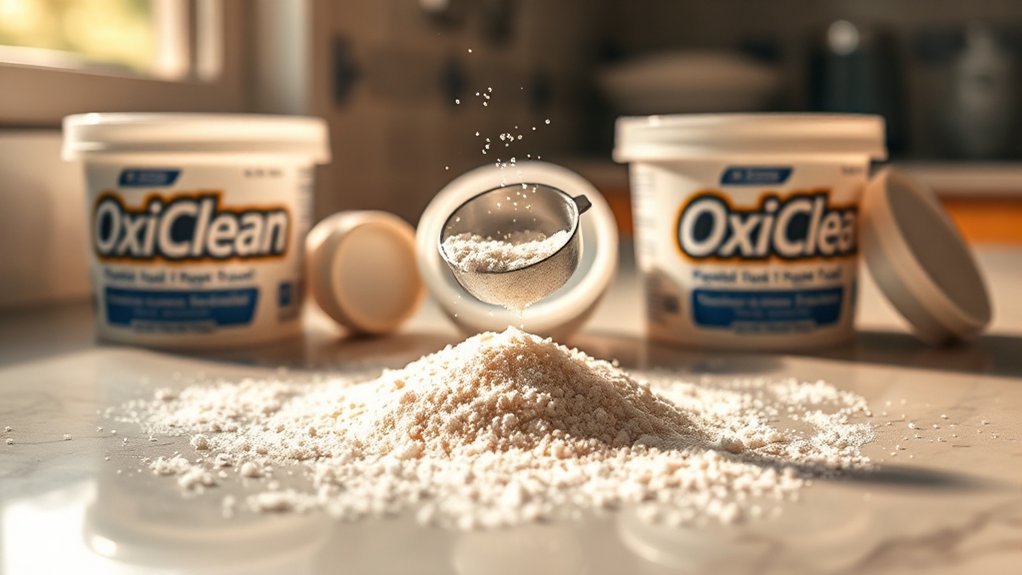
OxiClean products don’t all use the same formula: powders, sprays, and laundry additives can contain different ingredients or proportions for their intended uses.
You’ll find that each product’s format and label reflect how it’s designed to be used. A powder may call for mixing with water, while a spray comes ready to apply.
Laundry additives are formulated for use alongside detergent, and some versions target particular fabrics or cleaning tasks.
That doesn’t necessarily mean the brand changed one formula across its entire product line. When you compare two OxiClean products, check their ingredient lists and directions rather than assuming they’re interchangeable.
Formulas can also vary by product name, size, or market, so the package provides the most relevant details for what you’ve bought.
Always follow its instructions and warnings.
Why Does OxiClean Seem Less Effective?
Why does OxiClean sometimes seem less effective? You may notice weaker results without a formula change. The product can’t remove every kind of stain equally well, and some marks resist oxygen-based cleaners.
OxiClean may seem less effective when stains resist oxygen-based cleaners, even if the formula hasn’t changed.
Grease, dye, ink, and set-in stains may need a different treatment or more than one attempt.
A stain’s age and composition also affect how readily it responds. Your expectations can matter, too. If you compare a recent result with a tougher stain or a different OxiClean product, the difference may look like a decline.
Products within the OxiClean range aren’t interchangeable; each has its own intended uses and directions. Check the label to confirm you’re using the right product for the stain and material.
If a mark remains, consider a suitable stain-specific cleaner rather than assuming OxiClean’s formula has changed.
How Do Water and Washing Affect Results?
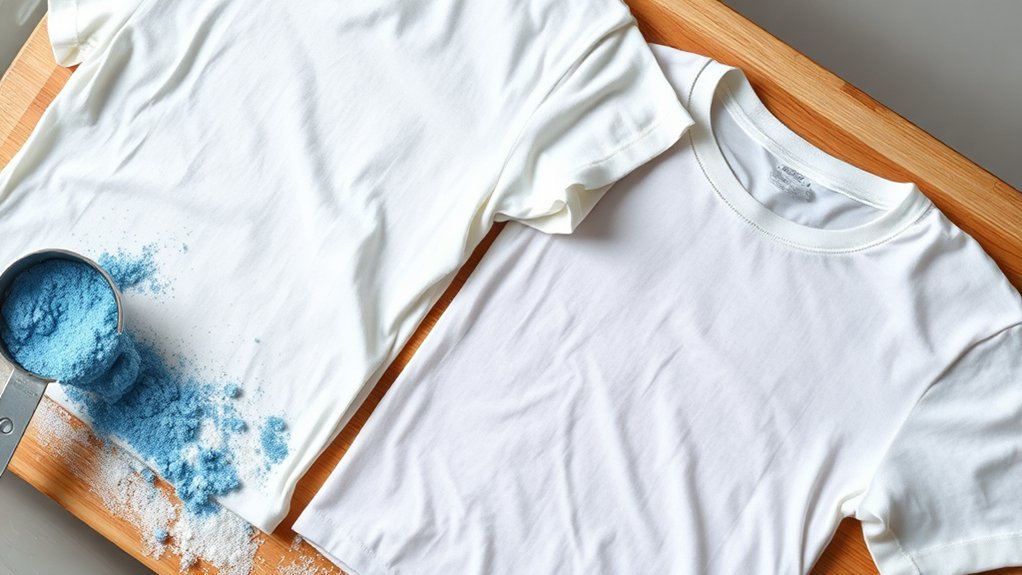
Water temperature, hardness, and wash conditions can affect how well OxiClean works. The product relies on water to dissolve and release oxygen-based cleaning agents, so cold water may slow that process. Hotter water can help activate them, but always follow the care label to avoid damaging fabric.
Hard water contains minerals that can interfere with cleaning, while softer water may let the product work more effectively.
Your washer’s cycle also matters. A short cycle gives the cleaner less time to contact stains, and an overloaded drum can limit water movement around clothes. If the product doesn’t dissolve fully, you may see residue or uneven results.
Different fabrics and soil levels respond differently, too. These factors can make the same OxiClean product seem more or less effective from one load to another, even when its formula hasn’t changed.
How Can You Get Better OxiClean Results?
A few simple adjustments can help OxiClean work more effectively. Start by checking the product label and choosing the right OxiClean version for your laundry or cleaning task. Measure the recommended amount rather than guessing; using extra powder won’t necessarily improve results.
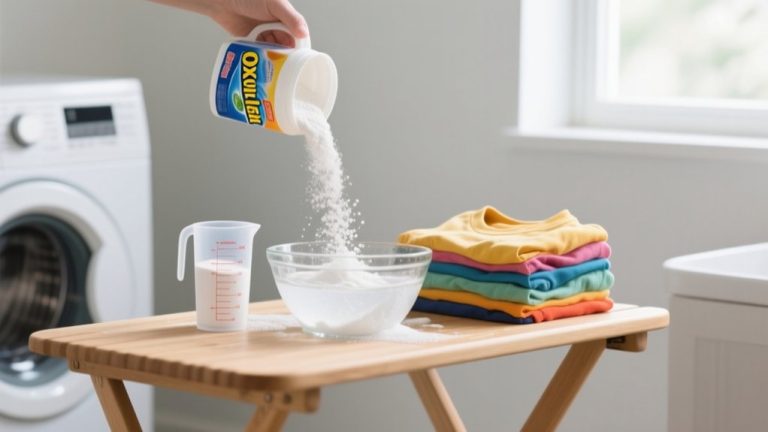
Dissolve it fully in water before adding items, especially when you’re treating a stain in a basin. Apply the solution promptly, and give it the label’s recommended soaking time so the active ingredients can work.
For spot treatment, gently work the solution into the fabric with a soft brush or cloth, then rinse or wash as directed. Treat stains as soon as you can, and avoid drying stained items until you’ve checked the results.
For household surfaces, test a hidden area first and follow the package’s safety and application instructions.
What to Check Before Switching Stain Removers
Before you switch stain removers, make sure the product is safe for your fabric.
It’s a good idea to compare ingredients and see what each remover is meant for, so you can pick the best one for your specific stain and garment.
Also, don’t just assume a new formula will work the same way on every material.
Different fabrics can react differently, so a little caution goes a long way.
Check Fabric Compatibility
When switching stain removers, check the garment’s care label and the product’s fabric warnings first. Some treatments may damage delicate fibers, fade colors, or weaken finishes. Confirm that the new product is suitable for the item’s material and color before applying it.
Pay special attention to wool, silk, leather, suede, and garments labeled dry-clean only. Don’t use a remover on these fabrics unless its directions explicitly allow it.
For colored clothing, look for a warning about colorfastness, and test the product on a hidden seam or hem. Apply a small amount, wait as directed, then check for fading, discoloration, or texture changes.
If you’re unsure about a fabric, skip the treatment and ask a cleaner or the garment’s manufacturer. Following these checks helps protect clothing while you address stains.
Compare Ingredients and Uses
To compare stain removers, check their active ingredients and intended uses rather than relying on brand names alone. Read each label to see whether it contains oxygen bleach, enzymes, surfactants, or other cleaning agents.
These ingredients target different stains: enzymes can break down protein or food residues, while oxygen bleach helps lift many colored stains. Don’t assume two products work alike just because both use oxygen-based cleaning.
Next, match the product to your laundry needs. Check whether it’s designed for whites, colors, upholstery, or pretreatment, and follow its directions for soaking, dosing, and water temperature.
Review warnings and fabric restrictions, too. If you’re switching from OxiClean, compare the specific product versions since formulas and uses can vary.
Test an unfamiliar remover on a hidden area, then assess the results before using it broadly.
Frequently Asked Questions
Is Oxiclean Safe to Use Around Pets?
OxiClean can be safe to use around pets when you follow the label and keep animals away during cleaning.
Don’t let your pet lick the powder, solution, or wet surfaces; ingestion may cause irritation or illness.
Ventilate the area, rinse treated surfaces thoroughly, and store products securely.
If your pet gets exposed, check the product label and contact your veterinarian or a pet poison helpline, especially if symptoms develop.
Can Oxiclean Damage Colored Fabrics?
Yes, OxiClean can damage or fade some colored fabrics, especially delicate materials or dyes that aren’t colorfast.
Before treating a stain, check the garment’s care label and test the product on a hidden area.
Mix and use it as directed, and don’t leave the fabric soaking longer than recommended.
Avoid using it on wool, silk, leather, or dry-clean-only items.
If the color changes during your test, rinse the area and choose a gentler cleaner instead.
How Should Oxiclean Be Stored?
Store OxiClean in a cool, dry place, tightly sealed and away from direct sunlight, heat, and moisture. Keep it in its original container so you can follow the product’s directions and safety information.
Don’t transfer it into a food or drink container, and keep it out of children’s and pets’ reach. If the powder gets damp or clumps, check the label before use. Also, don’t store it near bleach or other cleaners.
Is Oxiclean Safe for Septic Systems?
Yes, you can generally use OxiClean in a septic system when you follow the label directions.
Its oxygen-based cleaner breaks down into water, oxygen, and soda ash, rather than relying on chlorine bleach.
Your septic tank still depends on helpful bacteria, so don’t pour in large amounts or use it more often than directed.
A typical household septic tank holds about 1,000 gallons, but capacity varies; check your product label and septic-care guidance.
Can Oxiclean Be Used to Clean Carpets?
Yes, you can use OxiClean to clean carpets, but choose a product labeled for carpet use and follow its directions.
Test it first on a hidden area to check for color changes or damage.
Blot spills rather than rubbing them, and avoid soaking the carpet or backing.
Don’t mix OxiClean with other cleaners.
Keep children and pets away until the treated area is fully dry, and ventilate the room while you work.
Conclusion
OxiClean can feel like a familiar key that suddenly won’t turn, but the lock may have changed: your water, stain, product type, or washing routine can all affect results. Before you blame a new formula, check the label, follow the directions, and give the powder warm water when the fabric allows.
Test a stain remover on a hidden spot before switching. With the right match, you can open the door to cleaner clothes without guessing at what changed.