Will Oxiclean Remove Oil Stains From Concrete – Find Out
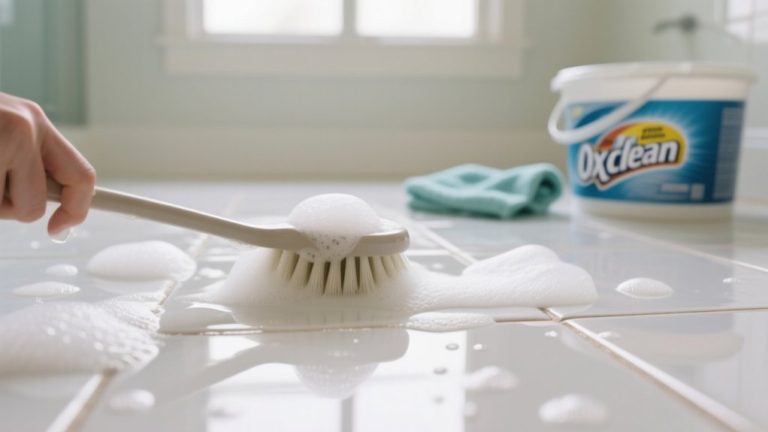
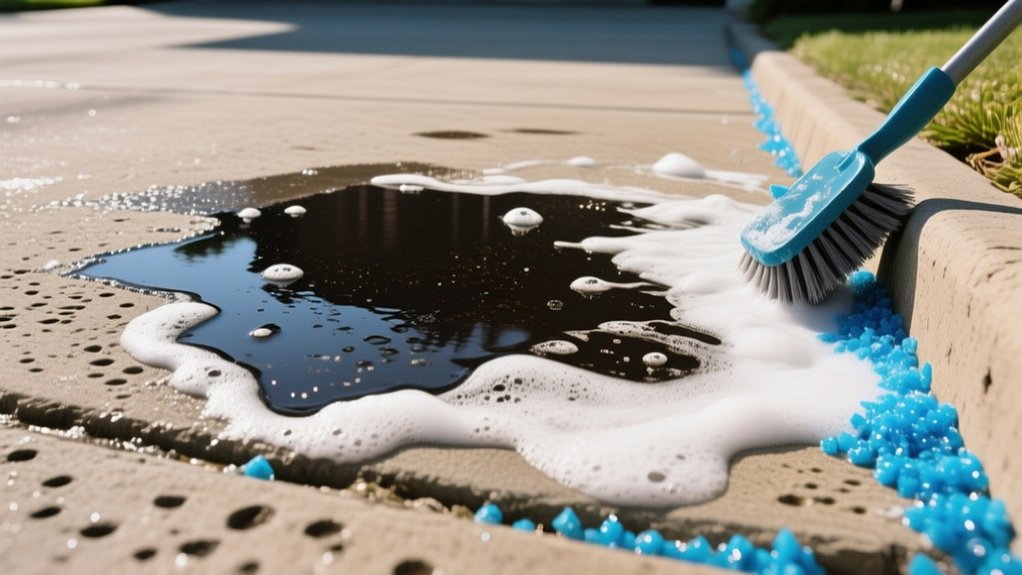
OxiClean can lighten fresh, small oil stains on concrete, but it may not fully remove deep or set-in marks. Its oxygen-based ingredients loosen residue when you mix the product with water, then scrub with a stiff brush and rinse thoroughly.
Results depend on the stain’s age, depth, and your concrete’s porosity. Follow the label, protect nearby plants and drains, and let the area dry before judging the result. You’ll find practical steps and next options below.
Will OxiClean Remove Oil Stains From Concrete?
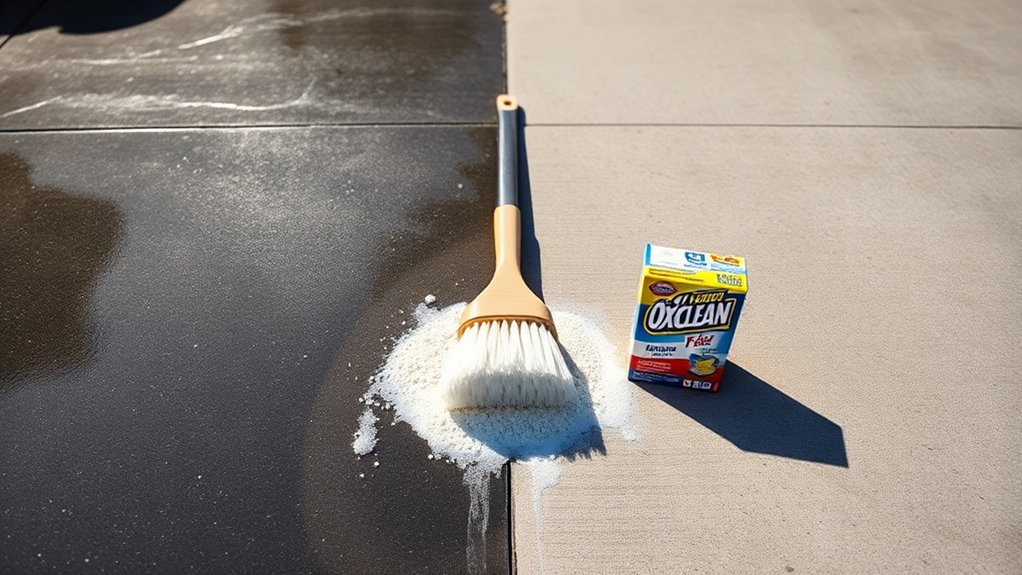
Yes, OxiClean can lift some oil stains from concrete, especially fresh or light ones, but it may not remove deep, set-in stains completely. Your results depend on how long the oil has sat, how much has soaked in, and the concrete’s condition.
You may see a noticeable improvement after treating a small, fresh spot, while an older stain could remain visible. OxiClean isn’t a guaranteed fix, so set realistic expectations before you begin.
Check the product label to confirm it’s suitable for your surface, and test it on an inconspicuous area first. If the mark persists, you may need to repeat the treatment or choose a cleaner specifically labeled for concrete oil stains.
Protect nearby plants and follow all package directions. For stubborn stains, professional cleaning may offer a more effective option.
How OxiClean Works on Concrete Oil Stains
OxiClean works by using oxygen-based cleaning agents that specifically target stains on concrete.
When you mix it with water, it starts to break down the oil residue.
After that, you can scrub the area and rinse it off to lift the loosened stains from the surface.
It’s a pretty straightforward process that makes tackling those stubborn oil spots easier.
Oxygen-Based Stain Removal
Oxygen-based cleaners release active oxygen when mixed with water, helping loosen and lift some oil residue from concrete. When you apply OxiClean to an oil-marked surface, water activates its oxygen-based ingredients. The resulting cleaning action can help loosen residue so you can rinse or scrub it away.
Results depend on the stain’s age, depth, and the concrete’s porosity, so you may need more than one application.
For best results, follow the package directions and test the cleaner on a small, inconspicuous area first. Wet the stained spot, apply the recommended amount, and allow the product to sit for the specified time without letting it dry.
Then scrub with a stiff brush and rinse thoroughly. Wear gloves, protect nearby plants, and keep runoff away from storm drains.
OxiClean may improve a stain, but it can’t guarantee complete removal.
Breaking Down Oil
As the cleaner’s oxygen-based ingredients react with water, they help loosen oil residue clinging to concrete. OxiClean doesn’t dissolve every oil molecule on contact. Instead, its oxygen-releasing action and surfactants can help weaken the greasy film, so you can address the stain more easily.
Concrete’s pores complicate the process because oil can sink below the surface, where a cleaner may not reach it fully. Your results depend on the stain’s age, depth, and the product’s directions. Keep these factors in mind:
- Fresh, shallow spots may respond better than old, deeply absorbed marks.
- A concentrated oil patch may need more than one cleaning treatment.
- Different concrete finishes can affect how readily the cleaner contacts residue.
Use OxiClean as a stain-treatment aid, not a guarantee of complete oil breakdown. Follow the label and protect nearby plants.
Lifting Stains From Concrete
Once you’ve loosened the greasy film, scrub the concrete to lift residue from its pores. OxiClean’s oxygen-based cleaner can help release oil and grime, but it won’t always erase a deep, old stain in one treatment.
Mix the product with water according to its label, then apply the solution to the affected area. Let it sit for the recommended time; don’t allow it to dry.
Work the spot with a stiff nylon brush, using firm strokes to reach the concrete’s texture. Rinse thoroughly and check the result after the surface dries.
If you still see a mark, repeat the process rather than increasing the product’s strength. Test an inconspicuous area first, protect nearby plants, and avoid mixing OxiClean with other cleaners.
For stubborn stains, use a concrete degreaser.
Choose an OxiClean Product for Concrete
OxiClean comes in a few different forms—powders, sprays, and liquid cleaners.
It’s a good idea to pick the one that matches the type of stain you’re dealing with and how you plan to clean it. Just make sure to check the label first to confirm that the product is safe to use on concrete.
OxiClean Product Types
Choosing the right OxiClean product matters because its formulas aren’t interchangeable. For concrete oil stains, consider the form you can apply directly to the affected area and work into the surface.
OxiClean offers several product types, each suited to different cleaning tasks:
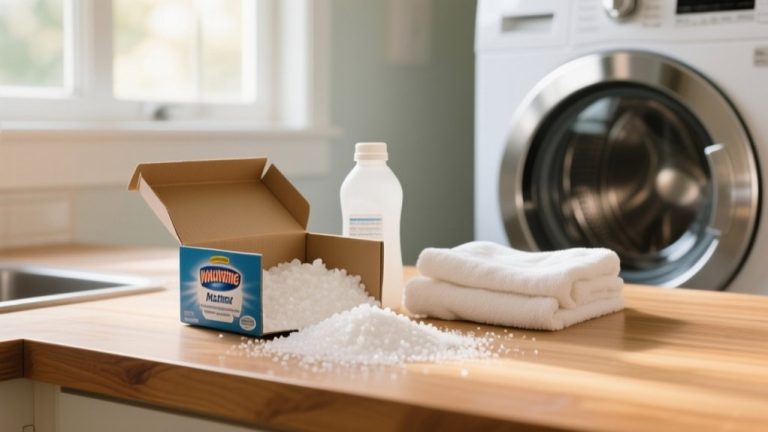
- Versatile stain remover powder: Mix it with water to create a solution for treating stains or cleaning larger areas. You control the concentration and amount.
- MaxForce spray: Apply this ready-to-use formula to a small, targeted spot. Its spray format makes localized treatment convenient.
- Carpet and upholstery cleaner: This product is designed for fabric and carpet cleaning, not as a general concrete cleaner.
Choose a format that fits your stain’s size and your preferred application method. Don’t assume every OxiClean product works the same way.
Check Label Compatibility
Before applying any formula to concrete, check its label for directions, surface compatibility, and warnings. OxiClean products vary, so don’t assume a cleaner made for laundry or another surface is appropriate for your driveway, patio, or garage floor.
Look for explicit instructions that permit use on concrete and explain how to mix, apply, and rinse the product. Follow the stated dilution and contact time; using a stronger solution or leaving it longer won’t guarantee better oil removal and could affect the surface.
Check warnings about colored or sealed concrete, nearby plants, and protective gear. If the label doesn’t mention concrete, contact the manufacturer before proceeding.
Test the diluted cleaner on a small, inconspicuous spot first, then check for discoloration or damage before treating the stain.
Protect Concrete and Nearby Surfaces
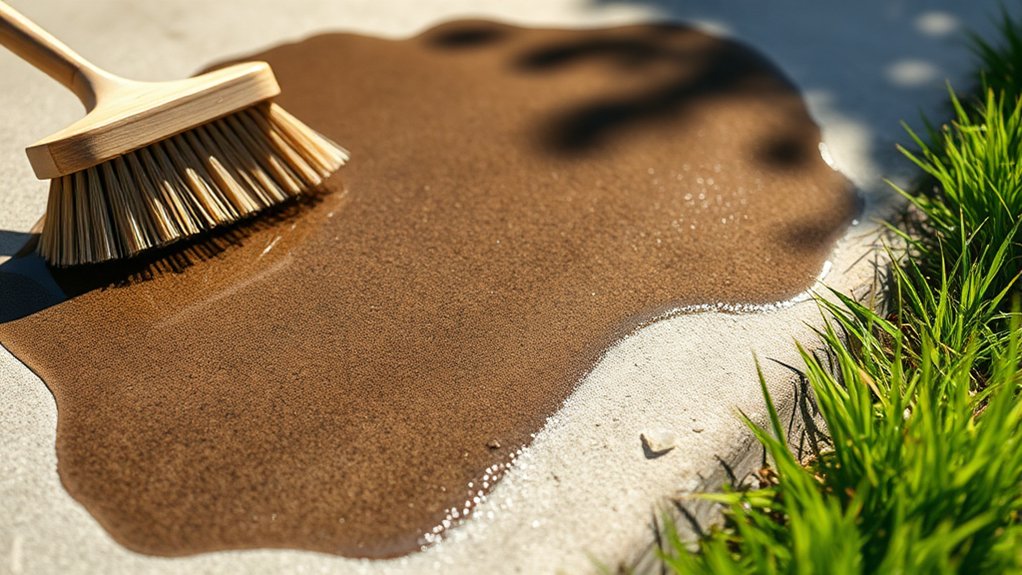
While you treat the oil stain, protect nearby plants, painted surfaces, and metal from cleaner runoff. Even a diluted cleaner can discolor finishes or stress plants, so don’t assume surrounding materials are safe. Check the product label for precautions, and keep children and pets away from the work area.
Before you begin, take these steps:
- Cover plants with a waterproof tarp, but remove it promptly afterward to prevent overheating.
- Shield painted surfaces, nearby vehicles, and metal fixtures with plastic sheeting or a suitable barrier.
- Block drains and direct runoff away from gardens, soil, and waterways.
Secure covers so wind won’t shift them, and leave enough space to work without brushing against protected surfaces.
If runoff escapes, contain it promptly and follow the cleaner label’s disposal guidance. Keep protective barriers in place until the area is rinsed and dry.
How to Use OxiClean on Concrete Oil Stains
Mix OxiClean according to the package directions, since formulas and recommended strengths can vary.
Dissolve the powder fully in warm water, using a bucket and stirring carefully. Don’t combine it with other cleaners.
Apply the solution to the oil stain with a scrub brush or pour it on slowly, keeping the concrete evenly damp without flooding nearby areas.
Let the cleaner sit for the time stated on the package. Don’t allow it to dry on the surface; add a little water if needed to keep it moist.
Scrub the stain firmly with a stiff-bristled brush, working across the affected area to loosen oily residue.
Rinse the concrete thoroughly with clean water, directing runoff away from plants and storm drains.
Follow the label’s safety instructions throughout the process.
What to Do if the Stain Remains
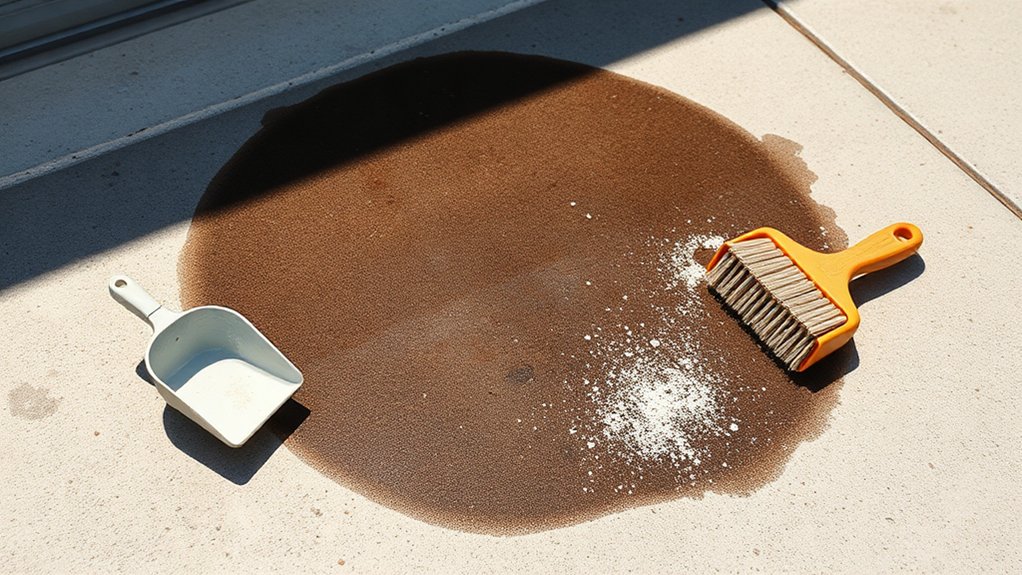
If the stain remains after rinsing, let the concrete dry so you can judge how much oil is left. A damp surface can make the mark look lighter than it is.
Once dry, check whether the spot has faded or still looks dark. A lighter mark may need time and another gentle cleaning pass.
Before repeating the treatment, sweep away loose dirt and read the product label. Don’t mix OxiClean with other cleaners, and protect nearby plants from runoff. Keep children and pets away while you work.
- Reapply the solution only as directed on the package.
- Scrub the area with a stiff nylon brush, working from the edges inward.
- Rinse thoroughly, then let the concrete dry before checking again.
You may need several careful passes because porous concrete can hold oil below its surface.
When to Try a Stronger Concrete Oil Cleaner
If several careful OxiClean treatments haven’t lifted the oil, switch to a cleaner made specifically for concrete oil stains. Choose a product labeled for concrete and the type of stain you’re treating.
For fresh, greasy marks, a degreaser may work; for deep, old stains, use a concrete poultice designed to draw oil from porous surfaces.
Read the label before buying, and check whether the cleaner suits your concrete’s finish and nearby plants or materials. Test it on a small, hidden spot first.
Follow the directions for dilution, application, and dwell time, and don’t let the product dry unless the label permits it.
Wear gloves and eye protection, and ventilate the area. Rinse as directed, then let the concrete dry fully before judging the result.
Avoid mixing cleaners or using harsher products without checking safety instructions.
Frequently Asked Questions
Can Oxiclean Damage Colored or Decorative Concrete?
Yes, OxiClean can damage or discolor colored or decorative concrete, especially if you use a strong solution, leave it on too long, or scrub aggressively.
It may affect stains, dyes, sealers, or decorative finishes, and results vary by product and surface.
Test a small, hidden spot first, follow the label, and rinse thoroughly.
If your concrete has a sealer or special finish, check with the installer before cleaning.
Is Oxiclean Safe to Use Around Pets and Children?
You can use OxiClean around pets and children, but give them a little breathing room while you work.
Keep them away from the powder, mixed solution, and treated area until you’ve rinsed the concrete thoroughly and it’s dry.
Don’t let pets lick the surface or children touch the product, and store it securely.
Follow the package directions, wear gloves if recommended, and ventilate the area.
If anyone swallows it, contact poison control promptly.
Can Oxiclean Remove Old, Set-In Oil Stains?
Yes, OxiClean may lighten old, set-in oil stains, but it mightn’t remove them completely.
For the best chance, choose an OxiClean product labeled for your surface, follow its directions, and test a hidden spot first.
Apply it to the stain, allow the recommended dwell time, then scrub and rinse thoroughly.
You may need several treatments. If the oil has penetrated deeply, use a concrete degreaser or poultice instead.
Does Rain Affect Oxiclean’s Effectiveness on Concrete?
Rain can reduce OxiClean’s effectiveness on concrete by diluting or washing away the cleaner before it has time to work.
Like a sudden curtain, a downpour can cut short your cleaning effort.
Apply OxiClean on a dry day, follow the product directions, and let it sit for the recommended time.
If rain starts, rinse and repeat later when the surface is dry.
Don’t let runoff enter storm drains or waterways.
How Can You Prevent Future Oil Stains on Concrete?
Prevent future oil stains on concrete by sealing the surface, using drip pans, and fixing vehicle leaks promptly.
Apply a penetrating concrete sealer according to its label, then reapply as recommended.
Park cars over absorbent mats or cardboard, especially if they’re prone to leaking.
Keep kitty litter or an absorbent product nearby, and blot fresh spills immediately instead of letting oil soak in.
Sweep regularly, and clean small drips before they spread.
Conclusion
OxiClean can lift fresh, light oil stains from concrete, but stubborn marks may need a stronger cleaner. Think of the stain as a guest who’s overstayed its welcome. OxiClean is your first polite knock, while careful scrubbing and repeat applications offer a firmer reminder.
Protect nearby surfaces, follow product directions, and test an inconspicuous spot first. If the stain still refuses to leave, choose a concrete-safe oil remover and let your driveway reclaim its welcome mat.