Can You Hand Wash Viscose That Says Dry Clean Only – Care Guide
You can hand wash some viscose labeled “Dry Clean Only,” but you have to be very cautious to avoid shrinking, warping, or color loss. Use cold water and a gentle detergent. Also, avoid twisting or wringing the fabric.
Always test a small area first. Handle delicate embellishments carefully too. If you’re unsure, professional cleaning is safer to preserve your garment’s texture and shape.
Keep exploring to discover the best techniques and precautions for caring for your viscose pieces at home.
How To Determine If Your Viscose Garment Can Be Washed At Home
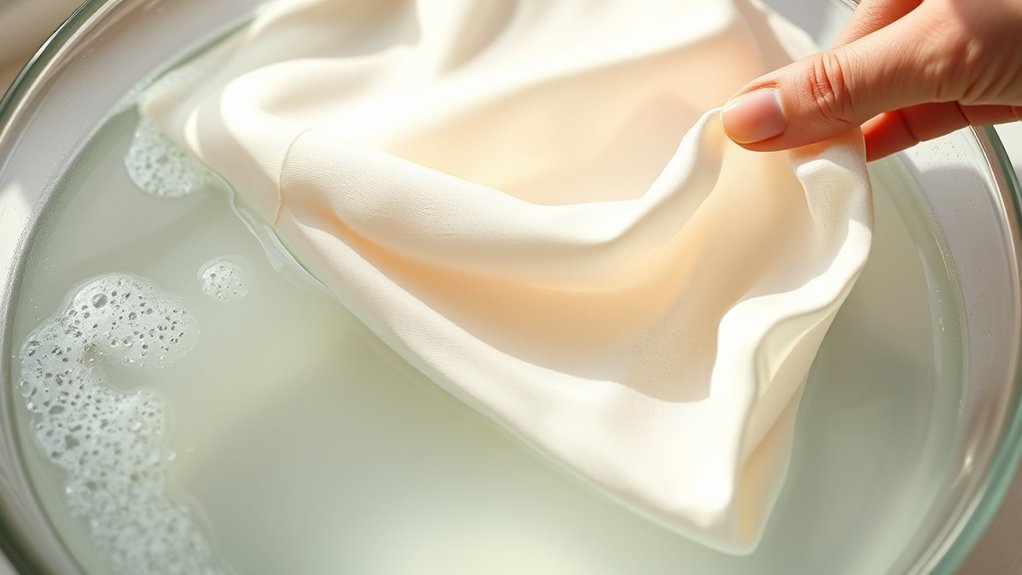
Before you decide to hand wash your viscose garment, start by carefully checking its care label for specific instructions. The label often reveals important details about fabric types and washing machine compatibility. Look for symbols—a hand in a tub means hand washing is suitable, while a circle with a “P” or “F” signals dry cleaning.
If the label permits hand washing, perform a small water test on an inconspicuous spot to check for shrinking, warping, or discoloration. Also, consider the garment’s construction; delicate embellishments usually require professional care.
When in doubt, research the manufacturer’s guidelines or consult a professional.
These steps help you determine if washing your viscose at home is safe, preserving its quality and appearance without risking damage. It’s always better to be cautious than sorry!
Is It Safe To Hand Wash ‘Dry Clean Only’ Viscose?
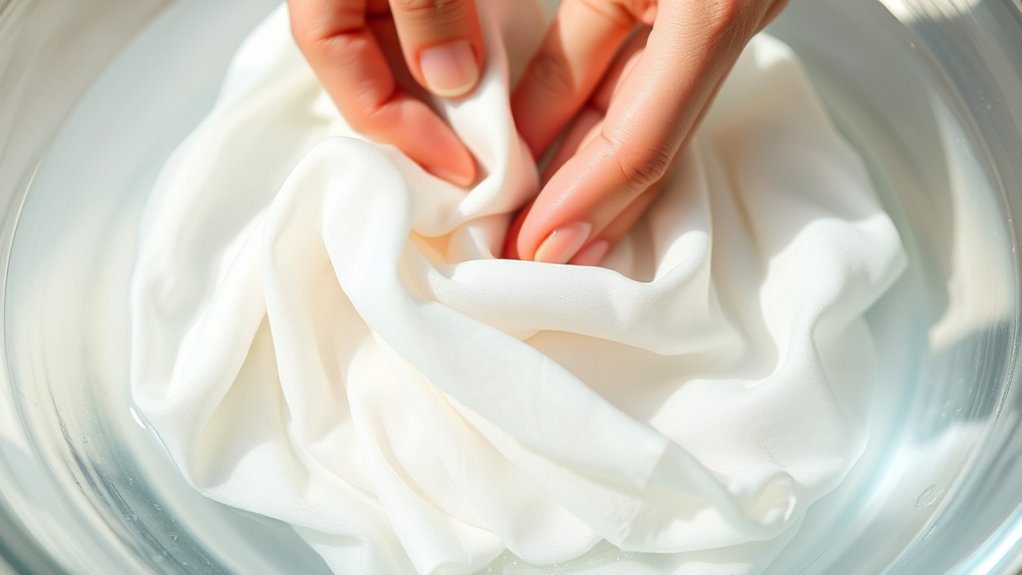
If your viscose garment is labeled ‘dry clean only,’ you might wonder whether hand washing is a safe alternative. Hand washing can be risky because viscose fibers are delicate and may shrink or warp if mishandled. To preserve fabric softness and prevent color fading, use cold water and a gentle detergent.
Avoid wringing or twisting, and always test a small area first. Proper drying by laying flat or hanging in its natural shape is vital to avoid distortion.
| Factor | Consideration |
|---|---|
| Fabric softness | Maintained with gentle handling |
| Color fading | Minimized by cold water |
| Shrinkage risk | High without proper care |
| Drying method | Flat or natural hanging |
| Testing before wash | Essential for safety |
If you’re unsure, it’s always best to consult care labels or professionals.
Materials Needed For Hand Washing Viscose
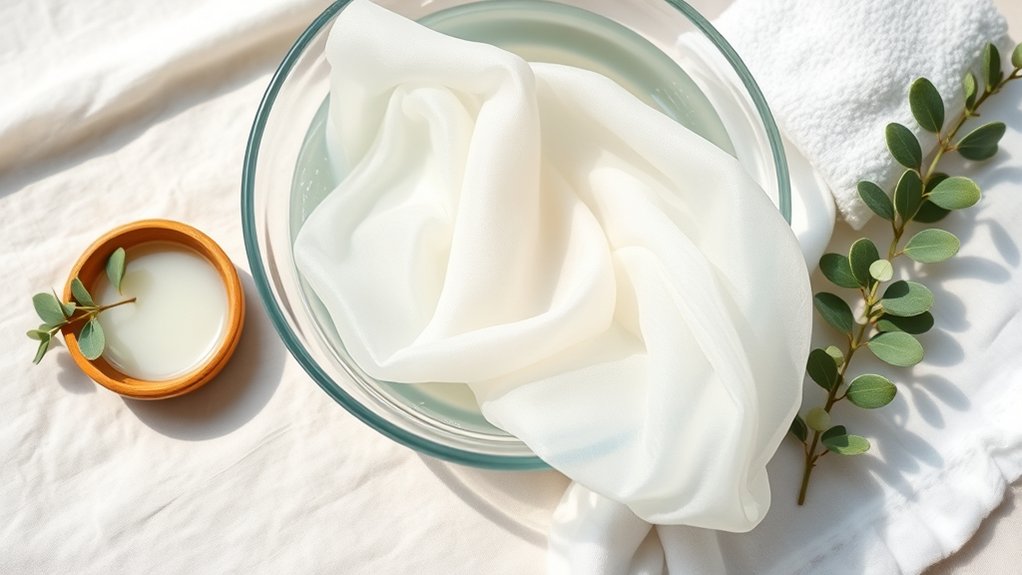
When you hand wash viscose, gathering the right materials guarantees you protect the fabric’s delicate fibers. Start with a large basin or clean sink filled with cold water to prevent fabric softness loss and minimize color fading.
Use a gentle, silk or delicate laundry detergent, like Heritage Park Silk and Wool Detergent, designed to safeguard viscose fibers.
Avoid chlorine bleach or harsh chemicals, as these can weaken fibers and accelerate fading.
Have a clean cloth or sponge ready for pretreating stains and rinsing the garment without rough handling.
Finally, keep a thick, dry towel nearby to gently press out excess water, avoiding wringing that can damage the fabric’s texture.
These materials guarantee you maintain your viscose garment’s integrity throughout hand washing. It’s really about being gentle and using the right stuff.
That way, your fabric stays soft and looking great.
How To Pretreat And Hand Wash Viscose
To keep your viscose garment looking its best, start by gently pretreating any stains with a damp cloth and a mild stain remover. It’s a simple step that really helps before you get into washing.
When it’s time to wash, always hand wash using cold water and a delicate detergent. Turning the garment inside out is a good trick to protect the fibers.
Make sure to use minimal agitation—just enough to get it clean without causing damage. Then rinse thoroughly to keep the fabric soft and looking great.
Stain Pretreatment Techniques
Although viscose requires gentle care, you can effectively treat stains by carefully dabbing them with a damp cloth and a bleach alternative like Molly’s Suds. Just steer clear of chlorine bleach to protect the fibers.
For stubborn spots, apply a small amount of delicate detergent directly and let it sit for a bit before gently blotting. Avoid scrubbing since that can cause fabric pilling and color bleeding.
Always test products on a hidden area first. And handle the garment carefully to avoid spreading stains.
| Step | Action |
|---|---|
| Dab | Use a damp cloth with bleach alternative |
| Apply detergent | Spot-treat with delicate detergent, wait |
| Lift stains | Use a soft brush or cloth, no scrubbing |
| Test and handle | Test hidden area; handle garment carefully |
Gentle Hand Washing
Since viscose fibers are delicate, you’ll need to pretreat stains carefully before hand washing to maintain the fabric’s integrity. Begin by gently dabbing stains with a damp cloth and a bleach alternative. Avoid chlorine bleach to protect the fabric texture.
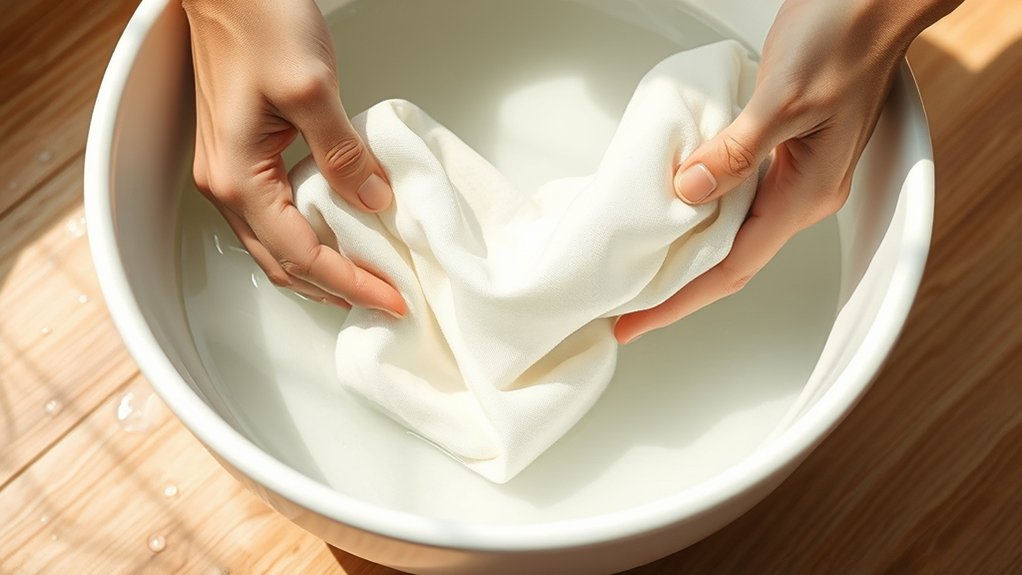
When hand washing, turn the garment inside out and use cold water with a delicate detergent. Minimize agitation to prevent shrinking or warping, which can compromise both texture and color preservation.
Rinse thoroughly without wringing or twisting to avoid distorting the fibers. After washing, lay the viscose flat on a clean towel and gently press out excess water.
Finally, air dry by reshaping the garment on a flat surface or hanger. Keep it away from direct sunlight or heat sources to maintain its color and softness.
Cold Water Usage
Maintaining the right water temperature is key when caring for viscose, especially during pretreatment and hand washing. Using cold water guarantees fiber safety by preventing damage and shrinking.
Here’s how you can use cold water effectively: Pretreat stains by gently dabbing with a damp cloth and a mild, bleach-free stain remover. Then, submerge the viscose in cold water, agitating gently without scrubbing or twisting.
Make sure to limit soaking to 30 minutes so the fibers don’t get distorted or the colors bleed. Finally, rinse thoroughly with cold water to remove all detergent and keep the fabric soft.
Easy, right? Just a few simple steps to keep your viscose looking great!
Removing Water And Drying Viscose Safely
After washing, you’ll want to gently press out the excess water. A great trick is to roll your viscose garment in a towel—this helps soak up the moisture without twisting or wringing it, which can damage the fabric.
Once you’ve done that, just air dry it flat on a clean surface. Or, you can hang it somewhere with good airflow, but make sure it’s away from direct sunlight to avoid any damage.
And definitely skip the tumble dryer; the heat and tumbling action can shrink or distort your lovely viscose piece.
Water Removal Techniques
Although viscose is delicate, you can safely remove excess water by gently pressing the garment between two clean towels or rolling it carefully without wringing or twisting. This method protects the fabric texture and helps preserve color by minimizing stress on the fibers.
To effectively remove water, follow these steps:
- Lay the viscose flat on a dry, absorbent towel and reshape it to its original form.
- Use a rolling motion with towels to absorb moisture instead of twisting.
- Avoid tumble dryers to prevent fiber shrinkage and damage.
- Make sure the garment is completely dry before storing or ironing to maintain its quality.
Safe Drying Methods
Once you’ve carefully removed excess water from your viscose garment by rolling it in a clean towel, the next step is to dry it properly to maintain its shape and texture.
Lay the garment flat on a dry towel or drying rack, reshaping it to its original form to prevent misshaping. Avoid wringing or twisting, as this can damage fibers and reduce fabric softness.
Keep your garment away from direct sunlight and heat sources to guarantee color preservation and prevent fiber damage. Never use a tumble dryer, since high heat risks shrinking or distorting viscose.
Once fully dry, remove wrinkles with a steamer or a cool iron using a pressing cloth, avoiding high heat.
These steps help maintain your viscose’s softness and vibrant color for longer. Just take your time with it, and your garment will look great for ages!
Ironing And Removing Wrinkles From Viscose
How do you safely iron and remove wrinkles from viscose without damaging its delicate fibers? Proper ironing techniques and wrinkle removal are key to maintaining your garment’s integrity. Follow these steps:
First, confirm the viscose is completely dry before you start ironing to avoid fiber damage.
Then, set your iron to the lowest heat or silk setting.
Instead of pressing down directly, hover the iron gently over the fabric.
You can lightly spritz the fabric with water or a fabric spray to help ease out stubborn wrinkles.
Use gentle steaming while the fabric is slightly damp.
But be careful—avoid steaming dry viscose to prevent shrinkage or warping.
Common Mistakes And Risks When Washing Viscose
When washing viscose, avoiding common mistakes is essential to preserving its delicate fibers and maintaining the garment’s shape. Using hot water or aggressive agitation can weaken the fabric’s durability, causing shrinking or warping.
Rubbing or scrubbing stains harshly breaks down the fibers, leading to fraying or holes.
Wringing or twisting wet viscose distorts its shape and creates permanent wrinkles. Excessive heat during drying or ironing risks shrinking the fabric further and may cause brittle texture or shiny patches.
Additionally, improper care can accelerate color fading, which diminishes the garment’s appearance. To protect your viscose, handle it gently with cool water and minimal agitation. Avoid harsh treatments whenever possible.
This careful approach preserves both fabric durability and vibrant color. It really helps extend the life of your delicate viscose clothing.
When To Choose Professional Dry Cleaning Instead
Although many viscose garments can be safely washed at home, you should choose professional dry cleaning if the care label specifies “Dry Clean Only” or if the item features delicate finishes, fabric embellishments, or bonded layers.
Dry cleaning preserves the garment’s shape, color, and texture, which can be compromised by improper water temperature or washing methods.
Dry cleaning protects your garment’s shape, color, and texture from damage caused by incorrect washing.
Consider professional dry cleaning when the garment has intricate fabric embellishments that could be damaged by water.
Also, if the care label explicitly states “Dry Clean Only,” it’s best to follow that advice.
Think about it if the fabric includes bonded layers or delicate finishes that need specialized care.
And if you’re unsure about the fabric’s stability or how water temperature might affect it, going pro is a safe bet.
Choosing professionals helps maintain your viscose garment’s longevity and appearance without risking shrinkage or deterioration.
It’s a smart way to keep your clothes looking great for longer.
Frequently Asked Questions
Can Viscose Shrink After Hand Washing?
Yes, viscose can shrink after hand washing if you don’t use gentle hand washing techniques. The viscose fiber durability is delicate, so cold water and minimal agitation help maintain its shape and prevent shrinkage effectively.
Just be careful with how you handle it. Using warm water or scrubbing too hard can cause the fabric to lose its form. So, keeping things gentle is really the key here.
How Often Can I Wash Viscose Garments at Home?
Think of your viscose garment like a delicate flower. Water it only when needed. You should wash it every 4-6 wears, focusing on stain removal.
Use gentle ironing tips to keep its shape intact. Taking care this way helps your clothes last longer and look better. Just treat them with a little extra love!
Will Hand Washing Affect the Color of Viscose?
Yes, hand washing can cause color fading if the fabric dye isn’t stable. To protect your viscose, use cold water and a gentle detergent.
It’s a good idea to test a hidden area first. This way, you can avoid any unwanted dye loss or bleeding. Taking these steps helps keep your fabric looking great longer.
Can I Use Fabric Softener With Viscose?
You shouldn’t use fabric softener with viscose, as it weakens fibers and reduces breathability.
Instead, try fabric softener alternatives like white vinegar to maintain viscose scent retention and preserve fabric integrity effectively. It works well without harming the fabric.
This way, your viscose clothes stay fresh and last longer.
How to Store Viscose Clothes After Washing?
For storage tips, fold viscose clothes flat and use breathable cotton bags to prevent moisture. Make sure they’re fully dry to avoid mildew.
To remove wrinkles, gently steam or iron on low heat. Just be sure to avoid storing them in direct sunlight. It helps keep your clothes looking fresh longer!
Conclusion
You might think hand washing your ‘dry clean only’ viscose is risky, but with careful steps, it’s often doable at home. However, the delicate nature of viscose contrasts sharply with its tempting ease of washing. A wrong move can ruin your garment.
When in doubt, professional dry cleaning offers peace of mind. Balancing caution with confidence guarantees your viscose stays beautiful. Choose wisely between home care and expert help.