Is Oxiclean A Degreaser – What to Know
OxiClean isn’t a dedicated degreaser. It’s an oxygen-based stain remover and laundry booster that can help lift fresh cooking grease and food residue.
You may get mixed results on heavy, automotive, or set-in grease, and repeated treatments won’t always work. Check the product label, test a hidden spot, and rinse thoroughly to limit damage or residue.
For stubborn oil, a grease-specific cleaner may work better. Learn which stains and materials call for extra care before choosing a product.
Is OxiClean a Degreaser?
OxiClean isn’t a dedicated degreaser; it’s mainly sold as a stain remover and laundry booster. It can still help with some greasy stains, but you shouldn’t expect every product in the range to work equally well.
Some users praise OxiClean laundry detergent for handling grease, while others report disappointing results with tougher stains. Reviews reflect that mixed experience, averaging 2.2 out of 5 from 29 ratings.
If you’re comparing options, baking soda may also come to mind, but OxiClean’s main purpose remains stain removal rather than grease-specific cleaning.
Before using it on clothing or other valuable items, test a small, hidden area first. That precaution can help you spot discoloration or damage before treating the whole item.
Choose a product based on its label and your fabric’s care instructions.
How Does OxiClean Work on Grease?
Because OxiClean releases active oxygen to break down stains, it can lift some lighter grease from fabrics and surfaces. The oxygen-based formula helps loosen residue rather than working like a purpose-made degreaser.
Use the product as directed, since the results depend on the item, the stain, and how you apply it. You may find that it helps with a greasy mark, but it won’t always deliver the same outcome. People report mixed experiences, and some see little improvement when grease has set in.
Results vary by item, stain, and application; OxiClean may help with greasy marks, but set-in grease can be harder to remove.
Before treating a valuable item, test OxiClean on a hidden area. This precaution can help you spot possible damage or discoloration before it affects a visible surface. If the test area changes, don’t continue.
Treat OxiClean as a stain remover that may assist with grease, not a guaranteed solution.
Which Grease Stains Can OxiClean Remove?
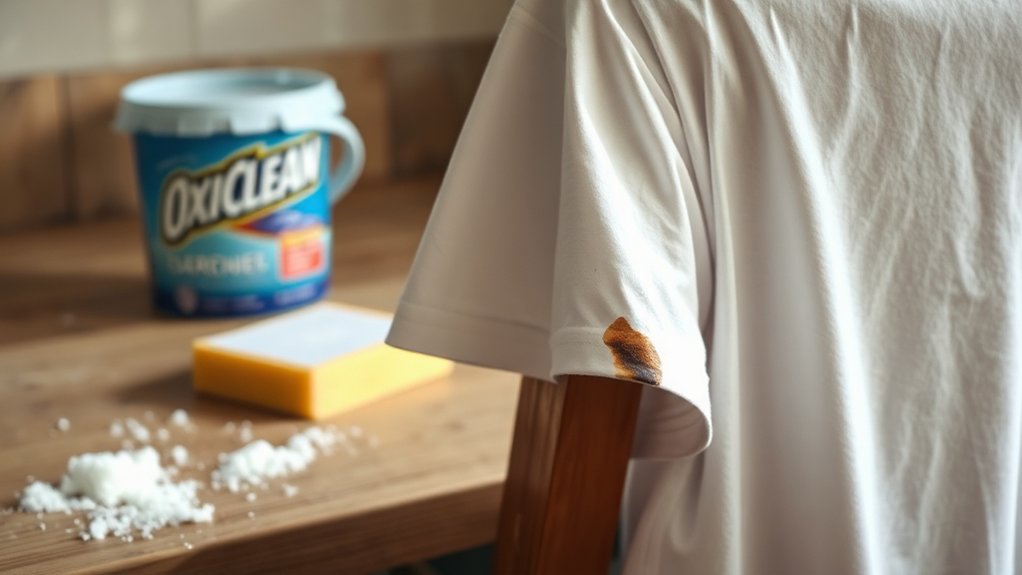
The types of grease matter: OxiClean may lift cooking oil and food residue from fabrics, and it often works on kitchen counters, though results depend on the material.
If you spill oil while cooking, treat the stain promptly. OxiClean can help loosen residue before it sets. You may also find it useful for everyday grease on counters. Follow the product directions and check the surface’s care guidance before cleaning.
Automotive grease is tougher. Results vary, and you may need a stronger formulation for stubborn marks.
Older or set-in grease can also resist treatment, so you might need to apply OxiClean more than once. Don’t assume one wash or wipe will remove every stain.
Test a small, inconspicuous spot first, particularly when you’re unsure how the material will respond. That check can help you avoid unexpected damage while evaluating whether OxiClean suits the stain.
Which Fabrics and Surfaces Can OxiClean Damage?
OxiClean can sometimes discolor delicate or colored fabrics, even if the formula says it’s color-safe. So, it’s always a good idea to be cautious.
You might also notice unexpected stains appearing on carpets or upholstery. Because of this, testing a small, hidden area first is really important.
Also, when you’re using sprays, make sure to wear gloves to protect your skin.
And try to keep the product away from anything valuable to avoid accidental damage.
Delicate And Colored Fabrics
Although OxiClean can help lift stains, its strong formula may damage delicate fabrics like silk and wool. Some color-safe products have faded or discolored colored garments.
Before treating a garment, check its care label and the product instructions.
If the fabric is valuable or you’re unsure how it’ll react, don’t risk applying the cleaner across the whole item. Instead, test OxiClean on a hidden area first. Apply a small amount as directed, then check for fading, discoloration, or other changes before proceeding.
Some users have reported irreversible damage to colored clothing, so a “color-safe” label doesn’t guarantee that every dye or fabric will respond well.
If you notice any change during the test, stop and avoid using the product on that garment.
A cautious spot test can help you prevent costly surprises.
Carpets And Upholstery
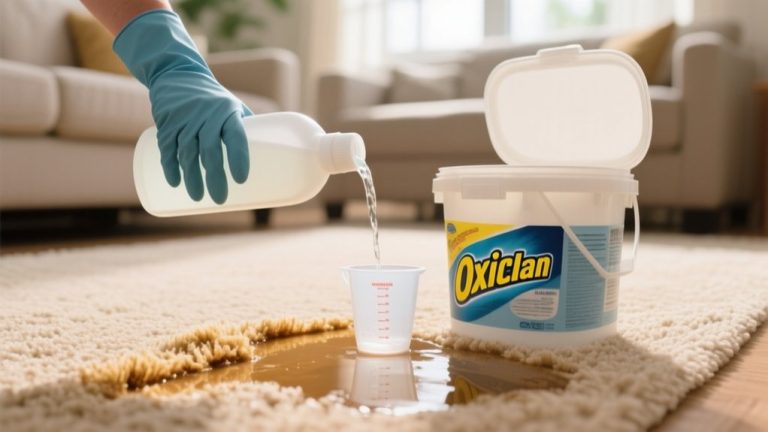
Before using OxiClean on carpets or upholstery, check the care label and test it on a hidden spot. Some users have reported unexpected light-blue discoloration, lingering odors, and irritation after treatment.
Even when a fabric seems colorfast, the product may alter its appearance, especially on carpets. Don’t apply it broadly until your test area dries and you’ve checked for changes.
Upholstery results can vary: OxiClean may not remove a stain, and sensitive fabrics may react poorly. If the item is valuable or delicate, consult its manufacturer or a professional cleaner first.
Wear gloves when handling OxiClean spray since users have reported severe chemical burns. Ventilate the room, follow the product directions, and keep people and pets away until treated surfaces are dry and the scent has cleared.
How Can You Use OxiClean on Greasy Items?
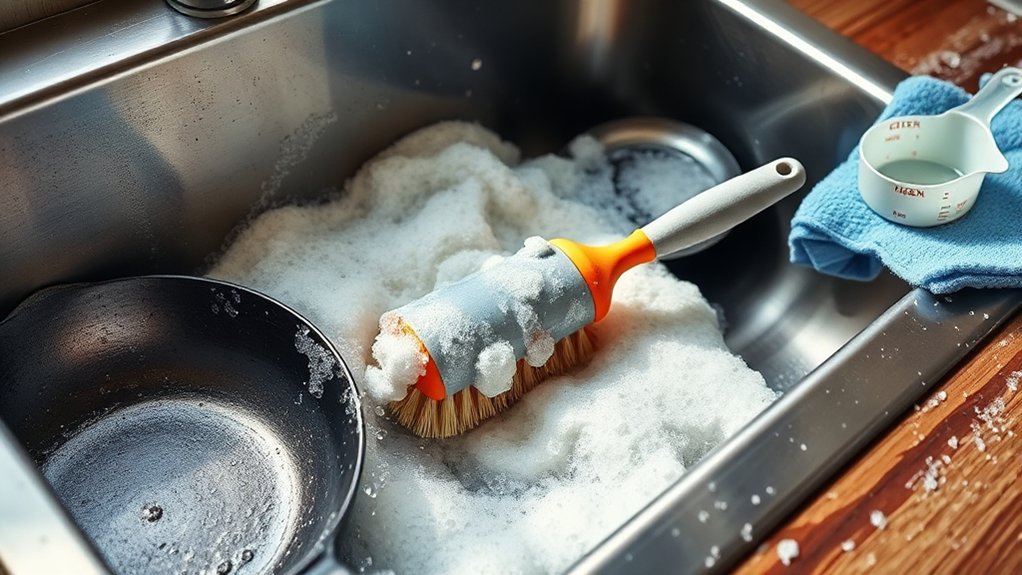
Before you start using OxiClean on greasy items, make sure to check the label for dilution and application instructions. It’s important to follow those guidelines so you get the best results.
Also, try testing it on a hidden spot first—this way, you can be sure it won’t fade or damage the material.
Once you’ve treated the item, be sure to rinse it thoroughly to remove any leftover residue. This will help keep your item clean and fresh without any issues.
Check the Product Label
Can OxiClean tackle grease? Check the product label before using it on a greasy item. OxiClean products generally target stains rather than grease, so don’t assume every formula works as a degreaser. The label explains whether the product suits your item and gives directions for treating stains.
Some people have used OxiClean laundry detergent on greasy clothing, but results vary with the grease type and how severe the stain is.
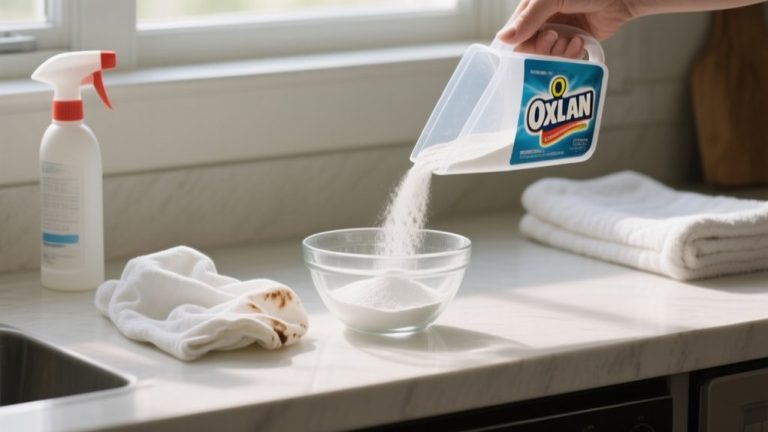
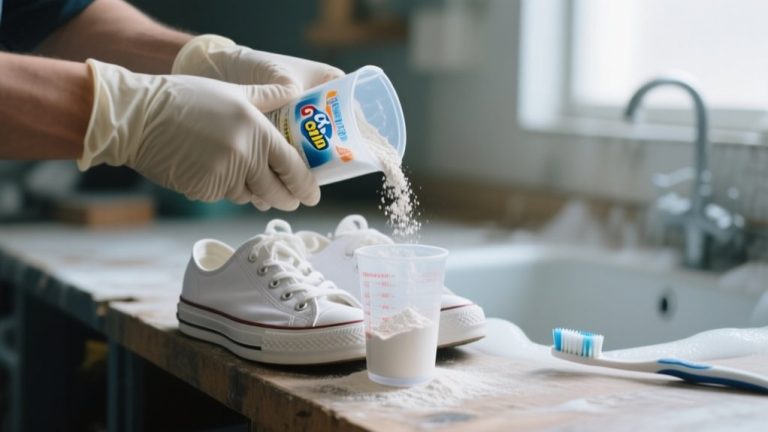
For a powder product, you can mix it with water to make a paste and apply it to the stain as a pretreatment. Follow the package’s recommended soaking time to help address stubborn marks.
Use the product only as directed, and check that it’s suitable for the fabric or surface before you begin.
Pretest Colorfastness
To use OxiClean on a greasy item, first test it on a hidden spot, especially on colored fabric. Apply the product as directed to an inconspicuous area, then check for fading, discoloration, or other changes before treating the stain. This simple test helps you avoid damaging a garment you care about.
Don’t assume every fabric or OxiClean product will respond the same way. Users report mixed results on greasy stains, and some formulas may not meet your expectations. Follow the specific product instructions carefully, since unclear or misunderstood directions can lead to poor results.
Wear gloves while handling the solution to protect your skin. Some users have reported adverse reactions from contact.
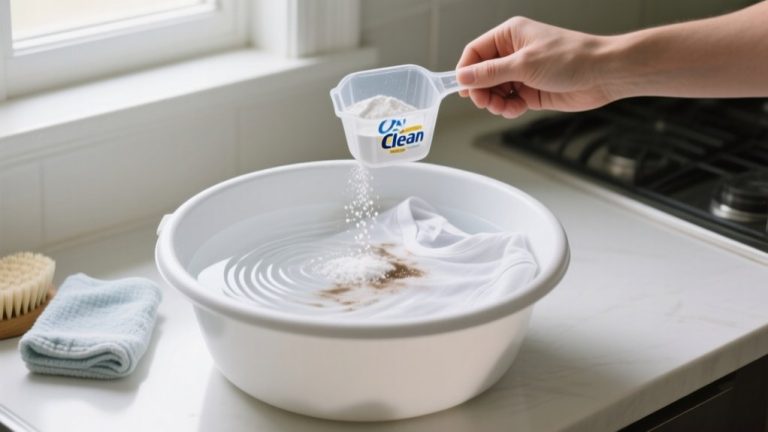
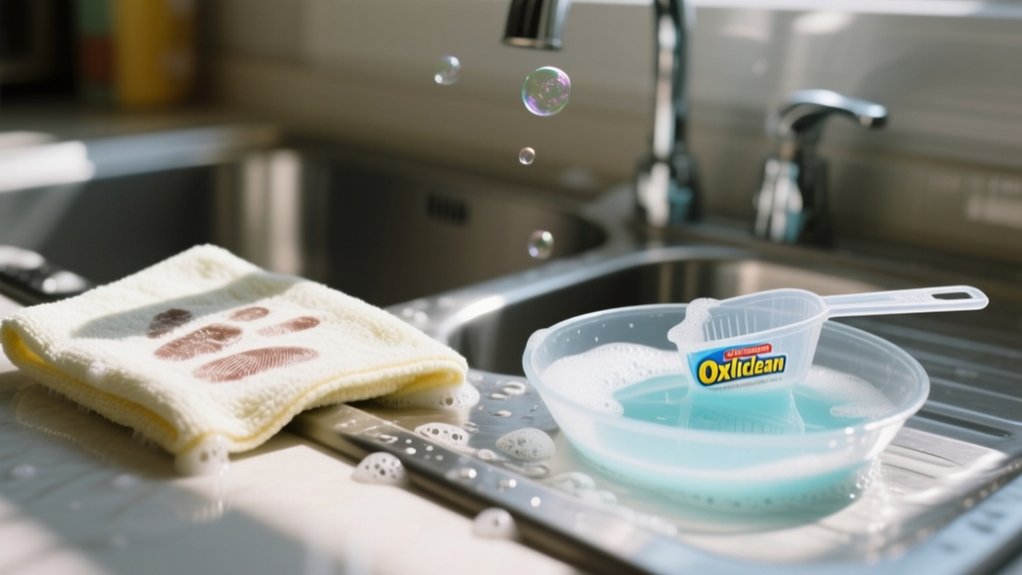
If the test spot remains unchanged, soaking the item in an OxiClean-and-water solution may help tackle the grease more effectively than direct application.
Rinse Items Thoroughly
After soaking a greasy item in OxiClean as directed, rinse it thoroughly with clean water to remove residue that could leave lingering odors or irritate your skin.
Keep rinsing until the water runs clear and the fabric no longer feels slippery. Don’t assume a quick rinse is enough; leftover product may affect how the item smells or feels when dry.
For best results, follow the package directions for soaking and rinsing, and use hot water only when the care label allows it. OxiClean can help lift grease stains from fabrics, but results vary, and it may not match a dedicated degreaser.
If a stain remains, repeat the treatment according to the label rather than increasing the product amount.
Before treating the whole item, test an inconspicuous spot to check for damage or color changes.
How Can You Use OxiClean Safely?
Using OxiClean safely starts with wearing gloves, since direct contact can cause severe skin reactions. Don’t handle the product with bare hands; users have reported serious irritation and chemical burns.
Before treating a valuable item, test OxiClean on a small, hidden area. This helps you spot possible damage or discoloration before it affects the whole surface.
Read the label and follow its directions carefully. If the instructions seem unclear, don’t guess at the application method.
Use the product selectively, since reviews of its effectiveness vary, and don’t assume customer service will resolve every concern. Consider where you’re using it, too.
Lingering scents and irritants can build up in enclosed spaces, such as vehicles, and may trigger headaches or nausea. Ventilate the area and stop using the product if you notice discomfort.
When Is a Degreaser Better Than OxiClean?
When grease is the main problem, a dedicated degreaser usually works better than OxiClean. OxiClean targets general stains with oxygen-based cleaning, but it isn’t designed for heavy-duty grease removal.
If you’re tackling stubborn oil, stronger surfactants in a degreaser can break down and lift residue more effectively.
Choose a degreaser when you’re cleaning:
- Kitchen grease on stovetops or range hoods
- Automotive oil on tools or garage surfaces
- Tough, baked-on grease that resists washing
- Greasy stains that OxiClean hasn’t removed
- Jobs where you want faster, more thorough results
Some users find OxiClean struggles with grease, so repeating the treatment may frustrate you without solving the problem.
For these messes, switch to a product formulated specifically to cut grease. Follow its label directions and check that it’s suitable for the surface you’re cleaning to avoid damage.
Frequently Asked Questions
Can Oxiclean Remove Old, Set-In Grease Stains?
OxiClean may remove some old, set-in grease stains, but you shouldn’t count on it to work reliably. It often performs better on fresh grease, while older stains can resist treatment.
For your best chance, follow the package directions, test the solution on a hidden area, and treat the stain before washing.
Don’t put the item in the dryer until you’ve checked that the grease is gone, since heat can set the stain further.
Does Oxiclean Leave Residue After Cleaning?
Yes, OxiClean can leave residue after cleaning, especially if you don’t rinse it thoroughly. A faint, sticky film may cling to surfaces or fabric like a thin veil, attracting dirt and dulling the finish.
Some sprays may also prove difficult to dissolve or wash away completely. To reduce buildup, follow the product’s label, then rinse the cleaned area or item well with clean water.
Check delicate materials first to help prevent discoloration or damage.
Can Oxiclean Be Used in a Washing Machine?
Yes, you can use OxiClean in a washing machine as a laundry additive alongside your regular detergent.
Follow the package directions for the correct amount and where to add it, since instructions vary by product and washer.
It may boost stain removal, but results on tough stains can vary.
To protect your clothes, test the solution on an inconspicuous area first and stop using it if you notice fading or damage.
How Long Can Oxiclean Be Stored After Mixing?
Like Cinderella’s carriage at midnight, mixed OxiClean loses its magic with time: use it immediately for the best results, and don’t store it longer than six hours.
After that, its active ingredients can degrade, weakening stain removal.
If you must keep a solution briefly, seal it in a container to limit exposure to air and moisture.
Check your product label, too, since its storage directions may vary by formula.
Is Oxiclean Safe for Septic Systems?
OxiClean can be safe for septic systems when you use it as directed, but you should check your specific product’s label because formulas vary.
Use only the recommended amount, and avoid frequent or excessive use, which may disrupt beneficial bacteria.
If you’re concerned, test a small amount and monitor your system for changes.
Don’t pour concentrated solution or unused product into drains; follow the label’s disposal instructions and ask a septic professional if needed.
Conclusion
OxiClean can help lift light, washable grease stains, but it isn’t a dedicated degreaser. Its oxygen-based cleaning action works best with water, patience, and fabrics that tolerate treatment—not delicate materials or surfaces the label forbids.
Test first, follow the package directions, and rinse thoroughly. For heavy, baked-on, or mechanical grease, choose a product made for that job. OxiClean may brighten laundry; it won’t negotiate with an engine like a seasoned mechanic.