Should You Dry Clean Linen – Care Tips Explained
You should dry clean linen mainly for deep cleaning or tough stains. This method helps minimize shrinkage and keeps the fabric quality intact.
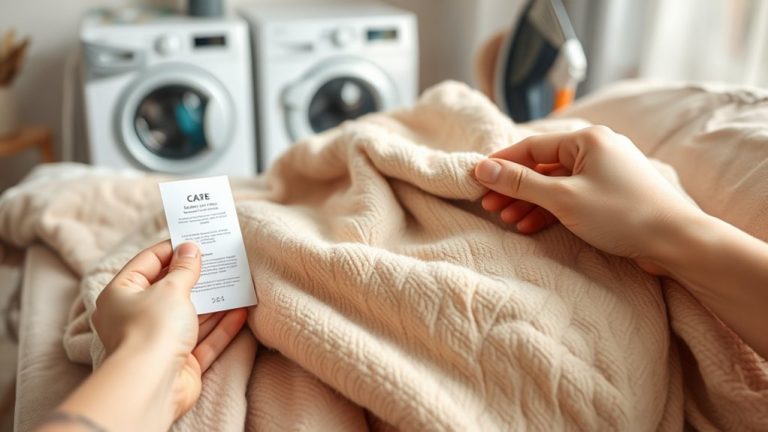
For everyday care, washing linen gently with a mild detergent in cool water is best. Air drying it afterward helps maintain its softness and durability. Avoid bleach and high heat because they can damage the fabric.
Managing wrinkles naturally and storing linen properly also helps extend its lifespan. If you want to keep your linen looking fresh longer, trying out these care tips can be really helpful.
Why Linen Needs Special Care
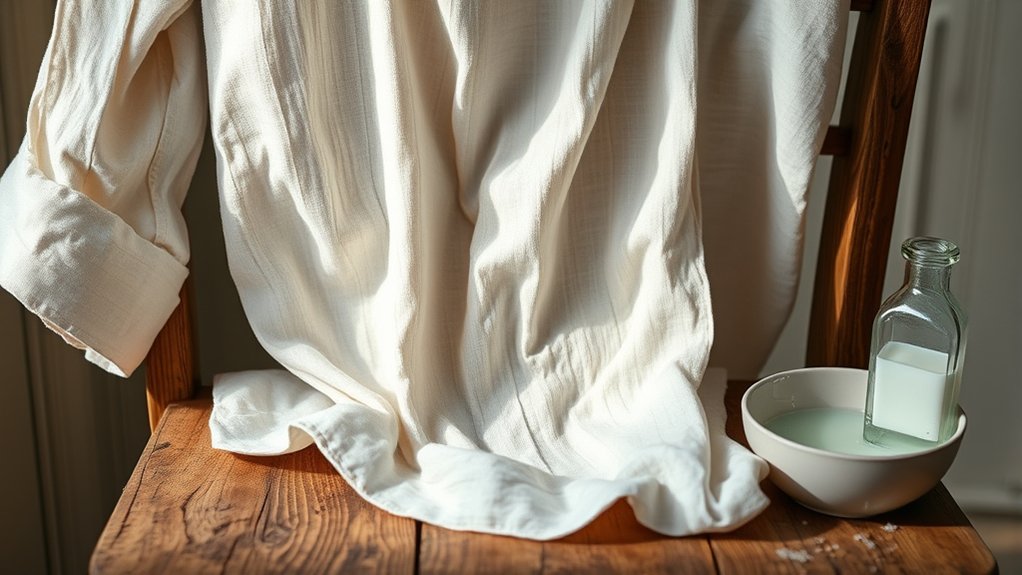
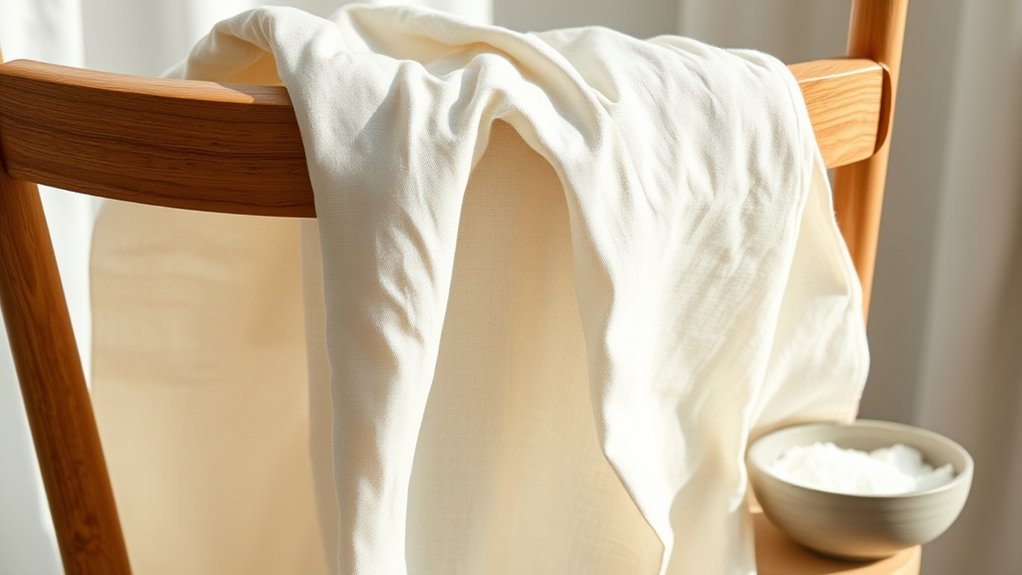
Because linen is a delicate fabric, it requires special care to maintain its natural texture, color, and durability. You need to handle linen gently to protect its unique linen texture, which can easily weaken under harsh conditions.
Linen’s delicate nature demands gentle care to preserve its unique texture and lasting beauty.
High temperatures and aggressive detergents can cause shrinkage and damage the fibers, leading to a loss of both softness and strength.
For color preservation, avoid bleach or strong chemicals that strip the fabric’s natural hues. Instead, opt for mild cleaning methods that respect linen’s sensitivity.
By following these guidelines, you’ll extend linen’s lifespan and keep it looking vibrant and fresh.
Proper care is essential to safeguard both the linen texture and color preservation, ensuring your linen items remain beautiful and durable over time. Taking a little extra time with your linen really pays off in the long run!
Is Dry Cleaning Linen Safe and Necessary?
Although linen is durable, you’ll find that dry cleaning offers a safe and effective way to care for delicate or heavily soiled pieces. The dry cleaning process uses specialized solvents that protect linen fabric from damage and maintain its softness and color vibrancy.
This method also minimizes shrinkage and distortion often caused by water-based cleaning. When handled by professionals, dry cleaning preserves linen’s integrity and extends its lifespan.
Consider dry cleaning linen fabric when you want to:
- Remove tough stains without water damage
- Prevent further shrinkage after initial washes
- Maintain fabric softness and appearance
- Guarantee long-term preservation of color and texture
Dry cleaning linen is both safe and necessary for specific care needs.
Benefits and Chemicals Used in Linen Dry Cleaning
When you choose dry cleaning for your linen, you benefit from the use of specialized solvents like tetrachloroethylene (‘perc’). These solvents quickly evaporate and effectively remove dirt and stains without soaking the fabric. This method helps preserve linen’s softness, color, and overall appearance by avoiding water-based damage.
Professional dry cleaners ensure chemical safety by using purified solvents recycled through distillation. This process greatly reduces environmental impact.
While dry cleaning involves chemicals, the process is gentle on linen. It prevents harsh agitation and heat damage common in home washing.
If you have concerns, talking to your cleaner can help minimize shrinkage risks. Ultimately, dry cleaning offers a precise, safe way to maintain linen’s quality.
Plus, it doesn’t compromise environmental responsibility thanks to solvent recycling and careful handling.
Dry Cleaning vs. Home Washing for Linen
Choosing between dry cleaning and home washing depends on the specific needs of your linen items. Linen fabric requires careful handling to preserve its texture and color. Your cleaning frequency plays a vital role in deciding the best method.
Dry cleaning uses solvents that effectively remove stains without water. This reduces the risk of shrinkage and helps maintain fabric integrity.
On the other hand, home washing with gentle detergents and cold or lukewarm water softens linen over time and is more cost-effective.
Consider these points: dry clean for delicate or heavily stained linen fabric. Home wash regularly to maintain softness and reduce costs.
Always follow care labels strictly, especially if they say “dry clean only.”
Expect minor shrinkage with either method during initial cleanings. Choose the method that suits your linen’s condition and how often you clean it.
Does Dry Cleaning Stop Linen Shrinkage?
You might think dry cleaning stops linen from shrinking, but it actually just helps reduce the initial shrinkage a bit by avoiding agitation and heat.
Linen usually shrinks about 3% during its first cleaning, no matter if it’s dry cleaned or washed at home.
Linen Shrinkage Causes
Although dry cleaning uses a gentle solvent-based process, it doesn’t completely stop linen from shrinking. The linen fiber structure naturally contracts when exposed to heat, water, or agitation. So, some shrinkage can happen even during dry cleaning.
Fabric dye stability can also be affected by these factors. That means improper handling might change the color appearance along with the fit.
Key causes of linen shrinkage include:
- Heat exposure causing fiber contraction
- Moisture weakening fiber tension
- Mechanical agitation stressing the fabric
- Absence of proper pre-washing to stabilize fibers
Understanding these causes helps you handle linen carefully. While dry cleaning minimizes water exposure, it doesn’t fully eliminate shrinkage risks because of the natural properties of linen fibers and dyes.
Dry Cleaning Shrinkage Impact
While dry cleaning uses gentle solvents to protect linen, it doesn’t completely stop the fabric from shrinking. Linen naturally shrinks about 3% during its first wash or dry cleaning, no matter which method you choose.
Dry cleaning lowers the risk of shrinkage compared to hot water washing because it avoids harsh agitation and heat. This helps keep the fabric looking good longer and preserves its color.
But some shrinkage over time is just part of linen’s natural fiber behavior. If you pre-wash or pre-wet the linen before dry cleaning, you can reduce that initial shrinkage even more.
At the end of the day, dry cleaning is a great choice if you want to keep your linen’s quality and appearance intact. Just remember, it won’t completely prevent the slight size changes linen goes through.
Minimizing Shrinkage Risks
Dry cleaning offers a safer alternative to machine washing when aiming to minimize linen shrinkage, thanks to its use of solvents instead of water and heat. This method reduces exposure to conditions that typically cause fabric stretching and shrinkage.
However, dry cleaning doesn’t completely stop shrinkage. It can still cause about 3% shrinkage, especially if you haven’t pre-washed your linen. To minimize risks, communicate clearly with your dry cleaner about your linen’s specifics, including fabric type and any special care instructions related to linen dyeing.
Here’s how you can further protect your linen:
- Always inform your cleaner about linen dyeing details
- Request gentle handling to avoid fabric stretching
- Choose dry cleaning over machine washing to limit shrinkage
- Pre-wash linen when possible to reduce shrinkage risks
How to Tell Your Dry Cleaner About Stains
How can you guarantee your linen gets the best stain treatment at the cleaner? Start with clear stain identification and communicate specifics like type, location, and any pre-treatment you’ve done. This info guides your dry cleaner to apply the most effective stain treatment methods.
Use this table to organize details for your dry cleaner:
| Stain Type | Location on Linen | Pre-Treatment Done? |
|---|---|---|
| Wine | Lower left corner | Pre-soaked in cold water |
| Grease | Sleeve hem | Applied stain remover |
| Blood | Collar | No treatment |
| Unknown | Back | Provided photo |
Providing complete, precise details helps ensure your linen receives expert care and better stain removal results. It’s all about making things clear so your dry cleaner knows exactly what they’re dealing with. That way, you get the best possible outcome for your clothes.
How to Maintain Linen Between Dry Cleanings
To keep your linen fresh between dry cleanings, just air it out regularly. If you notice any spots, try to tackle them right away using gentle cleaners.
When it comes to wrinkles, it’s pretty easy to manage. A light steam or a quick press will bring back that crisp look without harming the fabric.
With a bit of daily care and some simple wrinkle management, you’ll help your linen last longer and stay looking great.
Daily Linen Care
Why wait for professional cleanings to keep your linen fresh? Daily care plays a crucial role in maintaining linen fabric durability and color preservation. You can extend the life of your linen by adopting simple habits that reduce wear and keep the fabric vibrant between dry cleanings.
Wash linen regularly in cold or lukewarm water with gentle detergents to maintain softness and freshness.
Air dry in shaded, well-ventilated areas to avoid fabric damage and excessive wrinkling.
Lightly spritz with water and smooth out to reduce wrinkles without ironing.
Store linen in a cool, dry, breathable space to prevent odors, mold, and yellowing.
Taking these little steps really helps keep your linen looking and feeling great for longer!
Wrinkle Management Techniques
Although linen naturally develops wrinkles, you can manage them effectively between dry cleanings to keep your fabric looking fresh and polished. Embracing the linen texture means using wrinkle techniques that restore crispness without compromising its casual charm.
Spritzing linen with water and smoothing it by hand or hanging it in a steamy bathroom relaxes fibers gently. A portable steamer offers quick, safe wrinkle removal, while lightly dampening linen and smoothing it out revives its appearance. Regular handling also maintains softness and enhances the fabric’s natural look.
| Technique | Method | Benefit |
|---|---|---|
| Water Spritzing | Spray and smooth by hand | Quick wrinkle touch-up |
| Steamy Bathroom | Hang linen during shower steam | Natural fiber relaxation |
| Portable Steamer | Steam without ironing | Efficient wrinkle removal |
| Dampening & Smoothing | Light spray and flatten | Restores crisp linen texture |
Final Tips for Keeping Linen Fresh and Soft
When you care for your linen with gentle detergents and proper drying methods, you help preserve its softness and natural texture over time. Prioritize eco-friendly cleaning practices to keep the linen’s color vibrant and extend the fabric’s lifespan. Avoid harsh chemicals and high heat because they can fade colors and damage the fibers.
Embrace natural creases and minimal ironing to keep your linen looking fresh without compromising its texture. Store your linen in a cool, dry, and well-ventilated space to prevent odors and deterioration.
For a quick refresh, use a mini spray bottle or steaming tools between washes.
- Wash with gentle, eco-friendly detergents
- Air dry or use low heat to prevent damage
- Store in breathable, dry areas to avoid mold
- Refresh linen with water sprays or steam as needed
Frequently Asked Questions
Can I Iron Linen Immediately After Dry Cleaning?
You can do linen ironing with immediate pressing, but you should wait 15-20 minutes until the fabric is slightly damp or dry.
This prevents damage and helps achieve a smooth, polished finish while preserving linen’s quality.
How Long Does Dry Cleaning Linen Typically Take?
Wondering how long the linen fabric cleaning process takes? Typically, it’s 1 to 3 business days. But same-day or next-day service might be available.
Sometimes, complex stains or bulky items could extend that timeframe slightly. It really depends on what you’re getting cleaned. Just keep that in mind when you drop off your linen!
Are There Eco-Friendly Dry Cleaning Options for Linen?
Yes, you can choose eco-friendly solvents for dry cleaning linen. Many cleaners use sustainable practices with biodegradable, non-toxic solvents. These options protect both your fabric and the environment.
Can Dry Cleaning Remove All Types of Stains on Linen?
Don’t expect dry cleaning to guarantee stain removal on all linen. Its cleaning effectiveness shines with fresh, common stains, but stubborn or set marks may resist, needing extra care beyond standard treatments.
Sometimes, you might need a little more than just dry cleaning to get those tough stains out. So, it’s always good to check the stain type and consider additional care if needed.
What Is the Cost Difference Between Dry Cleaning and Home Washing Linen?
You’ll find dry cleaning linen costs $10 to $25 per item, while home laundering techniques usually run under $5.
For linen stain removal, dry cleaning’s pricier but effective. Home washing offers a budget-friendly, practical alternative.
Conclusion
You might be surprised to learn that dry cleaning can extend linen’s lifespan by up to 30%. While it’s not always necessary, professional cleaning helps preserve linen’s texture and color better than washing at home.
Just remember to clearly communicate any stains to your dry cleaner. Also, take gentle care of your linen between visits to keep it in great shape.
By following these tips, you’ll keep your linen fresh, soft, and looking great for years to come. It’s easier than you might think!