Is Downy Fabric Softener Safe For Septic Systems – Guide
If you’re trying to keep your septic system healthy, it’s easy to worry about everyday products like fabric softener. You’re not alone—many homeowners wonder whether something as common as Downy could cause hidden problems down the line. The good news is that with a little know-how, you can make safer choices and avoid unnecessary stress.
Downy fabric softener contains quaternary ammonium compounds that can disrupt the beneficial bacteria your septic system relies on, leading to impaired waste breakdown and potential clogs. Using it frequently or in high doses increases risks of scum buildup and nitrogen leaching.
To protect your system, limit use, choose gentler formulations, and follow precise dosing. Signs of strain include slow drainage and odors. Understanding proper use and alternatives will help you maintain septic efficiency and avoid costly repairs.
What’s Inside Downy Fabric Softener?
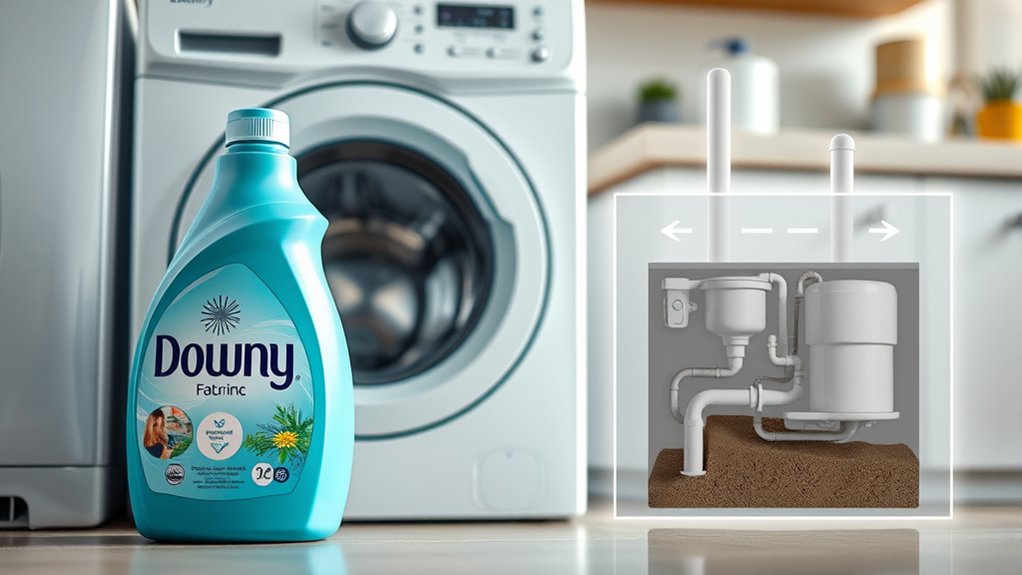
Downy fabric softeners contain a combination of silicones, acids, and quaternary ammonium compounds (quats) that work together to soften fabrics and reduce static cling. Each ingredient plays a specific role: silicones impart smoothness, acids adjust pH for ideal softening, and quats serve as antistatic agents.
You can review the exact formulation on Downy’s SmartLabel, ensuring transparency about these components.
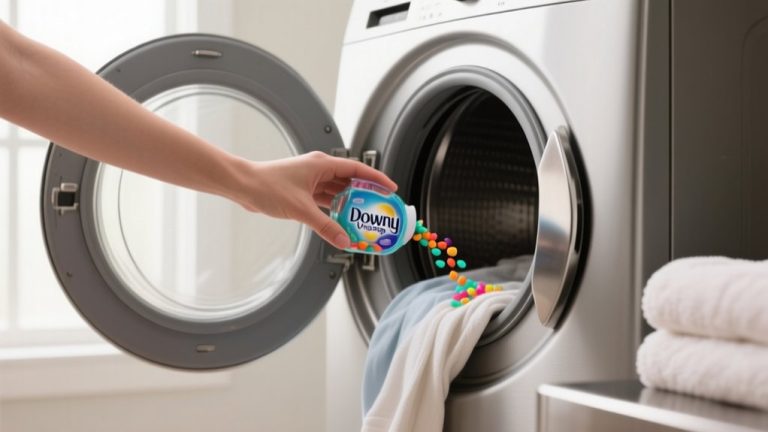
Typically, liquid softeners are added during the rinse cycle, while scent boosters go directly into the wash drum, influencing their dispersion and interaction with fabrics.
Downy products are marketed as septic safe when used as directed, meaning they shouldn’t cause immediate disruption. However, repeated use may lead to accumulation in septic tanks, requiring analysis of long-term effects on system maintenance needs.
How Downy Fabric Softener Affects Septic Systems
Although fabric softeners improve laundry softness and scent, their chemical components can interfere with the biological processes in your septic system.
Downy contains quaternary ammonium compounds that disrupt beneficial bacteria responsible for breaking down waste. This disruption impairs bacterial activity, leading to inefficient decomposition and accumulation of solids.
Downy’s quaternary ammonium compounds hinder beneficial bacteria, causing poor waste breakdown and solid buildup in septic systems.
Additionally, emulsifiers in Downy prevent proper settling of solids, keeping them suspended in effluent and increasing the risk of drainfield blockages.
Regular use can thicken the scum layer, intensifying clog risks and reducing system efficiency. Elevated nitrogen levels from Downy’s chemicals may also leach into groundwater, posing environmental hazards.
While marketed as septic-safe when used properly, improper or excessive Downy use can cause long-term operational challenges in maintaining your septic system’s health and functionality.
Is Downy Fabric Softener Safe for Septic Tanks?
Your septic tank’s performance depends on how well its bacteria keep breaking down household waste.
Downy Septic Safety
How safe is fabric softener for your septic system? Downy fabric softeners, when used as directed, are formulated to minimize disruption to the beneficial bacteria critical for septic system function.
You can add Downy to your washing machine’s fabric softener dispenser or during the rinse cycle without causing immediate harm.
However, repeated use may contribute to a thicker scum layer, potentially increasing the frequency of septic tank pumping.
To maintain septic safety, strictly follow the product’s usage instructions and regularly monitor your system’s performance.
Being proactive helps you detect early signs of buildup or clogging.
Impact On Septic
When evaluating the impact of Downy fabric softener on septic tanks, it’s essential to take into account the presence of quaternary ammonium compounds (quats) that can disrupt the beneficial bacterial populations fundamental for waste breakdown.
These bacteria play a significant role in maintaining septic system functionality by decomposing organic waste. Regular Downy use may increase sludge and scum accumulation, raising the risk of clogs and system failure.
Additionally, nitrogen compounds in the softener can leach into groundwater, posing environmental concerns.
Although Downy markets some products as septic-safe when used as directed, excessive application can still accelerate maintenance requirements and repair costs.
To safeguard your septic system, monitor its health closely and consider alternatives like vinegar or dryer balls to minimize microbial disruption and chemical loading.
How to Use Downy Safely With Your Septic System
Although Downy fabric softeners are generally safe for septic systems, using them correctly is crucial to prevent disruption of septic tank bacteria. Always add Downy to your washing machine’s fabric softener compartment during the rinse cycle to guarantee proper dilution and minimize chemical concentration.
Limit usage to 2-3 loads per week to avoid overloading your septic system with residual chemicals.
Choose Downy Free & Gentle when possible, as it lacks dyes and perfumes that could stress septic bacteria. Follow the manufacturer’s dosage instructions precisely; excessive amounts increase the risk of harming beneficial microorganisms.
Regularly monitor your septic system for any signs of chemical build-up or clogs to maintain peak function. Proper adherence to these guidelines helps preserve septic system health while using Downy safely.
Signs Your Septic System Is Struggling From Downy Use
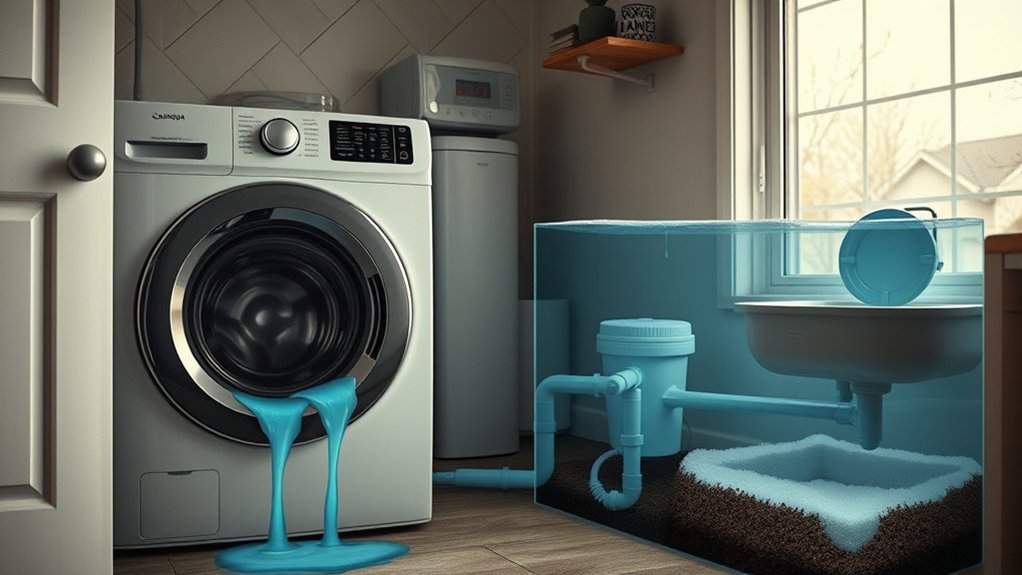
Maintaining proper use of Downy fabric softener helps protect your septic system, but recognizing signs of strain is equally important.
If you notice issues early, you can prevent costly repairs.
Here are three key indicators your septic system might be struggling due to Downy use:
- Slow drainage or frequent clogs: Fabric softeners can disrupt the microbial balance, reducing the system’s ability to break down solids effectively.
- Increased scum and foul odors: Excessive surface scum buildup and unpleasant smells from the drain field suggest microbial disruption and inefficient waste processing.
- Wet spots or pooling water in your yard: These symptoms indicate system overload, potentially caused by chemical interference with septic efficiency.
Addressing these signs promptly can help maintain septic system health.
Safer Alternatives to Downy for Septic Systems
These alternatives work best when paired with gentler laundry routines and low-impact cleaning habits.
Natural Fabric Softening Options
When seeking fabric softening solutions that won’t compromise your septic system, consider natural alternatives like distilled white vinegar and baking soda, both of which soften fabrics without introducing harmful chemicals.
These options maintain septic system integrity by avoiding synthetic additives that disrupt bacterial ecosystems.
- Distilled White Vinegar: Softens and deodorizes fabrics naturally, neutralizing residues without harming septic bacteria.
- Baking Soda: Enhances softness and freshness by balancing pH levels in wash water, promoting effective cleaning without toxicity.
- Wool Dryer Balls with Essential Oils: Reduce static cling and mechanically soften fabrics while allowing you to add septic-safe fragrances through essential oils.
Using these natural fabric softeners guarantees septic system compatibility by minimizing chemical load and preserving microbial activity essential for waste breakdown.
Eco-Friendly Dryer Alternatives
Anyone looking for eco-friendly dryer alternatives that protect septic systems can turn to options like wool dryer balls and natural additives.
Wool dryer balls reduce static cling and drying time without releasing harmful chemicals, ensuring septic safety. You can enhance scent by adding essential oils to these balls, avoiding synthetic fragrances common in traditional softeners.
Distilled white vinegar serves as a natural fabric softener during the rinse cycle, softening fabrics and preventing residue buildup in septic tanks.
Baking soda also neutralizes odors and softens laundry without disrupting septic ecosystems.
Additionally, some commercially available fabric softeners explicitly state septic-safe formulations, offering environmental benefits while maintaining softness.
These alternatives provide effective fabric care without compromising septic system integrity, making them preferable to conventional products like Downy.
When to Call a Septic Pro About Fabric Softener Problems
How can you tell if fabric softeners are causing issues in your septic system? Monitor for unusual odors or slow drainage, which often signal scum or sludge buildup from chemical interference.
Frequent use of fabric softeners can disrupt beneficial bacteria, impairing waste breakdown.
Frequent fabric softener use can harm beneficial bacteria, hindering effective waste decomposition in your septic system.
Consider calling a septic professional if you notice:
- Persistent odors or slow drainage after fabric softener use.
- Sewage backups or wet spots in your yard, indicating system failure.
- Increased frequency in septic tank pumping beyond your usual schedule.
A septic pro can assess the impact of fabric softeners on your system’s bacteria balance and recommend maintenance or treatment.
Early intervention prevents costly repairs and helps keep your system running efficiently.
Frequently Asked Questions
Can Downy Fabric Softener Damage Septic System Pipes?
Yes, Downy fabric softener can contribute to scum buildup and suspended solids in septic system pipes, which may clog pipes and drain fields and reduce efficiency. The main concern depends on how much is used and how your system is maintained. If you use it, monitor your system closely and watch for signs of buildup or slower drainage.
Does Downy Fabric Softener Affect Septic System Drain Fields?
Yes, Downy fabric softener can harm your septic system drain fields by contributing suspended solids that clog pores and reduce absorption efficiency. It can also thicken scum layers, which can interfere with proper wastewater dispersal and overall system function.
How Often Should Septic Tanks Be Pumped When Using Fabric Softeners?
Pump your septic tank every 1 to 2 years if you regularly use fabric softeners. This helps address increased scum buildup and possible microbial disruption, which can lead to system inefficiencies and potential failures if maintenance is delayed.
Are All Downy Products Equally Harmful to Septic Systems?
No, not all Downy products affect septic systems equally. Free & Gentle is less disruptive, while scented versions and boosters contain chemicals that can impair bacteria. If you have a septic system, the main issue is overuse, which can lead to buildup and reduced septic efficiency.
Can Downy Fabric Softener Impact Groundwater Quality Near Septic Systems?
Yes, Downy fabric softener can affect groundwater quality near septic systems by disrupting bacterial activity, raising nitrogen levels, and causing petroleum-based scum buildup. That can reduce treatment efficiency and increase contamination risks in nearby water sources, especially if the septic system is already stressed.
Conclusion
While Downy fabric softener offers a pleasant scent and softness you enjoy, it can silently disrupt your septic system’s delicate bacterial balance. You want fresh laundry without risking costly damage, so using Downy cautiously or choosing septic-safe alternatives is essential.
Ignoring early warning signs may lead to expensive repairs, but with proper care and timely professional advice, you can maintain both your laundry’s quality and your septic system’s health effectively.