What Is The Active Ingredient In Oxiclean – Formula Facts
Tired of scrubbing at stubborn stains only to watch them stick around anyway? You’re not alone—many people struggle to figure out what actually makes a stain remover work. If you’ve ever wondered what’s inside OxiClean and why it seems to handle so many messes so well, the answer is simpler than you might think.
The active ingredient in OxiClean is sodium percarbonate, which releases hydrogen peroxide when dissolved in water to target organic stains like food, grass, and blood. This reaction produces oxygen bubbles that penetrate fabric fibers, breaking down grime without harsh chemicals.
Sodium percarbonate is eco-friendly, biodegradable, and safe for most fabrics when used properly. Combined with surfactants, it enhances cleaning efficiency while protecting fabric integrity. Understanding these components reveals why OxiClean works so effectively and safely.
OxiClean’s Active Ingredient Explained
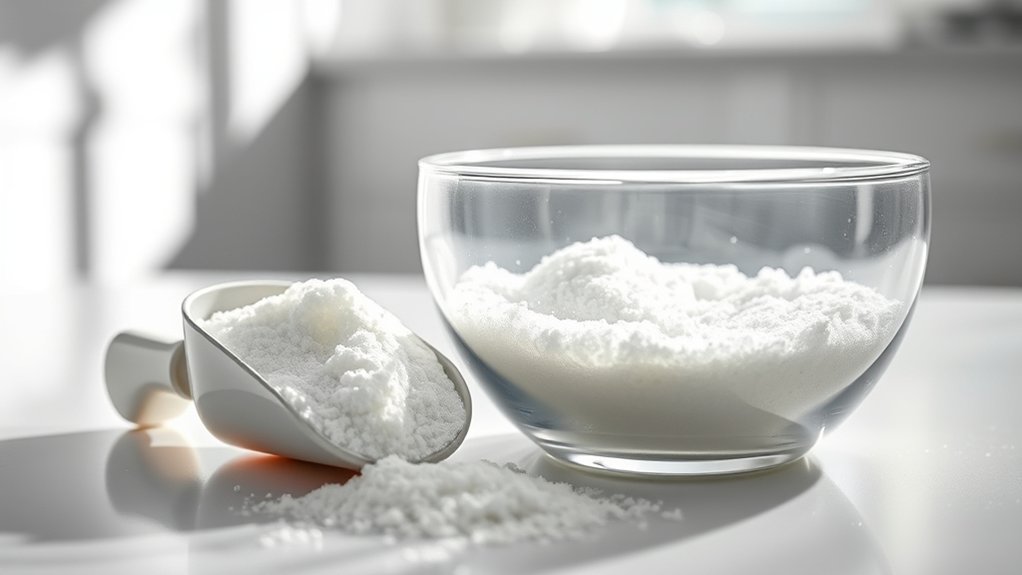
At the core of OxiClean’s stain-fighting power lies sodium percarbonate, a compound that releases hydrogen peroxide when dissolved in water. You’ll find this ingredient both eco-friendly and highly effective, as it facilitates an oxygenation process that targets stains without relying on harsh chemicals. This makes it safer for various fabrics and colors, reducing the risk of damage during cleaning.
Sodium percarbonate’s versatility shines through its ability to perform efficiently across a wide temperature range, accommodating different laundry conditions. Its oxidizing properties are particularly adept at breaking down organic stains like food, grass, and blood.
When you use OxiClean, you’re leveraging a scientifically engineered formula where sodium percarbonate plays a central role in delivering powerful, yet gentle, stain removal and brightening.
How Sodium Percarbonate Removes Stains in OxiClean
Sodium percarbonate removes stains in OxiClean by releasing hydrogen peroxide when it dissolves in water, initiating a chemical reaction that breaks down stain molecules.
As it decomposes, it generates oxygen bubbles that penetrate fabric fibers, physically lifting dirt and grime. This oxidation process is especially effective against organic stains like food, grass, and blood by altering their chemical structures, making them easier to wash away.
You’ll find its stain-removal power increases with temperature, as warm water accelerates the release of reactive oxygen species.
Environmentally, sodium percarbonate breaks down into harmless water and oxygen, leaving no toxic residues.
The Cleaning Power of Hydrogen Peroxide in OxiClean
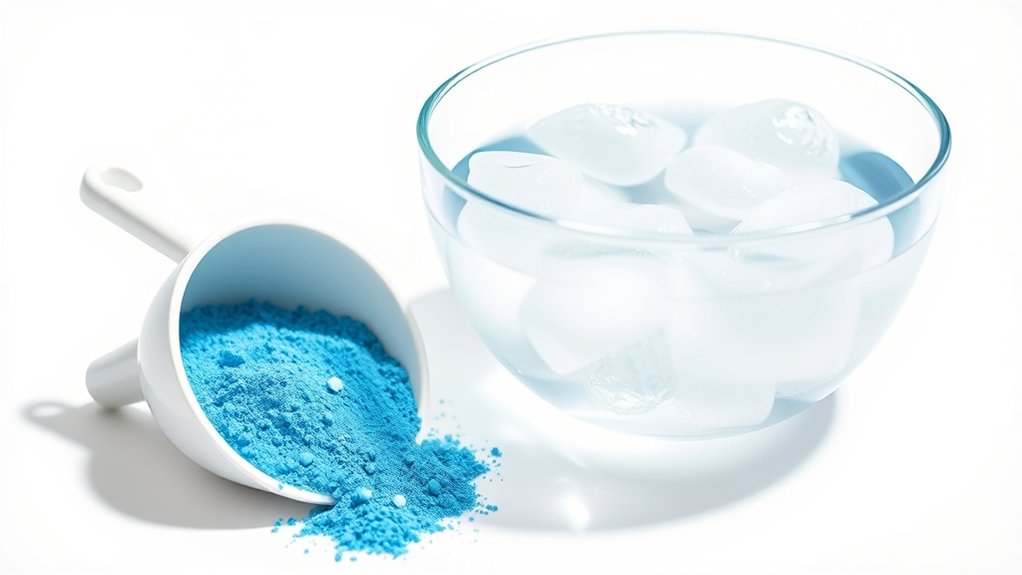
Because it lifts discoloration without harsh chlorine, it works well on many washable fabrics.
Hydrogen Peroxide Properties
Hydrogen peroxide serves as the key oxidizing agent in OxiClean, delivering potent stain removal and disinfection capabilities. When it decomposes, it releases oxygen molecules that actively break down and lift soils and stains from fabrics and hard surfaces.
You’ll find its concentration in OxiClean typically ranges between 4-7%, a balance that guarantees effective cleaning while maintaining safety for diverse applications.
Beyond stain removal, hydrogen peroxide exhibits antibacterial and antifungal properties, enabling it to sanitize effectively without harsh chemicals.
Unlike traditional bleach, it degrades into harmless water and oxygen, posing minimal environmental risk and leaving no toxic residues.
Understanding these properties clarifies why hydrogen peroxide is central to OxiClean’s performance as a reliable, eco-friendly cleaning agent.
Oxidizing Stain Removal
When OxiClean dissolves in water, it releases sodium percarbonate, which promptly generates hydrogen peroxide to tackle stains at the molecular level.
Hydrogen peroxide, as a potent oxidizing agent, breaks down complex stain molecules like wine, blood, and grease by disrupting their chemical bonds. This oxidation process releases oxygen, which physically lifts stains from fabric fibers and surfaces, enhancing removal efficiency.
Unlike chlorine bleach, hydrogen peroxide’s oxidative action is effective yet gentle, preserving color integrity in textiles.
Additionally, hydrogen peroxide’s reactive oxygen species contribute to eliminating up to 99.9% of bacteria and viruses, contributing to a cleaner environment beyond mere stain removal.
This dual-action mechanism, chemical breakdown and oxygen release, underpins OxiClean’s superior stain-fighting performance, making it a versatile and scientifically robust cleaning agent.
Safe Cleaning Applications
Because sodium percarbonate in OxiClean releases hydrogen peroxide upon contact with water, you gain access to a powerful oxidizing agent that effectively breaks down organic stains and disinfects surfaces.
This reactive oxygen species targets chromophores in stains such as blood, wine, and food residues, disrupting their molecular structure to achieve whitening and removal.
You can use OxiClean safely on fabrics, carpets, and hard surfaces, provided you follow manufacturer guidelines to prevent damage. Its hydrogen peroxide component offers antimicrobial properties, enhancing surface hygiene during cleaning.
Additionally, OxiClean’s formulation avoids harsh chemicals, aligning with environmentally conscious practices without compromising efficacy.
Why Surfactants Make OxiClean Work Better
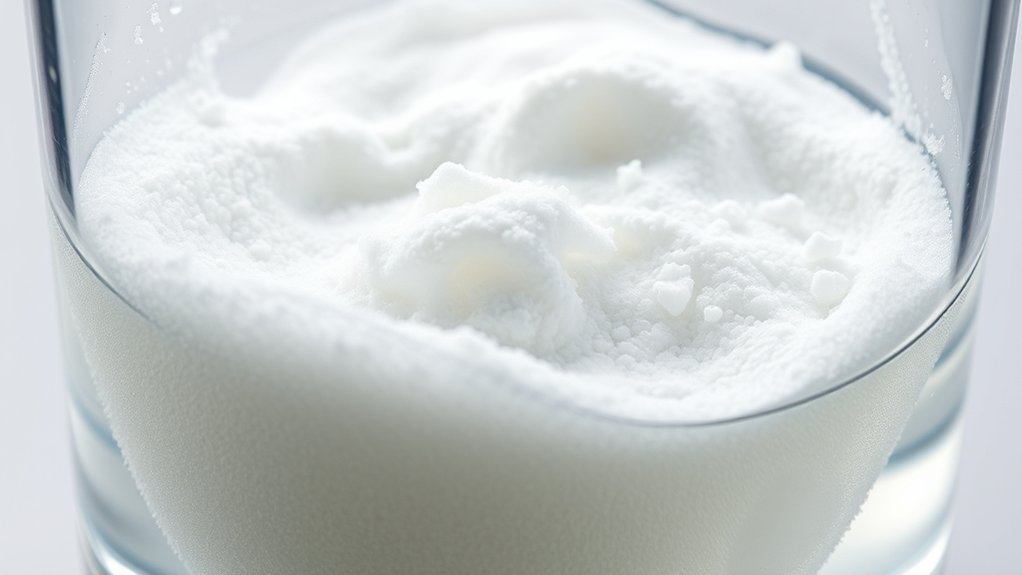
This surfactant action makes stain removal faster, especially on greasy fabrics.
Surfactant Role Explained
Although oxygen-based bleach delivers powerful stain removal, surfactants in OxiClean play an essential role by lowering water’s surface tension, which lets it penetrate fabrics more effectively and lift stubborn stains. These molecules emulsify grease and grime, surrounding dirt particles for easier removal.
They also guarantee even distribution of cleaning agents, enhancing stain removal uniformly. Surfactants work synergistically with oxygen bleach, boosting cleaning efficiency without fabric damage.
Additionally, they enable effective cleaning at lower temperatures, conserving energy in daily laundry.
| Function | Mechanism | Benefit |
|---|---|---|
| Surface tension lowering | Enhances water penetration | Better stain access |
| Emulsification | Surrounds grease/dirt particles | Easier stain removal |
| Distribution | Spreads agents evenly | Uniform cleaning |
| Synergy | Combines with oxygen bleach | Enhanced stain breakdown |
| Temperature efficiency | Works well in cool water | Energy-saving cleaning |
Enhancing Cleaning Power
When surfactants lower the surface tension of water, they enable OxiClean to penetrate fabrics more deeply and lift stains more effectively. These surfactants emulsify oils and dirt, breaking them into smaller particles that are easier to remove.
By forming micelles, they encapsulate and suspend these particles, preventing redeposition onto the fabric during washing.
OxiClean’s surfactants are engineered to perform consistently in both hot and cold water, ensuring peak cleaning across temperature variations. This adaptability enhances the formula’s ability to tackle diverse stains, including grease, food residues, and general dirt.
Interaction With Stains
Because OxiClean’s surfactants reduce water’s surface tension, they allow the solution to penetrate stains more effectively, enhancing stain removal. Surfactants encapsulate dirt and stains, allowing hydrogen peroxide, released from sodium percarbonate, to break them down efficiently.
This combination targets organic stains like food, grease, and blood, optimizing cleaning performance without damaging fabrics.
| Component | Function |
|---|---|
| Sodium Percarbonate | Releases hydrogen peroxide |
| Hydrogen Peroxide | Oxidizes and breaks down stains |
| Surfactants | Reduce surface tension, encapsulate stains |
| Oxygen | Boosts stain degradation |
| Fabric Safety | Guarantees gentle cleaning |
With this synergy, you get a powerful, fabric-safe stain-fighting formula that maximizes OxiClean’s effectiveness.
Is OxiClean Safe for Your Fabrics and Surfaces?
How safe is OxiClean for the fabrics and surfaces you treat? OxiClean’s active ingredient, sodium percarbonate, releases hydrogen peroxide upon water activation, targeting organic stains efficiently without harsh chemicals. This controlled oxidation process generally preserves most fabrics, including whites and colors, but you should always test an inconspicuous area first to prevent unexpected discoloration.
It’s effective on carpets and upholstery but unsuitable for delicate materials like silk, wool, or any fabric marked “dry clean only,” as the oxidative action may cause damage.
Adhering strictly to the manufacturer’s dilution guidelines guarantees ideal stain removal while minimizing the risk of fabric or surface degradation. Careful application maximizes safety and cleaning performance, making OxiClean a reliable option for many household cleaning tasks.
Environmental Benefits of OxiClean’s Sodium Percarbonate Formula
Although many cleaning agents rely on harsh chemicals, OxiClean’s sodium percarbonate formula offers a sustainable alternative by decomposing into only oxygen and water upon activation. This process minimizes environmental harm and reduces chemical residues in wastewater.
When you use OxiClean, you benefit from a biodegradable compound that effectively cleans without introducing toxic byproducts into ecosystems.
Key environmental benefits include:
- Decomposition into non-toxic oxygen and water, avoiding harmful chemical buildup
- Phosphate-free oxygen release, protecting aquatic ecosystems and water quality
- Effective stain removal at lower temperatures, decreasing energy consumption
- Reduced reliance on traditional bleach, limiting hazardous chemical use
Tips for Getting the Best Stain Removal With Oxiclean
When you want to maximize Oxiclean’s stain removal effectiveness, start by dissolving it in warm water, as heat activates its cleaning agents more efficiently. Pre-soak heavily stained fabrics for 1-6 hours to allow deep penetration. Combine Oxiclean with your regular detergent for enhanced performance on stubborn stains.
Always test a hidden fabric area to check colorfastness. For carpet stains, apply the solution directly and blot gently.
| Step | Action | Purpose |
|---|---|---|
| Dissolve | Use warm water | Activates cleaning agents |
| Pre-soak | 1-6 hours | Penetrates tough stains |
| Combine | With detergent | Boosts stain-lifting power |
| Test | Small fabric area | Prevents damage or discoloration |
| Carpet Cleaning | Direct application & blotting | Lifts stains without spreading |
Frequently Asked Questions
Can Oxiclean Be Used on Colored Fabrics Without Fading?
Yes, you can use OxiClean on colored fabrics without fading if you follow the instructions carefully and test it first. Avoid using too much, soak it appropriately, and wash in cold water. Its oxygen bleach is gentler than chlorine bleach.
How Long Should Oxiclean Soak on Tough Stains?
1 to 6 hours, depending on the stain and fabric. For extremely stubborn stains, you can soak it overnight, which may help with stain removal while still avoiding fabric damage.
Is Oxiclean Safe for Septic Systems?
Yes, you can use OxiClean with septic systems if you dilute it properly and avoid using excessive amounts. Its oxygen-based formula is biodegradable and may minimize microbial disruption when you follow the manufacturer’s guidelines.
Can Oxiclean Be Mixed With Other Cleaning Products?
No, you should not mix Oxiclean with bleach or acidic cleaners. That can cause harmful reactions or reduce effectiveness, so use Oxiclean alone or with approved products instead.
Follow the label instructions to keep the product safe to use and get the best stain removal performance.
What Is the Shelf Life of Oxiclean Powder?
About two years unopened if you keep OxiClean powder dry and sealed. Once opened, use it within six months to help maintain its cleaning power.
Conclusion
Now that you know sodium percarbonate is the powerhouse behind OxiClean, you can tackle stains with scientific confidence. This ingredient releases hydrogen peroxide, breaking down grime like a skilled chemist at work, while surfactants boost its cleaning reach.
You’re not just washing. You’re engaging in a precise chemical dance that’s tough on stains but gentle on fabrics.
Harness this knowledge, and you’ll master stain removal like a pro, turning messes into spotless victories.