How To Clean Hair Without Washing Or Dry Shampoo – Easy Alternatives
You can clean your hair without washing or dry shampoo by using natural absorbents like cornstarch or baby powder to soak up excess oil. Then, just brush or blot gently to remove the residue. It’s super simple and works really well.
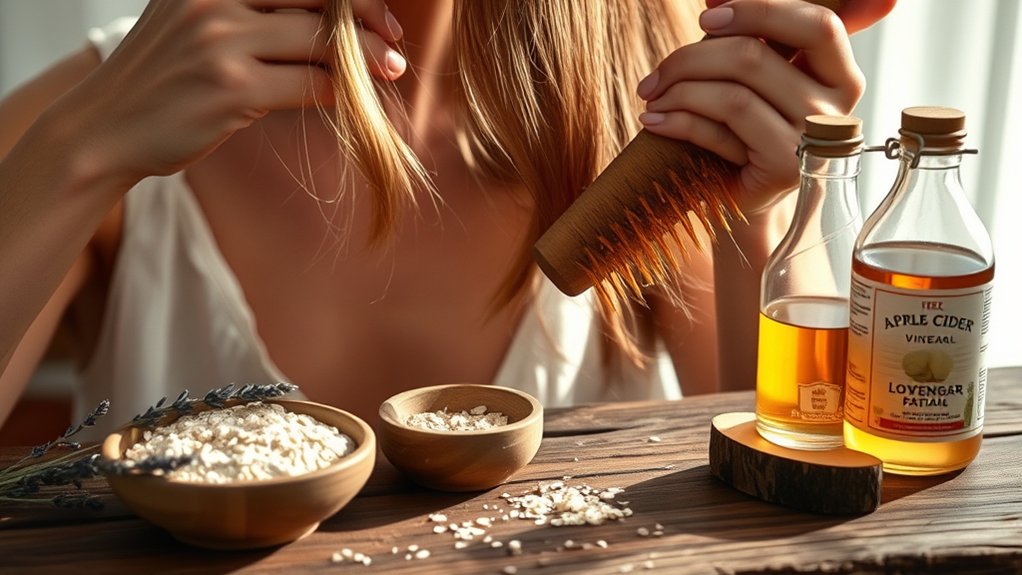
You can also refresh your hair with water-based mists or herbal rinses such as diluted apple cider vinegar or lemon juice. These help balance your scalp’s pH and add a nice shine to your hair.
Try styling tricks like changing your part or pinning your hair back to hide any oiliness. Plus, these methods help keep your scalp healthy. Give these easy tips a shot and you’ll find plenty of ways to keep your hair feeling fresh.
How To Absorb Excess Oil Without Dry Shampoo
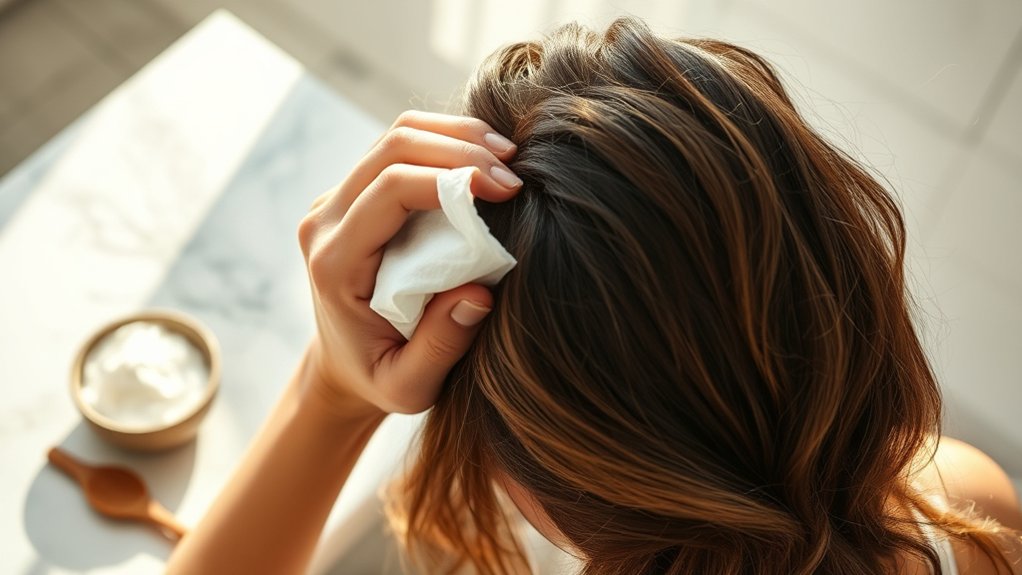
Although dry shampoo is a popular solution, you can effectively absorb excess oil using natural powders like cornstarch, cocoa powder for dark hair, or baby powder. These natural absorbents work by binding to the scalp’s sebum, facilitating efficient oil absorption without introducing synthetic chemicals.
Apply a small amount sparingly at the roots, focusing on the hairline and parting where oil buildup is most pronounced. Massage gently or brush through to evenly distribute the powder and remove residue.
Apply a small amount at roots, focusing on oily areas, then massage or brush to distribute and remove residue.
Additionally, blotting oily areas with a clean cloth or tissue enhances immediate oil removal without disturbing your hairstyle.
For sustained oil control, reapply small amounts of these natural absorbents as needed, maintaining a matte, refreshed appearance between washes.
This method offers a precise, scientific approach to managing oil naturally and effectively.
Styling Tricks To Make Hair Look Fresh Without Washing

You can instantly refresh your hair just by changing up your part. It’s a simple trick that hides oily roots and gives your hair a nice boost of volume. Plus, re-combing and lightly tousling your hair brings back its natural texture without needing to wash it.
Want to take it a step further? Adding some hair accessories or pinning back a few sections can do wonders. Not only does it help disguise any greasiness, but it also gives you a polished, put-together look. Easy and effective!
Change Your Part
When you shift your hair part to the opposite side, you immediately lift the roots and create a fuller, cleaner appearance without washing. Changing your part redistributes natural oils, reducing greasy buildup and invigorating your hair color’s vibrancy.
This simple adjustment mimics the effects of a scalp massage by stimulating circulation and loosening dirt along the hairline.
Try these tips to maximize the effect:
Flip your hair upside down before re-parting to boost volume and root lift.
Choose a parting line that contrasts with your usual style to better conceal oily roots.
Use a fine-toothed comb to create a clean, precise part that enhances hair color definition.
This quick, effortless method instantly revitalizes your look without the need for washing or dry shampoo.
Give it a try and see how much fresher your hair feels!
Use Hair Accessories
A well-chosen hair accessory can effectively mask oily roots and restore a fresh appearance without washing. Hair accessory trends, such as headbands, scarves, and decorative pins, serve to conceal greasiness while adding style and volume. These items allow you to pin back sections or create half-up hairstyles that hide oily or flat areas efficiently.
Beyond aesthetics, hair accessories hold cultural significance, often symbolizing identity and tradition, which enhances their appeal as versatile styling tools. By incorporating hairbands or scrunchies, you can secure loose strands and maintain a neat look when hair appears greasy.
Using accessories to adjust your parting or add volume refreshes your hairstyle precisely. It eliminates the need for washing or dry shampoo and provides an immediate polished appearance.
Re-Comb And Tousle
In addition to using hair accessories, re-combing and tousling offer effective ways to refresh your hair without washing. Brushing your roots can help redistribute natural oils, instantly lifting them and making your hair look cleaner.
Tousling with your fingers adds volume and gives a textured, effortless vibe.
Changing your parting also works wonders. It hides greasiness and stimulates your scalp, which helps spread oils through a gentle massage.
Try these styling tricks:
- Re-comb your parting to evenly spread oils and boost root lift.
- Tousle hair with your fingers for added volume and texture.
- Shift your part to a new spot to hide oily areas and add some visual interest.
These simple techniques use basic hair brushing and scalp massage principles to keep your hair looking fresh longer without washing. Give them a go!
Using Water Mist And Natural Ingredients To Refresh Hair
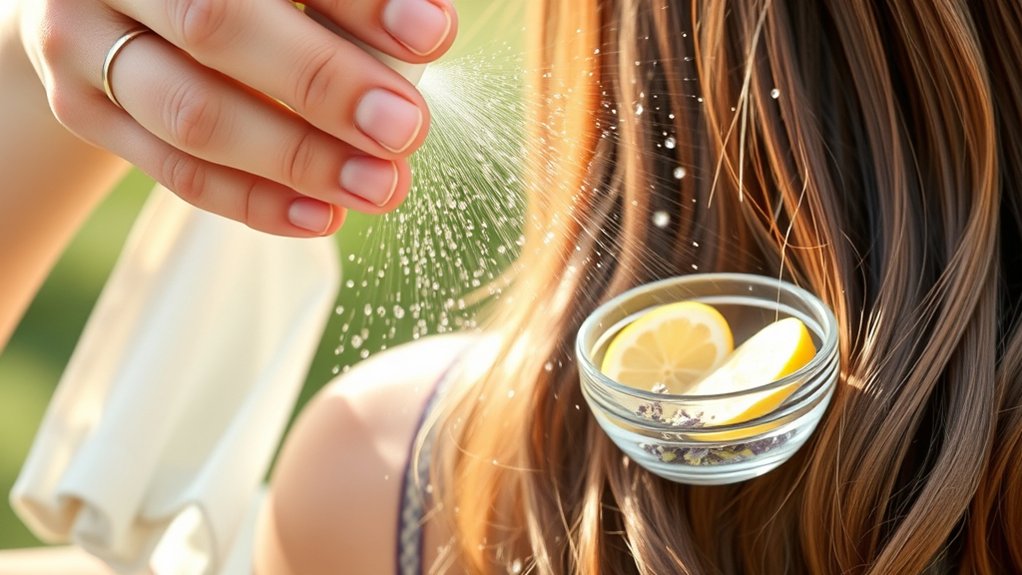
Although you mightn’t want to wash your hair frequently, lightly misting it with water or a water-based solution can effectively revive its texture and reduce oiliness. Using a spray bottle filled with water or a mixture of water and natural remedies like aloe vera or essential oils provides gentle hair hydration without harsh chemicals.
After misting, tousle your hair with your fingers to distribute moisture evenly, enhancing volume and taming frizz and flyaways. This method refreshes your hair throughout the day, maintaining a clean appearance without shampoo or dry shampoo.
Incorporating these water-based techniques supports healthy hair management by balancing moisture and oil levels naturally. It’s a simple, chemical-free alternative to frequent washing that keeps your hair feeling fresh and looking great.
Easy DIY Hair Rinses For Shine And Buildup Removal
When you want to enhance shine and remove buildup without traditional shampoo, DIY hair rinses offer effective, natural solutions. These rinses use herbal infusions and pH balancing techniques to clarify the scalp and bring back your hair’s natural luster.
DIY hair rinses naturally clarify your scalp and restore shine without harsh shampoos.
For example, apple cider vinegar diluted with three parts water works great to balance scalp pH and get rid of residue. It leaves your hair looking glossy and fresh.
Baking soda mixed with warm water acts as a deep-cleaning rinse by absorbing excess oil when used sparingly. Just be careful not to overdo it, since baking soda can be strong.
After applying these rinses, make sure to rinse thoroughly with cool water. This helps seal the cuticles and boosts shine even more.
Here are some easy options to try:
- Apple cider vinegar rinse for pH balancing and buildup removal
- Baking soda solution to absorb oils and dirt
- Herbal infusions like lemon juice to clarify and enhance shine without harsh chemicals
Give these a shot and you might find a simple, natural way to keep your hair clean and shiny!
Protecting Sensitive Or Injured Scalps During Hair Care
If you have a sensitive or injured scalp, it’s important to protect the area properly.
Using waterproof coverings like cling film can help keep water and contaminants away, preventing irritation or infection.
You’ll also want to steer clear of harsh chemicals and avoid getting the area wet.
Instead, try using dry cleansing methods to keep the scalp clean without causing more damage.
And remember, it’s always a good idea to check in with a healthcare professional before applying any products.
That way, you can make sure you’re not making the condition worse.
Wound Protection Techniques
Since your scalp may be sensitive or injured, protecting wounds during hair care is essential to prevent irritation and infection. Maintaining wound integrity supports effective scalp detox and respects your hair porosity, which influences moisture absorption.
When managing hair without washing or dry shampoo, consider these precise wound protection techniques. Tilt your head away from the wound during hair care to avoid water contact, which helps minimize infection risks.
Cover wounds with waterproof barriers like cling film or medical tape to shield them from water and contaminants. Use absorbent powders or dry shampoo around the wound, but not on it, to control oil without direct exposure.
These steps help keep wounds dry and protected. This promotes healing while letting you manage oil and impurities safely.
Avoiding Irritation Risks
Protecting wounds from water and contaminants is just one part of caring for a sensitive or injured scalp during hair maintenance. To avoid irritation risks, you should never apply products containing talcum or cornstarch directly to open wounds or delicate skin. These can actually make inflammation worse.
Instead, cover any injuries with waterproof dressings before brushing or using absorbent powders. Focus on keeping your scalp hydrated with gentle water rinses and soft brushing. This respects your scalp’s natural hair porosity and helps minimize further irritation.
Try to avoid chemical-laden products because they can slow down healing and increase sensitivity. It’s always a good idea to check with a healthcare professional before trying new hair care methods on a compromised scalp.
That way, you protect both scalp hydration and the integrity of your hair porosity while you recover.
When To Use Co-Washing And Silicone-Free Conditioners
Although traditional shampoos effectively cleanse, you’ll find co-washing with silicone-free conditioners offers a gentler alternative that preserves your hair’s natural oils. Silicone-free conditioners avoid residue buildup, making them ideal for maintaining hair porosity and preventing scalp exfoliation disruption.
You should consider co-washing when you have curly, dry, or textured hair that needs moisture retention and frizz control. It’s also great if you want to cleanse without stripping your natural oils, which supports scalp health.
Try to keep your routine to 2-3 times weekly to balance oil production without over-cleansing. Using co-washing supports your scalp’s natural exfoliation cycle and maintains an ideal pH.
Occasional apple cider vinegar rinses can further prevent buildup. This way, your hair stays clean and healthy without needing traditional shampoo.
Tips For Maintaining Hair Freshness Between Washes
Maintaining hair freshness between washes complements co-washing routines by reducing the need for frequent cleansing. To keep your hair vibrant, especially if you have hair coloring, avoid overwashing because it can fade pigments. Instead, perform a gentle scalp massage daily to stimulate circulation and distribute natural oils. This helps enhance hair health and freshness.
You can also use natural absorbents like cornstarch to control oil without stripping moisture. Another simple trick is to re-comb your roots or parting to redistribute oils evenly. This not only creates volume but also gives a cleaner look.
Lightly mist your hair with water or a hydrating spray to manage frizz and revive texture. Styling tricks like flipping your hair upside down or using a cool blow dryer can lift roots and boost freshness. Pinning sections can help conceal greasiness while adding some style variety too.
How To Refresh Hair Without Washing Or Dry Shampoo
When you need to refresh your hair without washing or using dry shampoo, several effective techniques can help restore its appearance and manage oiliness. Lightly mist your hair with water or a hydrating hair water spray to revitalize strands. This works especially well after hair coloring, which can sometimes leave hair feeling dull.
Refresh your hair with a light mist of water or hydrating spray to revive dull strands without washing.
Re-combing your parting helps redistribute natural oils, creating volume and a cleaner look. Also, incorporating scalp exfoliation periodically improves scalp health and reduces excess oil buildup. This can help prolong that fresh feeling.
Try these methods to refresh your hair: Apply natural absorbents like cornstarch at the roots, then brush out any excess to reduce oiliness. You can also gently blot oily areas with a clean towel to absorb sebum without messing up your style.
Another quick trick is to flip your hair upside down or pin sections back to refresh your look instantly. These simple steps can make a big difference without needing to wash your hair.
Frequently Asked Questions
Can Scalp Massaging Help Reduce Oiliness Without Washing?
Yes, scalp massaging combined with scalp exfoliation helps reduce oiliness by removing dead skin cells and balancing sebum production.
Using herbal remedies during massage enhances this effect, promoting a healthier, less oily scalp without washing.
It’s a simple way to keep your scalp feeling fresh without the need for constant shampooing. Give it a try and see how your scalp responds!
How Often Should I Trim My Hair to Maintain Freshness?
You should trim your hair every 4 to 8 weeks. It’s like hitting the refresh button for your scalp! Regular hair trimming helps with oil control by removing damaged ends.
This promotes healthier, fresher hair growth that’s scientifically proven to last. So, keeping up with trims is definitely worth it for your hair’s overall health.
Are There Specific Diets That Improve Hair Cleanliness Naturally?
You can improve hair cleanliness naturally through dietary adjustments rich in vitamins A, C, D, E, zinc, biotin, and omega-3 fatty acids. These natural remedies support scalp health, reduce oil production, and enhance hair freshness effectively.
Eating well doesn’t just help your body feel good—it can make your hair look and feel cleaner too. Including these nutrients in your diet is a simple way to keep your scalp happy and your hair fresh every day.
Can Certain Hairstyles Prevent Hair From Looking Greasy Longer?
You wouldn’t think hair accessories and styling techniques could outsmart oil, but they do.
By using strategic parting, loose waves, or headbands, you can scientifically mask grease buildup.
This helps extend your hair’s fresh appearance effectively.
How Does Sleep Position Affect Hair Oiliness and Freshness?
Your sleep posture directly affects hair oil buildup. Sleeping on your back minimizes oil transfer from your face and scalp.
Plus, elevated head positions reduce oil spreading to hair ends, helping your hair stay fresher longer. It’s a simple change that can make a noticeable difference!
Conclusion
You don’t need dry shampoo or a full wash to keep your hair fresh. By using water mists, natural ingredients, and styling tricks, you can absorb excess oil and add shine efficiently.
Co-washing and silicone-free conditioners also support scalp health without stripping moisture. Think of it like a Victorian-era lady using a delicate handkerchief to refresh her hair. Simple, effective methods keep your scalp balanced and your hair looking clean between washes.