Is Oxiclean Safe – What Science Says
If you’ve ever wondered whether OxiClean is actually safe to use, you’re not alone. Many people want a powerful stain remover that works well without damaging clothes, irritating skin, or causing other surprises. It’s frustrating when a product seems helpful, but you’re left unsure about the risks.
You shouldn’t handle OxiClean without caution, as science shows it can cause chemical burns and skin irritation due to sodium percarbonate and surfactants. It also risks discoloring delicate fabrics and tarnishing silver jewelry, with warnings often missing from labels.
Protective gear is essential but not recommended on packaging, increasing injury chances. OxiClean’s stain removal varies, and customer support tends to overlook safety concerns. If you want a thorough understanding of these risks and precautions, more detailed insights follow.
Is OxiClean Safe to Use on Skin and Fabrics?
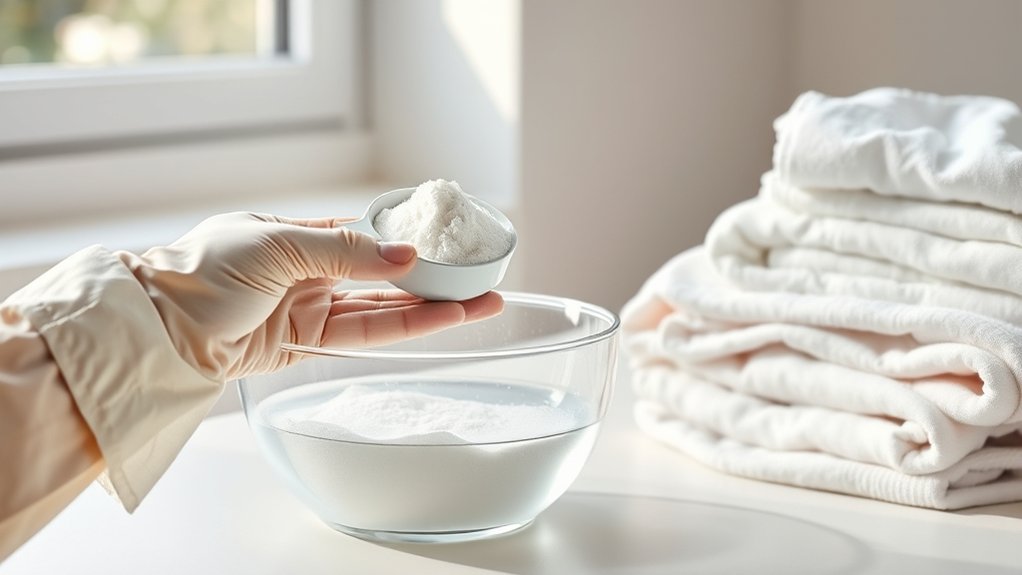
How safe is OxiClean when it comes into contact with your skin and fabrics? Evidence shows OxiClean can cause severe chemical burns, necessitating medical attention in some cases.
Importantly, the product label doesn’t warn you to wear gloves, only advising medical help if skin contact occurs, indicating a gap in safety guidance.
For fabrics, OxiClean poses risks of discoloration and damage, even to delicate children’s items, meaning you should never apply it without first testing a hidden area.
Additionally, using OxiClean on jewelry, especially silver, can cause tarnishing, so you need to exercise caution with valuables.
How Common Are Chemical Burns and Other Injuries?
Why do chemical burns from household products like OxiClean remain a considerable concern? Because they’re more common than you might think, with numerous cases requiring medical attention each year.
The American Association of Poison Control Centers reports many injury calls related to cleaning agents, underscoring risks tied to improper use. Remarkably, children under five represent over half of these incidents, often from accidental exposure.
Chemical burns can cause intense pain and lasting skin damage if untreated. To protect yourself, consider these facts:
Chemical burns cause severe pain and lasting damage—immediate care is essential for protection.
- Chemical burns and injuries from OxiClean are frequently reported.
- Over 50% of cases involve young children.
- Prompt treatment is critical to prevent long-term harm.
- Using protective gear reduces injury risk considerably.
Understanding these points helps you handle OxiClean more safely.
What Safety Warnings Does OxiClean Include: And Which Are Missing?
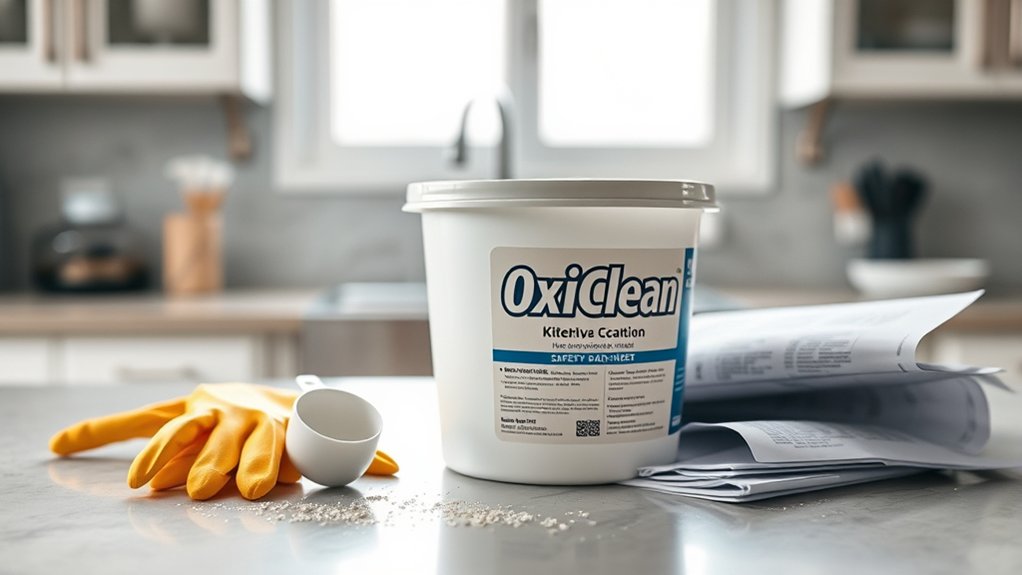
These gaps matter because the next section explains which warnings the label does include.
Included Label Warnings
Although OxiClean labels instruct users to seek medical attention after skin contact, they particularly omit warnings about wearing gloves, which raises significant safety concerns.
You should note that while the label advises on post-exposure actions, it lacks proactive protective measures.
Additionally, it provides limited information on the product’s impact on materials, increasing the risk of unexpected damage.
Key points on included label warnings:
- Advises seeking medical help after skin contact
- Omits recommendations to wear gloves
- Lacks warnings about effects on jewelry and delicate fabrics
- Doesn’t instruct testing on hidden areas before use
This minimal guidance leaves users vulnerable to chemical burns and material damage, underscoring the need for clearer safety communication on the label.
Missing Safety Precautions
How does OxiClean’s labeling fall short in protecting users from harm? It omits essential safety warnings, such as the risk of severe chemical burns. Users have reported significant skin injuries, yet the label doesn’t recommend wearing gloves or other protective gear.
Instead, it only advises seeking medical help after exposure, neglecting proactive measures to prevent harm. Additionally, the label fails to warn about potential damage to jewelry and delicate fabrics, which many customers have experienced firsthand.
There’s also no guidance about testing the product on inconspicuous areas, increasing the risk of irreversible damage to materials. This lack of thorough safety instructions creates a critical gap, leaving users vulnerable to avoidable injuries and property damage during routine use.
What Precautions Should You Take When Using OxiClean?
Certain materials react badly to the cleaner, so test hidden areas first.
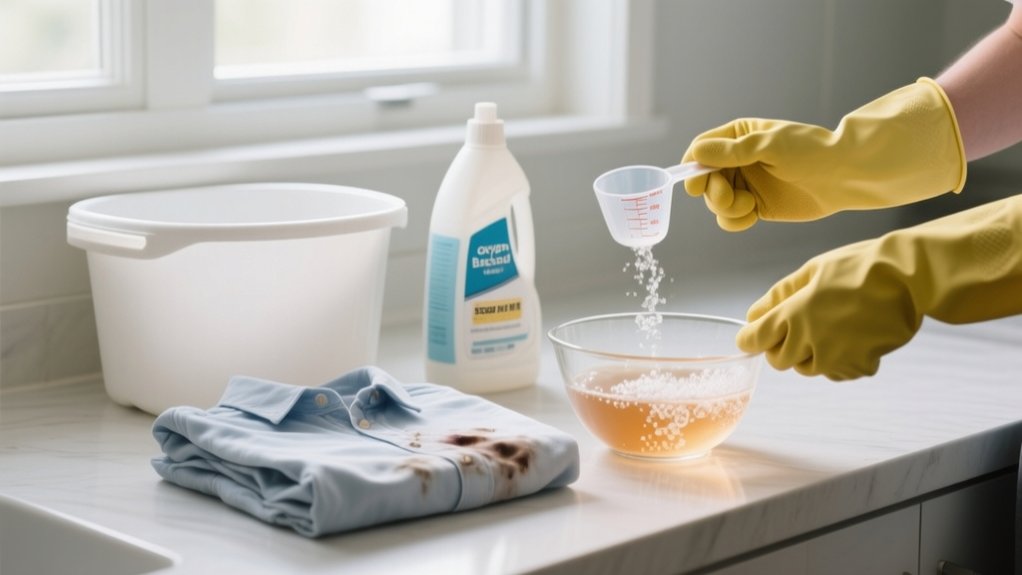
Wear Protective Gloves
Three key reasons highlight why wearing protective gloves is essential when using OxiClean.
First, users have reported severe chemical burns from direct skin contact, underscoring the product’s potential harm.
Second, despite the absence of glove warnings on the label, many reviewers experienced significant discomfort, indicating that protective gloves are necessary to prevent irritation or injury.
Third, medical interventions following skin exposure further reinforce the need for caution.
To protect yourself, consider these precautions:
- Always wear gloves to avoid direct chemical exposure
- Use gloves resistant to oxidizing agents
- Inspect gloves for tears before use
- Remove gloves carefully to prevent contamination
These steps help you minimize risks and handle OxiClean safely.
Avoid Jewelry Contact
One crucial precaution when using OxiClean is to avoid any contact with jewelry, especially silver pieces, as the product can cause tarnishing and discoloration. Reports confirm that exposure leads to visible damage on valuable items, underscoring the real risk.
Since OxiClean labels often omit warnings about jewelry harm, you should proactively remove all jewelry before use. Additionally, store your pieces away from OxiClean to prevent accidental contact.
If you handle the product directly, consider protective gear to minimize exposure. These steps guarantee your belongings remain intact, reflecting an evidence-based approach to safety.
Taking these precautions is important because the chemical composition of OxiClean interacts adversely with metals, particularly silver, resulting in irreversible damage.
Test On Fabrics
Beyond protecting your jewelry from OxiClean’s harsh chemicals, testing the product on fabrics before full application helps prevent unintended damage. You should always apply OxiClean to a hidden fabric spot first to detect discoloration or deterioration.
Additionally, taking these precautions guarantees effective and safe use:
- Wear gloves to avoid chemical burns and skin irritation.
- Handle delicate fabrics with extra care, as damage has been reported.
- Follow manufacturer instructions precisely to prevent ineffective cleaning and fabric harm.
- Confirm proper ventilation to reduce respiratory irritation from fumes.
Which Chemicals Are in OxiClean and How Do They Affect Safety?
Several key chemicals in OxiClean influence its safety profile, with sodium percarbonate being the primary active ingredient. When dissolved in water, it releases hydrogen peroxide, a potent bleaching agent that can irritate your skin and eyes.
Additionally, surfactants in OxiClean improve cleaning efficiency but may trigger allergic reactions or skin burns, especially if you have sensitive skin.
Some formulations also contain sodium carbonate, which poses risks of severe skin and respiratory irritation upon contact or inhalation.
Safety data sheets highlight that prolonged exposure to concentrated OxiClean can cause chemical burns, underscoring the importance of wearing protective gloves and eyewear during use.
Importantly, the product’s labeling lacks clear warnings about these potential hazards, raising valid concerns regarding consumer safety and informed usage.
Does OxiClean Really Work on Stains?
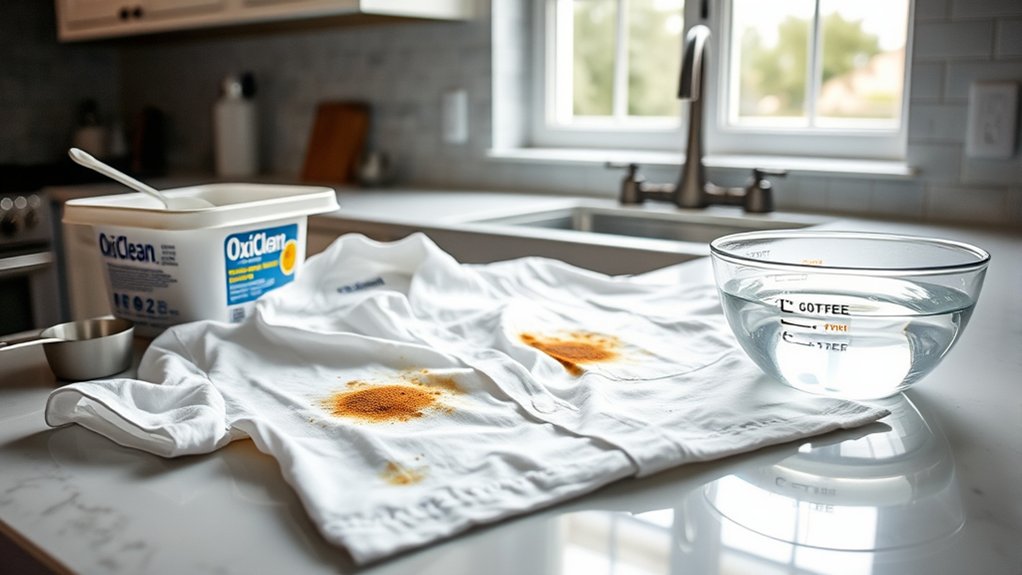
How effective is OxiClean when it comes to removing tough stains? The evidence is mixed. Some users praise its stain removal on substances like blood, while others report diminished efficacy in newer batches.
Importantly, despite following instructions, many have faced ruined clothing or fabric discoloration.
Consider these points:
- Effectiveness varies by batch and stain type, with inconsistent results reported.
- Reports of fabric damage, including light blue discoloration on carpets, raise concerns.
- Recommendations emphasize testing OxiClean on hidden areas before full use.
- Not advised for delicate or valuable fabrics due to potential discoloration and damage.
Why Does OxiClean Damage Fabrics and Jewelry?
Although OxiClean is widely used for stain removal, its active ingredient, sodium percarbonate, can cause significant damage to fabrics and jewelry due to its strong oxidizing properties. This oxidizer can discolor delicate fabrics and tarnish metals like silver, often without clear warnings.
Damage severity varies with fabric type, jewelry material, and product batch inconsistencies. You should always test OxiClean on a hidden area first to avoid irreversible harm.
| Material Type | Common Damage | Notes |
|---|---|---|
| Delicate fabrics | Discoloration, fiber weakening | Children’s clothes at risk |
| Silver jewelry | Tarnishing | Frequent user reports |
| Fabric batches | Variable effectiveness | Inconsistent results |
| Jewelry materials | Chemical reactions | Potentially irreversible damage |
| Testing advice | Test on inconspicuous areas | Essential precaution |
How Responsive Is OxiClean’s Customer Service to Safety Complaints?
When you reach out to OxiClean’s customer service with safety complaints, you’ll often find their responsiveness lacking. Multiple reports highlight unaddressed concerns, especially regarding chemical burns.
Users frequently encounter generic replies that fail to resolve specific safety issues, causing frustration.
Critical situations, such as calls to poison control, see minimal support from the company.
Key observations include:
- Lack of follow-up after initial safety complaints
- Generic, non-specific responses to serious safety incidents
- Minimal assistance during emergency chemical burn cases
- Widespread customer sentiment of inadequate safety support
This evidence suggests a significant gap in OxiClean’s customer service effectiveness when handling safety-related matters.
If you prioritize responsive safety support, these shortcomings are important to take into account.
Should You Trust OxiClean Based on Safety and User Experiences?
Can you confidently trust OxiClean given the safety risks and user feedback? Evidence suggests significant concerns. Users report severe chemical burns from the spray, often linked to insufficient handling instructions and missing protective gear warnings.
Customer service frequently falls short, with many complaints about unresponsiveness and unresolved safety issues, fueling user frustration.
Effectiveness varies, with inconsistent stain removal, especially on blood, and batch discrepancies undermining reliability.
Damage to jewelry and delicate fabrics also occurs, yet warnings about these risks are absent. Overall, consumer sentiment skews negative, highlighting distrust based on unresolved refunds and safety complaints.
Given these documented issues, relying on OxiClean without caution may expose you to avoidable hazards and inconsistent results, suggesting you should critically assess its use and consider safer alternatives.
Frequently Asked Questions
Can Oxiclean Be Safely Used in Septic Systems?
No, you shouldn’t use OxiClean regularly in septic systems. Its ingredients can disrupt the bacteria and microbial activity your system relies on, so use it sparingly, follow local guidelines, and consider septic-safe alternatives to help protect the system’s function.
How Does Oxiclean Affect the Environment After Disposal?
Yes, pouring OxiClean down the drain can release hydrogen peroxide that may harm aquatic life and disrupt wastewater treatment. To reduce environmental damage, dispose of it carefully instead of washing it away.
Is Oxiclean Safe for Use Around Pets and Children?
No, you shouldn’t use OxiClean around pets and children because it can cause chemical burns and irritation. Handle it carefully, use protective gear, and keep it out of reach to prevent accidental exposure and potential harm.
What Are the Long-Term Health Effects of Oxiclean Exposure?
Long-term OxiClean exposure can lead to respiratory issues, skin irritation, and chemical burns. Its fumes may cause chronic breathing problems, and repeated use can leave some health effects unknown because there is insufficient safety data.
Can Oxiclean Be Mixed Safely With Other Household Cleaners?
No, you should not mix OxiClean with vinegar or other acidic cleaners, and you should avoid combining it with ammonia-based cleaners. These chemical reactions can release toxic fumes, so use OxiClean by itself and follow the manufacturer’s guidelines for safe use.
Conclusion
You might think OxiClean is a miracle stain remover, but don’t let that fool you into ignoring its risks. Chemical burns and fabric damage aren’t rare accidents—they’re documented issues linked to its powerful ingredients. While it works, you must handle it with extreme care and heed all safety warnings, even those it doesn’t highlight.
Trusting OxiClean blindly could turn your laundry routine into a hazardous experiment, so stay informed and cautious.