Do You Dry Clean Dress Shirts – Best Care Tips
You should dry clean your dress shirts if their care label says “Dry Clean Only,” or if they’re made from delicate fabrics like silk or wool that need gentle handling. Dry cleaning preserves shape, color, and fabric integrity while removing stubborn stains that home washing can’t tackle.
For everyday shirts, follow proper washing and ironing techniques at home to maintain their appearance. If you want to keep your shirts crisp and lasting longer, there are key tips you won’t want to miss.
Why You Might Want to Dry Clean Your Dress Shirts

Why should you consider dry cleaning your dress shirts? Dry cleaning offers superior fabric preservation, especially for shirts labeled “Dry Clean Only.” It prevents damage to delicate materials like silk, wool, and linen, extending your shirts’ lifespan considerably.
Dry cleaning preserves delicate fabrics like silk and wool, extending the life of your dress shirts.
This method also excels at stain prevention, effectively removing stubborn oils and dirt from collars and cuffs that home washing often misses.
By choosing professional dry cleaning, you ensure your shirts come back crisp, wrinkle-free, and polished, maintaining a sharp appearance.
Over time, dry cleaning helps avoid fabric deterioration caused by harsh washing cycles and detergents.
How to Tell If Your Dress Shirt Needs Dry Cleaning
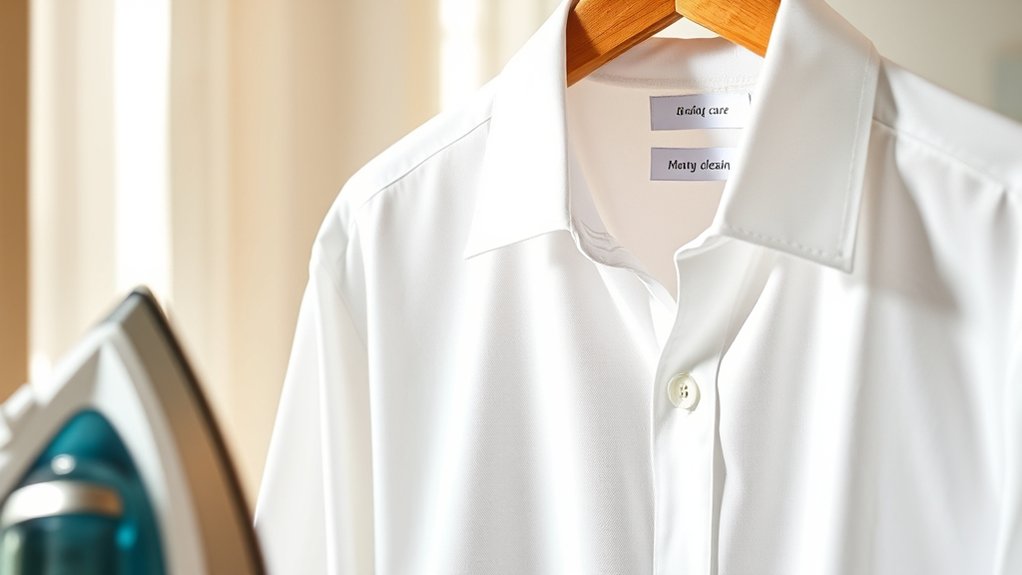
Start by checking your dress shirt’s care label. If it says “Dry Clean Only,” it’s best to follow that to avoid any damage.
Also, take a look at the fabric type—delicate materials like silk or wool usually need professional care.
These little clues can really help you figure out when dry cleaning is the way to go.
Reading Care Labels
How can you tell if your dress shirt needs dry cleaning? Start by carefully reading the care label. If it says “Dry Clean Only,” always follow that advice to protect fabric dyes and guarantee effective stain removal without damage.
Look for a circle symbol, which means dry cleaning, or instructions like “hand wash” or “machine wash.” Those tell you that dry cleaning isn’t necessary. Ignoring these instructions can cause color fading or fabric distortion.
If the label is missing or unclear, don’t guess. Instead, consult a professional cleaner to avoid costly mistakes.
Fabric Sensitivity Indicators
Understanding fabric sensitivity helps you figure out if your dress shirt really needs dry cleaning beyond just reading the care label. Pay close attention to the fabric weave. Delicate weaves like silk or fine linen often require professional care to avoid damage.
Shirts made from natural fibers that are prone to shrinking or color fading deserve extra caution. Try doing a colorfastness test by gently dampening a hidden spot to check for color bleeding before washing at home. If the color runs, dry cleaning is usually the safer bet.
Also, keep an eye out for specific symbols on the label, like a circle that means dry clean only. Synthetic fabrics with tighter, durable weaves usually handle home washing just fine unless the label says otherwise.
Can You Wash Dress Shirts at Home Without Damage?

You can definitely wash many dress shirts at home, as long as the care label says it’s okay. Just be sure to follow some gentle washing tips.
For example, turn your shirts inside out before washing, use cold water, and choose a mild detergent. Doing these things will help keep the fabric looking great and prevent any damage while washing.
Washing Label Importance
Why does the washing label on your dress shirt matter so much? It’s your key to preserving fabric durability and preventing costly damage. The label symbols clearly indicate whether you can safely wash your shirt at home or if dry cleaning is necessary.
If it says “Dry Clean Only,” never risk washing it yourself. Doing so can cause shrinking, fabric deterioration, and color fading. Many cotton and polyester shirts allow machine washing, but you must follow the exact temperature and cycle settings shown on the label.
Ignoring these instructions compromises your shirt’s quality and longevity. Always check the washing label before laundering to maintain your dress shirt’s appearance and life span.
Proper attention to these symbols ensures your shirt stays in top condition.
Gentle Washing Techniques
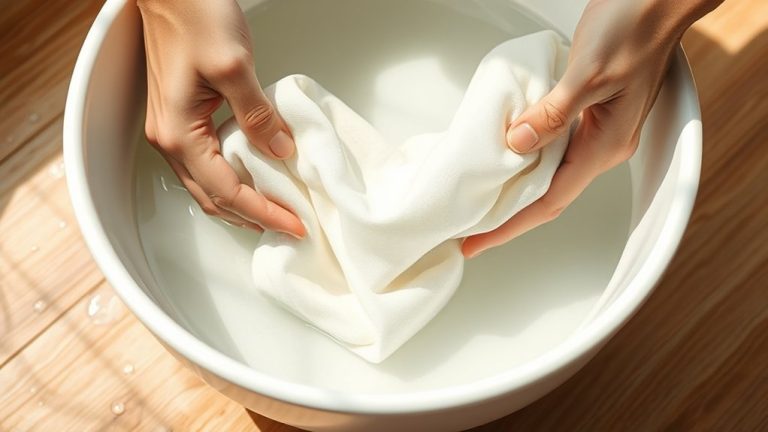
Although many dress shirts can handle home washing, you need to approach it with care to avoid damage. Use a gentle cycle with cold or warm water, following the care label to maintain fabric softness and color preservation. Always turn shirts inside out and remove collar stays to protect their structure.
Opt for a mild, fragrance-free detergent and avoid bleach, which can weaken fibers and fade colors. Spot-treat stains promptly with a stain remover pen or diluted detergent to reduce the need for full washes.
After washing, air dry shirts on wooden or padded hangers to minimize wrinkles and shrinkage.
These gentle washing techniques help extend your shirts’ lifespan while keeping them looking crisp and vibrant without the risks of dry cleaning. It’s a simple way to care for your wardrobe and save money too. Just a little attention goes a long way!
How to Machine Wash Dress Shirts Safely
When machine washing dress shirts, selecting a gentle or delicate cycle with cold water helps preserve the fabric and prevent fading, especially for dark-colored shirts.
Using a gentle cycle with cold water protects dress shirts and keeps dark colors vibrant longer.
Before washing, unbutton all buttons and remove collar stays to reduce fabric stress. Turn your shirts inside-out to protect their outer surface and maintain color vibrancy.
Wash them separately or with similar colors to avoid color bleeding and stains. Use a mild, high-quality detergent to support effective stain removal without harsh chemicals. Skip bleach to prevent fabric damage.
Adding a fabric softener on the rinse cycle can keep your shirts feeling smooth without compromising their structure.
These steps guarantee your dress shirts stay sharp and last longer while minimizing wear during machine washing. It’s pretty straightforward but really makes a difference!
How to Dry and Iron Dress Shirts
To keep your dress shirts looking sharp, you should air dry them on wooden hangers right after washing. Remove the shirts promptly and gently stretch the seams, cuffs, and collar to help maintain their shape.
When ironing, keep the shirts slightly damp and use the lowest heat setting that works for the fabric. Iron in this order: collar, yoke, sleeves, cuffs, then the front and back panels, but avoid ironing over the buttons to prevent damage.
Once ironed, hang the shirts to keep them wrinkle-free.
If you prefer storing them folded, use proper folding techniques to minimize creases and save space.
Also, consider storage options like breathable garment bags or drawer dividers to protect your shirts from dust and keep them looking crisp until you wear them again.
How to Remove Common Stains From Dress Shirts
Keeping your dress shirts wrinkle-free and well-stored is just part of maintaining their crisp appearance. Effectively removing stains plays an equally important role. Use targeted stain removal methods like pre-treating collars, cuffs, and armpits with oxygen-based stain remover or undiluted detergent.
For white shirts, bleach in warm water works well, but avoid bleach on colors. Spot-removing pens offer quick fixes, but always wash thoroughly afterward. Oil and grease stains respond best to specialized solvents.
| Stain Type | Recommended Treatment |
|---|---|
| Collar & Cuffs | Oxygen-based remover, solvents |
| White Shirt Stains | Bleach in warm water |
| Quick Spots | Spot-removing pens/wipes |
| Oil/Grease | Specialized oil-breaking solvents |
Master these fabric treatment techniques to keep your shirts spotless.
When to Choose Professional Cleaning for Dress Shirts
Professional cleaning plays a crucial role in preserving the quality and longevity of your dress shirts, especially those labeled “Dry Clean Only.” You should choose this option for garments made from delicate fabrics like silk or wool, or when dealing with stubborn stains that home treatments can’t fully remove.
Professional cleaners excel in stain treatment, guaranteeing deep cleaning without damaging the fabric.
Plus, if your shirts feature intricate details like embroidery or special trims, dry cleaning helps maintain these delicate elements.
Opt for professional cleaning to preserve your shirt’s shape, color, and overall appearance over time.
For dress shirts you wear frequently, relying on professional fabric preservation through dry cleaning ensures consistent quality and prolongs their lifespan.
It’s definitely a smart care choice.
Daily Care Tips to Extend Dress Shirt Lifespan
Although dress shirts are designed for durability, your daily care routine plays an essential role in extending their lifespan. To guarantee effective fabric preservation, wash your shirts after 3-4 wears to prevent odor buildup without causing unnecessary wear.
Store them on wooden or cedar hangers to maintain shape and repel pests. For stain prevention, treat spots immediately using oxygen-based removers to avoid permanent damage.
Use wooden or cedar hangers to keep shape and treat stains promptly with oxygen-based removers.
When ironing, keep shirts slightly damp and use the recommended heat setting to reduce wrinkles and protect fabric integrity. Always follow care label instructions closely, and avoid over-washing, which accelerates fabric deterioration.
These focused daily habits help maintain your dress shirts’ appearance and durability. That way, you can enjoy them longer while looking sharp every time you wear them.
Frequently Asked Questions
What Fabrics Are Most Prone to Damage From Dry Cleaning?
You’ll find fabric durability drops with silk, wool, rayon, acetate, and embellished materials. These face dry cleaning risks like shrinkage, misshaping, and damage.
Waterproof coatings and glued parts also risk peeling or warping during cleaning. So, it’s good to be cautious with these fabrics when considering dry cleaning.
How Often Should Dress Shirts Be Professionally Pressed?
You should have your dress shirts professionally pressed after every wear.
About 85% of stains and collar wear respond best to expert stain removal and collar maintenance. This keeps your shirts looking crisp and extends their lifespan.
Are There Eco-Friendly Dry Cleaning Alternatives for Dress Shirts?
Yes, you can choose eco-friendly solvents and biodegradable cleaning methods like wet cleaning or liquid silicone solvents. These options protect your dress shirts and the environment by avoiding harmful chemicals common in traditional dry cleaning.
It’s a smart choice if you want to keep your clothes looking great without harming the planet. Plus, many of these methods are just as effective, so you don’t have to sacrifice quality for sustainability. Give them a try—you might be surprised at the results!
Can Starch or Sizing Products Be Used on Dress Shirts?
Yes, you can use starch application or sizing treatment on dress shirts. Just apply lightly to avoid brittleness. It’s a good idea to test on a hidden spot first.
Adjust the amount to keep collars and cuffs crisp without damaging your fabric. That way, your shirt looks sharp but still feels comfortable.
How Should Dress Shirts Be Stored to Avoid Wrinkles?
You should hang dress shirts on wooden hangers, fasten top buttons, and use collar stays for wrinkle prevention. Choose storage solutions that avoid overcrowding.
Keep shirts in a cool, dry place, and store them away from direct sunlight. This way, your shirts stay fresh and smooth without much effort.
Conclusion
You want your dress shirts crisp, fresh, and ready to impress. Whether you’re carefully hand-washing or trusting a pro’s touch, imagine each shirt as a canvas—clean, smooth, and vibrant.
By mastering stain removal, gentle washing, and proper ironing, you keep that polished look alive. With these care tips, your dress shirts won’t just last. They’ll look sharp, feel confident, and carry you through every occasion with effortless style.