How To Use Powder Laundry Detergent – Beginner’s Guide
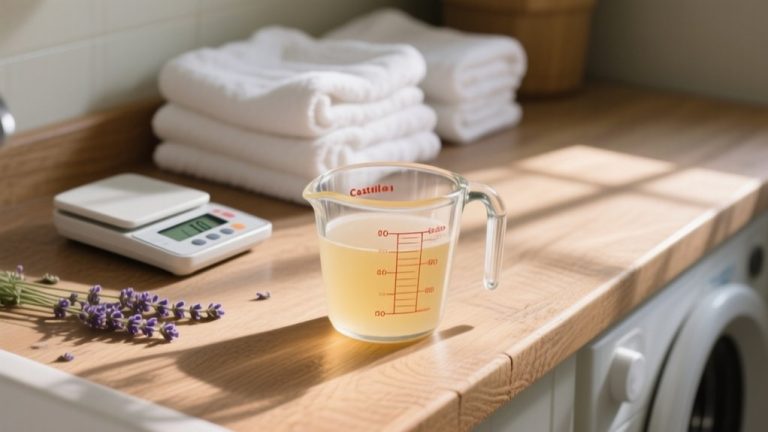
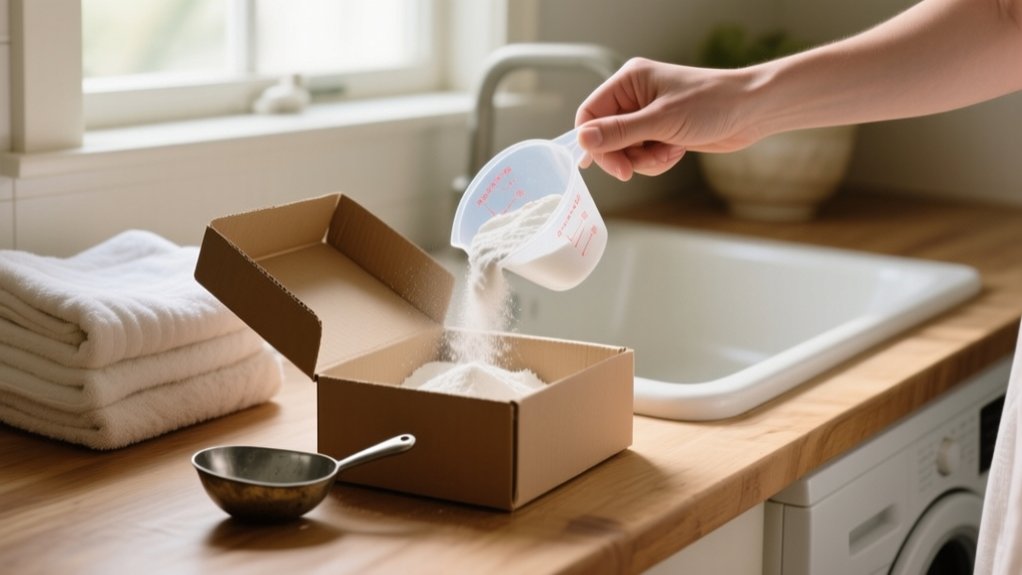
To use powder laundry detergent effectively, measure the right amount based on your washer type, load size, and soil level. Usually, 1 tablespoon works for standard machines and ½ tablespoon for HE washers.
Add the powder directly to the drum and place clothes on top to help it dissolve better. Use warm water to make sure it dissolves fully.
Avoid overdosing to prevent residue. If you have heavily soiled items or hard water, go ahead and increase the dose.
Keep your detergent dry and stored well to maintain quality. Discover tips for optimizing your wash every time.
Key Takeaways
- Measure powder detergent accurately: 1 tablespoon for standard washers, 1/2 tablespoon for HE models, adjusting for load size and soil level.
- Add powder detergent directly into the drum, placing clothes on top for better dissolution, avoiding dispenser drawers in front-loaders.
- Use warm or hot water (at least 60°F) to ensure proper detergent dissolution; pre-dissolve powder in warm water for cold washes.
- Consider water hardness and soil level to adjust detergent amount, adding more for hard water or heavily soiled laundry.
- Store powder detergent in a dry, cool place to prevent clumping and avoid overuse to prevent residue and skin irritation.
Why Use Powder Laundry Detergent?
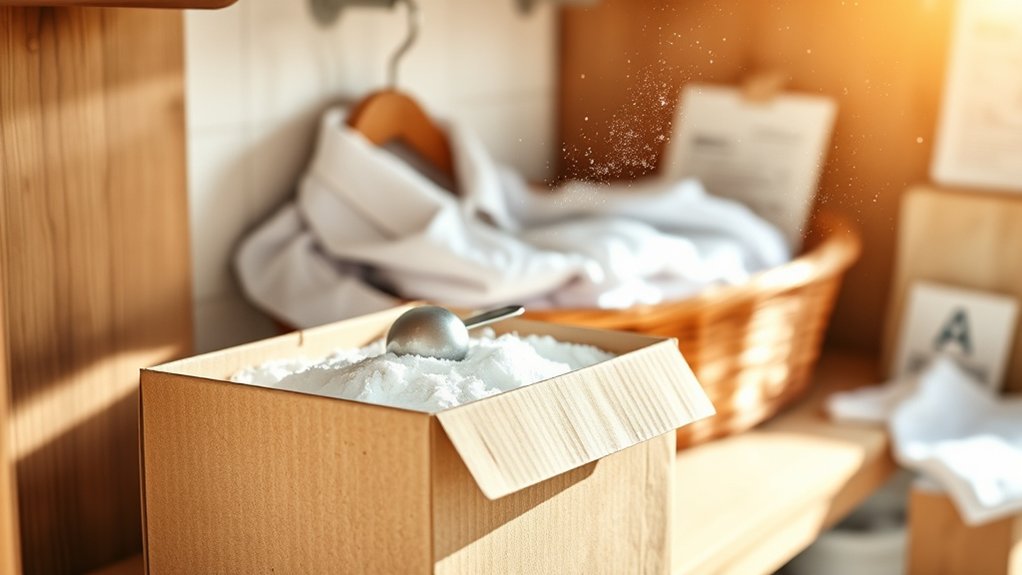
Although liquid detergents are popular, powder laundry detergent offers unique advantages, especially if you’re tackling tough dirt and clay stains.
Powder detergent delivers strong cleaning power, making it an effective detergent for heavily soiled laundry. Its formula often includes washing soda, which softens hard water and boosts cleaning efficiency.
You’ll find powder detergent works well in various water temperatures, especially warm and hot water, helping the powder dissolve completely and maximize stain removal.
Furthermore, powder detergents generally have a longer shelf life and resist clumping when stored properly.
Measuring Powder Detergent for Load Size, Soil, and Water Hardness
When you’re measuring powder detergent, it’s a good idea to start by matching the amount to your load size.
Usually, that means about 1 tablespoon for standard washers, or half that if you’re using a high-efficiency model.
If your clothes are really dirty or just lightly worn, you might want to adjust the amount a bit.
This helps make sure everything gets cleaned thoroughly without using more detergent than you need.
Don’t forget to think about your local water hardness, too.
Harder water often means you’ll need a little extra detergent to get the best results.
Load Size Dosage
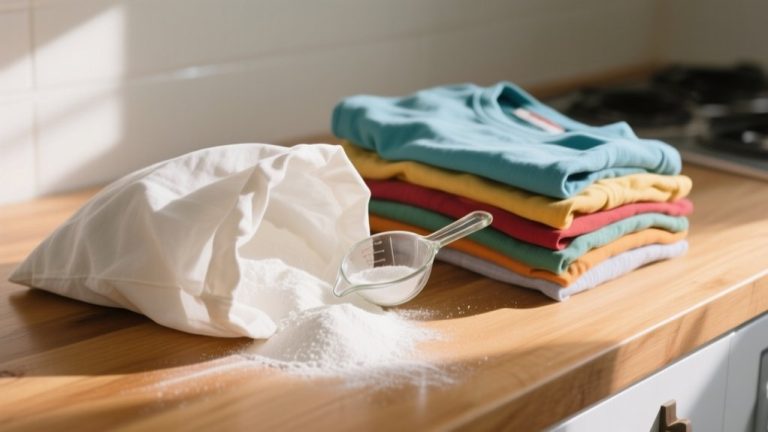
To get the best results from your powder laundry detergent, start by measuring the right amount based on your load size and soil level. For a standard washing machine handling 12 to 16 pounds of laundry, use 1 tablespoon of detergent.
If you have a high-efficiency (HE) washer, reduce the dosage to 1/2 tablespoon. Always check fabric care labels to confirm load size compatibility and avoid damage.
If your water is hard, increase the amount slightly to guarantee effective cleaning. Use a precise scoop to measure the powder, which helps it dissolve fully and cleans better.
Adjusting detergent use based on your washing machine type, fabric instructions, and local water hardness guarantees ideal fabric care and cleanliness every time.
Soil Level Adjustment
After measuring detergent based on load size and water hardness, you also need to adjust the amount according to how dirty your clothes are.
Proper soil level adjustment guarantees you use powder detergent efficiently for best results.
For lightly soiled clothes, stick to the recommended dosing instructions on the packaging.
However, if your laundry is heavily soiled, increase the amount of powder, usually 2 to 3 tablespoons for large or tough stains.
Keep in mind that hard water may require a slightly higher dosage to clean effectively.
By tailoring the detergent amount to soil level, you avoid residue buildup and improve stain removal.
Always adjust carefully to balance cleaning power and detergent use, guaranteeing your clothes come out fresh and spotless every time.
Water Hardness Consideration
Since water hardness directly affects how well your detergent works, you’ll need to adjust the amount of powder you use accordingly. Hard water contains minerals that reduce detergent performance, so you’ll typically need more powder detergent in these areas to clean effectively.
For high-efficiency (HE) washers, use about 1/2 tablespoon for normal loads, increasing the detergent dosage for heavily soiled laundry. Standard machines usually require around 1 tablespoon.
If you’re dealing with hard water regularly, consider adding a water softener to improve cleaning results and prevent soap scum buildup.
For lightly soiled clothes, reduce powder detergent to avoid residue.
Always check local water hardness levels to tailor your detergent dosage precisely to your laundry needs and guarantee peak cleaning every time.
Where to Put Powder Detergent in Front- and Top-Loader Machines
When you’re using powder detergent, knowing exactly where to put it can really change how well it dissolves and cleans your clothes.
For front-loading machines, the best way is to add the powder directly into the drum before you load your clothes.
Top-loaders work the same way—you’ll want to put the detergent in the drum first, too.
It’s always a good idea to check your machine’s manual just to be sure, so you can follow any specific instructions and avoid any buildup or leftover residue.
Powder Placement Tips
Two key steps will help you properly place powder detergent in your washing machine for the best results. Always add the powder detergent directly into the drum before loading clothes. This guarantees the washing powder dissolves completely during both front-loading machines and top-loader washing cycles.
Avoid using the dispenser drawer in front-loaders, as it’s meant for liquids and can cause buildup.
Check your washing machine’s manual for any specific detergent placement instructions to optimize cleaning. Remember, placing clothes on top of the detergent facilitates better dissolution.
| Machine Type | Powder Placement Tip |
|---|---|
| Front-loading machines | Add powder directly to the drum first |
| Top-loader washing | Place powder in drum before clothes |
| Both | Avoid detergent dispenser for powder |
Machine-Specific Instructions
Although front-loaders and top-loaders handle detergent differently, you should always add powdered detergent directly into the drum before loading clothes.
In front-loader machines, avoid the detergent drawer to prevent undissolved powder buildup and odors. Instead, add the right amount of powdered detergent, about 1/2 tablespoon for HE washers, directly into the drum so it dissolves properly during the wash cycle.
For top-loading machines, place the powdered detergent directly into the drum before adding clothes. This allows water to mix with the powder effectively, ensuring thorough cleaning.
Always measure detergent based on your washing machine’s capacity, close the lid securely, and start the wash cycle.
Following these steps lets your powdered detergent dissolve fully and keeps your washing machine running efficiently.
Which Fabrics and Stains Work Best With Powder Detergent
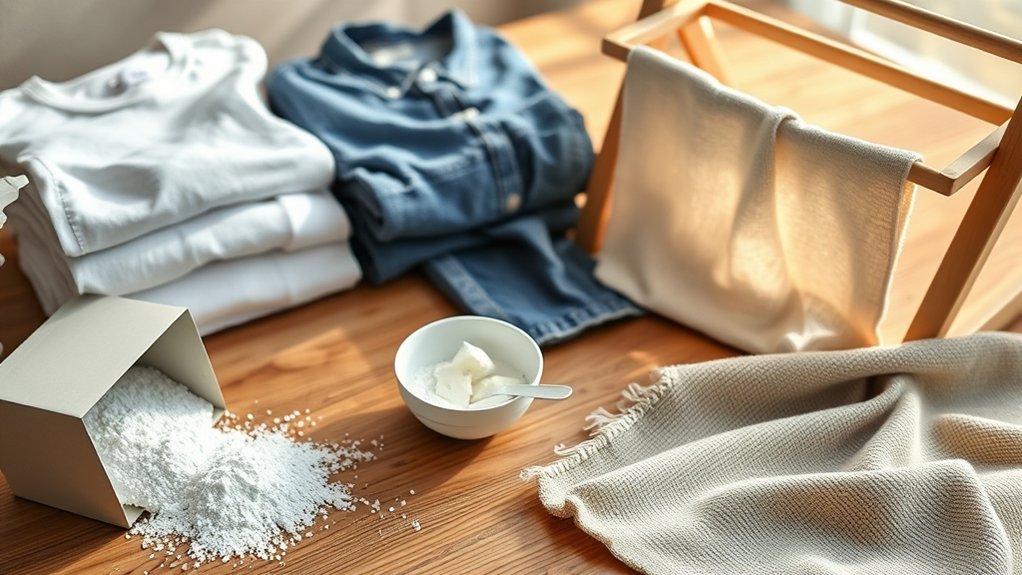
Because powder detergent excels at tackling dirt and clay stains, it works best on outdoor or heavily soiled clothing.
You’ll find it effective on most fabrics like cotton, linen, synthetics, and some wool. However, always check fabric care labels, especially for delicate fabrics, to avoid damage.
Here’s what to keep in mind:
- Use powder laundry detergent for dirt stains and heavily soiled items.
- Increase detergent amount based on soil level for better cleaning.
- Avoid powder detergent on microfiber fabrics to prevent damage and pollution.
- For whites, select a powder with bleach to enhance brightness and remove tough stains.
Choose the Right Water Temperature for Powder Detergent
Selecting the right water temperature plays a big role in how well your powder detergent cleans. Most stains respond best to warm water temperatures between 90°F and 110°F. This range allows the powdered detergent to dissolve and wash efficiently.
Hot water, above 130°F, is great for heavily soiled items. But use it sparingly to avoid damaging fabrics.
Cold water suits delicate items and helps preserve colors. You’ll want to pre-dissolve the powder before adding it to the wash for effective cleaning.
Always check the fabric care labels before choosing your water temperature to protect your clothes and get the best results.
Adjust Detergent Amount for Dirt and Water Hardness
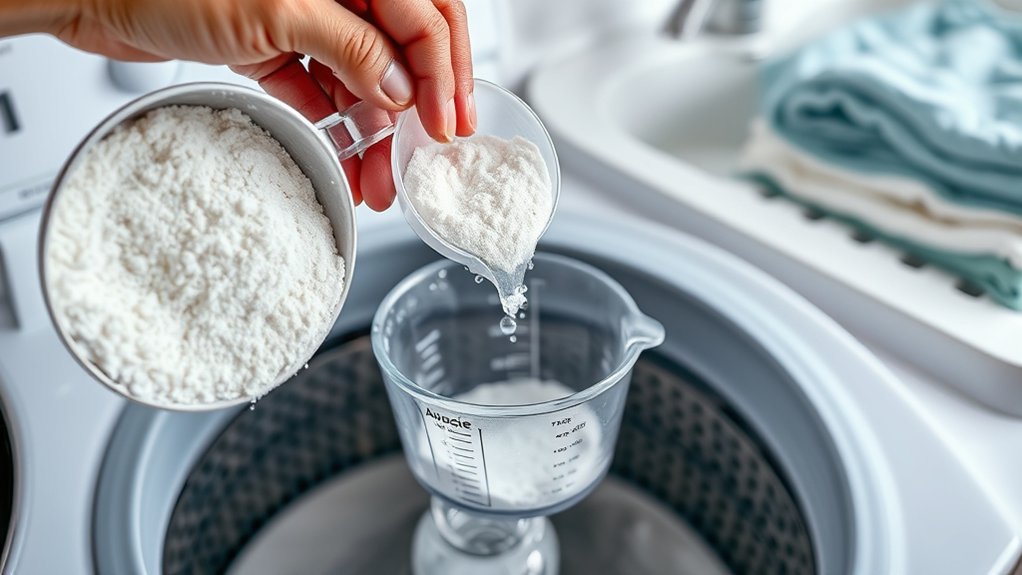
When you adjust the amount of powder detergent based on your load size and soil level, you guarantee your clothes get the right level of cleaning without residue buildup.
To optimize cleaning efficacy, follow these tips:
To optimize cleaning efficacy, adjust detergent amounts based on load size, soil level, and water hardness.
- For typical loads, use 1/2 tablespoon for HE washers and 1 tablespoon for standard machines.
- Increase detergent by 1-2 tablespoons for heavily soiled clothes to boost cleaning power.
- In hard water areas, add more detergent to counteract mineral interference with cleaning agents.
- Reduce detergent for lightly soiled items to avoid residue buildup and ensure proper rinsing.
Always follow the dosing instructions on your detergent packaging for best results.
Adjust detergent amount carefully to keep your laundry fresh and spotless every wash.
Ensure Powder Detergent Dissolves Properly Every Wash
To get the best cleaning results, you’ll want to guarantee your powder detergent dissolves completely during every wash cycle. Add the detergent directly to the drum before loading clothes, allowing water to contact it early.
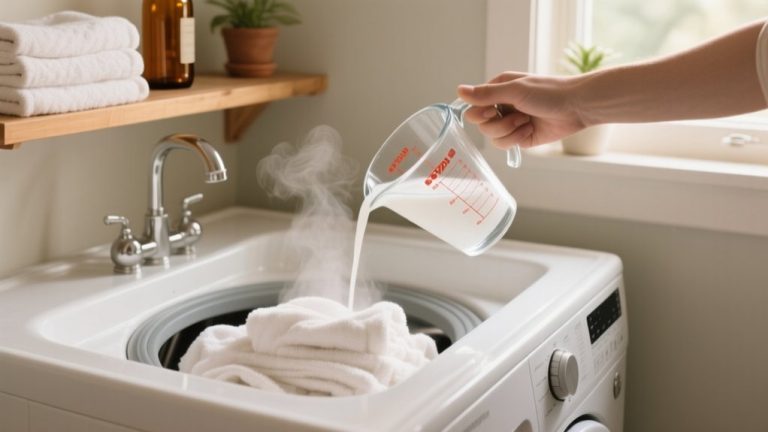
Use water temperatures of at least 60°F (15.56°C) to help the powder dissolve properly. For cold washes, pre-dissolve detergent in warm water since cold tap settings may not dissolve powder fully.
Adjust detergent amounts based on your machine type and load size to avoid residue.
| Load Size | Machine Type | Detergent Amount |
|---|---|---|
| Small | High-Efficiency | 1/2 tablespoon |
| Medium | Standard | 1 tablespoon |
| Large | High-Efficiency/Standard | Increase accordingly |
Store powder in a dry, cool place to prevent clumping and maintain effectiveness.
Common Mistakes to Avoid When Using Powder Detergent
Although powder detergent is effective, using it incorrectly can cause several issues. To get the best results, avoid these common mistakes:
Using powder detergent correctly is key to avoiding issues and achieving the best cleaning results.
- Don’t use too much powder. Excess detergent can leave residue, stiffen clothes, and irritate skin.
- Always measure detergent accurately based on your load size and washing machine type. Use less for HE washers.
- Never put powdered detergent directly into the liquid detergent compartment of front-loaders. This leads to buildup and odors.
- Confirm the powder dissolves completely before adding clothes, especially in cold water. This helps prevent clumps from sticking to fabrics.
Also, adjust the amount of powdered detergent if you have hard water for effective cleaning.
Following these tips keeps your clothes fresh and your washing machine running smoothly.
Frequently Asked Questions
Can Powder Detergent Damage My Washing Machine Over Time?
Yes, powder detergent can damage your washing machine over time if you don’t use it properly.
Using too much powder or adding it incorrectly can cause buildup and clogs, especially in front-loading machines.
This residue can affect your washer’s performance and lead to maintenance issues.
To avoid damage, follow dosing instructions carefully, use HE powder detergents in compatible machines, and clean your washer regularly to keep it running smoothly.
Is Powder Detergent Safe for Septic Systems?
Yes, powder detergent is generally safe for septic systems if you choose one labeled “septic safe.”
These detergents usually avoid harsh chemicals like phosphates, which can harm the beneficial bacteria your septic system relies on.
You should also use the recommended amount to prevent buildup that could damage your system.
How Long Does Powder Detergent Last Once Opened?
You might think your powder detergent could outlast your favorite pair of jeans, but it usually lasts about 6 to 12 months once opened.
Keep it sealed tight in a cool, dry spot, or you’ll invite clumps and spoil its cleaning power.
If you notice any strange odors or lumps, it’s time to toss it.
Using it within a year guarantees your clothes get the best clean every time.
Can I Mix Powder Detergent With Fabric Softener?
You shouldn’t mix powder detergent with fabric softener. Combining them can stop the detergent from dissolving properly, which reduces its cleaning power.
Instead, add powder detergent at the start of the wash cycle and use fabric softener during the rinse cycle. Mixing both in one compartment can cause residue buildup, leaving clothes stiff or unclean.
Always follow the instructions on the fabric softener packaging and check garment care labels for compatibility.
Are There Eco-Friendly Powder Detergent Options Available?
Back in the Renaissance, people dreamed of cleaner, greener living.
Today, you can make that dream real with eco-friendly powder detergents.
Yes, you’ll find many options made from biodegradable ingredients and free of harsh chemicals like phosphates and sulfates.
Look for the EPA’s Safer Choice label to guarantee safety and environmental care.
Plus, many detergents work well in cold water and come in sustainable packaging.
Conclusion
Using powder laundry detergent correctly can make a big difference in your wash results. You might think more detergent means cleaner clothes, but overusing it can leave residue and harm fabrics.
Instead, measure carefully based on load size, soil level, and water hardness. Placing detergent properly and choosing the right water temperature guarantees it dissolves fully.
By avoiding common mistakes, you’ll get fresh, spotless laundry every time, proving that precision beats guessing in laundry success.