Can I Use Fabric Softener As Laundry Detergent – Find Out
You shouldn’t use fabric softener as laundry detergent because it lacks cleaning agents needed to remove dirt, stains, and bacteria effectively. Fabric softener is designed to condition fibers, add softness, and reduce static, not to clean.
Using only softener can lead to odor buildup and reduced fabric hygiene. For best results, always wash with detergent first, then add fabric softener during the rinse cycle. Exploring their distinct roles will help you care for your clothes properly.
Key Takeaways
- Fabric softener lacks cleaning agents and cannot remove dirt, stains, or bacteria like laundry detergent can.
- Using fabric softener alone leads to dirt and odor buildup on clothes, compromising hygiene.
- Detergent contains surfactants essential for lifting oils and grime, ensuring thorough fabric cleaning.
- Fabric softener is designed to soften and reduce static, not to clean or disinfect fabrics.
- Always use detergent during the wash cycle and add fabric softener only in the rinse cycle for best results.
Why You Shouldn’t Use Fabric Softener As Detergent
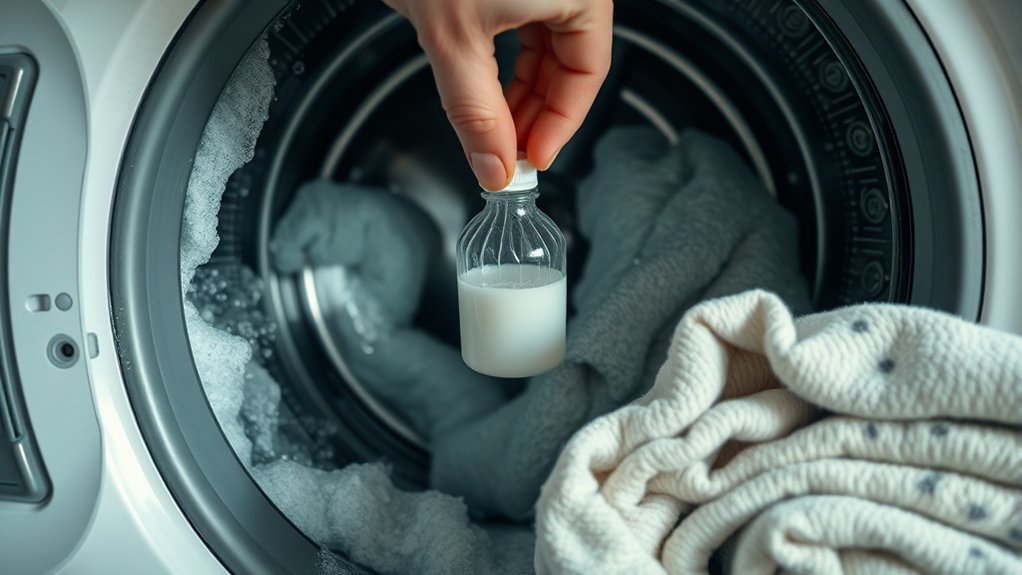
Although fabric softener can make your clothes smell great and feel softer, you shouldn’t use it as a substitute for laundry detergent. Using fabric softener alone won’t clean your clothes effectively because it lacks the necessary agents to remove dirt, stains, and bacteria.
Fabric softener enhances scent and softness but cannot replace detergent’s cleaning power.
Laundry detergents are specifically formulated to break down grime and kill germs, ensuring your laundry is hygienic and fresh. Relying solely on fabric softener can lead to a buildup of dirt and odors, which compromises cleanliness and may affect skin health.
Fabric softener can also leave a waxy residue that reduces fabric absorbency, especially in towels and activewear.
To get the best laundry results, always use detergent to clean your clothes and fabric softener to condition, combining cleanliness with softness.
What Detergent Actually Does That Softener Can’t
While fabric softener enhances the feel and scent of your clothes, it doesn’t contain the surfactants that detergent uses to lift and remove dirt, oils, and stains. Detergent does the heavy lifting by breaking down grime, rinsing away bacteria, and eliminating odors, which fabric softener can’t do. It helps protect your fabrics by preventing residue buildup that weakens fibers over time.
Here’s a quick comparison:
| Detergent Does That Softener Can’t | Why It Matters |
|---|---|
| Removes dirt and oils | Keeps clothes truly clean |
| Eliminates bacteria and odors | Protects fabric hygiene |
| Prevents fabric damage | Extends garment lifespan |
Using detergent guarantees clean clothes and healthy fabrics, something fabric softener alone can’t assure.
How Fabric Softener Conditions Fibers For Softness
When you use fabric softener, it basically coats the fibers with conditioning agents that help reduce friction and make your clothes feel softer.
It’s like giving the fabric a little extra care.
Plus, this process cuts down on static electricity, which means your clothes come out smoother and easier to handle.
So, they’re not just soft—they’re less clingy too.
Knowing how fabric softener works helps explain why it improves the feel of your laundry but doesn’t actually clean it.
It’s all about conditioning, not washing.
Fiber Conditioning Mechanism
Because fabric softeners coat fibers with specialized conditioning agents, they effectively smooth fabric surfaces and reduce friction during washing and drying. This coating helps your fabric feel softer and look better by minimizing static cling and making clothes easier to manage.
The extra ingredients in fabric softeners also contribute to reducing wrinkles, which results in a neater appearance after laundry. While fabric softeners don’t clean your clothes or remove stains, their fiber conditioning mechanism focuses on enhancing the tactile quality and handling of fabrics.
Softness Enhancement Process
Although fabric softeners don’t clean your clothes, they play an essential role in enhancing softness by coating fibers with specialized conditioning agents. When you use fabric softener, these agents reduce friction between fibers, making the fabric feel noticeably soft and fresh.
Unlike detergent, which focuses on removing dirt and stains, fabric softener conditions the fabric’s surface to improve texture and comfort. This process also helps minimize wrinkles, so your clothes look smoother and are easier to wear.
However, you should avoid overusing fabric softener, as buildup can trap dirt and reduce fabric breathability.
Static Reduction Benefits
Beyond enhancing softness, fabric softeners also play a key role in reducing static electricity on your clothes.
Fabric softener works by coating fibers with conditioning agents that considerably reduce friction between them.
This reduction in friction not only minimizes static electricity, preventing your garments from clinging uncomfortably, but also helps reduce wrinkles, giving your clothes a smoother appearance.
By managing static electricity effectively, fabric softener makes your laundry easier to handle and wear.
Remember, while fabric softener conditions fibers and reduces static electricity, it doesn’t clean your clothes, so you should always use it alongside a proper laundry detergent.
Using fabric softener as directed guarantees your clothes feel soft, fresh, and static-free after every wash.
Why Using Only Fabric Softener Can Cause Problems
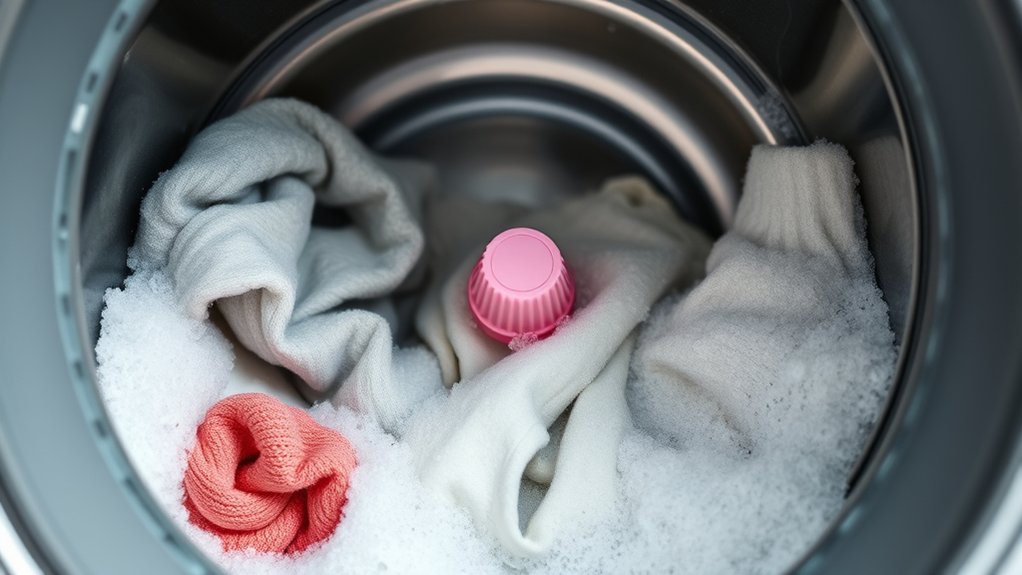
When you use only fabric softener in your laundry, you miss out on the crucial cleaning power of detergents. These detergents contain surfactants designed to lift and remove dirt, oils, and stains. Fabric softener alone can’t tackle stubborn stains or thoroughly clean your clothes.
Instead, it primarily conditions fabrics for softness and a pleasant scent, leaving grime and odors behind. Relying solely on fabric softener can cause dirt and bacteria buildup, which compromises hygiene and might irritate your skin.
Over time, this residue weakens fabric fibers and shortens the lifespan of your garments. If you want your clothes clean and fresh, fabric softener alone isn’t enough. It’s essential to use detergent to effectively remove dirt and keep your laundry hygienic and comfortable.
When And How To Use Fabric Softener With Detergent
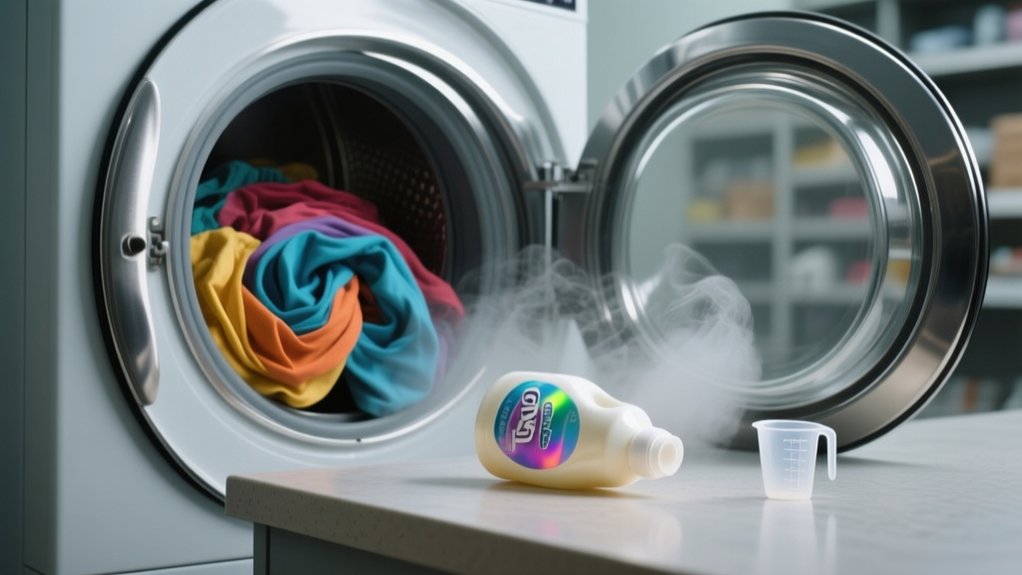
Since fabric softener doesn’t clean clothes, you should always use detergent first during the wash cycle to remove dirt and stains effectively. Laundry detergent contains surfactants designed to break down grime, so it’s crucial to start with it.
Fabric softener, on the other hand, should be added during the rinse cycle, after the detergent has done its job. This allows the softener to condition fabrics and add fragrance without interfering with cleaning.
Make certain to pour fabric softener into the designated compartment, usually marked with a flower or star icon, to guarantee proper timing.
Avoid overusing fabric softener, as excess can leave a waxy residue and diminish laundry detergent’s effectiveness.
Also, skip fabric softener on towels and activewear to maintain their absorbency and moisture-wicking properties.
Combining Detergent And Fabric Softener For Best Results
Although detergent and fabric softener serve different purposes, using them together properly can greatly improve your laundry results. You should start by using liquid detergent to effectively remove dirt and stains.
Then, add fabric softener during the rinse cycle to enhance softness and fragrance. This combination helps reduce fabric friction, preserving your clothes longer.
To combine detergent and fabric softener for best results:
- Use the correct compartments in your washing machine: detergent in the main wash and fabric softener in the designated softener compartment.
- Follow recommended dosages to prevent buildup that causes odors and reduces effectiveness.
- Add fabric softener only during the rinse cycle to maximize its softening benefits without interfering with cleaning.
Properly combining these products guarantees your laundry is fresh, clean, and soft every time.
Eco-Friendly Fabric Softener And Detergent Options
If you want to reduce your environmental footprint and protect sensitive skin, choosing eco-friendly fabric softeners and detergents is a smart move. Eco-friendly fabric softeners often use plant-based ingredients, cutting down on harsh chemicals that harm the environment and irritate skin.
You can also try natural alternatives like vinegar and baking soda, which soften fabrics and neutralize odors without harmful additives. Some brands offer biodegradable fabric softeners that break down naturally, reducing landfill waste and pollution.
When selecting detergents, look for ones with fewer synthetic fragrances and dyes to minimize skin irritation and environmental damage.
To guarantee quality and safety, choose products certified by recognized eco-labels.
Incorporating these options helps you maintain clean, soft laundry while supporting sustainability.
Frequently Asked Questions
Can Fabric Softener Prevent Static Cling on Clothes?
Yes, fabric softener can prevent static cling on clothes by coating fibers with conditioning agents that reduce friction and static buildup.
However, you’ll get the best results if you use it alongside laundry detergent during the rinse cycle. This guarantees your clothes are both clean and conditioned.
For extra static control, consider dryer balls or proper drying techniques, which work well in combination with fabric softener to keep static cling at bay.
Does Fabric Softener Affect Towel Absorbency?
When it comes to towel absorbency, fabric softener throws a wrench in the works.
You’ll find that it coats your towels with a waxy layer, making them feel soft but less able to soak up moisture. This reduces their effectiveness and can trap odors.
To keep your towels working at their best, stick to detergent only and skip the fabric softener during wash cycles.
Are There Fabrics That Should Never Use Fabric Softener?
Yes, you should never use fabric softener on towels, activewear, moisture-wicking fabrics, outdoor gear with water-repellent coatings, silk, delicate fabrics, or microfiber cloths.
Fabric softeners can leave residues that reduce absorbency, hinder moisture-wicking, damage coatings, or impair fabric texture and effectiveness.
To protect your clothes and maintain their performance, always check care labels and avoid fabric softener on these specific materials.
How Long Does the Scent of Fabric Softener Usually Last?
The scent of fabric softener usually lasts several days up to a week, depending on the fabric and environment.
If you wash clothes at higher temperatures or dry them in direct sunlight, the fragrance fades faster.
Using fabric softeners with encapsulated scents can help you enjoy a longer-lasting aroma.
Keep in mind that multiple washes and mixing strong detergents may weaken the scent, so proper storage away from heat preserves its potency before use.
Can Fabric Softener Cause Allergic Reactions or Skin Irritation?
Yes, fabric softener can cause allergic reactions and skin irritation. You might experience rashes, itching, or hives after contact with treated fabrics.
If you have sensitive skin or conditions like eczema, you’re more likely to react.
You should avoid fragranced or chemical-laden softeners and choose hypoallergenic, fragrance-free options instead. By doing so, you protect your skin and reduce the risk of irritation and long-term sensitization effectively.
Conclusion
You shouldn’t use fabric softener as detergent because it simply can’t lift dirt and grime like detergent does. Fabric softener conditions fibers for softness but won’t clean your clothes, leaving stains like a stubborn shadow.
To get the best results, always combine detergent with fabric softener during the rinse cycle. Choosing eco-friendly options helps you care for both your clothes and the planet because your laundry deserves nothing less than a sparkling clean finish.