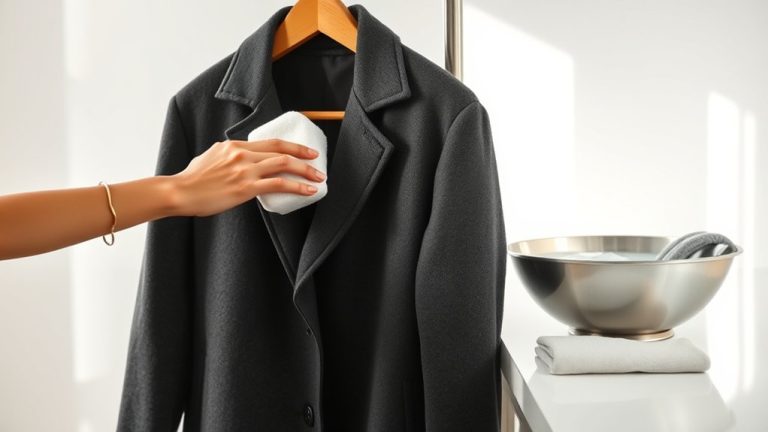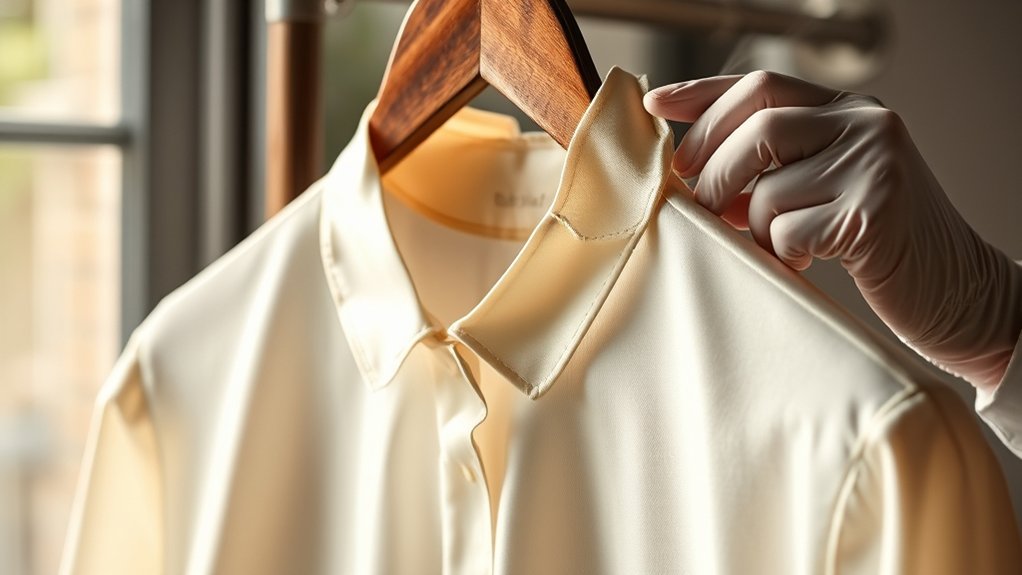
Why Dry Clean – Reasons Explained
You rely on dry cleaning because it effectively removes tough oil-based stains without damaging fabrics or fading colors. It’s especially gentle on delicate materials like silk and wool. This helps preserve their shape and vibrant hues longer than traditional washing.
Modern dry cleaning uses safer, eco-friendly solvents that protect both your clothes and the environment. Plus, professional finishing guarantees a crisp, polished look every time.
Explore how this method extends your garments’ life and maintains quality. You’ll see why it’s a smart choice for keeping your clothes looking their best.
How Dry Cleaning Protects Your Clothes Better Than Washing
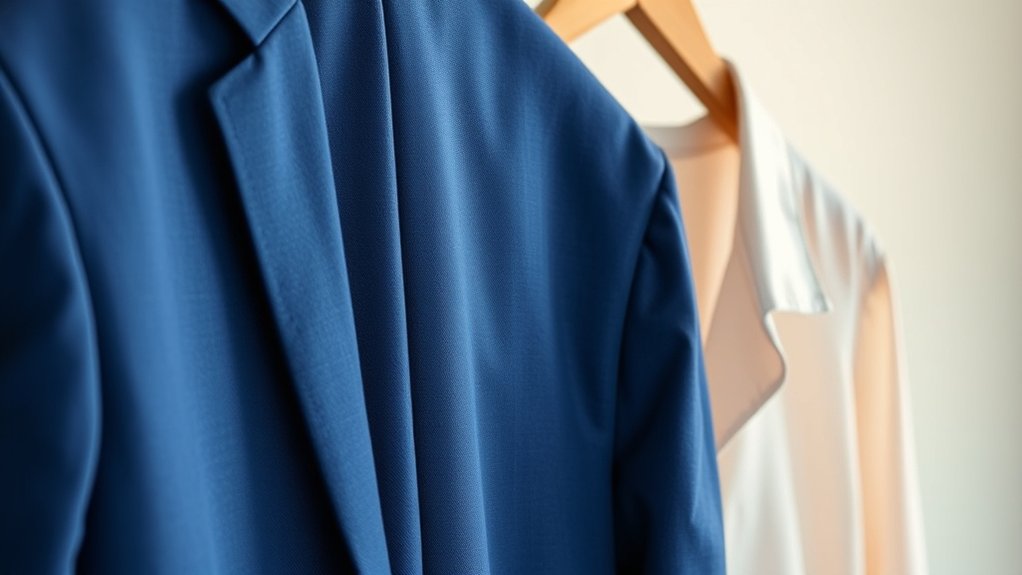
Although traditional washing methods rely on water and agitation, dry cleaning uses specialized organic solvents that target oil-based stains more effectively without exposing fabrics to water. This approach enhances stain removal while preventing stain setting and fabric damage.
You’ll appreciate that dry cleaning avoids the swelling and weakening of fibers water can cause, ensuring garments retain their original shape and texture. By eliminating agitation and moisture, dry cleaning provides superior fabric protection, especially for delicate or structured clothes prone to shrinking, distortion, or fading.
Furthermore, finishing steps like pressing and steaming during dry cleaning restore a smooth, polished appearance. Choosing dry cleaning consequently extends the lifespan of your garments, maintaining their integrity far better than traditional washing methods.
Fabrics That Benefit Most From Dry Cleaning
You’ll find that delicate fabrics like silk and acetate benefit most from dry cleaning because it helps prevent water-induced damage and fading.
When you’re dealing with water-sensitive materials, dry cleaning is the way to go—it keeps their texture and appearance intact without any risk.
Knowing which fabrics need this kind of care makes it easier to keep your garments looking great for longer.
Delicate Fabric Protection
Why should you choose dry cleaning for delicate fabrics like silk, acetate, or velvet? These materials need special care because water-based cleaning can cause distortion, staining, and damage to the fibers.
Dry cleaning uses gentle solvents that help preserve the fiber’s integrity and keep your garments looking great.
Delicate fabrics such as silk are especially vulnerable to water stains and color bleeding, but dry cleaning reduces these risks effectively.
Plus, specialty fabrics with intricate finishes or trims benefit from the controlled, non-agitative process. This helps prevent damage to embellishments and dyes.
When you go for professional dry cleaning, you’re making sure your fibers are preserved and your delicate fabrics last longer. It’s the safest and most reliable way to keep your valuable wardrobe items looking their best.
Water-Sensitive Material Care
How do you protect fabrics that react poorly to water? Water-sensitive fabrics like silk and acetate risk shrinking, warping, or color bleeding when washed with water. That’s why dry cleaning is essential for these materials.
Delicate fibers such as wool and cashmere may felt or lose shape if exposed to moisture. Dry cleaning prevents this effectively.
Items with intricate trims or dyes that are vulnerable to water damage also benefit from this method.
Dry cleaning uses non-polar solvents that don’t swell or weaken these textiles. This helps preserve their structural integrity and appearance.
Many garments labeled “Dry Clean Only” contain water-sensitive materials that need solvents to avoid moisture-related harm.
How Dry Cleaning Solvents Remove Oil and Grease Stains
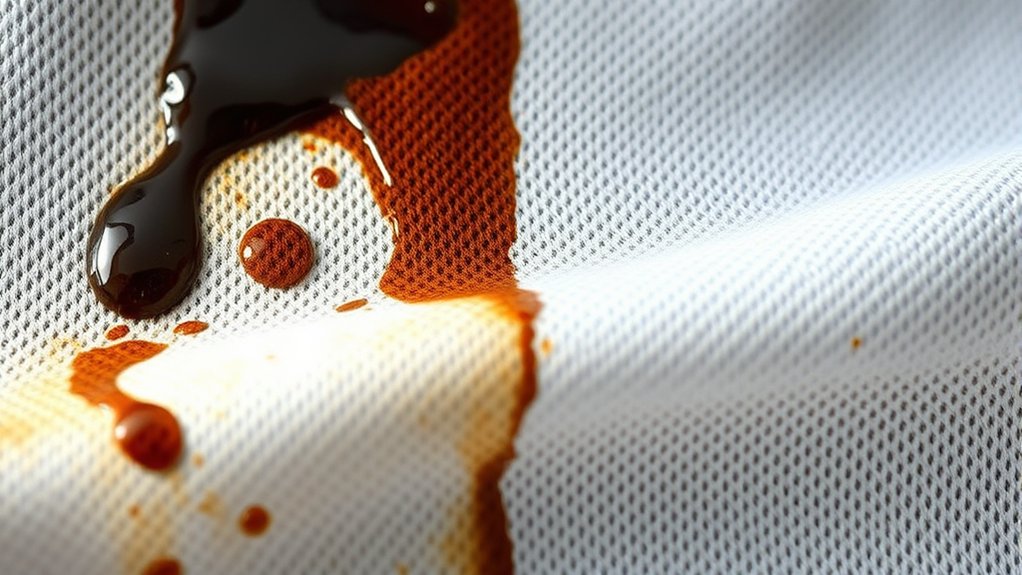
You’ll find that dry cleaning solvents are great at removing oil and grease stains because they’re non-polar. This means they can selectively dissolve those kinds of substances.
When the solvents get to work, they break down the chemical bonds in the stains, allowing them to penetrate the fabric fibers and mess with the oils’ structure. Thanks to this targeted action, stains come out effectively without harming delicate materials.
Solvent Selectivity For Oils
What makes dry cleaning solvents so effective against oil and grease stains lies in their chemical nature. These solvents, like perchloroethylene and hydrocarbons, share nonpolar molecular structures similar to oils. This allows them to selectively dissolve oily soils for efficient stain removal.
This selectivity prevents fabric swelling or damage, unlike water-based cleaning. Their solubility parameters dictate how well they dissolve oils, ensuring effective removal of stubborn grease while preserving fabric integrity.
| Solvent Type | Affinity for Oils | Molecular Structure | Fiber Impact | Stain Removal Efficiency |
|---|---|---|---|---|
| Perchloroethylene | High | Nonpolar | Gentle on fibers | Excellent |
| Hydrocarbon Solvents | High | Nonpolar | Safe for delicate | Very good |
| Water | Low | Polar | Can swell fibers | Poor |
| Detergents | Moderate | Amphiphilic | Moderate | Good |
| Alcohols | Moderate | Polar | Variable | Moderate |
Non-Polar Solvent Action
Because oil and grease stains share a non-polar molecular structure with dry cleaning solvents, these solvents dissolve such soils efficiently. When you use non-polar solvents, they selectively target and emulsify lipid-based soils without affecting water-sensitive fabrics.
This molecular compatibility allows non-polar solvents to remove stubborn oil and grease stains that water-based methods can’t handle. Importantly, these solvents don’t cause swelling or fiber damage, preserving the integrity and appearance of delicate fabrics.
Their high affinity for oils ensures effective stain removal while preventing fabric damage and color bleeding. By relying on non-polar solvents, you maintain fabric quality and achieve superior cleaning results.
That’s why dry cleaning is the preferred method for treating oily residues safely and effectively. It keeps your clothes looking great without the risks that water-based cleaning might bring.
Stain Dissolution Mechanism
Building on the effectiveness of non-polar solvents in targeting oil and grease stains, it’s important to understand how these solvents actually remove such soils at the molecular level. Dry cleaning solvents excel in stain removal by solubilizing oil-based substances that water can’t dissolve.
The key process involves solvents surrounding and separating non-polar oil molecules from fabric fibers without causing damage. They break down hydrophobic hydrocarbons in grease, enabling thorough dissolution.
Repeated solvent exposure ensures complete removal of residual oil-based stains. This step is crucial for getting fabrics truly clean and fresh again.
How Dry Cleaning Maintains Color and Shape
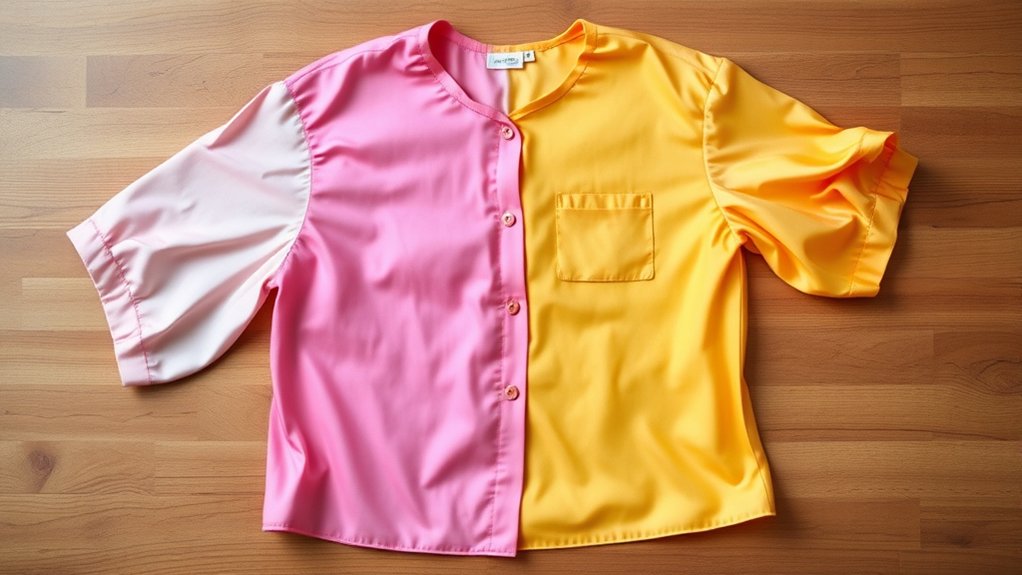
How exactly does dry cleaning preserve the color and shape of your garments? Dry cleaning uses gentle solvents that stop dye from bleeding and prevent your clothes from fading. This helps keep the colors bright and vibrant for longer.
These solvents are non-polar, which means they don’t cause the fibers to swell. That’s important because it helps the fabric keep its structure, so your clothes don’t get distorted or shrink. Plus, dry cleaning carefully controls the temperature and uses minimal agitation. This extra care protects the garment’s shape and fit.
| Aspect | Benefit |
|---|---|
| Gentle Solvents | Prevent dye bleeding and color loss |
| Fabric Structure | Maintains fiber integrity and form |
| Process Control | Minimizes shrinkage and distortion |
How Dry Cleaning Extends Clothes’ Lifespan
Maintaining the color and shape of your garments through dry cleaning naturally contributes to their longevity. Dry cleaning excels in fabric preservation by minimizing mechanical stress and avoiding harsh detergents that cause wear. It also guarantees effective stain removal, preventing damage caused by residual dirt and oils.
Dry cleaning preserves garment color and shape by minimizing stress and eliminating harsh detergents.
These factors collectively enhance garment longevity.
Here are three ways dry cleaning extends your clothes’ lifespan:
- Reduces fiber swelling and shrinking, maintaining original fit and structure.
- Preserves delicate fabrics like silk and wool, which are vulnerable to home washing.
- Removes stubborn stains thoroughly, preventing fabric degradation over time.
Enjoy the Convenience and Perfect Finish of Dry Cleaning
Why settle for the hassle of home laundering when dry cleaning offers a seamless way to keep your garments fresh and impeccably finished? You’ll appreciate the convenience of drop-off and pick-up services tailored to fit your busy schedule, eliminating time-consuming chores.
Professional pressing and steaming techniques guarantee a consistent, wrinkle-free appearance that’s difficult to achieve at home. Skilled technicians use advanced equipment to deliver a superior, polished look every time.
Ensuring your clothes maintain their structure and style, these techniques provide a level of finish that is hard to replicate on your own.
Why Modern Dry Cleaning Is Safer and Greener
While professional dry cleaning offers unmatched convenience and quality, the industry has also made significant strides in safety and environmental responsibility. You’ll find that modern dry cleaning uses environmentally friendly solvents like silicone-based siloxanes and liquid CO₂. These reduce toxicity and environmental impact.
Modern dry cleaning prioritizes safety and sustainability with eco-friendly solvents like silicone-based siloxanes and liquid CO₂.
Advances in equipment now minimize VOC pollutants through vapor recycling and filtration. Regulatory pressures, such as EU bans on persistent substances, drive these improvements. So, the industry is really stepping up its game when it comes to being greener and safer.
Key benefits include:
- Safer alternatives that eliminate neurotoxic and carcinogenic risks.
- Reduced solvent emissions protecting workers and consumers.
- Compliance with stringent environmental regulations ensuring greener practices.
Frequently Asked Questions
How Much Does Dry Cleaning Typically Cost per Garment?
Dry cleaning typically costs you between $2 and $5 for a standard men’s shirt.
If you have a women’s suit or dress, expect to pay around $10 to $20 per garment.
Specialty items, like silk or embellished pieces, generally cost more, about $15 to $30 or higher.
Prices vary depending on fabric, size, and garment complexity.
Many dry cleaners also offer discounts if you bring in multiple items or become a regular customer.
Can Dry Cleaning Remove All Types of Stains Effectively?
Dry cleaning can’t remove all types of stains effectively. You’ll find it excels at dissolving oil-based stains like grease and cosmetics, thanks to specialized solvents.
However, stains such as ink or certain dyes may resist removal or need extra treatment. The outcome really depends on the stain’s nature and the solvent used.
Sometimes, you’ll require pre-treatment or multiple cleaning cycles to fully eliminate stubborn marks.
How Long Does the Dry Cleaning Process Usually Take?
The dry cleaning process usually takes between 30 minutes to an hour to complete.
While the actual cleaning cycle lasts about 8 to 10 minutes, you should factor in time for inspection, pre-treatment, and finishing.
If your garment requires special stain removal or pressing, expect additional time.
Is Dry Cleaning Safe for Allergy Sufferers?
Yes, dry cleaning is safe for allergy sufferers. It effectively removes allergens like pollen, dust mites, and pet dander using specialized solvents and gentle cleaning methods.
By minimizing agitation, dry cleaning reduces the release of airborne irritants. This helps you avoid allergy triggers.
Regularly dry cleaning your clothes can improve your indoor air quality and provide you with a cleaner wardrobe. Ultimately, this can alleviate allergy symptoms and enhance your overall comfort.
What Should I Do if My Garment Is Damaged During Dry Cleaning?
If your garment is damaged during dry cleaning, contact the cleaner right away to report the issue. Ask for an explanation or how they plan to fix it. Be sure to take clear photos of the damage to have as proof.
Next, check the care label on your garment and your receipt to make sure it was handled properly. It’s also a good idea to ask about the dry cleaner’s damage policy and what compensation options they offer.
If the garment can be repaired, talk to a professional about getting it fixed.
If you run into any problems or disagreements, you might want to consider seeking legal advice to protect your rights.
Conclusion
Now that you understand how dry cleaning protects your clothes, maintains their color and shape, and extends their lifespan, why settle for less? You benefit from specialized solvents that remove tough stains without damage. Plus, you get a convenient, perfect finish every time.
Modern dry cleaning methods are safer and more environmentally friendly than ever. Choosing dry cleaning means preserving your wardrobe’s quality and appearance. You’re getting expert care you can trust.