What Chemical Is Oxiclean – What’s Inside
OxiClean’s main cleaning chemical is sodium percarbonate, a powder that releases hydrogen peroxide when you add it to water. The peroxide provides oxygen-based stain-lifting action, while sodium carbonate, or washing soda, boosts alkalinity and softens water to help cleaning.
Some formulas also contain surfactants, enzymes, fragrance, or processing aids, so you shouldn’t assume every product has the same ingredients. Check the label for the exact formula and directions; the product type can also affect where and how you use it safely.
What Chemical Is in OxiClean?
OxiClean’s main active ingredient is sodium percarbonate, a compound that releases hydrogen peroxide when dissolved in water.
You’ll also find sodium carbonate, commonly called washing soda, in many OxiClean formulas. It helps support cleaning and contributes alkalinity.
The exact ingredient list can vary by product, so check the package label for the formula you have.
Some versions include surfactants, which help loosen and lift soils, along with fragrance or other ingredients.
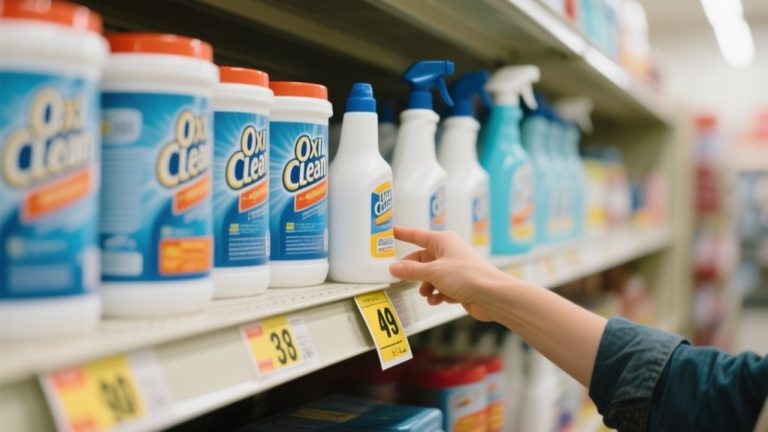
OxiClean isn’t a single chemical; it’s a branded line of cleaners with different formulations for laundry, carpets, and household surfaces.
If you’re choosing a product, match its label to the material and cleaning task.
You can also review directions and warnings before use, since ingredients and suitable applications differ.
Don’t assume every OxiClean product contains the same additives or works on every fabric.
How Sodium Percarbonate Releases Cleaning Power
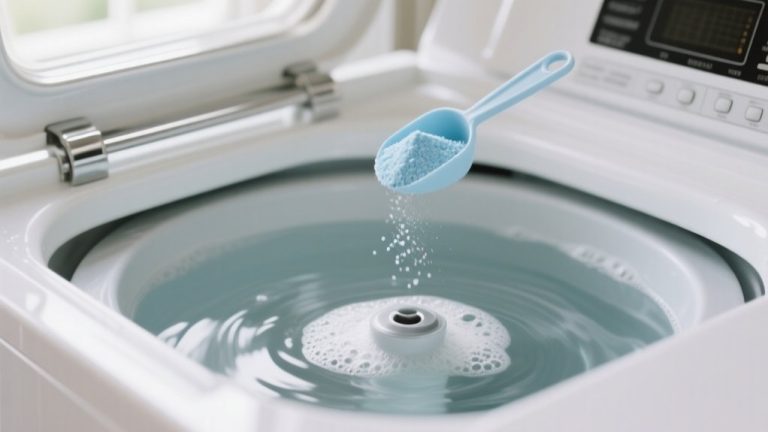
When sodium percarbonate dissolves in water, it separates into sodium carbonate and hydrogen peroxide.
The hydrogen peroxide then breaks down, releasing oxygen that helps lift stains from fabric and other washable surfaces.
Hydrogen peroxide releases oxygen as it breaks down, helping lift stains from washable fabrics and surfaces.
This oxygen-based action can loosen many organic stains, including food, drink, and grass marks, so you can rinse or wash them away more easily. It also helps brighten whites without relying on chlorine bleach.
The reaction works best when you follow the product label’s directions for water temperature, soaking time, and dosage.
Warmer water generally speeds the release of oxygen, while cooler water may slow it.
You’ll get the best results by treating stains promptly and checking fabric care instructions first.
Don’t mix oxygen bleach with other cleaners unless the label says it’s safe, and keep the product away from children.
What Washing Soda and Other Ingredients Do
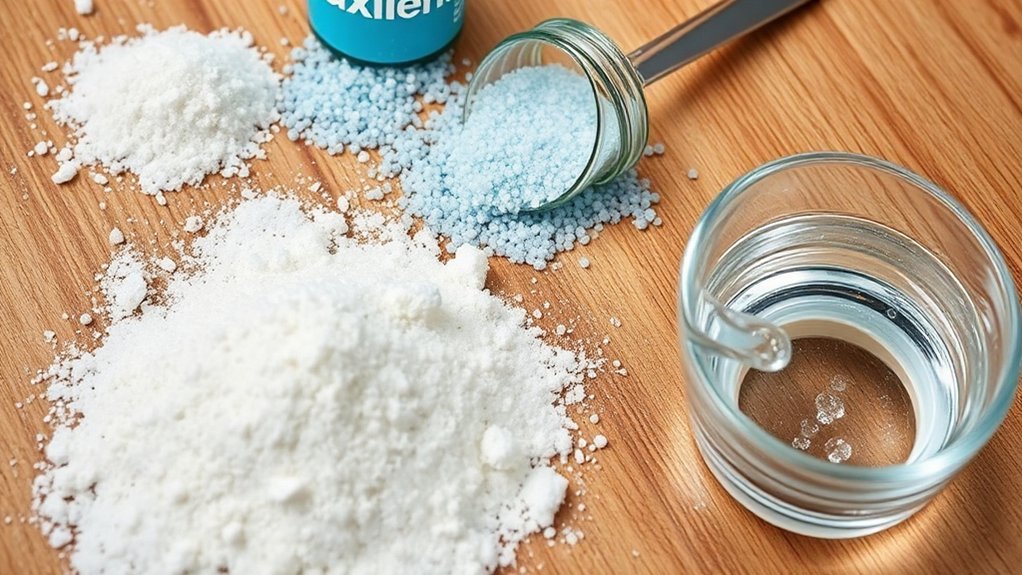
Sodium carbonate, or washing soda, softens water and helps loosen greasy dirt so the oxygen bleach can work more effectively. It raises the wash water’s alkalinity, helping break down oily soils and allowing detergent to clean more efficiently.
You’ll also find surfactants in some OxiClean products. These ingredients help water spread across fabric, lift soil, and keep loosened grime suspended until rinsing carries it away.
Other ingredients can support cleaning or improve how a product handles. Enzymes, when included, target particular stains, such as food or body soils.
Fragrance adds scent, while processing aids help powders dissolve, flow, or stay stable. Some formulas may include ingredients that reduce redeposition, so dirt is less likely to settle back onto clothes.
Together, these components complement sodium percarbonate’s oxygen-based stain removal.
Why OxiClean Products Have Different Formulas
Those supporting ingredients vary by product because each OxiClean formula is designed for a specific task, such as boosting laundry detergent, removing stains, or cleaning surfaces.
A laundry booster may include ingredients that help detergent tackle soil, while a stain remover may focus on lifting specific marks.
A surface cleaner can use a different blend to address grime on household materials. The active oxygen-based ingredient may appear across products, but other components help shape how each formula works and how you use it.
You’ll find differences in product form, concentration, and intended application, too. Check the label to identify the product’s purpose and directions.
Choosing the right formula helps you match its ingredients to your cleaning job, rather than assuming every OxiClean product contains the same supporting ingredients or performs the same role.
Is OxiClean Safe for Clothes and Surfaces?
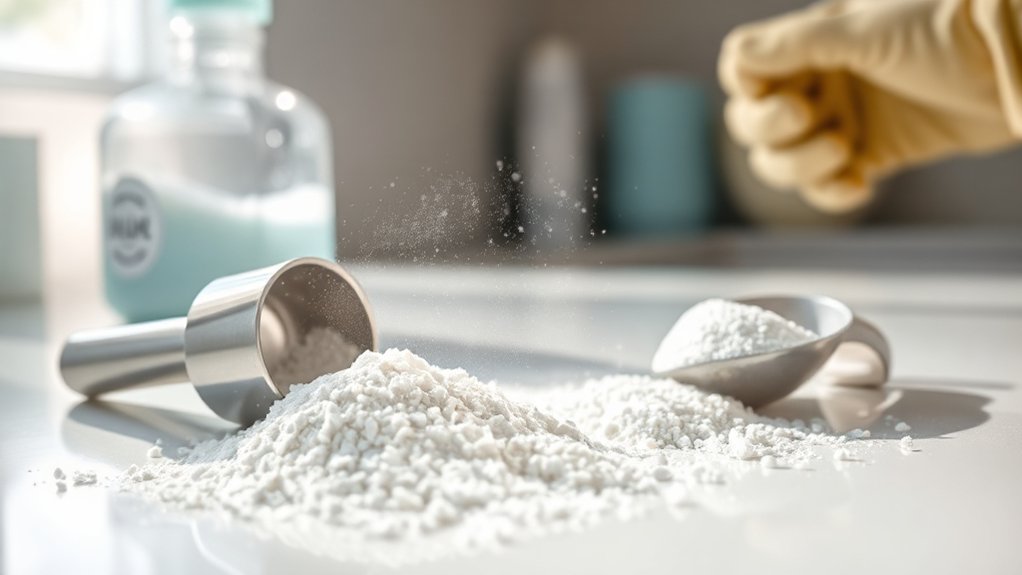
OxiClean can be safe for many washable fabrics and household surfaces when you use the right product as directed, but it isn’t suitable for everything. Check the label, test a hidden spot, and follow dilution and contact-time instructions.
| Item | Guidance | Caution |
|---|---|---|
| Colorfast laundry | Use as directed | Test colors first |
| Wool or silk | Avoid unless labeled safe | Fibers may be damaged |
| Carpet | Check product label | Spot-test discreetly |
| Wood or leather | Don’t assume suitability | Finish may discolor |
| Food-contact surfaces | Rinse thoroughly | Follow label directions |
Keep solutions away from children and pets, and don’t mix OxiClean with chlorine bleach or other cleaners. Wear gloves if you have sensitive skin. If you’re unsure whether a surface or fabric can tolerate the product, choose a gentler cleaner or contact its manufacturer.
Frequently Asked Questions
Who Invented Oxiclean?
You can credit Max Appel, a cleaning-products entrepreneur, with inventing OxiClean. He developed the oxygen-based stain remover and introduced it to consumers in the 1990s through his company, Orange Glo International.
You may also recognize the product from Billy Mays’s energetic television commercials, which helped make it famous.
Appel later sold Orange Glo and OxiClean to Church & Dwight in 2006, but the invention remains associated with him.
Is Oxiclean Tested on Animals?
OxiClean’s current animal-testing policy isn’t clearly disclosed in a public, independently verified statement, so you can’t confidently assume it’s cruelty-free.
The brand is owned by Church & Dwight, which says it doesn’t test its products on animals unless required by law.
However, that policy may not address every ingredient supplier or market.
If avoiding animal testing matters to you, check OxiClean’s latest policy or contact the company directly before buying.
Can Oxiclean Remove Old, Set-In Stains?
Yes, OxiClean can remove some old, set-in stains, but results depend on the stain, fabric, and how long it’s been there.
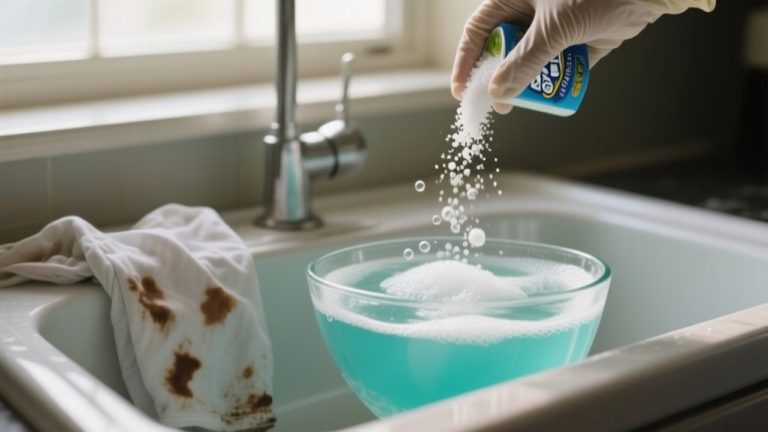
You’ll usually get better results by soaking the item in a solution mixed according to the label, then washing it.
Check the care tag and test a hidden area first.
Don’t use it on wool, silk, or leather, and avoid heat until you’ve confirmed the stain is gone.
How Should Oxiclean Be Stored?
Store OxiClean in its original, tightly closed container in a cool, dry place.
Keep it away from moisture, heat, and direct sunlight, as these can reduce its effectiveness.
Don’t transfer it to food containers, and make sure it’s out of reach of children and pets.
Avoid storing it near incompatible products like acids or chlorine bleach.
If you mix OxiClean with water, use the solution right away.
Don’t seal or store the mixed solution in a closed container.
Does Oxiclean Expire?
Yes, OxiClean can lose effectiveness over time, though it doesn’t usually become unsafe when stored properly.
Sealed, dry powder stays potent longest; moisture can make it clump and weaken its cleaning power.
You’ll generally get the best results by using it within a few years of purchase and checking the package for a date or guidance.
If your powder’s damp, hardened, or no longer dissolves well, replace it.
Keep it tightly closed in a cool, dry place.
Conclusion
OxiClean’s main cleaning chemical is sodium percarbonate, which releases hydrogen peroxide and washing soda in water. That oxygen-based action helps lift many stains, but the exact formula varies by product.
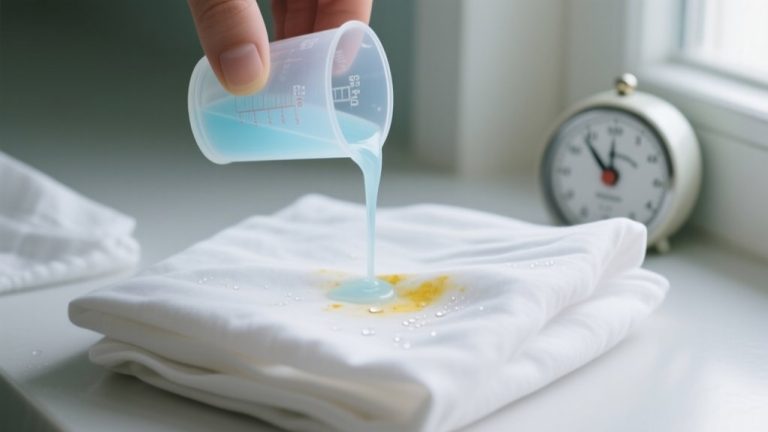
Check the label and care instructions before using it, especially on delicate fabrics or unfamiliar surfaces. For example, if you spill coffee on a washable shirt, you can test OxiClean on a hidden seam first, then follow the package directions.
A small check helps you clean confidently and avoid unwanted damage.