Can You Use Oxiclean On Marble – Do’s & Don’ts
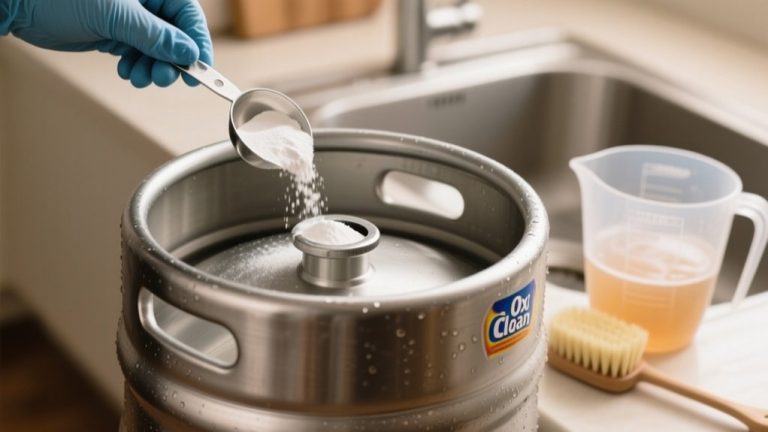
No, you shouldn’t use OxiClean on marble. Its oxygen-based bleaching agents can dull the finish, cause uneven discoloration, or leave a cloudy residue in the stone’s pores.
For routine cleaning, use warm water with a pH-neutral stone cleaner or a little mild dish soap. Wipe gently with a soft microfiber cloth, rinse with clean water, and dry thoroughly.
If OxiClean spills, blot it up promptly without rubbing. The tips below can help you clean marble safely and avoid common mistakes.
Can You Use OxiClean on Marble?
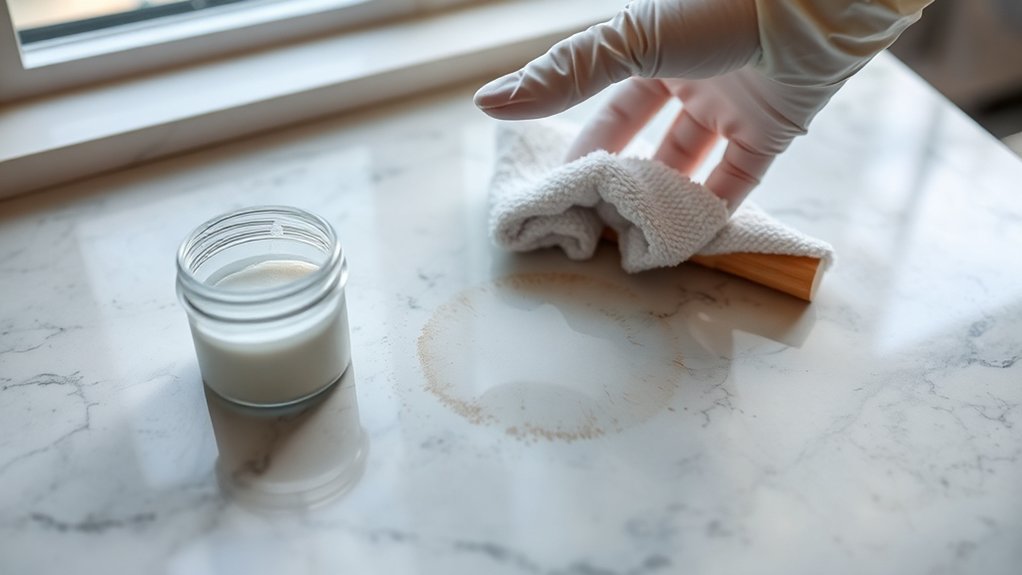
You shouldn’t use OxiClean on marble. Although you may rely on this cleaner for laundry or household stains, it isn’t a suitable choice for marble surfaces.
Marble needs care products made specifically for natural stone, and OxiClean’s label doesn’t recommend using it on marble.
Use products made for natural stone; OxiClean’s label does not recommend it for marble.
Check the product instructions before applying any cleaner, and follow the stone manufacturer’s care guidance. For routine cleaning, use warm water and a soft cloth or a pH-neutral stone cleaner.
If you’re considering OxiClean for a particular stain, choose a marble-safe product instead or ask a stone-care professional for advice.
Test any approved cleaner on a small, inconspicuous spot first, following its directions.
Keep your marble’s finish and care requirements in mind when selecting products, and don’t assume a cleaner labeled for multiple household surfaces is appropriate for every stone.
How OxiClean Can Damage Marble
Since OxiClean isn’t recommended for marble, using it can put the stone’s finish at risk. Its oxygen-based bleaching agents can react with the stone’s surface, especially if you leave the product on too long or use a strong mixture.
You may notice dull patches where the polished sheen has faded, or uneven discoloration that makes the surface look blotchy.
Marble’s calcium carbonate also makes it vulnerable to chemical damage, and abrasive powder or scrubbing can add scratches. Damage may be more visible on polished marble, but honed surfaces can also lose their uniform appearance.
Repeated exposure increases the risk, even when each application seems mild.
You might also find that residue settles into pores, leaving a cloudy film that’s difficult to remove without further affecting the finish.
How to Remove Marble Stains Safely
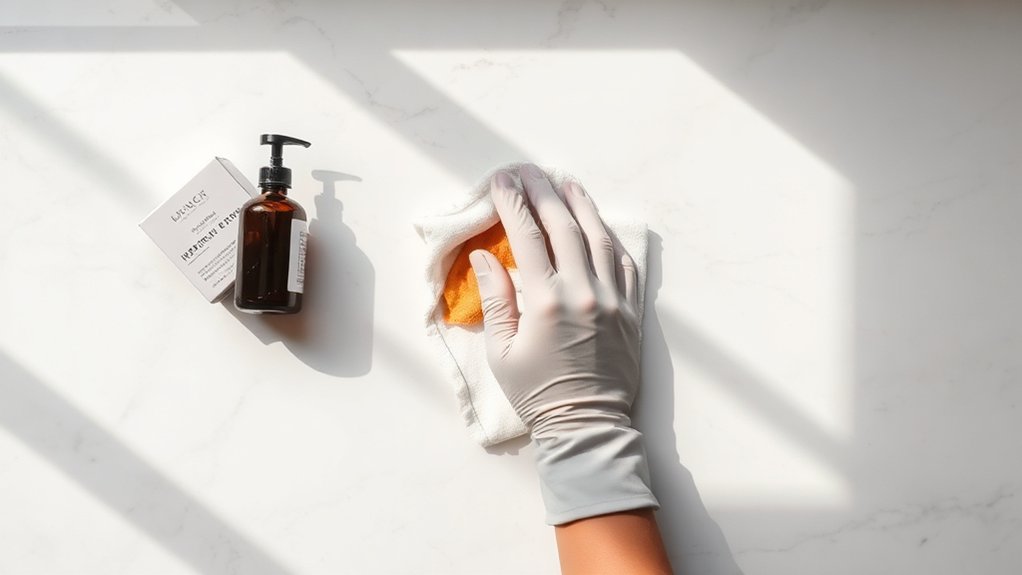
For safe stain removal, start with the gentlest method: blot spills promptly, then clean the marble with warm water and a pH-neutral stone cleaner.
Blot spills promptly, then clean marble gently with warm water and a pH-neutral stone cleaner.
Use a soft microfiber cloth, and rinse away cleaner residue with fresh water. Dry the surface to prevent water spots.
If a stain remains, identify its source before choosing a treatment. For organic marks, such as coffee or food, use a cleaner labeled safe for natural stone.
Follow the product directions, test it first in an inconspicuous area, and avoid scrubbing with abrasive pads. Oil-based stains may need a stone-safe poultice; apply it only as directed and allow it to work for the recommended time.
Never use bleach, vinegar, acidic cleaners, or abrasive powders on marble.
If the stain persists, contact a stone-care professional. Don’t mix cleaning products.
What to Do if OxiClean Spills on Marble
If OxiClean spills on marble, blot it up immediately with a clean, damp cloth. Don’t rub, since that can spread the product or scratch the stone. Work from the spill’s outer edge toward the center, using a fresh section of cloth as you go.
Rinse the area with plain water to remove any remaining residue, then blot it dry with a soft towel.
Check the marble under good light for discoloration, dullness, or a change in texture. If you spot damage, stop handling the area and contact a stone-care professional for advice.
Keep children and pets away while you clean, and avoid letting the spill sit or dry on the surface.
If the product reached a seam or edge, blot there carefully, too, so it doesn’t linger.
Marble-Safe Cleaners and Cleaning Mistakes
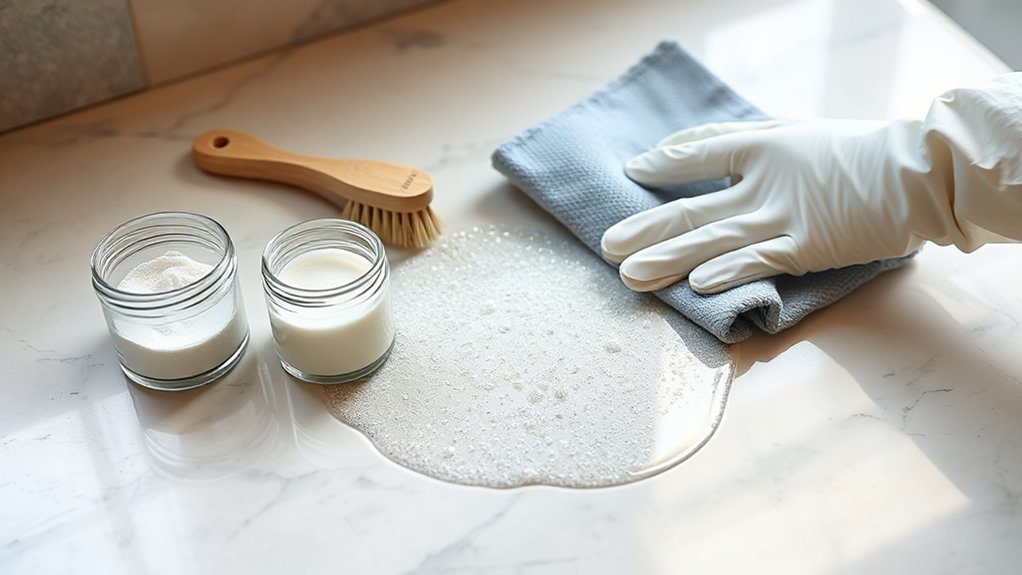
After cleaning up a spill, choose products carefully to protect marble’s finish. Use a pH-neutral stone cleaner or a few drops of mild dish soap in warm water.
Apply it with a soft microfiber cloth, then rinse with clean water and dry the surface to prevent streaks and water spots. Test any new product on a hidden area first, and follow its label.
Avoid OxiClean, bleach, vinegar, lemon juice, ammonia, abrasive powders, and acidic or alkaline cleaners. These can dull marble, etch its surface, or damage its sealant.
Don’t scrub with scouring pads, steel wool, or stiff brushes; they can scratch the stone.
Skip all-purpose cleaners unless the label specifically says they’re safe for natural stone.
If a stain remains, use a marble-approved poultice or contact a stone-care professional.
Frequently Asked Questions
Is Oxiclean Safe for Marble Shower Floors?
No, you shouldn’t use OxiClean on marble shower floors. Its ingredients may damage marble’s polished surface, cause dull spots, or leave discoloration, especially with repeated use.
Instead, clean your floor with warm water and a pH-neutral cleaner specifically labeled safe for natural stone.
Use a soft cloth or nonabrasive sponge, then rinse and dry the surface.
If you’ve already applied OxiClean, rinse thoroughly and check for changes.
Can Oxiclean Discolor Marble Grout?
Yes, OxiClean can discolor marble grout, especially if the grout is colored, sealed, or already worn. Its oxygen-based bleach may lighten pigments or leave uneven patches.
Test a diluted solution in a hidden spot first, and follow the product label carefully.
Keep it off nearby marble, rinse thoroughly with clean water, and dry the area.
For valuable or delicate grout, use a marble-safe cleaner or ask a stone-care professional before treating it.
Does Oxiclean Damage Marble Sealant?
Yes, OxiClean can damage or weaken marble sealant, especially if you use a concentrated solution, leave it on too long, or scrub aggressively.
Its ingredients may also affect the marble itself.
You’re better off avoiding it on sealed marble and choosing a pH-neutral stone cleaner instead.
If you’ve already used OxiClean, rinse the area thoroughly with clean water, dry it, and check whether water still beads on the surface.
Can Oxiclean Be Used on Cultured Marble?
No, you shouldn’t use OxiClean on cultured marble. Its alkaline ingredients and abrasives may dull the glossy gel-coat finish, discolor it, or damage protective coatings.
Instead, clean the surface with warm water, a soft cloth, and a small amount of mild dish soap. Rinse thoroughly and dry with a clean towel.
For stubborn stains, use a cleaner labeled safe for cultured marble, and test it in an inconspicuous spot before applying it broadly.
How Often Should Marble Countertops Be Resealed?
You don’t need to reseal marble countertops every few months. Most need resealing about once a year, though your stone’s porosity and use can change that.
Test yours by placing a few water drops on the surface. If the marble darkens within several minutes, it’s time to reseal. If water beads, you can wait.
Clean and dry the counter first. Then use a sealer labeled safe for marble and follow its directions carefully.
Conclusion
Skip OxiClean on marble. Its alkaline ingredients can dull the finish, etch the surface, or leave stubborn discoloration. Instead, choose a pH-neutral cleaner made for natural stone, and test it in an inconspicuous spot first.
If OxiClean spills, blot it promptly, rinse with clean water, and dry with a soft cloth. Don’t scrub, soak, or reach for acidic remedies.
Protect your marble with gentle products, quick cleanup, and consistent care. These simple steps preserve its smooth, shining surface.