Does Oxiclean Kill Ringworm – What to Know
OxiClean isn’t proven to kill ringworm fungi, so don’t use it on your skin or as a substitute for antifungal medicine. It may help remove stains during laundry, but stain removal doesn’t guarantee disinfection. Its label may not claim antifungal effectiveness either.
If you’ve had exposure, wash clothing, towels, and bedding with detergent using the hottest fabric-safe water, then dry them thoroughly. Clean and disinfect surfaces with an EPA-registered product labeled effective against Trichophyton.
Learn what else can help protect you.
Does OxiClean Kill Ringworm?
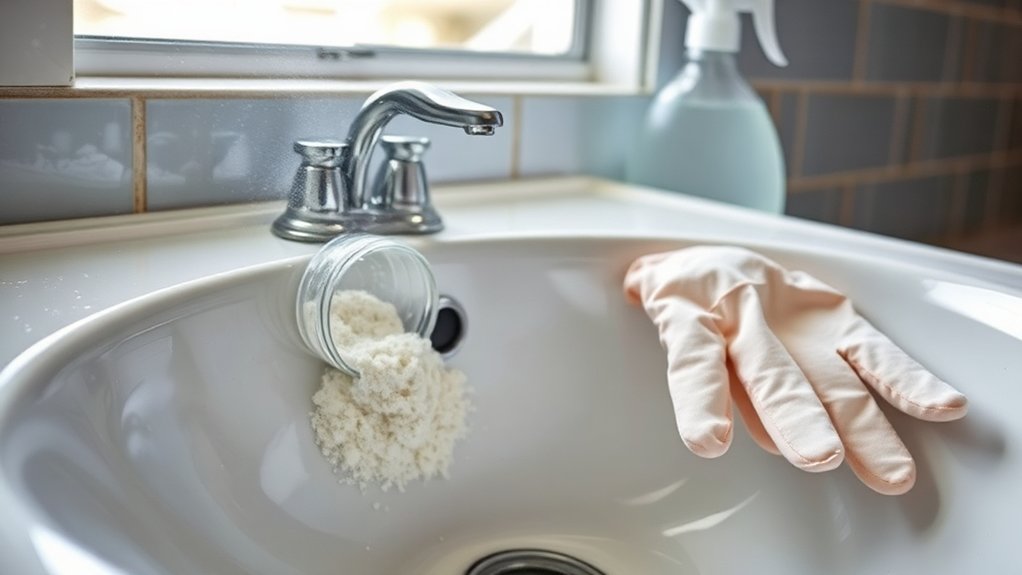
OxiClean may remove stains and odors, but you shouldn’t rely on it to kill ringworm fungi. Ringworm is a contagious fungal infection, and cleaning a surface isn’t the same as treating the infection on your skin.
If you’re dealing with ringworm, use an antifungal medicine recommended by a pharmacist or healthcare professional. Make sure to follow its directions for the full treatment period.
Don’t apply OxiClean to your body; it’s a household cleaner, not a skin treatment. You can use it to clean compatible laundry or household items according to the product label, but don’t treat that as proof they’re disinfected against ringworm.
Wash your hands after handling contaminated clothing or linens, and avoid sharing personal items.
If the rash spreads or doesn’t improve, ask a healthcare professional for guidance.
Why OxiClean May Not Kill Ringworm
Its cleaning action doesn’t necessarily destroy the fungi that cause ringworm. OxiClean’s oxygen-based ingredients can lift stains and odors, but that doesn’t prove they’ll kill fungal spores. You can’t assume a cleaner disinfects just because it makes fabric look fresh.
| Factor | Why it matters |
|---|---|
| Product purpose | Stain removal isn’t the same as disinfection. |
| Label claims | Check whether the product specifically lists antifungal efficacy. |
| Contact time | A brief soak may not provide enough exposure. |
| Fabric conditions | Water temperature and material can affect performance. |
Ringworm fungi can persist on contaminated items, so relying on OxiClean alone may leave you with a false sense of security. Follow the product label, and don’t treat it as a substitute for an EPA-registered disinfectant whose label supports the intended use. If you’re unsure, ask a healthcare professional for guidance.
How to Wash Laundry After Ringworm Exposure
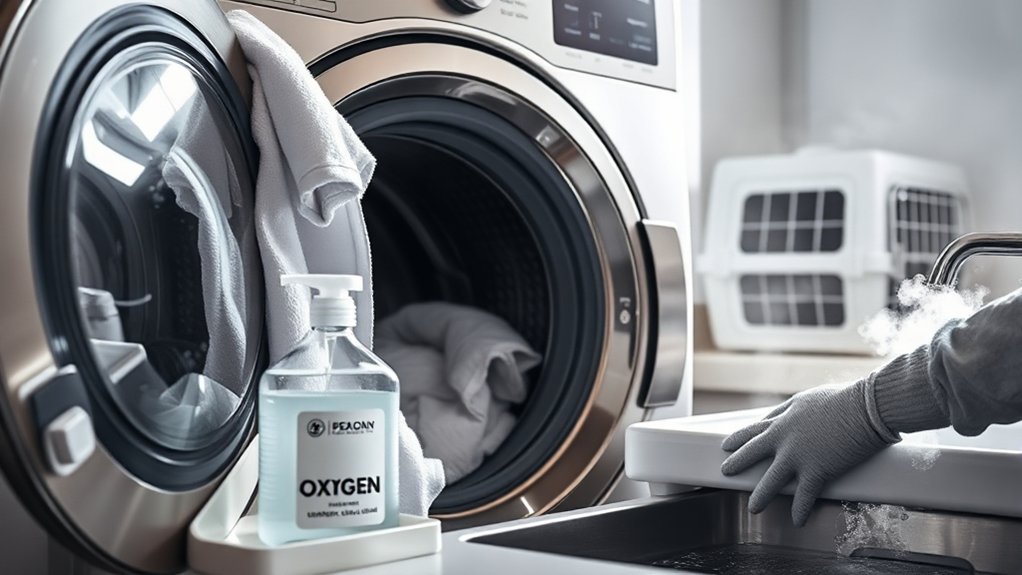
After ringworm exposure, wash clothing, towels, and bedding that may have touched the affected skin.
Handle these items carefully and don’t shake them since loose skin flakes can spread fungal spores. Keep them separate from clean laundry until you’re ready to wash.
Handle exposed laundry gently, avoid shaking it, and keep it separate from clean items until washing.
Use the hottest water the fabric’s care label allows, along with regular laundry detergent.
Don’t rely on OxiClean or another stain remover as a substitute for detergent or a proven antifungal treatment. If items can tolerate it, dry them completely on the highest heat setting permitted by their labels.
Heat and thorough drying help reduce contamination.
Wash exposed laundry promptly and clean your hands after handling it.
If you share laundry facilities, carry items in a washable bag and wash that bag afterward.
Repeat laundering if items remain visibly soiled.
How to Disinfect Surfaces After Ringworm Exposure
If ringworm may have contaminated a surface, clean it before disinfecting. Wear disposable gloves, then remove visible hair, skin flakes, and dirt with detergent and water. Disinfecting works best on a clean surface.
Choose an EPA-registered product labeled effective against Trichophyton, the fungus that causes many ringworm infections. Follow the label’s directions for the surface, including dilution, application method, and contact time. Keep the surface visibly wet for the full contact time. Wiping it dry too soon may reduce effectiveness. Never mix disinfectants and use them with good ventilation.
For hard, nonporous items, use a suitable labeled disinfectant. Vacuum carpets and upholstery, then follow the manufacturer’s cleaning guidance. Don’t assume a spray will disinfect fabric.
Wash your hands after removing gloves, and store products safely away from children and pets.
When to Get Medical Treatment for Ringworm
Most ringworm infections improve with antifungal treatment, but you should see a healthcare professional if the rash is widespread, keeps spreading, or doesn’t improve after about two weeks of over-the-counter treatment.
You may need a prescription or a different diagnosis.
If the rash isn’t improving, a healthcare professional can determine whether you need prescription treatment or a different diagnosis.
Get medical advice sooner if the rash affects your scalp or nails, since these infections often need prescription medicine taken by mouth.
Seek prompt care if you notice severe pain, swelling, warmth, pus, or fever.
Also get help if the rash is near your eyes or covers a large area, or if you see hair loss or a tender, swollen patch on your scalp.
If you have a weakened immune system, contact your clinician early.
Don’t rely on OxiClean or other household cleaners to treat ringworm; they can irritate your skin and won’t replace antifungal medicine.
Keep the area clean and dry while you arrange care.
Frequently Asked Questions
Can People Get Ringworm From Pets?
Yes, you can get ringworm from pets. Despite its name, ringworm is a contagious fungal infection, not a worm. Infected cats and dogs can spread it through direct contact or contaminated fur, bedding, brushes, and other surfaces.
Watch for itchy, circular, scaly patches on your skin.
If you suspect your pet has ringworm, contact a veterinarian and avoid sharing grooming tools.
Wash your hands after handling your pet, and ask a healthcare professional about any rash.
What Does Ringworm Look Like on the Skin?
Ringworm usually looks like a round, red, itchy patch with a raised, scaly edge and clearer skin in the center. You might see one patch or several, and the rash can spread outward, forming a ring.
On darker skin, it may look brown, gray, or purple rather than red.
Ringworm can also affect your scalp, feet, or nails, where it may cause scaling, hair loss, or discoloration.
A clinician can confirm the diagnosis.
How Long Does Ringworm Take to Clear Up?
Ringworm usually clears up within 2–4 weeks when you use an antifungal cream as directed.
You may need longer treatment if the infection affects your scalp or nails. These cases often require prescription medicine.
Keep treating the rash for the full recommended period, even if it looks better sooner.
If it hasn’t improved after two weeks, spreads, or worsens, contact your healthcare provider for advice and confirmation of the diagnosis.
Can Ringworm Spread to Other Parts of the Body?
Yes, ringworm can spread to other parts of your body. Imagine one itchy patch appearing, then a second showing up nearby. Scratching can carry the fungus on your fingers to new areas.
You can also spread it by sharing towels, clothing, or bedding.
Keep the rash clean and dry, avoid scratching, wash your hands, and don’t share personal items.
Use your prescribed antifungal treatment as directed, and contact a clinician if it worsens or doesn’t improve.
Can You Get Ringworm More Than Once?
Yes, you can get ringworm more than once. Your immune system doesn’t reliably protect you from future infections, and you can catch it again from an infected person, pet, or contaminated item.
You may also mistake a persistent or returning rash for a new infection.
To lower your risk, keep skin clean and dry, avoid sharing towels or clothing, and treat infected pets.
If a rash returns, ask a healthcare professional to confirm the cause and recommend treatment.
Conclusion
OxiClean may lift stains, but you shouldn’t count on it to kill ringworm spores. Wash exposed laundry with detergent at the hottest safe setting, and use a disinfectant labeled for the surface and fungus. Follow the product directions, and don’t mix cleaners.
If you or someone in your home develops a spreading, itchy rash or treatment isn’t helping, contact a healthcare professional. Like Odysseus steering through hazards, you’ll get farther with a clear plan: treat the infection, clean shared items, and help prevent reinfection.