How To Clean Walls With Oxiclean – Do It Right
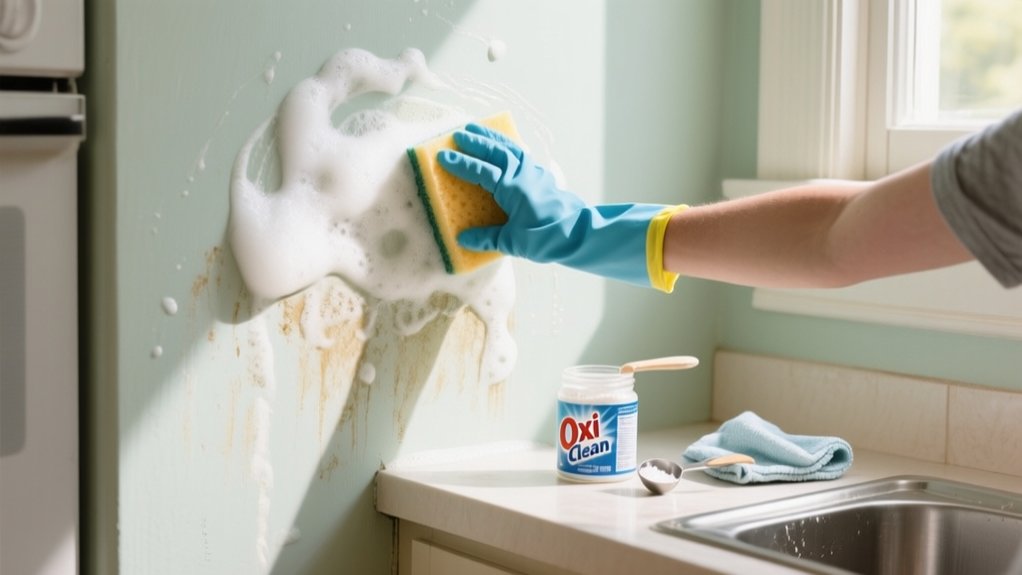
To clean walls with OxiClean, first check that the product suits your paint or finish. Then move furniture and protect nearby surfaces. Mix a mild solution according to the label, and test it in a hidden spot.
If the finish stays unchanged after drying, gently wipe a small area with a barely damp, soft cloth. Rinse with a clean, damp cloth and dry promptly. Avoid scrubbing, soaking, or using it on sensitive surfaces without checking care instructions.
A few more precautions can help you clean confidently.
Check If OxiClean Is Safe for Your Walls
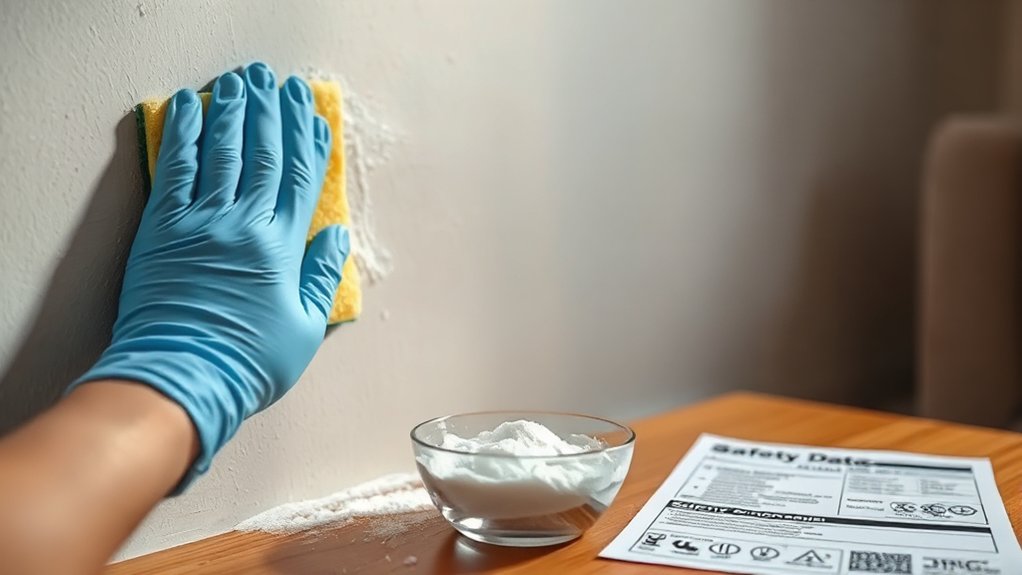
Before you clean, check whether OxiClean is safe for your wall’s paint or finish. OxiClean’s oxygen-based cleaner can affect delicate coatings, so don’t assume it suits every surface. Read the product label and follow its directions; formulas and permitted uses may vary.
Check your wall’s finish and OxiClean’s label first; its oxygen-based cleaner may affect delicate coatings.
Check your paint or finish type, if you know it. Flat and matte paints can be more vulnerable to discoloration or wear than durable, washable finishes. Treat wallpaper, unsealed wood, and specialty coatings as potentially sensitive unless the manufacturer confirms compatibility.
If you’re unsure, contact the paint or wall-covering manufacturer before proceeding.
Test the diluted solution in a hidden spot, following the label’s mixing instructions. Apply it gently, then let the area dry completely. Look for fading, color transfer, softening, or changes in sheen. If you notice any, don’t use OxiClean on that wall.
Gather Supplies and Protect Nearby Surfaces
Once the test spot dries without damage, gather a bucket, clean cloths or a soft sponge, gloves, and a dry towel. Set everything within easy reach so you won’t need to leave the wall unattended.
Before you begin, clear the work area and shield nearby surfaces from drips or accidental contact.
- Move furniture away from the wall, or cover pieces you can’t relocate with a drop cloth.
- Lay towels or a waterproof sheet along the baseboard to catch splashes.
- Cover outlets and switches with painter’s tape, keeping moisture away from electrical fixtures.
- Protect floors, trim, and nearby decor, and remove wall hangings that could get wet.
Put on gloves before handling your cleaning supplies. Keep a dry towel handy to blot any spills promptly, and make sure the area stays uncluttered.
Mix a Mild OxiClean Solution
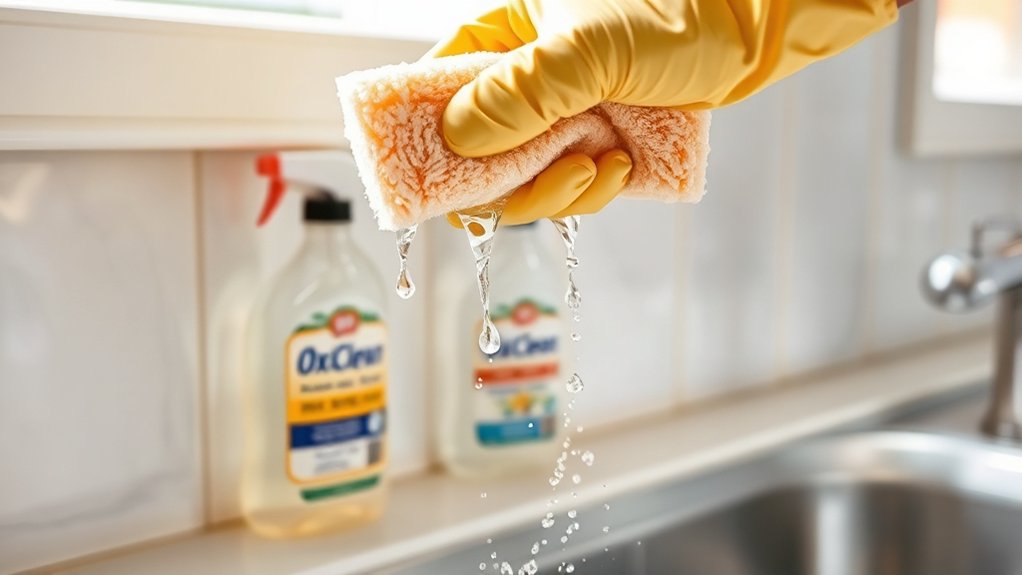
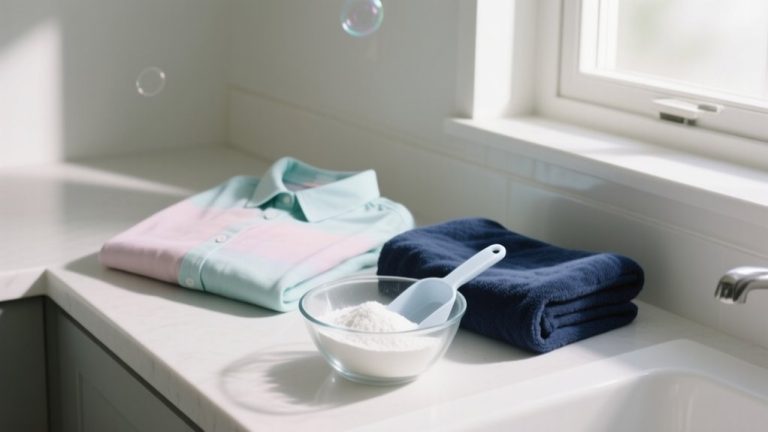
Start by measuring a small amount of OxiClean, just like the package says.
Then, go ahead and dilute it in some warm water, stirring it around until it dissolves completely.
It’s best to mix only what you’ll need for the walls you’re planning to clean.
Measure the OxiClean
Mix a mild OxiClean solution by following the product label’s directions, since formulas and recommended amounts can vary. Before you measure, check that the package lists the product as suitable for your intended cleaning task. Don’t assume every OxiClean formula uses the same scoop size or concentration.
- Read the full label, including any directions for household cleaning.
- Find the stated amount for the volume of solution you plan to prepare.
- Use the scoop or measuring tool specified on the package; don’t estimate by eye.
- Measure only the amount the directions call for, and keep the scoop dry unless the label says otherwise.
If the package doesn’t give wall-cleaning directions, choose a conservative amount only when the label permits that use.
Never combine OxiClean with other cleaners, and keep it away from children and pets.
Dilute With Warm Water
With the amount measured, add the OxiClean to warm water, following the package’s directions for the correct water volume and temperature. Stir until the powder dissolves, and check the container’s instructions for any specific mixing guidance.
Warm water helps activate the cleaner, but don’t use hot water unless the label allows it. A mild solution is important for painted walls because a strong mixture may dull the finish or leave residue.
Wear gloves while mixing, and avoid breathing in the powder or splashing the solution. Keep the mixture away from children and pets, and don’t combine OxiClean with bleach, ammonia, or other cleaners.
If you’re unsure how your wall will react, test the solution on a small, hidden area first. Let the spot dry, then check for discoloration or damage before continuing.
Mix Only What You Need
Once the powder has dissolved, prepare only enough mild solution to clean the wall you plan to tackle. Mixing a small batch helps you avoid waste and keeps the cleaner fresh. Follow the product label for the correct dilution; don’t guess or add extra powder.
Use this simple checklist:
- Estimate the area you’ll clean, such as one wall or a small section.
- Measure warm water into a clean bucket, using the label’s directions.
- Add the recommended amount of OxiClean and stir until fully dissolved.
- Keep the mixture mild, and make a fresh batch if you need more.
Don’t store leftover solution for another day. Pour it away safely according to the label, then rinse your bucket.
Test the mixture on an inconspicuous spot before cleaning the full wall.
Test OxiClean on a Hidden Spot
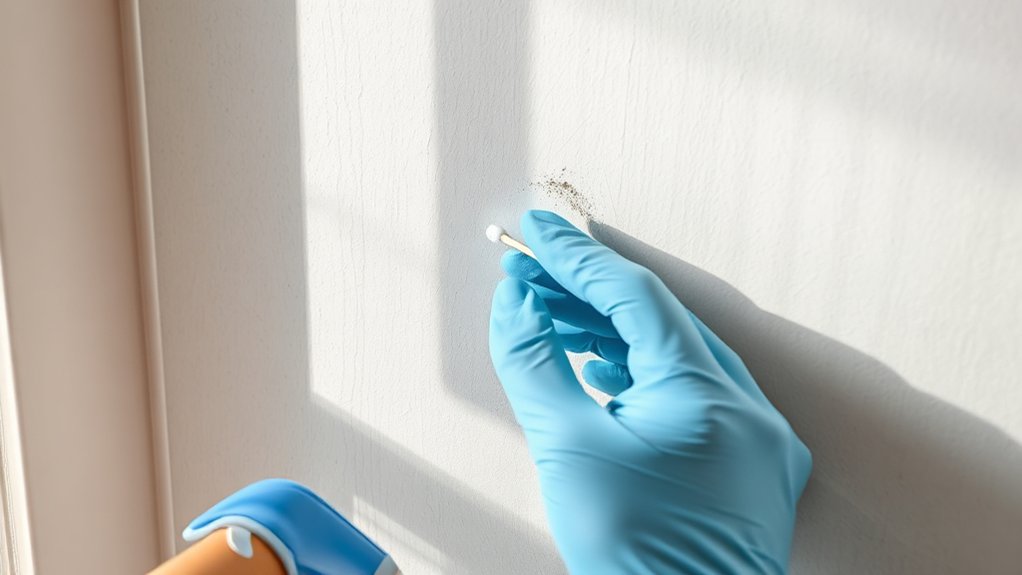
Before cleaning the whole wall, test the OxiClean solution on a small, hidden spot to make sure it won’t discolor or damage the finish. Choose an area behind furniture, near a doorway, or along a baseboard where any change won’t stand out.
Check the manufacturer’s care instructions first, especially if your wall has delicate paint, wallpaper, or a specialty finish.
Apply a little solution to a clean, soft cloth, then dab the test area without scrubbing. Let the spot air-dry completely; a damp surface can hide color changes or dullness.
Inspect it in good light for fading, streaks, peeling, or a change in texture. If you notice any damage, stop and don’t use the solution on that surface.
If the finish looks unchanged, you can proceed cautiously.
Clean Walls Gently With OxiClean
First, test OxiClean on a hidden spot to make sure it won’t damage the wall.
Once you’re good to go, dampen a soft cloth with the solution.
Then, gently wipe the wall—no need to scrub hard.
Be sure to rinse the cloth often so you don’t end up spreading dirt around.
Test A Hidden Spot
Test OxiClean on a hidden area first to check for fading, discoloration, or damage. Choose a spot behind furniture, near a baseboard, or inside a closet where any change won’t stand out.
Prepare the cleaning solution according to the product label, using the same concentration you plan to use on the wall. Don’t assume paint or wallpaper will react the same way as another surface.
- Apply a small amount of solution to the test spot.
- Wait several minutes, following the label’s directions.
- Check for color transfer, fading, stains, or changes in the finish.
- Let the area dry completely, then inspect it again in good light.
If you notice damage or discoloration, stop and don’t use OxiClean on that surface. Consider a milder cleaner instead.
Use A Soft Cloth
Once the test spot is dry and looks unchanged, clean the wall with a soft, clean cloth. Dip the cloth into your prepared OxiClean solution, then wring it out until it’s damp, not dripping. Excess liquid can leave streaks or seep into seams, so keep the cloth lightly moistened.
Wipe a small section using gentle, circular strokes. Don’t scrub hard; pressure can damage paint or leave shiny patches. Rinse the cloth often in clean water to lift away dirt instead of spreading it. If a mark remains, apply the solution again and wipe gently.
After cleaning, go over the area with a separate cloth dampened with plain water to remove residue. Dry the wall with a clean towel, and let it air-dry fully.
Work from top to bottom to catch any drips as you go.
Rinse Off OxiClean Residue and Dry the Wall
Rinse the wall with a clean, damp cloth to remove any OxiClean residue, working from top to bottom. Use fresh water, and wring the cloth well so you don’t leave the wall overly wet. Rinse the cloth often; otherwise, you may spread cleaner back across the surface.
- Start at the upper edge of the cleaned area and wipe in even strokes.
- Rinse your cloth under clean water whenever it looks sudsy or dirty.
- Make a final pass with a fresh, damp cloth to pick up lingering residue.
- Blot excess moisture with a dry, soft towel, then let the wall air-dry.
Keep the room ventilated while the wall dries. Don’t scrub during rinsing since firm pressure can damage the paint.
Check that the surface feels dry before moving furniture back.
Handle Stains and Delicate Wall Finishes
For stubborn stains or delicate finishes, use a gentler approach to avoid damaging the wall. First, check the paint or wallpaper manufacturer’s care instructions, and test your OxiClean solution in an inconspicuous spot.
Mix a weaker solution than you’d use on washable surfaces, and apply it with a soft, barely damp cloth.
For a stain, blot gently from the outside toward the center; don’t scrub, since friction can spread the mark or lift the finish. Work in short passes, and use a fresh section of cloth as residue transfers.
For grease or crayon, repeat the gentle treatment rather than increasing the cleaner’s strength. If the stain persists, stop and choose a cleaning method suited to that specific finish.
Avoid soaking wallpaper, unsealed plaster, or other porous surfaces, which can absorb moisture and become damaged.
Prevent Paint Damage and Cleaning Marks
To prevent paint damage and cleaning marks, work in small sections and keep your cloth barely damp. Test your diluted OxiClean solution on a hidden spot first, then let it dry to check for fading or changes in sheen.
Follow these steps as you clean:
- Dust the wall before washing so grit won’t scratch the paint.
- Dip a soft cloth in the solution and wring it out thoroughly; don’t spray the wall directly.
- Wipe gently from bottom to top, using light pressure and overlapping strokes. Rinse each section with a separate cloth dampened with clean water.
- Dry the area promptly with a clean towel, and avoid scrubbing, abrasive pads, or letting solution sit.
If paint transfers to your cloth or the finish looks dull, stop and use plain water instead.
Frequently Asked Questions
Can Oxiclean Remove Crayon Marks From Walls?
Yes, OxiClean may remove crayon marks from walls, but test it first in a hidden spot.
Mix the product according to its label, dampen a soft cloth, and gently dab the mark. Don’t scrub hard, since you could damage paint or leave a dull patch.
Wipe the area with clean water and dry it.
For delicate or flat paint, try mild dish soap first, and follow the wall’s care instructions.
Is Oxiclean Safe to Use Around Pets and Children?
OxiClean can be used around pets and children only when you follow the label and keep them away during use.
Treat the solution like a small red flag: its powder and diluted cleaner can irritate skin, eyes, or airways if swallowed, touched, or inhaled.
Mix it in a ventilated area, wear gloves, and store the product securely.
Let cleaned surfaces dry completely before children or pets return, and rinse surfaces if the label directs.
Can I Use Oxiclean on Wallpaper?
You can use OxiClean on some washable wallpaper, but don’t assume every surface can handle it. Check the wallpaper maker’s care instructions first, and test a diluted solution on a hidden spot.
Apply it with a barely damp cloth; don’t soak, scrub, or let moisture seep into seams.
Avoid OxiClean on uncoated paper, delicate, or vintage wallpaper since it may cause fading, stains, lifting, or damage.
Rinse gently and dry promptly.
How Often Should I Clean Walls With Oxiclean?
You don’t need to make wall cleaning a monthly ritual; use OxiClean only when your walls look dirty or have stains. Often, this means every few months in busy areas and less often elsewhere.
Think of routine dusting as a gentle rain that keeps grime from building up.
Before using OxiClean, check your wall’s finish, test a hidden spot, and follow the product label.
Avoid it on wallpaper unless its manufacturer says it’s safe.
Can Oxiclean Remove Smoke Odors From Walls?
Yes, OxiClean may help remove light smoke odors from washable walls, but it won’t reliably eliminate deep, persistent smells.
First, check your wall’s finish and test a diluted solution in an inconspicuous spot.
Follow the product label, wipe gently, then rinse with clean water and dry thoroughly.
Don’t mix OxiClean with other cleaners.
For heavy smoke residue or lingering odor, you may need a specialized cleaner, stain-blocking primer, or professional help.
Conclusion
With the right precautions, you can use OxiClean to lift wall grime without turning a quick cleanup into a paint problem. Check that your finish can handle it, mix a mild solution, test a hidden spot, and clean gently.
Rinse away residue and dry the surface to prevent streaks. For delicate finishes or stubborn stains, choose a gentler method.
Treat your walls like a fresh canvas. A little care now helps keep them looking bright and beautiful for longer.