What Is Oxiclean Detergent – Meaning & More
OxiClean detergent combines laundry-cleaning agents with oxygen-based stain fighters to help lift everyday dirt, food, grass, and sweat from washable fabrics. Unlike an OxiClean booster, which you add to your usual detergent, it’s designed to clean a full load on its own.
Depending on the product, its formula may include sodium percarbonate, surfactants, and enzymes. Follow the label and garment care instructions for best results. You’ll also find out how to use it safely and what fabrics to check.
What Is OxiClean Detergent?
OxiClean detergent is a laundry product that combines cleaning agents with oxygen-based stain fighters to help lift dirt and stains from washable fabrics. You add it to your wash to clean everyday loads and tackle marks from food, grass, or sweat.
Its oxygen-based ingredients help loosen stains so your detergent can carry away soil during the wash. Follow the package directions to choose the right amount for your load and machine.
Oxygen-based ingredients loosen stains, helping detergent carry away soil when you follow package directions for your load and machine.
You can use the product on many washable items, but check each garment’s care label before washing. For delicate fabrics or uncertain materials, test a small, hidden area first.
Don’t mix laundry products unless their labels say it’s safe.
OxiClean detergent gives you another option for routine laundry care, whether you’re washing lightly soiled clothes or dealing with visible stains.
How Is OxiClean Detergent Different?
To understand how OxiClean detergent stands out, just take a look at its formula and ingredients compared to regular laundry detergent.
It’s pretty interesting to see what makes it unique.
Also, keep in mind that detergent is what actually cleans your clothes, while a booster is there to give your wash an extra kick.
Knowing these differences can really help you pick the right product for your laundry needs.
Formula And Ingredients
Unlike conventional detergents, OxiClean detergent pairs cleaning agents with oxygen-based stain fighters, such as sodium percarbonate, which releases hydrogen peroxide in water. This oxygen helps loosen many food, drink, and everyday stains from washable fabrics.
You’ll also find surfactants in the formula; they lift oily soil and help suspend dirt so it can rinse away. Depending on the specific product, the ingredients may include enzymes that target certain stains, water softeners, fragrance, and stabilizers.
Formulas vary, so check your bottle’s ingredient list for exact details and any scent or sensitivity concerns. Use the detergent according to its label, and follow garment care instructions to protect colors and fabric.
The combination of surfactants and oxygen-based ingredients gives you cleaning and stain-fighting action in one detergent formula.
Detergent Versus Booster
Although both can help tackle stains, OxiClean detergent cleans a full load of laundry, while an OxiClean booster adds extra cleaning power to detergent you’re already using.
Choose detergent when you need a product that washes clothes on its own. It contains cleaning agents designed to lift everyday soil and odors during a regular wash.
A booster serves a different purpose. You add it alongside your usual detergent when laundry needs extra stain-fighting help. It isn’t a replacement for detergent, so you’ll still need your regular wash product.
Boosters can be useful for stubborn stains, dingy fabrics, or especially dirty loads.
Follow the package directions for the amount and water temperature, and check garment care labels before treating delicate items.
In short, detergent does the main cleaning, and a booster gives your wash an extra assist.
How Does OxiClean Work in Laundry?
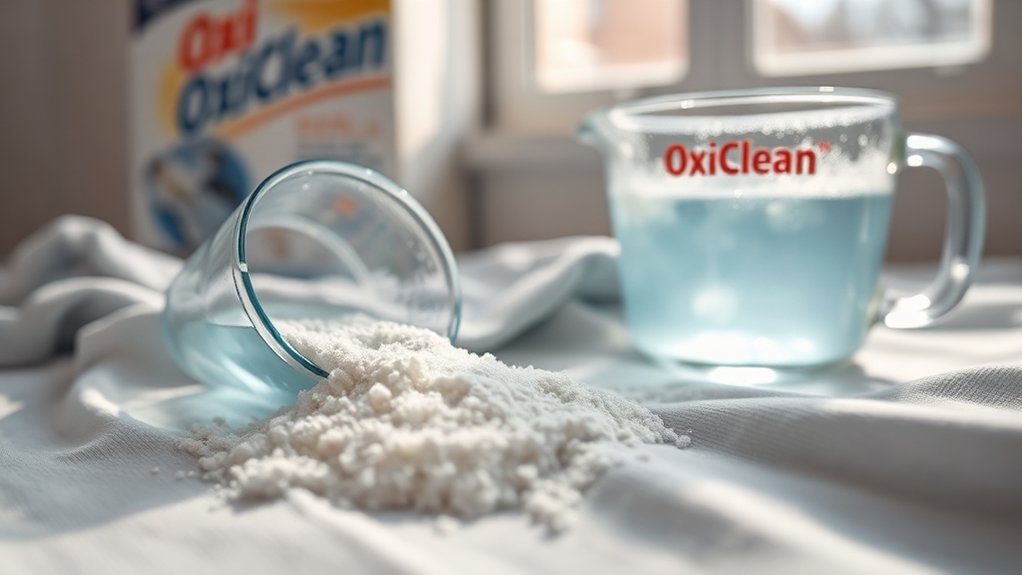
OxiClean works by using oxygen-based cleaning to break down stains in your laundry.
Basically, it lifts grime from the fabric fibers, making it easier for your wash to rinse it all away.
Just be sure to follow the label’s directions so you can use it safely with your laundry.
Oxygen-Based Cleaning
When you add OxiClean to laundry, its oxygen-based ingredients help lift stains from fabric. The product typically contains sodium percarbonate, which releases hydrogen peroxide when it dissolves in water. This process supplies active oxygen without relying on chlorine bleach.
You can use it alongside your regular detergent, following the package directions for the amount and water temperature. As it mixes, oxygen-based compounds disperse through the wash water and support cleaning throughout the load.
OxiClean is designed for many washable fabrics, but you should check garment care labels and test an inconspicuous area when you’re unsure about colorfastness.
Don’t use it on wool, silk, leather, or fabrics labeled for dry cleaning.
Keep the powder dry, store it securely, and avoid mixing it with other cleaning products.
Stain-Lifting Action
Stain removal involves two complementary actions: oxygen helps loosen many stains, while surfactants in the detergent surround oily residue so wash water can carry it away.
In the wash, oxygen-based ingredients release oxygen that can help break apart color compounds and weaken the bonds holding some stains to fabric. This action can make marks easier to lift, though results depend on the stain, fabric, and wash conditions.
Meanwhile, surfactants reduce water’s surface tension and attach to oily soil. Their molecules help disperse that residue through the wash so it doesn’t settle back onto clothes.
Together, these processes let detergent and water carry loosened soil away during rinsing.
You’ll get the best results when you follow the product label and garment care instructions, since different fabrics and stains respond differently.
Safe Laundry Use
To use OxiClean safely, follow the product label and check each garment’s care instructions before adding it to a wash. Choose the right method for your load, and don’t mix the product with chlorine bleach or other cleaners. Test colorfastness on a hidden area first, especially for bright or delicate fabrics.
| Laundry need | What you do | Safety check |
|---|---|---|
| Regular wash | Add as directed | Measure carefully |
| Tough stains | Soak as directed | Check fabric compatibility |
| Colors | Test first | Watch for color changes |
| Delicates | Follow garment label | Skip if care instructions advise |
Use warm or hot water only when the garment allows it. Dissolve powder fully, keep it away from eyes, and store it securely out of children’s reach. If irritation occurs, rinse skin with water and follow the package’s first-aid guidance.
What Ingredients Help OxiClean Clean?
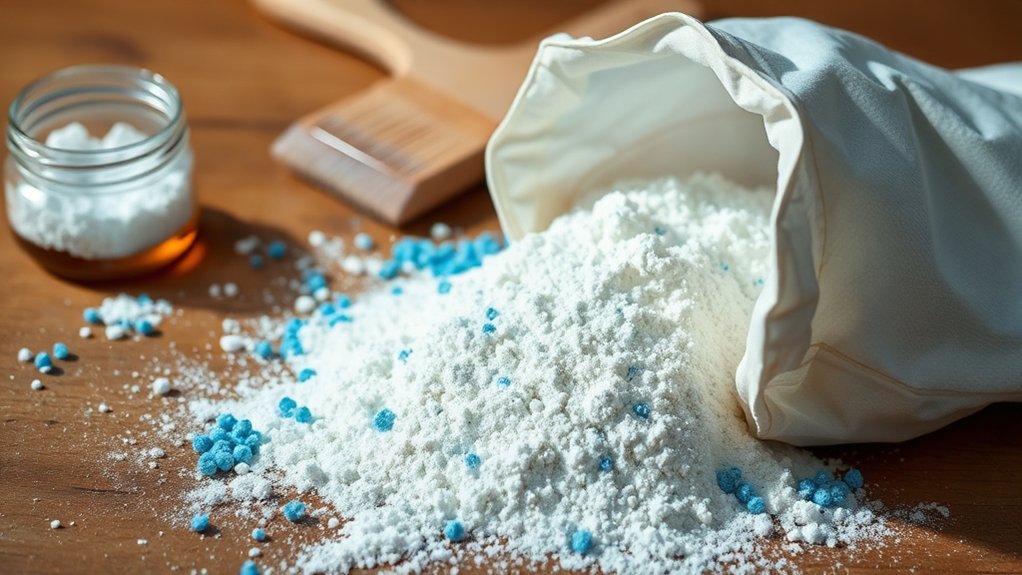
OxiClean relies on oxygen-based cleaning agents, especially sodium percarbonate, which releases hydrogen peroxide in water to help lift stains and brighten fabrics.
Once dissolved, this oxygen-based action helps loosen grime so your wash water can carry it away. Other ingredients support the process, though formulas vary by product. Check your package label for its exact ingredient list.
- Sodium carbonate: This washing soda helps soften water and supports cleaning by helping detergent work effectively.
- Surfactants: These compounds help water spread across surfaces and lift oily soil, keeping loosened particles suspended during washing.
- Enzymes: Some formulas include enzymes that break down certain organic residues, adding targeted cleaning power.
Together, these ingredients help OxiClean work as a laundry additive or cleaner, depending on the product.
Just be sure to follow the label’s directions to use the formula as intended.
What Stains and Fabrics Can OxiClean Handle?
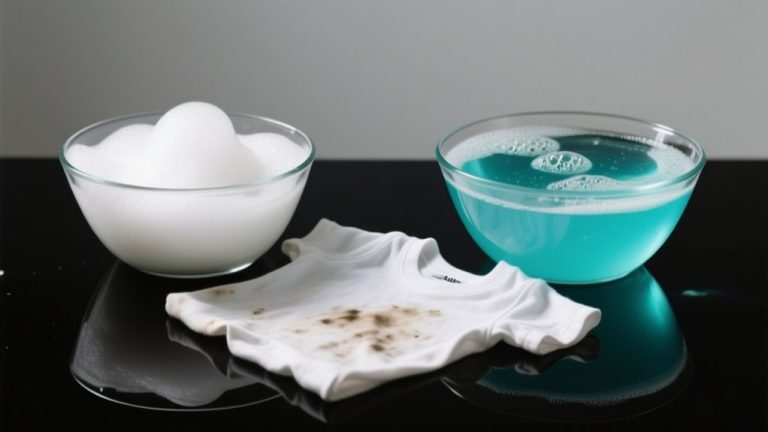
Which stains can OxiClean tackle? You can use this oxygen-based cleaner to help lift many organic stains, including coffee, tea, wine, juice, grass, mud, and food spills.
It can also target sweat, body oils, and some blood stains, though results vary with stain age and fabric.
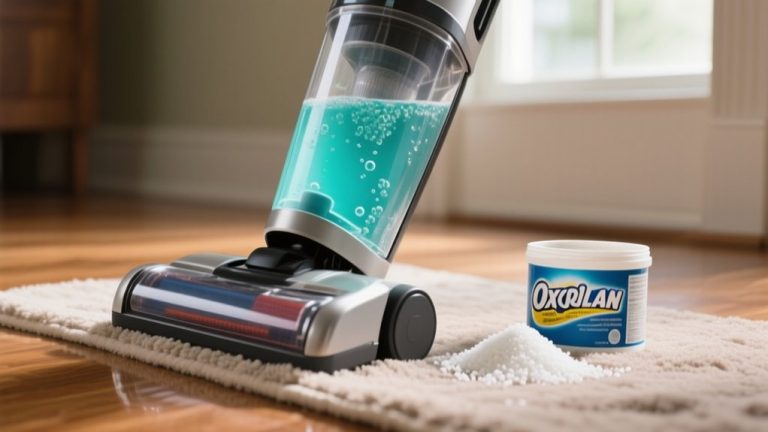
OxiClean works on many washable colorfast fabrics, such as cotton, polyester, and blends. You may also find versions suited to carpets, upholstery, or other surfaces, but check each product’s label because formulas differ.
Don’t assume every fabric is safe: wool, silk, leather, and fabrics marked for dry cleaning may be damaged. Brightly colored or delicate items can also react unpredictably.
Check the care label and test an inconspicuous area to confirm the material tolerates the product before treating a visible spot.
How Do You Use OxiClean Detergent?
Once you’ve confirmed the fabric is safe, use OxiClean detergent according to the product label. Check the package for the correct amount and directions for your washing machine. Add the detergent to the designated dispenser or drum, following the instructions for your machine.
Then load your laundry and choose a suitable cycle.
For best results, keep these steps in mind:
- Measure carefully: Use the recommended dose for your load size and soil level. Don’t assume more detergent will clean better.
- Treat tough stains: If the label allows, dissolve the specified amount in water and soak items as directed before washing.
- Finish promptly: Run the wash cycle, then remove items and dry them according to their care labels.
Always follow the product’s directions for soaking, dosing, and machine use. Don’t mix cleaning products unless the label explicitly says to.
Is OxiClean Safe for Colors and Sensitive Skin?
Whether OxiClean is safe for colors or sensitive skin depends on the specific product and how you use it. Many OxiClean products are color-safe when used as directed, but formulas can differ. Check the label for color compatibility, and test a small, hidden area of a garment if you’re unsure.
Avoid assuming a product is suitable for every fabric, especially delicate materials or items with unstable dyes.
For sensitive skin, OxiClean’s ingredients may cause irritation in some people, and residue left on clothing can be uncomfortable. Rinse or wash treated garments thoroughly, and consider an extra rinse if your skin reacts easily.
You can also choose a fragrance-free option when available. If you have a known sensitivity, review the ingredient information and consult a healthcare professional about potential triggers.
Stop using the product if irritation develops.
What Precautions Should You Take With OxiClean?
To use OxiClean safely, follow the directions on the specific product label and take basic precautions: avoid contact with your eyes, don’t swallow it, and keep it away from children and pets.
Handle the product carefully, especially when mixing powder or pouring liquid.
Wear gloves if you have sensitive skin, and wash your hands after use. If the product gets in your eyes or on your skin, rinse thoroughly with water and follow the label’s first-aid instructions.
Never mix OxiClean with chlorine bleach or other household cleaners. Combining products can create hazardous reactions.
Store it in its original, closed container in a cool, dry place, away from food and out of children’s reach.
Use only the amount and temperature recommended for your laundry or cleaning task. Don’t reuse an empty container.
Frequently Asked Questions
Where Can You Buy Oxiclean Detergent?
You can buy OxiClean detergent at major retailers, including Walmart, Target, and many grocery and drugstores.
You’ll also find it through online shops such as Amazon and retailers’ websites, where you can compare prices, sizes, and delivery options.
Check the laundry aisle in stores, since product selection varies by location.
If you’re looking for a specific OxiClean formula, search the retailer’s site or contact your local store before you go.
How Should You Store Oxiclean Detergent?
Store OxiClean detergent in its original, tightly sealed container in a cool, dry place.
Keep it away from direct sunlight, heat, and moisture, as these can affect the product.
Choose a secure spot that children and pets can’t reach, and don’t transfer the detergent into food or drink containers.
Always follow the storage directions on your specific package since formulas may differ.
If the product gets wet or contaminated, check its label before using it.
Does Oxiclean Detergent Expire?
Yes, OxiClean detergent can lose effectiveness over time, though it may not become unsafe just because it’s old.
Check the package for an expiration or best-by date since formulas and packaging vary.
If you can’t find one, follow the manufacturer’s guidance.
Keep your detergent tightly closed in a cool, dry place because moisture and heat can cause clumping or reduce performance.
If it smells unusual, looks changed, or cleans poorly, replace it.
Is Oxiclean Detergent Tested on Animals?
OxiClean says it doesn’t test its products on animals, and its parent company, Church & Dwight, reports that it doesn’t conduct animal testing on finished products.
However, you should check the specific product’s packaging or contact the company for the latest details since policies and certifications can vary.
If you’re looking for independently verified cruelty-free status, check whether the exact OxiClean product carries certification from a recognized organization, such as Leaping Bunny.
Is Oxiclean Detergent Environmentally Friendly?
OxiClean detergent isn’t automatically environmentally friendly; its impact depends on the specific product and how you use it.
Check the label for ingredient details, biodegradability claims, and packaging information, since formulas can vary.
You can reduce your footprint by measuring the recommended amount, washing full loads in cold water, and avoiding overdosing.
If environmental standards matter to you, compare the product with detergents carrying credible third-party certifications, such as EPA Safer Choice or recognized ecolabels.
Conclusion
OxiClean detergent is a laundry booster, not a replacement for your regular detergent. Its oxygen-based ingredients help lift many everyday stains and brighten washable fabrics, but results depend on the stain, fabric, and product directions.
Worried it may fade colors or irritate your skin? Check the care label, test a hidden spot, and follow the package instructions; use gloves if needed. With sensible precautions, you can add OxiClean to your routine without treating it as a one-size-fits-all fix.