Is Oxiclean Bad For The Environment – What to Know
OxiClean isn’t automatically bad for the environment, but its impact depends on the formula, dose, and disposal. Sodium percarbonate breaks down into sodium carbonate, water, and oxygen. Surfactants and other additives may affect aquatic life if they enter waterways in high concentrations.
You can reduce risks by using only the recommended amount, washing full loads, and following local disposal guidance. The ingredients’ journey after washing can explain why these simple choices matter.
Is OxiClean Bad for the Environment?
OxiClean’s environmental impact depends on its ingredients, how much you use, and how it’s disposed of. You can’t label every OxiClean product simply “good” or “bad” for the environment. Its effects vary by formula and by how you use it, so check the product label rather than assuming all versions carry the same risks.
OxiClean’s environmental impact varies by formula and use, so check the product label before drawing conclusions.
When you use more than directed, you may send unnecessary product into wastewater. Using only the recommended amount helps limit that waste while still letting you clean effectively.
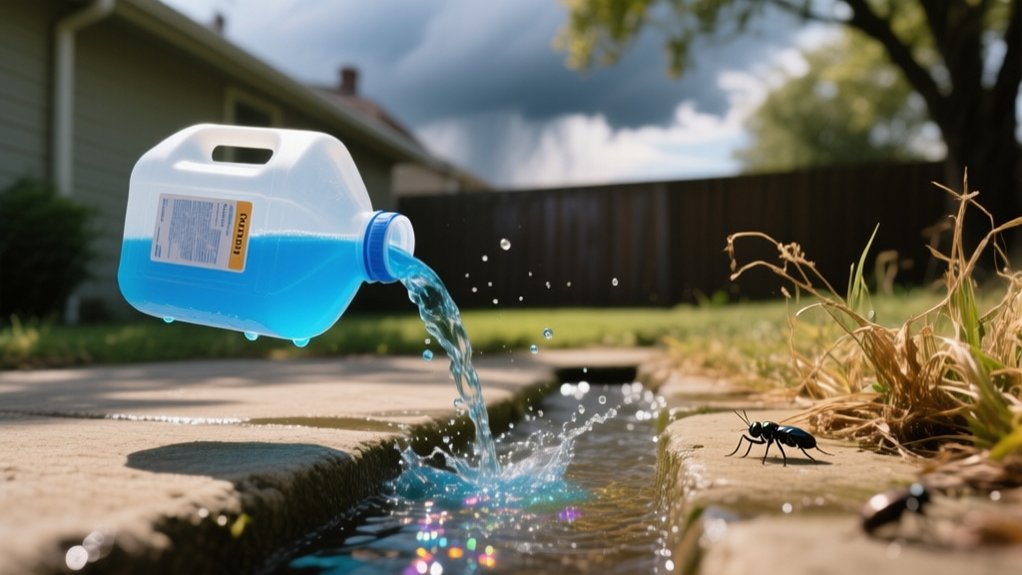
You should also avoid pouring unused concentrate or solution onto soil, into storm drains, or directly into waterways. Follow the label’s disposal instructions and local guidance instead.
Your household’s broader impact also depends on packaging and purchasing habits. Choosing a suitable product, measuring carefully, and avoiding waste can reduce your footprint.
For a fuller assessment, consider the specific formula and its environmental behavior.
Which OxiClean Ingredients Matter Environmentally?
To judge a specific OxiClean product’s environmental impact, check its ingredient list because formulas can differ.
Sodium percarbonate, a common oxygen-bleach ingredient, breaks down into sodium carbonate, water, and oxygen.
Sodium carbonate can affect water chemistry, so its amount and disposal matter. Some formulas also contain surfactants, which help lift soil.
Check whether the label identifies their type or biodegradability.
Enzymes, fragrances, dyes, and optical brighteners may appear in certain products but aren’t present in every formula.
These ingredients can influence a product’s overall environmental profile, as can packaging and the amount you use.
Look for a full ingredient disclosure, safety information, and any credible environmental certifications.
Don’t assume all OxiClean products share one formula; compare the exact product label with your needs before choosing and follow its directions.
How Can OxiClean Ingredients Affect Waterways and Wildlife?
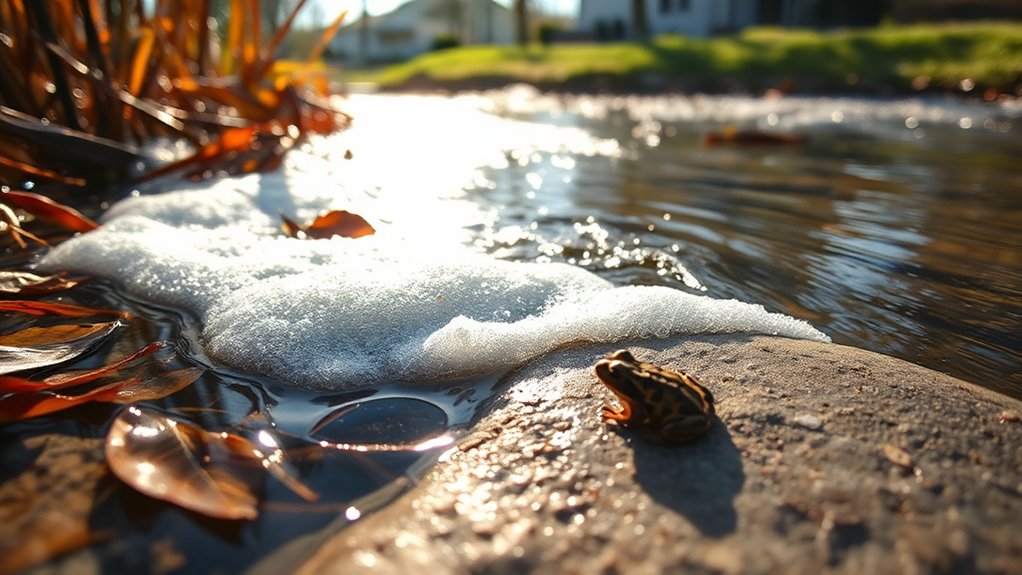
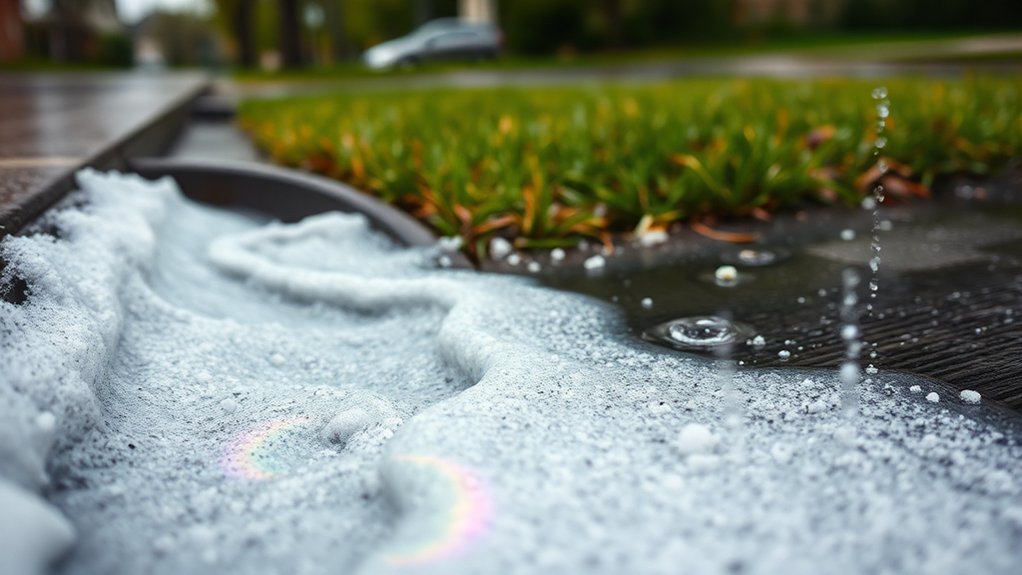
When OxiClean residue reaches waterways, its effects depend on the formula, concentration, and amount released. At high concentrations, oxygen-releasing ingredients such as sodium percarbonate can stress aquatic organisms. The resulting rise in pH may harm species sensitive to water chemistry changes.
Surfactants can affect fish and aquatic invertebrates by disrupting cell membranes or reducing oxygen transfer across gills. Some formulas also contain fragrance or other additives that may irritate or harm wildlife if exposure is sufficient.
You can limit these risks by using only the recommended amount and preventing concentrated product or wash water from entering storm drains, streams, or ponds.
Follow the label’s disposal instructions, and don’t assume a product is harmless to aquatic life simply because it’s marketed for household use. Effects vary by ingredient and exposure.
What Happens to OxiClean Ingredients After Use?
After use, OxiClean’s ingredients follow different paths depending on the formula and disposal method. In a typical wash, water carries dissolved ingredients into the wastewater system. Sodium percarbonate breaks down into sodium carbonate, water, and oxygen. These products don’t persist as the original bleaching agent.
Surfactants and other additives may be removed or transformed during wastewater treatment, though treatment can vary.
If your home uses a septic system, wastewater enters the tank, where solids settle and microbes break down some organic compounds. Remaining liquid moves into the drain field and soil.
Ingredients you pour down a drain can also reach treatment facilities, while outdoor disposal may send them directly into soil or storm drains.
Packaging follows a separate route: it may be recycled or landfilled, depending on its material and local collection options.
How Can You Use OxiClean More Responsibly?
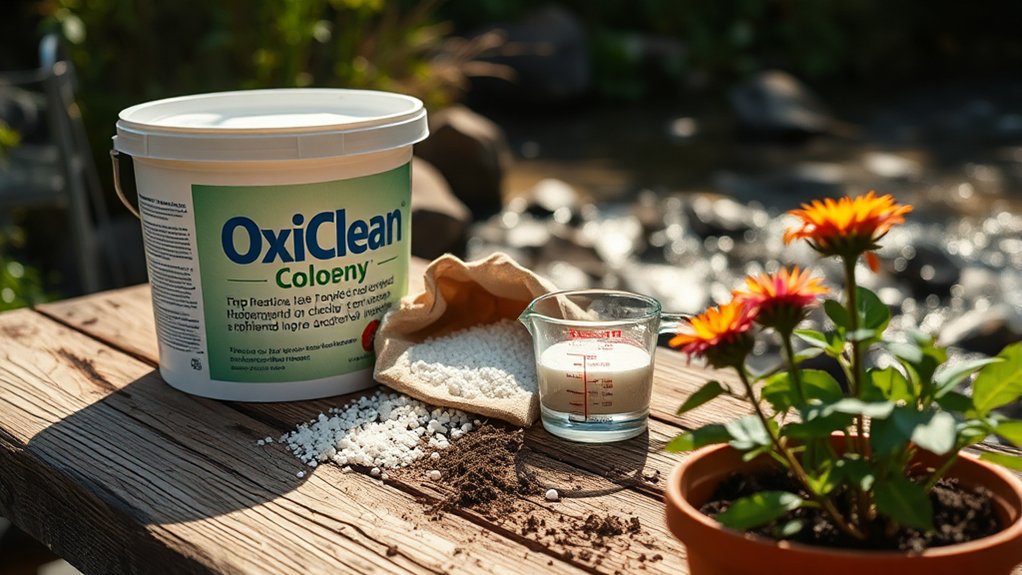
You can reduce OxiClean’s environmental impact by using only the amount the label recommends and washing full loads when practical. Don’t add extra product; more won’t necessarily clean better and can increase what enters wastewater.
Follow package directions for water temperature, ventilation, storage, and disposal. Keep the powder dry and sealed to prevent spills, and never mix it with other cleaners.
| Action | What you can do | Why it helps |
|---|---|---|
| Measure | Use the labeled dose | Avoids excess product |
| Wash | Combine compatible items | Saves water and energy |
| Store | Seal the container | Prevents spills and waste |
Choose cold water when the care label and cleaning task allow it, since heating water uses energy. Treat stains promptly, and use the smallest effective amount.
Check local guidance before disposing of unused product or its packaging.
Frequently Asked Questions
Is Oxiclean Safe to Use Around Pets?
OxiClean can be safe to use around pets when you follow the label, but keep your animals away from the product and wet surfaces.
Its ingredients may irritate skin, eyes, or the digestive tract if pets touch, lick, or swallow them.
Mix and use it in a ventilated area, store it securely, and let treated surfaces dry completely before allowing pets back.
If exposure occurs, contact your veterinarian or a pet poison helpline.
Can Oxiclean Cause Skin Irritation or Allergic Reactions?
Yes, OxiClean can irritate your skin or trigger an allergic reaction, especially if you handle the powder or concentrated solution without protection.
You might notice redness, itching, dryness, or a rash.
Wear gloves, avoid splashes, and follow the label’s directions.
If it gets on your skin, rinse thoroughly with water. Stop using it if symptoms develop.
Seek medical advice for severe or persistent irritation, swelling, or trouble breathing.
Is Oxiclean Safe for Septic Systems?
Yes, you can generally use OxiClean with a septic system when you follow the label directions. One cup equals 16 tablespoons, but don’t treat that measurement as a recommended dose. Use only the amount specified for your product and load.
OxiClean’s oxygen-based ingredients break down differently from harsh disinfectants, which can harm helpful septic bacteria.
Avoid dumping concentrated powder or large quantities into drains. Check your product label or septic professional if you’re unsure.
Can Oxiclean Damage Colored or Delicate Fabrics?
Yes, OxiClean can damage colored or delicate fabrics, depending on the product and material. Its oxygen-based bleach may fade unstable dyes or weaken wool, silk, leather, and other sensitive fibers.
Check the garment’s care label and your OxiClean package first.
Test a hidden area, use the recommended amount, and don’t soak longer than directed. If you’re unsure, choose a color-safe product specifically approved for that fabric or skip bleach altogether.
How Should Unused Oxiclean Be Stored?
Store unused OxiClean in its original, tightly sealed container in a cool, dry place away from sunlight, heat, and moisture.
Keep it out of reach of children and pets. Also, don’t store it near food or drink.
Avoid transferring the powder to an unmarked container since you’ll want the product label and safety instructions handy.
If you’ve mixed OxiClean with water, use the solution promptly rather than storing it. It can lose effectiveness over time.
Conclusion
Every scoop of OxiClean leaves a small footprint, like a ripple spreading across a pond. Its oxygen-based cleaner breaks down, but other ingredients and excess product can still reach waterways.
You can help keep that ripple small: use only the amount you need, follow the label, and avoid pouring leftovers outdoors. Choose refillable or recyclable packaging when available, too.
With thoughtful habits, you can tackle stains while giving rivers, wildlife, and the environment a little more room to breathe.