Does Oxiclean White Revive Work On Colors – The Truth
OxiClean White Revive is formulated for white fabrics, so don’t assume it’s safe for colored clothes. Its oxygen-based formula may still fade dyes, cause color transfer, or leave uneven marks, especially on dark or bright garments.
Check the care label first, and skip it if the label says “do not bleach.” Before treating a whole item, test a hidden spot and let it dry to check for color changes. A few precautions can help you decide what to do next.
Does OxiClean White Revive Work on Colors?
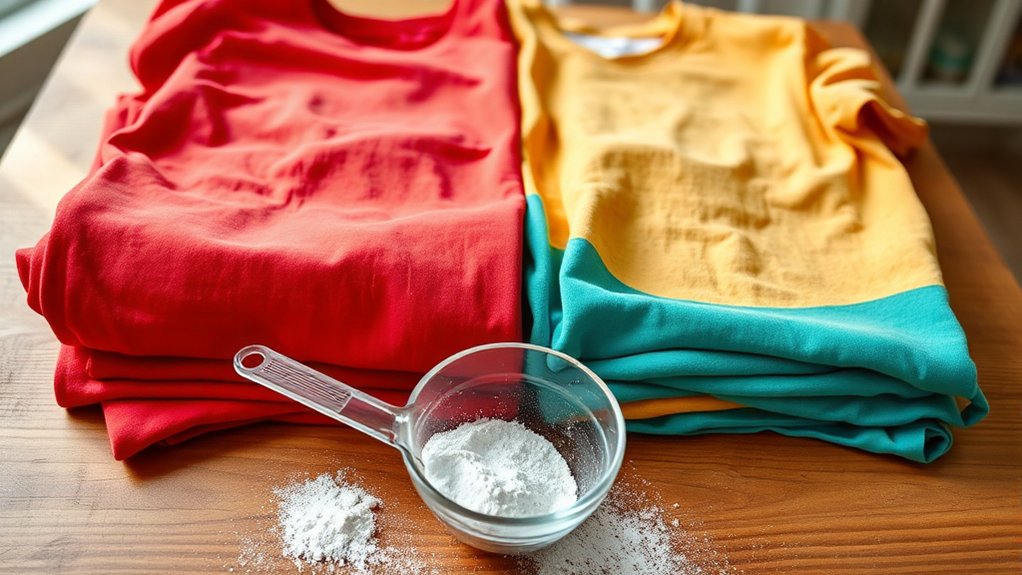
Can you use OxiClean White Revive on colors? You can, but the product is formulated to brighten white fabrics, so it isn’t the best choice for every colored garment.
Check the care label first, then read the package directions to confirm that your item’s fabric is suitable.
White Revive is an oxygen-based laundry booster, not chlorine bleach, and you can add it to a wash with detergent as directed.
For a colored load, choose a product specifically labeled for colors instead; it’s designed for that purpose and gives you a more appropriate option.
If you’re unsure whether an item is suitable, leave it out of the load and follow the garment’s care instructions.
Use the recommended amount, and don’t apply the product directly to fabric unless its label explicitly permits that use.
Could White Revive Affect Clothing Dye?
White Revive might affect some clothing dyes, causing them to fade or even transfer color.
It’s always a good idea to check your garment’s care label before using it.
Try testing a hidden spot first to see how the fabric reacts.
And if the color stays the same, avoid soaking the item to keep it looking its best.
How Dye Can React
Although OxiClean White Revive is formulated for whites, its bleaching agents may affect dyes in colored clothing, causing fading or uneven color. Dye reactions vary: some colors resist change, while others lose intensity quickly.
You might notice damage first on dark, bright, or unevenly dyed fabrics. The product’s oxygen-based ingredients can release active oxygen, which may alter dye molecules during soaking or washing. Heat, concentration, and exposure time can increase the risk, so a small spill or prolonged soak may leave a visible mark.
| Dye reaction | What you might see |
|---|---|
| Color lifts | Faded patches |
| Dye transfers | Stains on other items |
| Uneven response | Mottled color |
Even when a garment looks fine wet, drying can reveal lightened areas. Separate colored items, and don’t assume a gentle-looking result means every dye will react the same way.
Check The Care Label
Before using White Revive, check the care label for warnings about bleach, oxygen bleach, or soaking. A garment marked “do not bleach” may not tolerate this product, even if its color looks sturdy.
White Revive contains oxygen-based ingredients that can affect some dyes, so don’t assume a colored item is safe just because it isn’t chlorine bleach.
Look for instructions about water temperature, hand washing, and dry cleaning, too. These details can limit how you should clean the fabric and whether soaking is suitable.
Pay attention to fiber content: wool, silk, leather, and other delicate materials often need special care.
If the label is missing or unclear, check the manufacturer’s guidance before using the product. Following the care instructions helps you avoid damage and protect the garment’s color.
Test Before Soaking
Could White Revive affect clothing dye? Yes, it may cause fading or color changes, especially on garments with unstable dyes. Before soaking a colored item, test the product on a hidden spot, such as an inside seam or hem.
Mix a small amount of White Revive with water according to the package directions. Dab the solution onto the test area, then wait for the recommended time. Rinse thoroughly and let the fabric dry completely; wet fabric can hide changes.
Compare the spot with the surrounding material in good light. If you notice fading, bleeding, or a shift in color, don’t soak the garment.
If the color stays unchanged, you can proceed cautiously, following the label’s dilution and soaking instructions. Never assume a successful test guarantees every section will react identically.
Which Colored Fabrics Are Most at Risk?
You’ll want to be cautious with brightly dyed fabrics because their vivid colors can fade over time.
Also, dark, saturated shades tend to show color loss more clearly, so keep an eye on those.
Plus, delicate natural fibers might be especially vulnerable to damage, so handle them with care.
Brightly Dyed Fabrics
Brightly dyed fabrics, especially new garments, deep reds and blues, and items labeled “wash separately,” are more likely to bleed or fade when exposed to oxygen bleach.
Fresh dye may not have fully bonded to the fibers, so a strong cleaning treatment can loosen color and transfer it to other items. You’ll want to check the care label before using OxiClean White Revive, since a colorfastness warning signals extra risk.
Test a hidden seam first: mix the product as directed, dab the solution on the fabric, and wait several minutes.
Blot with a clean white cloth, then rinse and let the spot dry. If you see color on the cloth or a lighter test area, don’t use the product on that garment. Wash it separately with detergent instead.
Dark and Saturated Colors
Beyond newly dyed fabrics, dark, saturated colors such as black, navy, burgundy, and deep green can show fading or uneven patches more clearly if OxiClean White Revive lifts dye.
You may notice pale streaks, dull areas, or color transfer, especially when a garment isn’t colorfast.
Check the care label and test a hidden seam before treating the whole item. These pieces deserve extra caution: Black cotton T-shirts may develop faded-looking spots.
Navy jeans can show lighter patches where dye releases. Burgundy towels may bleed onto lighter laundry.
Deep green garments can lose richness after repeated exposure. Don’t assume a short soak is harmless; follow the product directions and avoid mixing colors.
If your test patch changes, skip White Revive and choose a color-safe cleaner instead.
Separate dark loads to reduce transfer, and inspect garments before drying.
Delicate Natural Fibers
Because delicate natural fibers can react unpredictably to oxygen-based cleaners, test colored silk, wool, linen, and cotton in a hidden spot before using White Revive.
These fibers differ in how they absorb moisture, hold dye, and tolerate cleaning agents, so a colorfast test matters.
Silk and wool deserve the most caution. Their protein-based fibers may weaken, change texture, or lose color if you use an unsuitable product or leave it on too long.
Linen and cotton can also fade, especially when their dyes aren’t firmly set or the fabric is brightly colored.
Check the care label, follow the product directions, and avoid soaking delicate garments unless the label permits it.
If your test spot shows fading, bleeding, or roughness, don’t use White Revive on that item.
Choose a cleaner labeled safe for its fiber and color.
How Do You Check a Garment’s Care Label?
Before using OxiClean White Revive on a colored garment, check its care label for washing instructions and any warnings about bleach or nonchlorine bleach.
Check the garment’s care label for washing instructions and bleach warnings before using OxiClean White Revive on colored fabric.
Read the symbols and wording carefully; don’t assume a garment is safe just because it’s washable.
Look for these details:
- Bleach instructions: “Do not bleach” means you shouldn’t use bleach products. A triangle with lines typically permits nonchlorine bleach only.
- Water temperature: Follow the listed maximum to help protect the fabric and dye.
- Wash method: Note whether the item needs handwashing, a gentle cycle, or dry cleaning.
- Fabric details: Check the fiber content, especially if the garment includes delicate materials or blends.
If the label is missing or unclear, check the manufacturer’s guidance before treating the item.
Follow the most restrictive instruction when the label lists multiple fabrics or care requirements.
How Do You Spot-Test White Revive?
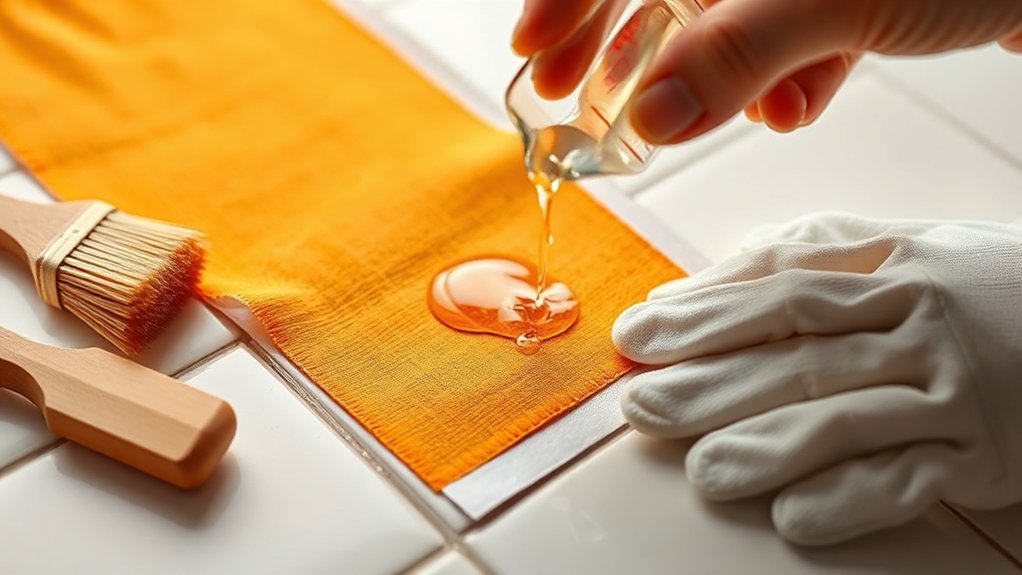
To spot-test White Revive, mix it as directed on the package, then apply a small amount to a hidden area of the garment. Choose a spot inside a hem or seam where any change won’t show during wear.
Use a clean cloth or cotton swab to dab the solution onto the fabric; don’t rub it in. Leave it for the time specified on the product label, then blot the area and check for changes. Look for fading, color transfer, bleeding, or a shift in texture.
Let the spot dry completely before judging the result since some changes become clearer as the fabric dries. Compare the tested area with the surrounding material in good light.
If you notice any damage or color change, don’t use White Revive on that garment. A successful test can’t guarantee every area will react identically.
How Can You Use White Revive Safely?
Use White Revive safely by checking the care label and following the product directions exactly. The label tells you whether the garment can handle the recommended washing method, while the package specifies how much product to use and how long to soak.
Don’t guess or combine it with other cleaners. Measure the recommended amount; using extra won’t improve results and may leave residue.
Dissolve the product fully in water before adding garments, as directed. Wear gloves if you have sensitive skin, and avoid breathing dust when handling powder.
Keep the product away from children, pets, and food, and store it in its original container. Use the water temperature and soak time listed on the package.
Rinse or wash the item as directed, then let it dry according to its care label.
What If Colors Fade or Bleed?
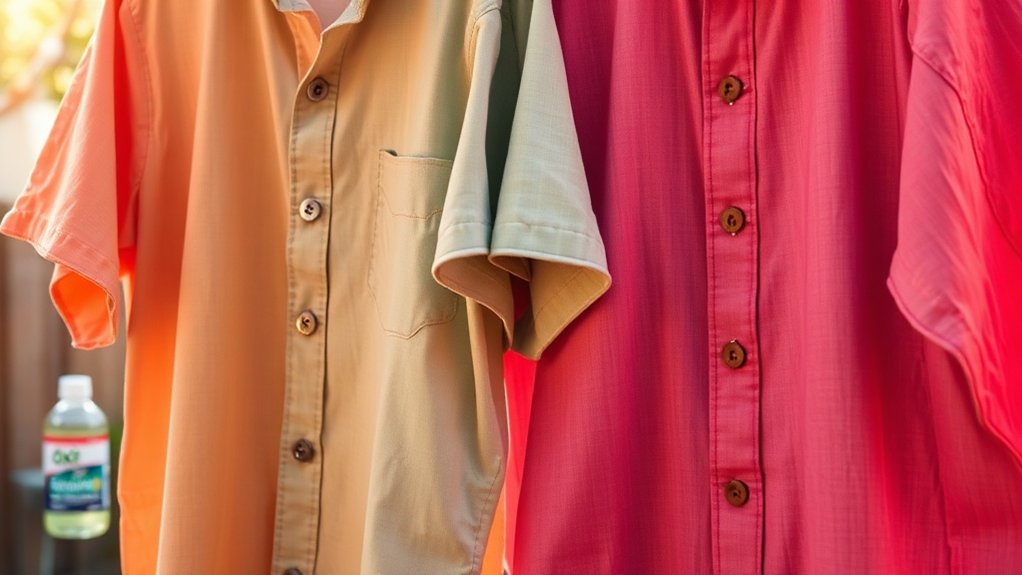
If colors fade or bleed during a White Revive treatment, remove the garment and rinse it thoroughly with cool water.
Remove the garment and rinse thoroughly with cool water if colors fade or bleed during treatment.
Don’t add more product or let the item soak longer. Check the care label, then wash the garment separately with a color-safe detergent, following its instructions.
Keep it away from other laundry until you know the dye has stopped running.
If the color change remains, don’t use bleach, hot water, or a dryer; heat can set stains and worsen damage.
You can try a color-run remover only if its label says it’s safe for the fabric and dye.
Test it on a hidden area first. If the garment is valuable or delicate, consult a professional cleaner.
For future treatments, test White Revive on an inconspicuous spot before soaking the whole item.
Frequently Asked Questions
Is Oxiclean White Revive Safe for Septic Systems?
Yes, OxiClean White Revive is generally considered safe for septic systems when you use it as directed.
Its oxygen-based formula breaks down into substances that septic systems can typically handle.
Don’t pour large amounts directly into your drain, and avoid overusing any laundry product since excessive discharge can disrupt your system.
Follow the package directions, use the recommended dose, and check the label for current septic-system guidance.
Can Oxiclean White Revive Remove Grease Stains?
Yes, OxiClean White Revive may help remove grease stains, but it isn’t specifically designed as a grease remover.
Treat the spot with a grease-cutting dish soap first, gently work it into the fabric, then rinse.
You can follow with White Revive according to its label, checking that the garment’s care instructions allow it.
Test an inconspicuous area first, and don’t use the product on wool, silk, or leather.
How Should Oxiclean White Revive Be Stored?
Store OxiClean White Revive like a pantry staple: keep it in its original, tightly closed container in a cool, dry place.
You’ll protect the powder from moisture, which can cause clumping and reduce its effectiveness.
Keep the container away from heat, direct sunlight, and damp areas such as under a sink.
Put it somewhere children and pets can’t reach, and always follow the package’s storage and safety instructions.
Don’t transfer it to an unlabeled container.
Can Oxiclean White Revive Be Used in High-Efficiency Washers?
Yes, you can use OxiClean White Revive in a high-efficiency (HE) washer.
Add it to the washer drum with your laundry, following the product label’s dosage instructions. Don’t put it in the detergent dispenser unless the label specifically allows it.
Use your regular HE detergent as usual, and check garment care labels before washing.
White Revive is designed for whites, so avoid using it on colored items unless the package says they’re safe.
How Much Oxiclean White Revive Should I Use per Load?
Use one scoop of OxiClean White Revive per regular laundry load, following the package directions for your specific product.
Add it to your washer’s drum or designated dispenser, then add detergent as usual.
For a large or heavily soiled load, you may need a larger dose if the label allows.
Don’t exceed the recommended amount, and check garment care labels before treating delicate fabrics.
Use it only as directed on the packaging.
Conclusion
OxiClean White Revive is made for whites, so don’t assume it’s safe for your favorite colored clothes. Check the care label, read the product directions, and spot-test an inconspicuous area before treating the whole garment.
If the color changes, stop immediately and rinse thoroughly. Even a careful test can’t guarantee every fabric will react the same way. That shirt you’re hoping to save may look fine at first, but the real test comes after washing and drying.