Can You Dry Clean Hand Wash Only – What To Know
You can dry clean many “hand wash only” garments, but you need to be cautious. Dry cleaning solvents may weaken fibers or affect dyes, so always inform your cleaner about fabric type and delicate features.
Make sure to confirm if they test fabrics and safely handle steaming or pressing afterward. For stubborn stains or intricate fabrics, professional hand washing might be safer.
Understanding these details helps protect your clothes from damage. More insights on care and maintenance await you.
What Does “Hand Wash Only” Mean?
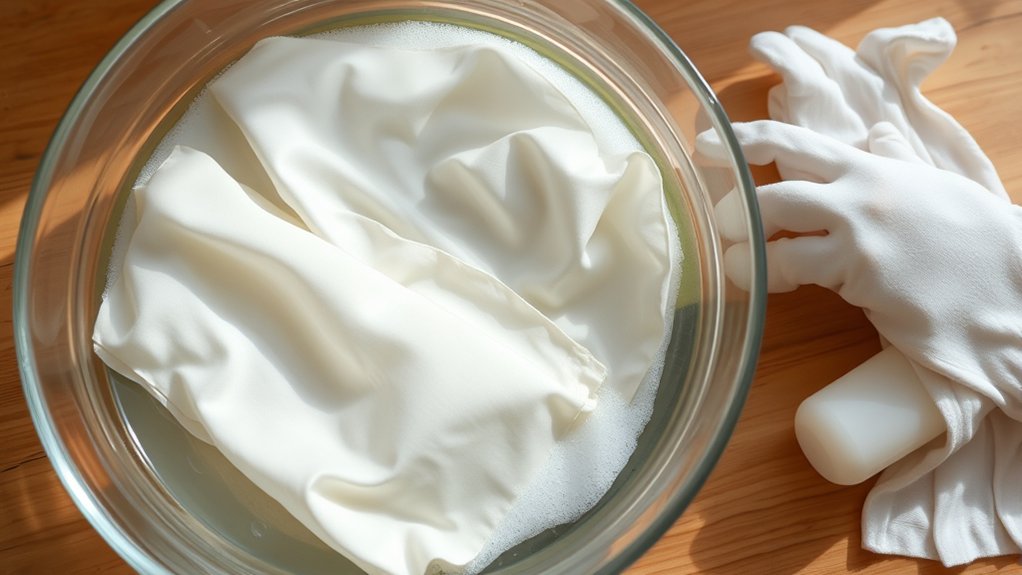
What exactly does the label “hand wash only” mean for your garment? It indicates that the fabric sensitivity requires manual cleaning to avoid damage from machine agitation, heat, or harsh detergents. This label serves as a guideline to protect the garment’s texture, shape, and color, especially for delicate materials like silk or lace.
Proper washing techniques involve soaking the garment in lukewarm water, gently swishing it without wringing or twisting, and carefully rinsing to remove detergent. These steps minimize stress on fibers and prevent distortion or fading.
What Dry Cleaning Chemicals Do to Delicate Fabrics
While hand washing protects delicate fabrics by minimizing mechanical stress and exposure to harsh detergents, opting for dry cleaning introduces a different set of risks. The chemical effects of solvents like perchloroethylene and hydrocarbons can weaken fibers such as silk and wool over time, causing structural breakdown.
This fiber damage shows up as loss of texture, luster, and shape, especially in sensitive materials.
Plus, these chemicals might cause dyes to fade or bleed, which isn’t great for vibrant or dark-colored fabrics. If delicate textiles are exposed for too long, it can cause irreversible harm, especially to embellished or intricately woven pieces.
And it’s not just about the fabric—dry cleaning chemicals can also trigger allergic reactions or skin sensitivities in some people. So, it’s really important to understand these chemical effects when you’re thinking about dry cleaning garments labeled “hand wash only.”
Can You Dry Clean Hand Wash Only Clothes?
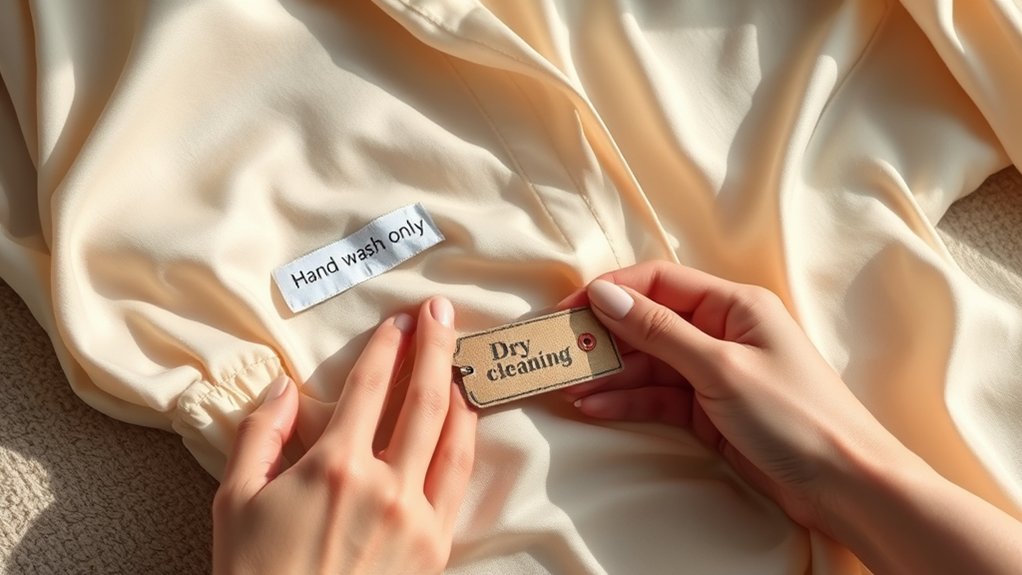
You can often dry clean clothes labeled “hand wash only,” but it’s important to know the specific fabric requirements first. Always take a close look at the care label and make sure to talk to your dry cleaner about the fabric type.
This way, you’re both on the same page, which helps protect your garment’s integrity. Plus, it makes it easier to figure out if dry cleaning is really the right choice for your piece.
Understanding Hand Wash Labels
Although hand wash labels advise cleaning garments gently with water and mild detergent, you might wonder if dry cleaning is a safe alternative. These labels indicate delicate fibers or finishes that require fabric testing before any stain removal method.
Dry cleaning can harm some fabrics unless the label explicitly states compatibility. Always perform a spot test or consult a professional cleaner to avoid damage.
| Label Instruction | Fabric Sensitivity | Recommended Cleaning Method |
|---|---|---|
| Hand Wash Only | High | Water and mild detergent |
| Hand Wash, No Machine | Moderate | Gentle hand washing |
| Hand Wash + Dry Clean? | Varies, needs testing | Consult care instructions |
Understanding these details helps you protect your garments effectively. It’s always better to be cautious and take a little extra time than to risk ruining your favorite clothes.
Dry Cleaning Suitability
Knowing the specific fabric and care instructions helps determine if dry cleaning suits your hand wash only garments. Dry cleaning employs non-water-based solvents, which protect delicate fabrics like wool, silk, and embellished textiles that may suffer from water exposure.
This method preserves fabric durability by avoiding the mechanical agitation and moisture that can weaken fibers.
Additionally, dry cleaning excels at stain removal, particularly for oil-based stains that water washing struggles to eliminate. However, some fabrics risk shape distortion or texture alteration if dry cleaned improperly.
Always check care labels carefully and inform your cleaner about the hand wash only designation to guarantee appropriate solvent selection and handling.
Communicating With Cleaners
When entrusting hand wash only garments to a dry cleaner, clear communication about the fabric type and care instructions is essential to guarantee proper handling. You must provide detailed information to protect fabric durability and secure excellent cleaning results.
Follow these steps:
- Inform the cleaner of the exact fabric type and care label instructions.
- Disclose any fabric sensitivity or previous damage to guide cautious treatment.
- Verify the cleaner’s experience with delicate or hand wash only items.
- Discuss recommended storage techniques post-cleaning to maintain garment integrity.
When to Choose Professional Hand Washing Instead
If your garment consists of delicate fabrics such as silk, cashmere, or wool, opting for professional hand washing guarantees careful handling that home methods mightn’t provide. You should choose professional hand washing when fabric durability is uncertain, especially with intricate embellishments or embroidery vulnerable to damage from water or agitation.
When the care label states “dry clean only” but the fabric can withstand gentle treatment, professionals offer a safer alternative. Additionally, professional hand washing excels in stain removal for heavily soiled delicate items needing specialized techniques beyond home care.
If you’re unsure about water resistance or the garment features complex linings or finishes, professional services guarantee preservation without compromising integrity. They deliver precise, expert cleaning tailored to delicate textiles.
Spot Cleaning and Alternative Care for Hand Wash Clothes
Although full laundering may not always be necessary, spot cleaning offers an effective way to address small stains on hand wash only garments without risking overall fabric damage. When managing stain removal, consider the fabric texture carefully to avoid distortion or fraying.
Spot cleaning gently tackles small stains on hand wash only fabrics, preserving texture and preventing damage.
Follow these steps for precise care:
- Dampen a cloth with mild detergent solution and gently dab the stain. Avoid rubbing.
- Test any specialized stain remover on an inconspicuous area to check for colorfastness.
- Apply the stain remover sparingly, focusing strictly on the affected spot.
- Refrain from soaking or immersing the garment unless the care label permits.
This approach preserves fabric texture integrity while effectively removing stains. It also minimizes the need for full laundering.
Talking to Your Dry Cleaner About Fabric Care
When you bring hand wash-only garments to your dry cleaner, make sure to clearly share any specific fabric details and care instructions.
Let them know if the item is delicate, has embellishments, or needs special handling to prevent damage.
It’s a good idea to ask if they’ve experience with these types of fabrics and find out which solvents or methods they use to ensure the cleaning is safe.
Communicating Fabric Specifics
Because fabric types and finishes vary widely, you should clearly specify these details to your dry cleaner to guarantee proper care. When discussing your garment, focus on these four key points:
- Identify the fabric type and any special fabric finishes applied, like water-repellent or wrinkle-resistant coatings.
- Describe dye characteristics, including colorfastness and any patterns or gradients that could be affected by solvents or water.
- Note delicate elements like embellishments, linings, or trims that require gentle handling.
- Share previous cleaning methods and any concerns about shrinkage, color bleed, or texture changes.
Communicating these specifics ensures your dry cleaner tailors the process, preserving your garment’s integrity and appearance. It’s a simple step that really makes a difference in keeping your clothes looking their best.
Clarifying Care Instructions
Since dry cleaning involves specialized processes, you should clearly communicate your garment’s care instructions to your dry cleaner. Specify the fabric type and highlight any “hand wash only” labels to guarantee they apply suitable cleaning methods.
Discuss delicate features like dyes, embellishments, or linings that require careful handling.
Also, ask about their fabric testing protocols, especially for sensitive materials such as silk or cashmere, to prevent damage.
Clarify if steaming or pressing is safe post-cleaning to avoid heat-related harm.
Additionally, address any concerns about stain removal, emphasizing the need for gentle techniques compatible with your garment’s composition.
Tips to Keep Hand Wash Only Clothes Looking Their Best
Although hand wash only clothes require extra care, you can maintain their quality by using a gentle detergent designed for delicate fabrics. It’s also a good idea to test a small area for colorfastness before doing a full wash.
To keep your garments looking their best, follow these essential tips:
- Use a detergent formulated for delicate fabrics to preserve softness and prevent damage.
- Test a hidden section with water and detergent to make sure colors don’t bleed.
- Lay items flat on a clean towel or place them in a mesh laundry bag to dry. This helps prevent stretching or distortion.
- Avoid wringing your clothes. Instead, gently press out the water. Finish by steaming or lightly pressing with a warm iron to restore crispness without harming the fibers.
Common Mistakes to Avoid With Hand Wash Only Garments
When caring for hand wash only garments, you want to avoid common mistakes that can mess up the fabric and how it looks. First off, never use hot water or harsh laundry detergents. These can damage the fibers, leading to shrinkage or fading. Instead, go for mild detergents made especially for delicate fabrics.
Also, skip fabric softeners—they might coat the fibers and reduce how breathable your clothes are. And definitely don’t wring or twist your garments. That can distort their shape and weaken the fabric’s structure.
One more thing: always do a patch test to check for colorfastness. Skipping this could mean dye bleeding or discoloration when you wash.
And please, avoid machine drying or tumble drying. The heat and agitation can really ruin delicate textures.
Finally, don’t over-wash your hand wash only pieces. Washing them too often speeds up wear and shortens their lifespan.
Stick to these tips, and your garments will stay looking great and last longer.
Frequently Asked Questions
How Often Should Hand Wash Only Garments Be Cleaned?
You should clean hand wash only garments every 4 to 6 wears to maintain fabric durability. Prioritize stain removal and odor assessment, avoiding over-washing to protect fibers. Spot clean or air out to extend wear time.
Taking care of these garments means you don’t have to wash them all the time. Just focus on the parts that really need attention. This way, your clothes last longer and stay looking good.
Can Hand Wash Only Clothes Be Ironed Safely?
Ironing hand wash only clothes is a tightrope walk. You can steam iron them safely if you prepare the fabric properly.
Just use low heat, a pressing cloth, and avoid direct contact. This helps protect delicate fibers from damage.
Taking these steps makes a big difference when handling delicate clothes. So, don’t rush—be gentle and patient.
What Fabrics Are Most Commonly Labeled Hand Wash Only?
You’ll find delicate silks, wool, cashmere, and fine knits commonly labeled hand wash only due to fabric durability concerns. Proper label interpretation guarantees you preserve intricate details and prevent damage from agitation or harsh cleaning methods.
Taking the time to follow these instructions really pays off. It helps keep your favorite pieces looking their best for longer. So, next time you see that hand wash only label, you’ll know exactly why it’s there and how to care for your clothes properly.
Are There Eco-Friendly Alternatives to Dry Cleaning Hand Wash Garments?
Yes, you can use eco-friendly solvents and biodegradable detergents to clean hand wash garments. These alternatives minimize chemical exposure and environmental impact while preserving fabric integrity.
They offer a safer, sustainable cleaning method compared to traditional dry cleaning. So, if you want to be kinder to the planet and your clothes, these options are definitely worth trying.
How Should Hand Wash Only Items Be Stored to Maintain Quality?
You’ll want storing techniques so precise they’d impress a surgeon. Lay hand wash only items flat or use breathable garment bags. Avoid hanging them to keep the shape intact.
Make sure to keep them dry and shaded to prevent any damage. Stuff the items with acid-free tissue for ideal fabric preservation. This way, your delicate clothes stay in great condition longer.
Conclusion
When it comes to “hand wash only” clothes, you can’t just throw caution to the wind. Dry cleaning might damage delicate fibers, so it’s best reserved for specific cases or trusted professionals. Always communicate clearly with your dry cleaner and consider gentle hand washing or spot cleaning as your first line of defense.
Handle these garments with care, and you’ll keep them looking sharp. After all, a stitch in time saves nine.