When Did Persil Change Their Formula – The Full Story
Persil has no single formula-change date because you may see different updates across products and countries. The brand adjusts detergents over time to improve cleaning, support lower-temperature washing, meet regulations, and reflect local needs.
Ingredient, concentration, scent, and dosing changes can affect your experience, but packaging color alone won’t tell you what changed. Check your product’s label and dosage instructions, and compare them with an older pack if available. The details below explain what to look for.
When Did Persil Change Its Formula?
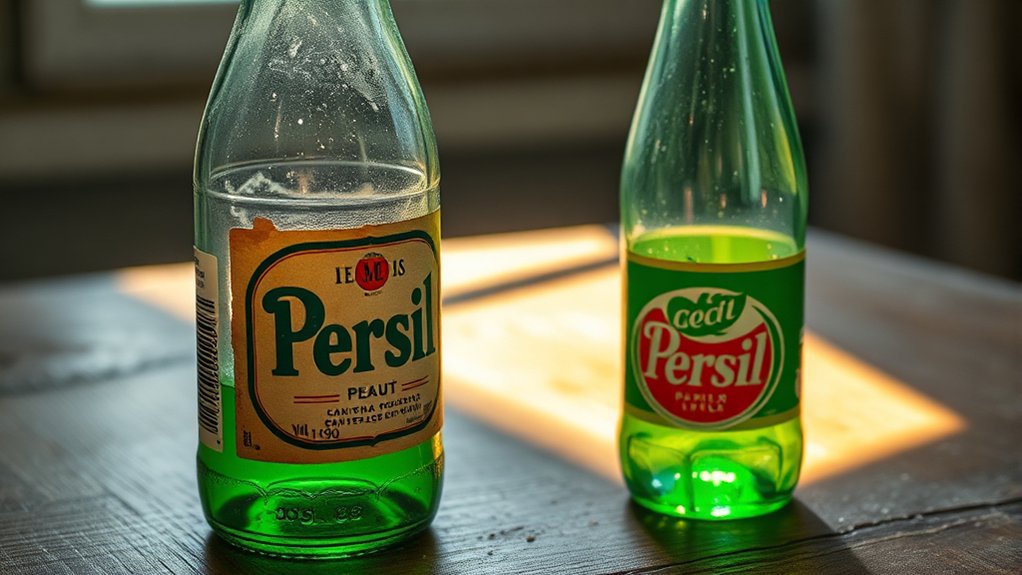
Persil has changed its formula more than once, so there isn’t one date that applies to every product or market. If you’re trying to identify when your detergent changed, check the product type, country, and packaging.
Persil sells different formulas across regions, and updates don’t necessarily reach every product at the same time. The brand has made changes over many years, rather than announcing one universal formula switch.
A date reported for a liquid detergent in one market may not describe the powder or capsules you buy elsewhere. Packaging and product names can also change, making older versions harder to compare.
To find the most relevant timeline, look for dated product announcements from Persil or Henkel in your country. You can also compare archived labels or contact the manufacturer with your product’s name and market.
Why Has Persil’s Formula Changed?
Persil’s formulas have changed to reflect new cleaning technology, ingredient rules, and consumer needs. As cleaning science advances, Persil can use more effective enzymes and surfactants to tackle stains at lower temperatures. That can help you clean well while using less energy.
Manufacturers also adjust formulas to meet updated safety and environmental requirements, including restrictions on certain ingredients and efforts to reduce packaging and product impacts.
Your laundry habits matter, too. You may want concentrated detergents, convenient capsules, or products designed for sensitive skin and specific fabrics.
Persil has adapted its range and formulas to address these expectations, improve ease of use, and maintain reliable results.
Changes don’t necessarily mean the detergent has become weaker or stronger; they often reflect a balance between cleaning performance, product safety, sustainability, and the way you do laundry.
How Persil Formulas Differ by Country
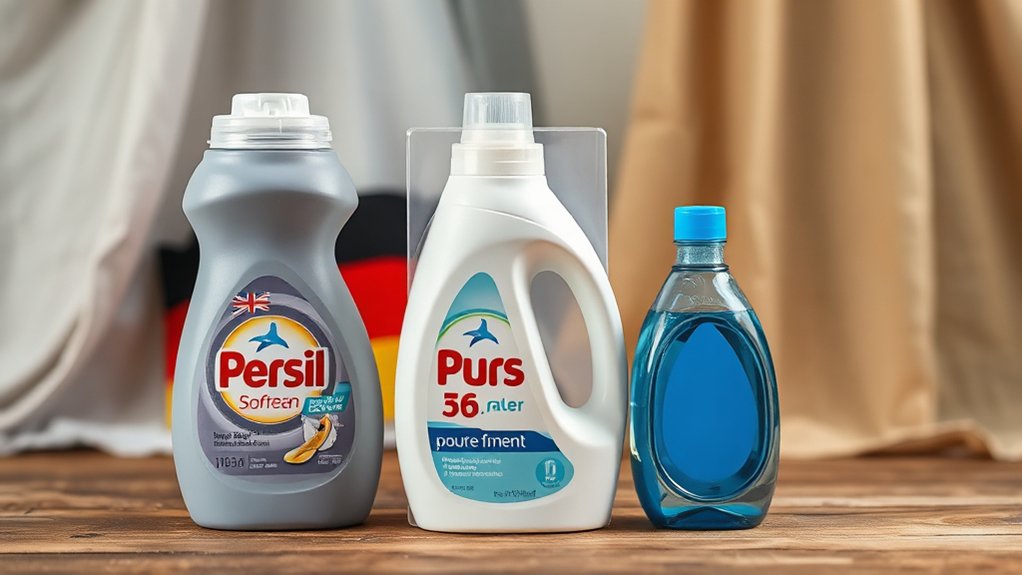
Because laundry habits and regulations vary by market, Persil formulas aren’t identical in every country. You may find different product ranges, formats, and performance claims depending on where you shop.
Persil adapts its detergents to local washing machines, water conditions, and consumer preferences, so a product sold under the same brand name may not match one available elsewhere.
In the UK, Persil is commonly sold as a liquid, powder, or capsule. Products in other markets may use different names or packaging.
Henkel also sells Persil as Dixan or Wipp in some countries, reflecting local brand histories.
If you’re comparing products across borders, check the label and instructions rather than relying on the brand name alone.
Availability, dosage guidance, and suitability for particular fabrics can vary, so choose the version designed for your market and follow its directions.
What Changed in Persil’s Ingredients and Scents?
When Persil changes its formula, you might notice updates to the ingredients.
The scent can change as well, sometimes with new or tweaked fragrance profiles.
Ingredient Formulation Changes
As Persil reformulated its detergents, it adjusted more than cleaning performance. Ingredient lists and scents also changed. For you, the most noticeable shifts often involve how the detergent tackles stains, works in different water conditions, and suits specific washing needs. Exact ingredients vary by product, market, and date, so check your bottle’s label for the current formula.
- Cleaning agents: Persil may adjust surfactants, the ingredients that lift oils and dirt from fabric, to improve cleaning or help the product work in a particular wash.
- Enzymes and additives: Formulas can include or revise enzymes that target stains such as protein or starch, along with ingredients that support performance and protect fabrics.
- Concentrates and sensitivities: Changes to concentration, preservatives, or other components can affect dosing and suitability. If you have sensitive skin, review the ingredient list and follow label directions.
These formulation updates don’t necessarily mean every Persil product changed in the same way.
Scent Profile Updates
Persil’s scent can change when its formula changes, with some versions shifting in fragrance notes or intensity. You may notice a cleaner, fresher impression, a softer perfume, or a stronger scent that lingers after washing. These differences can reflect updated fragrance blends, not necessarily a change in cleaning performance.
Your experience also depends on which Persil product you buy. Liquid detergents, powders, capsules, and sensitive-skin options can carry distinct scents, while regional versions may use different fragrance ingredients.
Even packaging changes don’t always signal a scent update, so check the product name and ingredient label before comparing bottles.
If a familiar Persil detergent smells different to you, compare its fragrance description and ingredients with an older package. You’ll get the clearest picture of what changed, rather than relying on scent alone.
How Formula Updates Affect Persil’s Cleaning
A formula update can change how Persil tackles stains, dissolves in water, and performs in different wash conditions. For you, the difference may show up in how much detergent you need, which cycles work best, or how well clothes come clean.
Changes to enzymes, surfactants, or other cleaning agents can target particular soils and help lift them from fabric.
Changes to cleaning agents may help target specific stains and lift them from fabric.
Follow the package directions, since a revised concentrate may require a smaller dose than an older version.
- Stain removal: Updated ingredients may improve performance on food, grease, or everyday marks, though results depend on the stain and fabric.
- Water conditions: A formula may work differently in hard or cold water, so choose the recommended cycle and temperature.
- Residue control: Correct dosing and thorough rinsing help prevent detergent deposits on clothes.
Check the label when switching formulas.
Why Does Persil Smell Different Now?
Why does Persil smell different now? You may notice a change because manufacturers sometimes adjust fragrance ingredients as they update a detergent’s formula. They might refine the scent to suit changing preferences, improve how it performs in a wash, or meet requirements for ingredients and production.
Even a small change in the balance of fragrance components can make a familiar product seem noticeably different to you.
Your experience can also vary with the product type, such as liquid, powder, or capsules, since each format may carry fragrance differently.
Water temperature, load size, and how much detergent you use can affect the scent left on clothes, too.
Storage matters: heat, sunlight, or a long time on the shelf may alter fragrance.
If the smell seems unusual, consider these factors before assuming the formula changed.
How to Check Your Persil Product Label
If Persil’s scent seems different, check the product label to see which formula and format you have. Packaging can help you compare products, but a scent change alone doesn’t prove the detergent’s ingredients changed. Look closely at the front and back before deciding what’s different.
- Find the product name. Note whether you have liquid detergent, capsules, powder, or a specialist version, such as sensitive-skin or color-care detergent. Similar names can refer to different products.
- Check the ingredient information. Compare the listed ingredients on both packages, if available. Manufacturers may update formulas, and labels can vary by country.
- Read usage and care details. Check dosage instructions, fabric claims, and any fragrance description.
Keep the bottle or photograph its label so you can compare it with a newer pack or ask Persil customer service for clarification. Don’t rely on packaging color alone.
Frequently Asked Questions
Is Persil Detergent Safe for Septic Systems?
Yes, Persil detergent is generally considered safe for septic systems when you use it as directed.
You’ll help protect your system by measuring the recommended amount and avoiding excessive detergent.
Choosing liquid or low-sudsing products when possible also helps.
Check your specific product’s label since formulas can vary, and follow your septic system’s maintenance guidance.
If your system is unusually sensitive or you’re unsure, ask a septic professional before switching detergents.
Can Persil Cause Skin Irritation or Allergic Reactions?
Yes, Persil can irritate your skin or trigger an allergic reaction, though many people use it without problems.
Fragrances, preservatives, enzymes, or detergent residue may cause itching, redness, dryness, or a rash.
You can reduce exposure by following the label, using the recommended amount, and choosing a fragrance-free option if available.
If symptoms start, stop using the product and rinse your skin.
Seek medical advice for severe or persistent reactions.
Is Persil Detergent Tested on Animals?
Persil’s animal-testing policy depends on the country and product, so you should check the label or contact the local manufacturer.
For example, if you’re shopping in the United States, Persil’s parent company, Henkel, says it doesn’t conduct or commission animal tests for cosmetics.
But detergent rules and regional policies can differ.
Don’t assume a cruelty-free certification applies to every Persil product.
Look for a current, independent certification or written confirmation from Henkel.
How Should Persil Detergent Be Stored Safely?
Store Persil detergent in its original, tightly closed container, in a cool, dry, well-ventilated place.
Keep it out of direct sunlight and away from heat, moisture, and food.
Put it somewhere children and pets can’t reach, ideally in a locked cupboard.
Don’t transfer detergent into drink or food containers, and keep the label visible so you can follow its instructions.
If you spill any, clean it up promptly and wash your hands afterward.
What Should I Do if Someone Swallows Persil Detergent?
If someone swallows Persil detergent, should you wait to see what happens? No. Call your local poison center immediately and follow its instructions.
Don’t induce vomiting or give food, drink, or medicine unless experts advise it.
If the person’s unconscious, having trouble breathing, seizing, or struggling to swallow, call emergency services now.
Keep the product container nearby so you can share its ingredients. Rinse detergent from the mouth; don’t delay getting professional help.
Conclusion
Persil hasn’t changed its formula just once; updates have varied over time, by product, and by country. Ingredients, scents, and cleaning performance can differ, so don’t assume every bottle is the same.
Check your product label for the most reliable details, especially if you’re comparing an older formula with a new one. Think of Persil’s evolution like a recipe adjusted to suit different kitchens: the name stays familiar, but what’s inside may change.