What Are Some Alternatives To Persil? – Simple Breakdown
You can replace Persil with Tide or Arm & Hammer for strong cleaning, or choose Purex, Kirkland Signature, or Aldi’s Tandil to save money. If you have sensitive skin, look for fragrance-free, dye-free formulas with simple ingredient lists.
For a greener option, consider Seventh Generation, Ecover, or Method, plus laundry strips or powder that use less packaging. Match your detergent to your washer, fabrics, and water temperature, compare cost per load, and follow the dose instructions.
Keep going to find out how to choose the best fit.
What Are the Best Persil Alternatives?
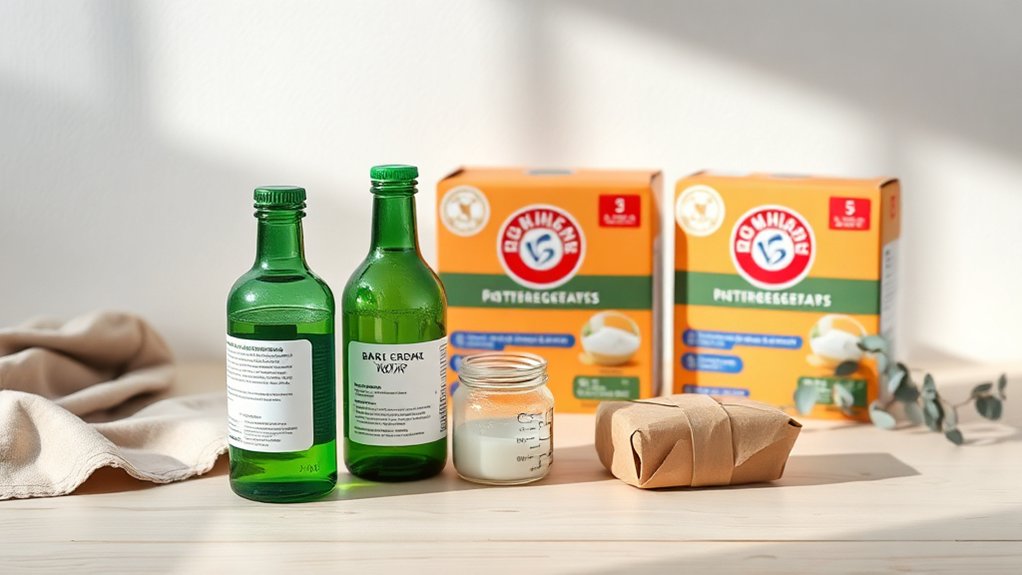
What makes a good alternative to Persil? It’s a detergent that cleans your clothes effectively, suits your washing machine, and fits your preferences.
You can choose from liquid, powder, pods, or sheets, depending on how you like to measure and store detergent.
Consider whether you need a formula for sensitive skin, stain removal, cold-water cycles, or colored fabrics. Check the label for compatible fabrics and follow the recommended dose; using more detergent won’t necessarily improve results.
Popular alternatives include Tide, which offers a broad range of formulas, and Arm & Hammer, known for options with baking soda.
Seventh Generation and Ecover provide plant-based choices, while All Free Clear targets fragrance-sensitive households.
Your best match depends on your laundry needs, scent preferences, and ingredient priorities. Compare product labels to find a detergent that works for your routine.
Best-Value Persil Alternatives
If you’re looking to spend less on laundry, compare detergents by cost per load rather than package price. A large bottle may seem cheaper, but concentrated formulas often clean more loads with less product.
Compare laundry detergents by cost per load, since concentrated formulas may offer more washes for less.
Check the label’s recommended dose, then divide the price by the number of loads listed.
Store brands, such as Kirkland Signature or Aldi’s Tandil, can offer strong cleaning at a lower cost than Persil. Arm & Hammer and Purex are also worth comparing, especially when they’re on sale.
Don’t assume the cheapest option saves money if you need extra detergent to tackle everyday soil. Use the recommended amount, avoid overdosing, and consider coupons or subscription discounts.
Your best value depends on local prices, load size, and how much detergent you actually use.
Which Fragrance-Free Detergents Suit Sensitive Skin?
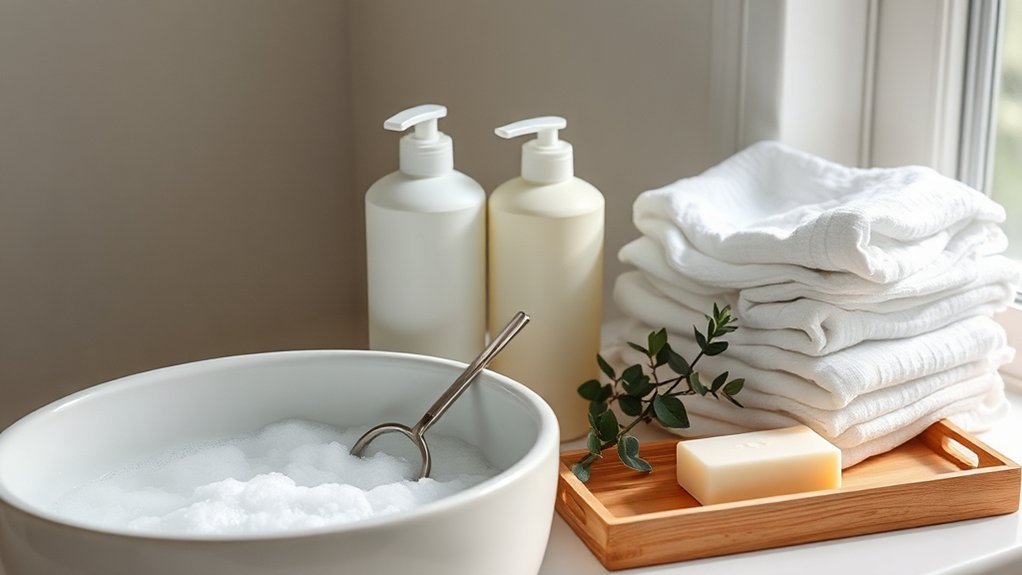
For sensitive skin, fragrance-free detergents can reduce exposure to common irritants, but “unscented” doesn’t always mean fragrance-free. Check the label for “no fragrance” or “fragrance-free,” and review the ingredient list for masking scents. You might try a detergent made for sensitive skin, then watch for itching or redness after washing.
| What to check | Why it matters |
|---|---|
| Fragrance-free label | Avoids added scent |
| Dye-free formula | Reduces another potential irritant |
| Short ingredient list | Makes ingredients easier to review |
Choose a detergent that rinses clean and suits your washer. Use the recommended amount; excess detergent can leave residue on clothes. If irritation continues, switch products and wash clothing again before wearing it. Your skin’s response matters more than a product’s “gentle” claim. For persistent or severe symptoms, ask a healthcare professional for guidance.
Eco-Friendly Persil Alternatives to Consider
When comparing eco-friendly alternatives to Persil, look for concentrated formulas, plant-derived ingredients, and recyclable or refillable packaging. These features can help you reduce packaging waste and avoid some petroleum-based ingredients without sacrificing everyday cleaning power.
Brands such as Seventh Generation, Ecover, and Method offer detergents with plant-derived cleaning agents and packaging designed with sustainability in mind. You can also find laundry strips and powder detergents, which often use less packaging and weigh less to ship than bulky liquid bottles.
Check product labels for clear ingredient information, recycled-content claims, and instructions for recycling or refilling containers. Some formulas carry certifications, such as EPA Safer Choice, that can help you identify products assessed for ingredient safety.
Even greener detergents may contain fragrance or other additives, so review the label if you have sensitivities.
A concentrated product may also require less detergent per load.
How to Choose the Right Detergent for You
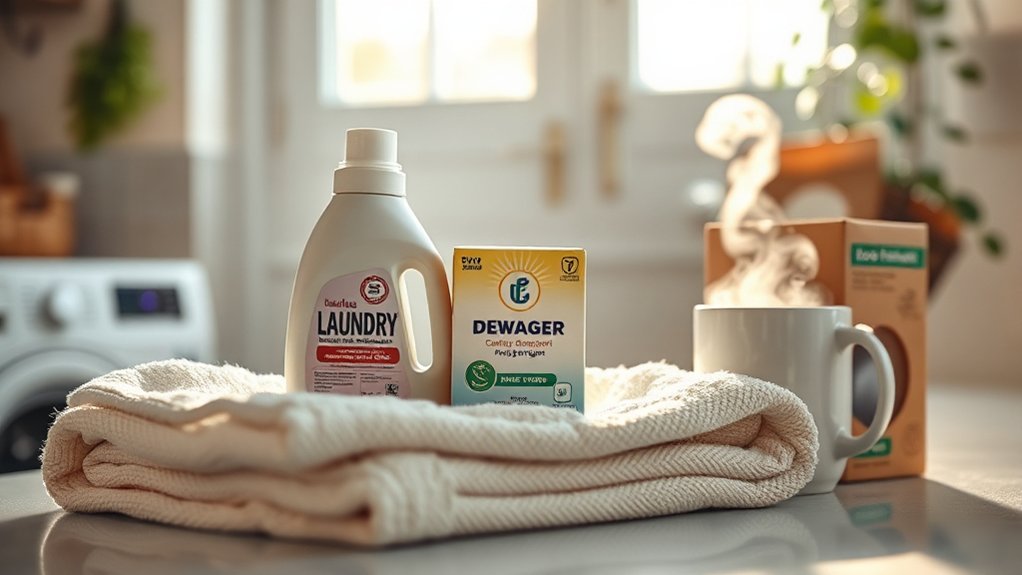
Choosing the right detergent starts with your laundry needs: consider fabric types, water temperature, stain levels, and any skin sensitivities. If you wash delicate fabrics, choose a gentle formula; for heavily soiled work clothes, look for strong stain-fighting ingredients. Cold-water detergents can clean effectively at lower temperatures, helping you save energy and protect colors.
Choose detergent based on your fabrics, water temperature, stains, and skin sensitivities for effective, gentle cleaning.
Next, check the label for compatibility with your machine. High-efficiency washers need low-sudsing detergents, while standard machines can use regular formulas. If fragrances or dyes irritate your skin, try a fragrance-free option designed for sensitive skin.
Compare cost per load rather than package price, and follow dosing instructions to avoid residue or waste. Test a small amount before switching fully, especially if your household has specific needs.
The best choice is one that cleans well, suits your routine, and fits your budget.
Frequently Asked Questions
Is Persil Safe to Use in Septic Systems?
Yes, you can generally use Persil in a septic system when you follow the label directions and use the recommended amount.
Modern septic systems can handle normal laundry detergent use, but excessive detergent may disrupt the tank’s natural bacteria or contribute to buildup.
Choose a low-sudsing formula, avoid pouring concentrated detergent directly into the tank, and spread laundry loads across the week.
Check your product label and septic-system manufacturer’s guidance for specific advice.
Can Laundry Detergent Expire or Lose Effectiveness?
Laundry detergent can lose its punch over time, though it usually doesn’t become unsafe.
Liquid detergent may separate, thicken, or develop an unusual smell.
Powdered detergent can clump when moisture sneaks in.
These changes can make it harder to dissolve and clean effectively.
Check the package for a date or storage guidance; many detergents work best within about a year.
Keep yours tightly closed in a cool, dry place, and replace it if its texture or scent changes.
How Much Detergent Should I Use per Load?
Use the amount listed on your detergent’s label, since formulas and washer sizes vary. For a typical load, you’ll often need about 1–2 tablespoons of concentrated liquid detergent or one pod.
Standard detergent may require more.
Adjust for load size, soil level, and water hardness, but don’t overfill the cap.
If you use a high-efficiency washer, choose HE detergent and follow its dosing instructions.
Too much detergent can leave residue and odors.
Can I Mix Different Laundry Detergents?
You can mix different laundry detergents, but it’s usually safer to use one product per load.
A 2023 American Cleaning Institute survey found that 91% of U.S. households do laundry at least once a week, so keeping your routine simple matters.
Combining formulas may cause excess suds, residue, or skin irritation, especially if you mix detergent types or scents.
If you need to switch, finish one product first, then follow the new detergent’s label.
What Should I Do if Detergent Causes a Skin Reaction?
If detergent causes a skin reaction, stop using it and rinse the affected skin with cool water.
Wash clothing, bedding, and towels that may hold residue with a fragrance-free detergent, and run an extra rinse.
Don’t scratch; instead, apply a cool compress.
If symptoms persist, worsen, or include swelling, blisters, or trouble breathing, seek medical care promptly.
Call emergency services if you have breathing problems.
Check the product ingredients and ask a clinician about testing or suitable alternatives.
Conclusion
The next time you reach for detergent, picture a clean load emerging with the scent, softness, and price you want. You don’t have to stick with Persil to get there.
Compare value picks, fragrance-free formulas, and eco-friendly options. Then check labels for your washer and skin needs.
The right choice may be waiting on the next shelf or already in your laundry room. Try a small load first; the results might surprise you.
Your perfect match could be closer than you think.