Will Oxiclean Kill Grass – Find Out
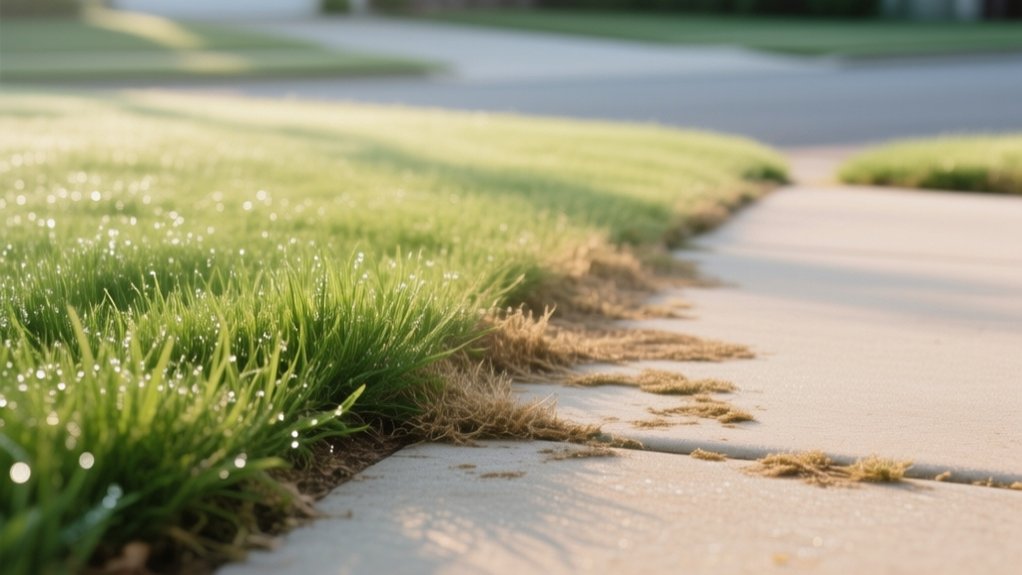
Yes, OxiClean can damage or kill your grass, especially when you spill a concentrated solution or apply it repeatedly. Its sodium percarbonate releases hydrogen peroxide, while sodium carbonate can raise soil pH and stress turf.
If a spill happens, rinse the area immediately with plenty of clean water, using a gentle spray until residue is gone. Mild damage may recover in a few weeks, but severe patches can take a growing season to fill in.
Learn what affects recovery and how to clean nearby surfaces more safely.
Will OxiClean Kill Grass?
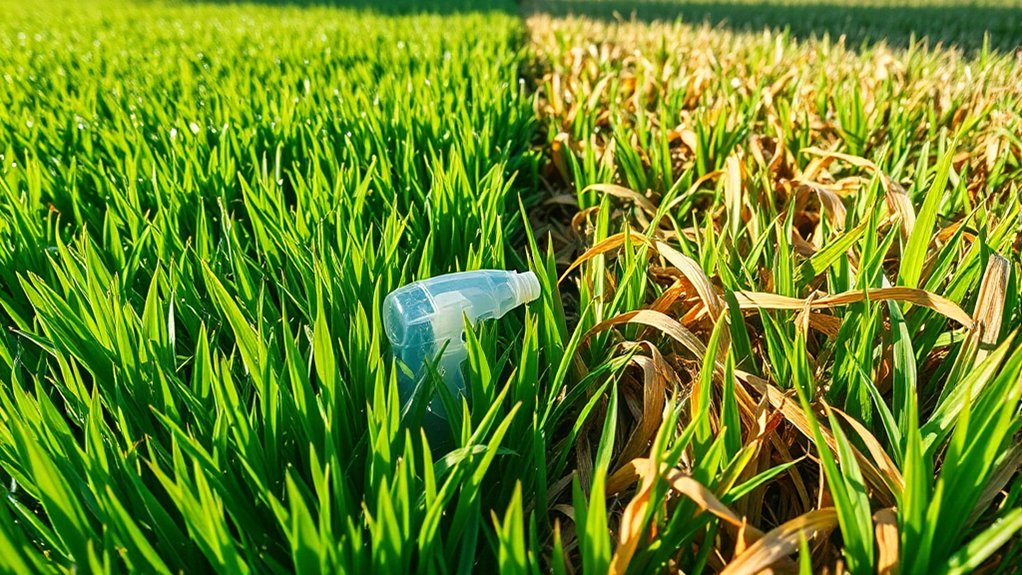
Yes, OxiClean can damage or kill grass, especially if you use a concentrated solution or leave it on the lawn. Your lawn’s risk depends on the product’s ingredients, dilution, exposure time, and grass type.
OxiClean contains sodium percarbonate, which releases hydrogen peroxide and sodium carbonate when mixed with water. These compounds can stress or burn grass blades and roots, particularly at high concentrations.
You may notice yellowing, browning, or bare patches after exposure. A small, diluted amount may cause little harm, but sensitive grass or repeated applications can suffer more serious damage.
Don’t assume that a cleaner labeled oxygen-based is safe for turf. Check the product label, and avoid applying OxiClean to your lawn intentionally.
If you’ve already spilled some, assess the affected area and watch for changes.
How to Rinse OxiClean Off Grass
To rinse OxiClean off grass, start by spraying the area thoroughly with clean water.
This will help wash away any leftover residue. You might need to repeat the process a few times until the grass looks clear and free of any product.
Just keep at it, and the water will do the rest!
Rinse With Clean Water
Once OxiClean has had time to work, rinse the grass thoroughly with clean water. Use a garden hose with a gentle spray, directing water across every treated blade and the surrounding soil. A strong jet can disturb turf or spread cleaner onto nearby plants, so keep the flow controlled. Rinse until no visible suds or residue remain.
- Start at the outer edge of the treated area and work inward, keeping runoff within the patch when possible.
- Lift matted blades gently with your fingers so water reaches their undersides.
- Check low spots where solution may collect, and flush them with additional clean water.
Don’t let concentrated runoff pool near flower beds, drains, or sensitive plants. If you used a large amount, guide excess water away from desirable vegetation while avoiding erosion.
Repeat As Needed
After rinsing, check the grass and repeat with clean water if suds, residue, or a slippery feel remain. Use a gentle spray, moving across the treated area so you don’t concentrate water in one spot.
Keep rinsing until the blades feel clean and the runoff looks clear. Avoid scrubbing, which can damage grass already stressed by the cleaner.
If you used a large amount of OxiClean, rinse the surrounding soil too, since runoff may carry cleaner beyond the original spot. Don’t add vinegar, bleach, or another product to neutralize it; mixing cleaners can create hazards.
Let the area drain naturally, then check it again later.
If residue persists after several rinses, water the spot slowly and thoroughly, allowing time for the soil to absorb and drain between passes.
How OxiClean Affects Grass and Soil
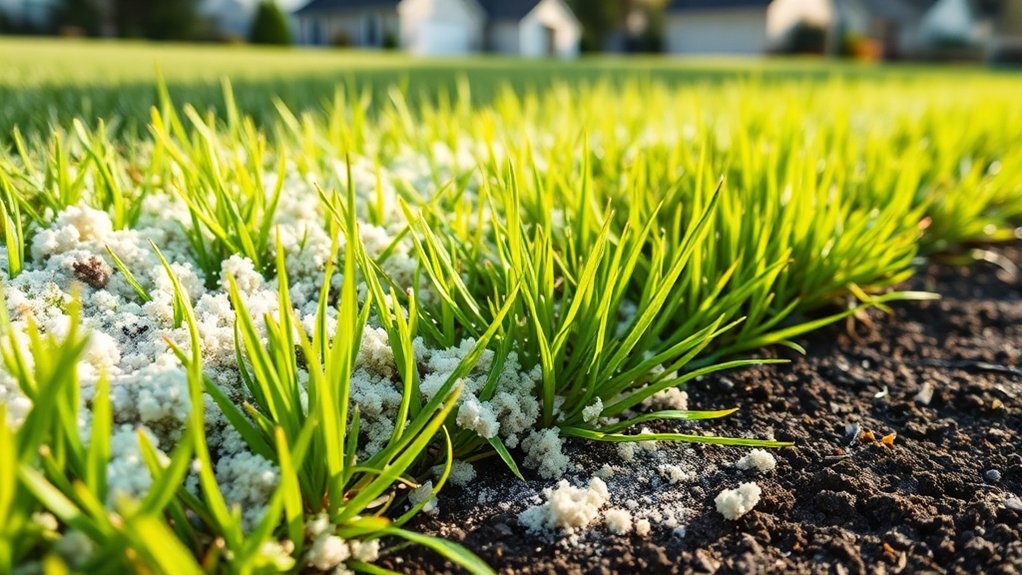
OxiClean can sometimes stress or discolor your grass, especially if you use a strong solution or leave it on for too long. It’s kind of like giving your lawn a bit of a shock.
Plus, the ingredients in OxiClean might also impact the tiny organisms living in your soil and even affect the nutrient balance.
Effects on Grass
When OxiClean solution spills onto grass, its effects depend on the product’s ingredients, concentration, and contact time. A brief splash of diluted cleaner may cause little visible harm, while a strong or prolonged exposure can injure blades.
Some formulas contain sodium percarbonate, which releases hydrogen peroxide in water. That oxidizing action can bleach or damage plant tissue. You may notice symptoms within hours or days:
- Light exposure: Grass may look temporarily pale or stressed, then recover if damage stays minor.
- Heavy exposure: Blades can yellow, brown, wilt, or develop scorched patches.
- Repeated contact: Ongoing spills may kill grass in affected spots, leaving bare areas.
Your results can vary by grass type, weather, and product formula. Check the label, and don’t assume every OxiClean product has identical ingredients or effects.
Soil Health Impacts
Because OxiClean formulas vary, their effects on soil depend on the ingredients, concentration, and amount spilled. Many products contain sodium carbonate or hydrogen peroxide, which can alter soil chemistry when you apply them heavily.
A concentrated spill may raise soil alkalinity, disrupt nutrient availability, or harm beneficial microbes and small soil organisms.
Peroxide breaks down into water and oxygen, but that doesn’t make every formula harmless; other ingredients can remain or affect nearby plants.
If you spill OxiClean on your lawn, blot or scoop up excess powder, then flush the area with plenty of water to dilute residues. Don’t mix it with other cleaners or add more chemicals to neutralize it.
Watch the grass and soil over the next few days. If damage persists, remove contaminated soil and replace it.
Which OxiClean Ingredients Can Harm Grass?
Some OxiClean ingredients can stress or damage grass, especially when the product is concentrated or left on the lawn. Check your product’s label, since formulas vary. These components deserve your attention:
Concentrated OxiClean or residue left on grass may cause damage; check the product label, as formulas vary.
- Sodium percarbonate: This oxygen-based bleaching agent releases hydrogen peroxide and sodium carbonate in water. The peroxide can irritate or bleach grass tissue, while the alkaline residue may disrupt its surface.
- Sodium carbonate: Also called washing soda, it raises pH. If you leave enough on blades or soil, its alkalinity can cause discoloration and interfere with normal growth.
- Surfactants: These cleaning agents help lift stains, but some can strip protective coatings from grass blades or irritate plant tissue. Their effects depend on the type and amount in your formula.
Don’t assume every OxiClean product contains identical ingredients. Read its packaging before use.
When Is OxiClean More Likely to Damage Grass?
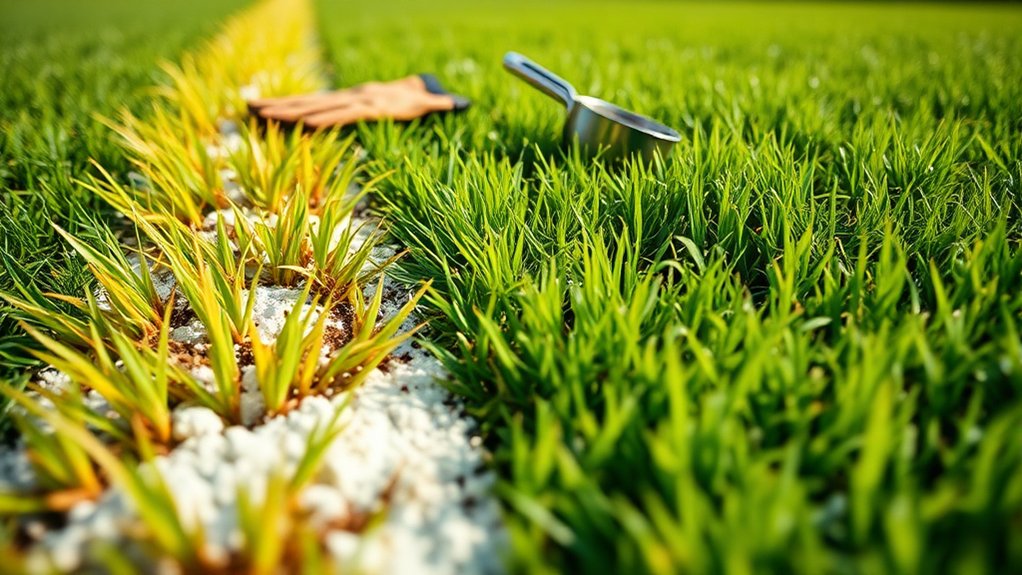
OxiClean is more likely to harm grass when it’s concentrated, sits on blades or soil, or gets applied during hot, sunny weather.
Strong mixtures expose your lawn to more active ingredients, especially if you use more powder than the label recommends. Dry conditions raise the risk because grass already under stress from heat or drought may be less able to tolerate chemical contact.
Direct sunlight can also intensify drying and leave the solution on foliage longer.
Application method matters, too. Spraying or pouring OxiClean directly onto grass creates higher exposure than treating a stain on a nearby hard surface.
Runoff can carry the cleaner into the soil or across the lawn. Poor drainage, repeated applications, and prolonged contact can increase the chance of damage.
Follow product directions and keep the solution off turf whenever possible.
What to Do if OxiClean Turns Grass Brown
If OxiClean turns your grass brown, rinse the area thoroughly with water as soon as possible to dilute and wash away residue.
Then take these steps to limit further stress:
- Remove remaining product. Pick up visible powder or debris with gloves, and rinse nearby hard surfaces so runoff doesn’t reach more grass.
- Check the soil. If cleaner pooled in one spot, gently loosen the surface with a hand rake. Don’t dig deeply or pull out the grass.
- Avoid extra stress. Keep people and pets away, and don’t apply fertilizer, weed killer, or other cleaners to the affected patch.
Use plain water if the area looks dry, but avoid flooding it.
Note where the spill occurred and what product you used. If the brown area spreads, contact a local lawn-care professional for advice.
How Long Does Grass Take to Recover?
Grass may begin to recover within a few weeks if the damage is mild, but badly affected patches can take a growing season or longer to fill in. Your timeline depends on how much of the lawn was exposed, how deeply the roots were affected, and the grass variety.
If the crowns and roots survive, existing plants may produce fresh blades fairly quickly. If they’ve died, new growth must spread from nearby healthy grass or seedlings, which takes longer.
Watch for steady new growth rather than expecting instant color. A patch that stays bare after several weeks may need reseeding, especially during the growing season.
Cool-season grasses often recover fastest in fall or spring, while warm-season grasses grow best in warm weather.
Give the lawn time, and assess progress over several weeks.
How to Clean Near Grass More Safely
To prevent another damaged patch, keep cleaning solutions away from the lawn whenever possible. Before using OxiClean on a patio, siding, or walkway, check the product label and protect nearby grass. Even diluted cleaner can stress turf, especially during hot, dry weather.
- Cover the lawn. Lay down a plastic sheet or tarp, securing its edges so spray and runoff can’t reach the grass. Remove the cover promptly to avoid trapping heat.
- Control application. Mix only the amount you need, use a sponge or low-pressure sprayer, and work away from the lawn. Don’t pour leftover solution onto soil.
- Rinse responsibly. Direct rinse water toward a drain or gravel, not the turf. If any cleaner splashes onto grass, flush the area with plenty of clean water right away.
Test a small surface area first.
Frequently Asked Questions
Can Oxiclean Be Used to Remove Stains From Artificial Turf?
Yes, you can use OxiClean to remove some stains from artificial turf, but check the product label and test a hidden spot first.
Mix it as directed, apply it to the stained area, and gently scrub with a soft brush.
Rinse thoroughly with clean water so no residue remains. Avoid overly concentrated solutions, and don’t mix OxiClean with other cleaners.
For delicate or specialty turf, follow the manufacturer’s care instructions.
Is Oxiclean Safe to Use Around Pets on Lawns?
OxiClean isn’t automatically safe for pets on lawns; safety depends on the product and how you use it.
Keep pets away while you apply it, and don’t let them lick treated grass or drink runoff.
Follow the label’s dilution and re-entry instructions.
Then wait until the area’s fully rinsed and dry before letting pets back.
If your pet ingests any solution or develops symptoms, contact your veterinarian or a pet poison hotline.
Can Oxiclean Damage Lawn Furniture or Outdoor Fabrics?
Yes, OxiClean can damage some lawn furniture and outdoor fabrics, especially if you use a strong solution or leave it on too long.
It may fade colors, weaken delicate fibers, or affect painted, stained, or coated surfaces.
Check the care label and test a hidden spot first.
Use the recommended dilution, rinse thoroughly, and don’t mix it with other cleaners.
Avoid using it on materials labeled “do not bleach.”
Does Oxiclean Expire or Lose Effectiveness Over Time?
OxiClean’s shelf life is a fading battery: it can lose strength over time, especially after you open it or expose it to moisture and heat.
You’ll get the best results by storing the powder tightly sealed in a cool, dry place.
Make sure to check the package for a date or storage guidance. If it’s clumpy, damp, or no longer dissolves well, replace it.
Fresh product should work more reliably for your cleaning tasks.
What Protective Gear Should I Wear When Handling Oxiclean?
Wear chemical-resistant gloves and safety goggles when handling OxiClean, especially if you’re mixing or pouring it.
You should also wear clothing that covers your skin since the powder or solution can irritate you.
Work in a well-ventilated area, and avoid breathing dust or splashing the product into your eyes.
If you’re handling a large amount, consider a dust mask.
Always check your product’s label for specific precautions, and wash your hands after use.
Conclusion
OxiClean can damage grass, especially when you spill a concentrated solution or leave it sitting in hot, dry weather. If a splash lands on your lawn, rinse it away promptly with plenty of water. Then watch for browning over the next few days.
Most minor damage can recover with time and care. Think of your lawn as a green carpet: protect it from harsh cleaners, and keep OxiClean use to hard surfaces whenever possible.