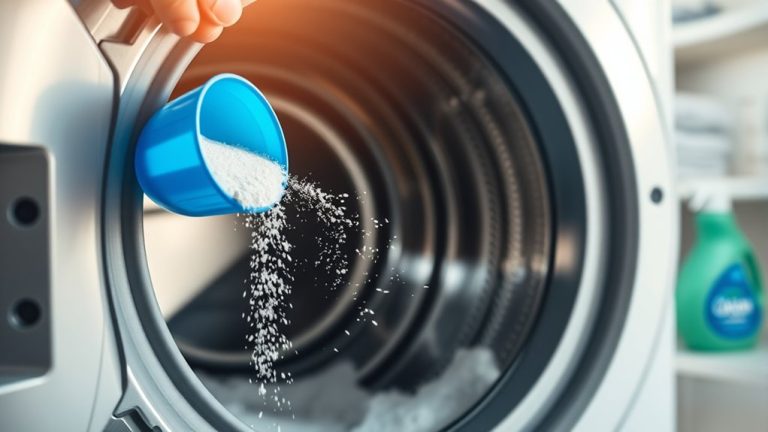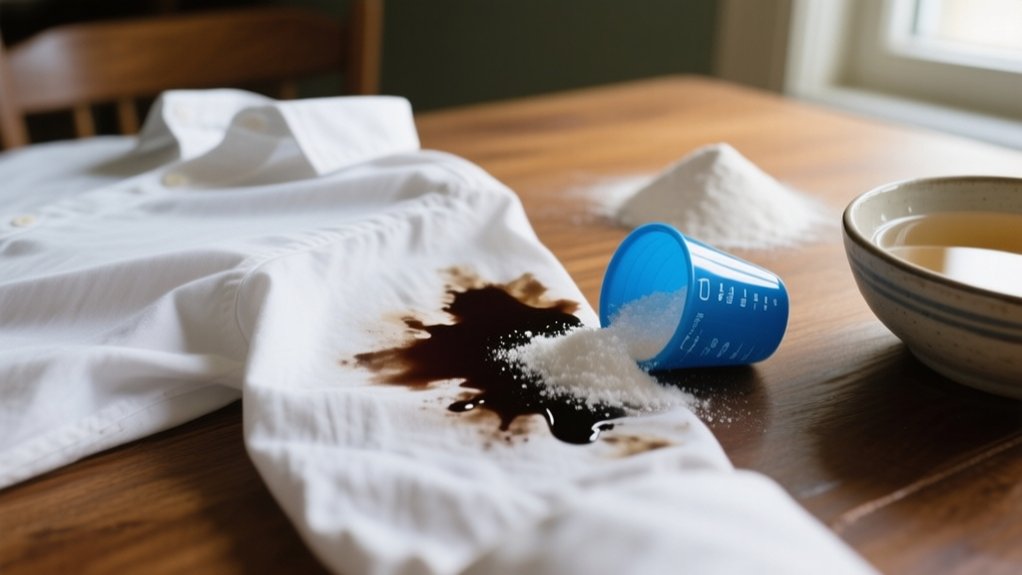
Will Oxiclean Remove Oil Stains From Clothes – Find Out
Yes, OxiClean can help remove oil stains from washable clothes, but results depend on the fabric and how quickly you treat the mark. Check your garment’s care label and the OxiClean instructions first, then blot fresh oil without rubbing.
Apply the laundry formula as directed, wash at the warmest temperature the label allows, and inspect the stain before drying. Heat can set remaining oil, so treat persistent marks again. Keep going for practical steps to handle stubborn stains safely.
Will OxiClean Remove Oil Stains From Clothes?
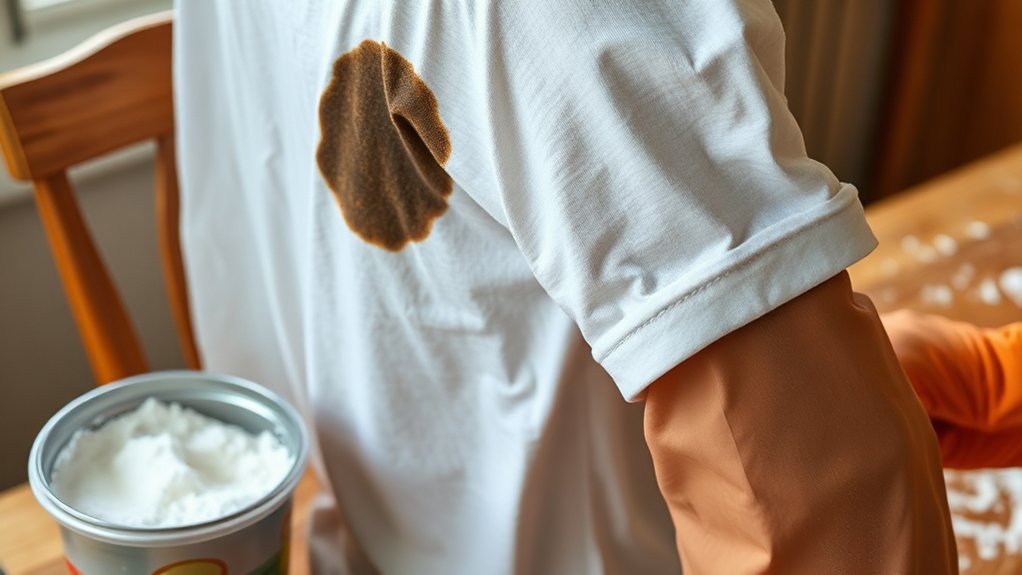
Yes, OxiClean can help remove oil stains from clothes, especially when you treat them promptly. For best results, check your garment’s care label first and choose an OxiClean product that’s safe for its fabric.
Blot away excess oil with a clean cloth, then apply the product as directed. You can soak washable items in a solution of OxiClean and water, following the package instructions for the correct amount and soaking time.
Afterward, wash the garment with detergent at the warmest temperature allowed by its care label.
Check the stain before drying because heat can make remaining marks harder to remove. If you still see oil, repeat the treatment and wash again.
Test the product on a hidden area first, and don’t use it on wool, silk, or leather unless the label says it’s safe.
Why Oil Stains Stick to Clothing
Oil stains cling to clothing because oil repels water and slips between fabric fibers, where ordinary washing may not reach it. When you spill cooking oil, lotion, or grease, the liquid spreads across the fabric and coats individual threads.
Its slippery molecules don’t dissolve in water, so a regular wash may leave behind a greasy film. Heat can make the problem worse by helping oil settle more firmly into the fibers.
Oil resists water, so washing may leave a greasy film, while heat can help it cling more firmly to fibers.
Some fabrics also absorb oil quickly, allowing a stain to spread deeper before you notice it. That’s why a spot may look faint when wet but become darker and more visible as the garment dries.
To remove it, you need a cleaner that can loosen the oily residue, not just rinse the surface with water. A quick response can help limit the stain.
Check Both Care Labels Before Treating
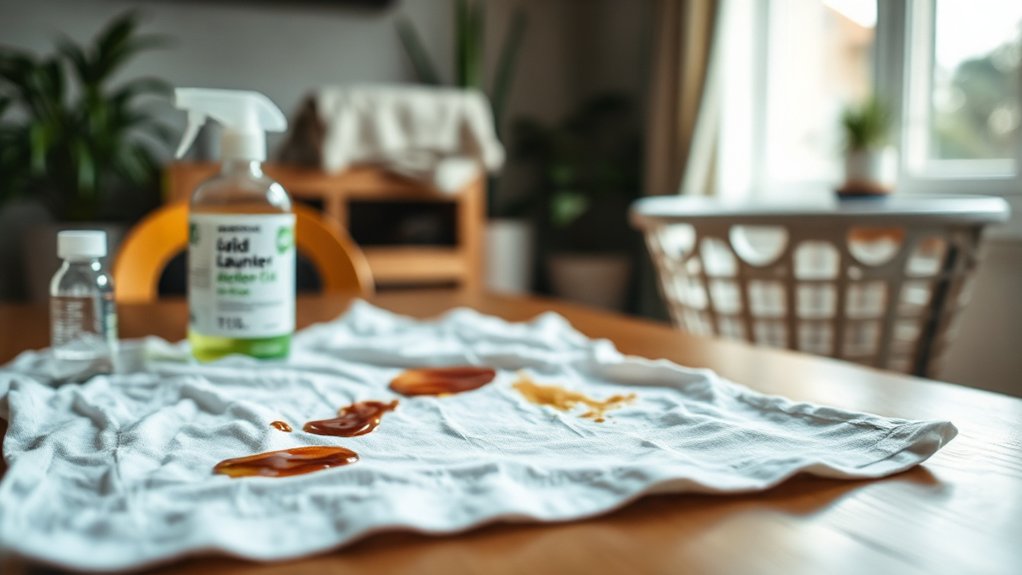
Before applying OxiClean, check both the garment’s care label and the product label. Your clothing label tells you which washing methods and temperatures the fabric can handle. Look for warnings such as “dry clean only,” instructions to wash in cold water, or restrictions on bleach and stain removers.
If the label is missing or unclear, check the manufacturer’s care guidance before proceeding.
Next, read the OxiClean package to confirm that the specific product suits your garment and intended use. Products and formulas can have different directions, limits, and fabric exclusions, so don’t assume every version works the same way.
Follow the stated dilution, temperature, and treatment-time instructions, and heed any warnings about delicate materials, dyes, or finishes.
If either label advises against treatment, choose a safer method or consult a professional cleaner.
Blot Fresh Oil Stains First
If the oil stain is fresh, start by blotting up as much excess oil as you can.
Just grab a clean cloth and press gently—no rubbing!
Rubbing might actually push the stain deeper into the fabric, which you definitely want to avoid.
Blot Excess Oil
Act quickly when oil spills on fabric: blot the fresh stain with a clean paper towel or cloth to absorb as much excess oil as possible. Press gently, lifting straight up so you don’t spread the oil or push it deeper into the fibers.
Work from the stain’s outer edge toward its center, which helps keep the mark from growing. Turn the garment over and blot the reverse side if oil has seeped through.
Replace the towel or cloth as soon as it looks oily; a saturated surface can transfer oil back onto the fabric. Keep blotting until you’ve removed what you can, but don’t rub, scrub, or squeeze the stained area.
These careful first steps limit how much oil remains and make later stain treatment more effective.
Use a Clean Cloth
For a fresh oil stain, grab a clean, absorbent cloth and gently blot the spot. A white cotton cloth or plain paper towel works well because it won’t transfer color or lint onto your clothes.
Press the cloth against the stain to draw oil from the fabric, then lift it straight away. Check the cloth as you work, and switch to a clean section as soon as it picks up oil. This keeps you from transferring residue back onto the garment.
If you’re using paper towels, replace each one when it becomes saturated. Continue blotting with fresh, dry material until little or no oil transfers.
Work over a stable surface, and keep the stained area separate from other parts of the garment.
Once you’ve finished, prepare to treat the remaining mark.
Avoid Rubbing the Stain
Rubbing can push oil deeper into the fibers and spread it to a larger area, so blot a fresh stain instead.
Place a clean, absorbent cloth or paper towel over the spot and press gently. Lift it straight up, then move to a clean section and repeat. This helps draw out excess oil without transferring it elsewhere.
Don’t scrub, wipe back and forth, or press so hard that you force the oil through the fabric. If the stain’s on both sides, put a clean towel underneath to keep it from reaching the opposite layer.
Keep blotting until the cloth stops picking up oil.
Then follow the care label and apply an appropriate pretreatment, such as OxiClean, before washing.
Check the stain before drying; heat can set any remaining oil.
Treat Oil Stains With OxiClean
OxiClean can help lift some oil stains, but it works best on washable fabrics when you treat the spot promptly. Check the garment’s care label first, and don’t use the product on wool, silk, leather, or other materials the label excludes.
OxiClean may lift fresh oil stains from washable fabrics, but check the care label before treating the garment.
Choose an OxiClean formula labeled for laundry and follow its package directions; products and concentrations can vary.
For a spot treatment, mix the recommended amount of powder with water, or use a compatible liquid formula as directed. Apply the solution to the stained area, covering the oil without saturating delicate fabric. Let it sit only for the time stated on the label.
Don’t let the mixture dry on the garment, and avoid combining OxiClean with chlorine bleach or other cleaners. If you’re unsure how the fabric will react, test the solution on a hidden area first.
Wash the Garment and Check Before Drying
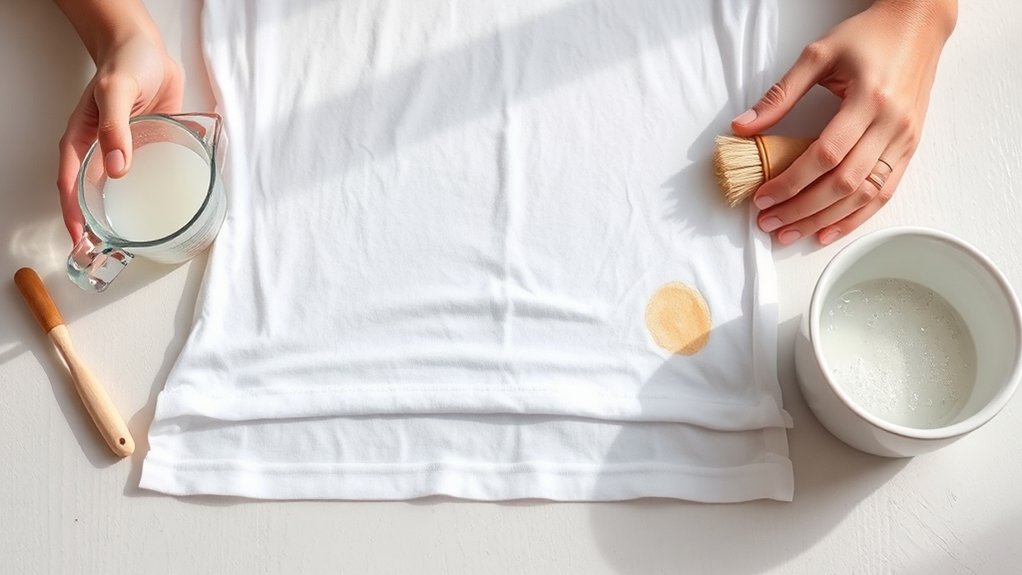
Wash the garment using the cycle recommended on its care label.
Before you put it in the dryer, take a moment to check if the oil stain is completely gone. That’s important because heat can set the stain for good.
If you still notice the stain, just treat it again and run it through the wash one more time.
Choose the Right Wash Cycle
Once you’ve treated the stain, wash the garment using the warmest water allowed on its care label and the cycle recommended for the fabric.
Choose a regular cycle for sturdy cottons and linens, which can handle thorough agitation.
For delicate fabrics, select the gentle or delicate setting to reduce friction and help protect fibers.
Use a shorter cycle for lightly soiled items, but give heavily soiled garments enough time for the detergent and wash action to work.
Add your usual laundry detergent, following the product’s dosing instructions; don’t overload the washer, since clothes need room to move freely.
Wash similar colors and fabrics together, and follow any care-label instructions about washing separately.
If you’re unsure which setting suits the garment, choose the gentler option to limit wear while it gets cleaned.
Check Before Drying
After the cycle ends, check the stain before putting the garment in the dryer. Remove the clothing while it’s still damp, then inspect the treated area under bright light.
Look at the fabric from different angles, since oily marks can be hard to see when the material is wet. If you’re unsure, let the garment air-dry briefly so you can judge the spot more clearly.
Don’t use a heated dryer until you’ve confirmed the stain is gone. Heat can set remaining oil into the fibers, making the mark much harder to remove.
Check both sides of the fabric, especially if the oil soaked through. Once the area looks clean, you can dry the garment according to its care label.
If any discoloration remains, keep it out of the dryer and follow the next treatment step.
Repeat If Needed
If the oil mark remains, repeat the stain treatment and wash the garment again according to its care label. Before you start, check the fabric’s care instructions and the Oxiclean product label to confirm the treatment is suitable.
Apply the product as directed, then wash with your usual detergent at the recommended temperature. Don’t put the garment in the dryer yet: heat can set leftover oil and make it harder to remove.
| Check | What to do | Why it matters |
|---|---|---|
| Stain | Inspect in good light | Spot any residue |
| Fabric | Follow care label | Avoid damage |
| Drying | Air-dry until clear | Prevent setting |
After washing, inspect the spot while the garment is still damp. If you can still see oil, repeat the process before drying. Once the mark disappears, air-dry or tumble-dry as the care label allows.
Remove Oil Stains That Still Remain
If an oil mark remains after the first wash, don’t put the garment in the dryer. The heat can set the stain. Check the care label, then treat the spot again while the fabric is still damp or dry.
Apply a small amount of liquid laundry detergent or dish soap directly to the mark. Gently work it into the fibers with your fingers or a soft brush, and let it sit for 10 to 15 minutes.
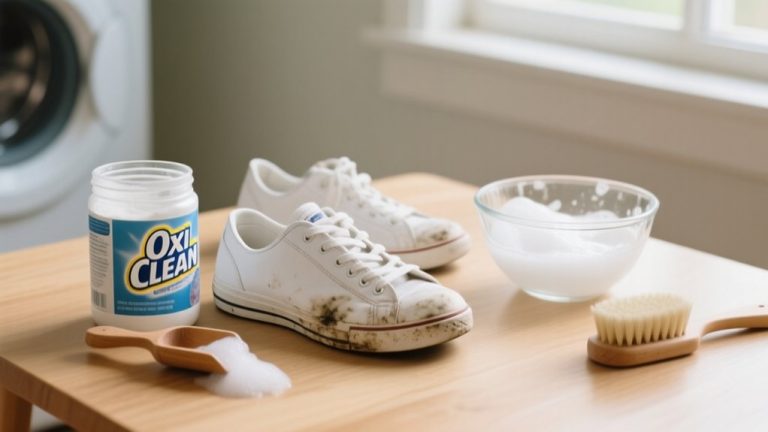
For washable, colorfast fabrics, you can also soak the item in an OxiClean solution, following the package directions and testing a hidden area first.
Wash again using the warmest water the label allows. Inspect the stain before drying. If it’s still visible, repeat treatment and washing.
For delicate or dry-clean-only clothing, consult a professional cleaner.
Frequently Asked Questions
Can Oxiclean Damage Colored Clothing?
Yes, OxiClean can damage colored clothing, especially if you use too much, leave it soaking too long, or apply it to delicate or unstable dyes.
Check the garment’s care label and OxiClean product directions before treating it.
Test the solution on a hidden area first, and don’t use it on wool, silk, leather, or garments labeled dry-clean only.
Rinse thoroughly, and stop if you notice color fading or bleeding.
Is Oxiclean Safe for Use Around Pets?
OxiClean can be safe around pets when you use it as directed, but keep your animals away from the product and treated surfaces until they’re fully rinsed and dry.
The ASPCA Animal Poison Control Center handles more than 400,000 calls annually, highlighting how often pets encounter potential hazards.
Store OxiClean securely, avoid letting pets lick spills or laundry, and contact your veterinarian or a poison-control service if your pet ingests it or shows symptoms.
Can Oxiclean Remove Oil Stains From Upholstery?
Yes, OxiClean may remove oil stains from upholstery, but results depend on the fabric and product.
Check the care label first, and test a hidden spot for color changes or damage.
Don’t apply the powder directly or soak the material. Instead, follow the package directions for a suitable upholstery-safe solution.
Blot the stain gently with a clean cloth, working from the outside inward. Avoid rubbing, which can spread the oil or damage fibers.
Let the area dry completely.
How Should Oxiclean Be Stored?
Store OxiClean in a cool, dry place, tightly sealed and out of children’s reach.
Moisture can make its powder clump or activate, so don’t keep it near sinks, showers, or damp laundry areas.
In fact, even a small amount of water can start the product’s oxygen-releasing reaction.
Keep it in its original container, away from heat and direct sunlight, and never mix it with other cleaners.
Check the label for product-specific storage guidance.
Can Oxiclean Be Mixed With Other Laundry Products?
You can mix OxiClean with some laundry products, but check the package directions first.
It’s generally safe to use with detergent in a wash load.
Don’t combine it with chlorine bleach, ammonia, or other cleaners since mixing chemicals can release dangerous fumes or cause harmful reactions.
If you’re unsure about another product, use OxiClean separately and follow its label.
Keep products in their original containers and never mix concentrated solutions together.
Conclusion
OxiClean can help lift oil stains from clothes, but success depends on the fabric, stain, and treatment. Check care labels, blot fresh oil, and follow product directions before washing.
Always inspect the garment before drying because heat can set any oil that remains. If the stain persists, treat it again or try another fabric-safe method.
Think of stain removal as peeling back layers. Patience gives you the best chance to reveal clean clothing without damaging the garment.