How Does Oxiclean Stain Remover Work – Simple Breakdown
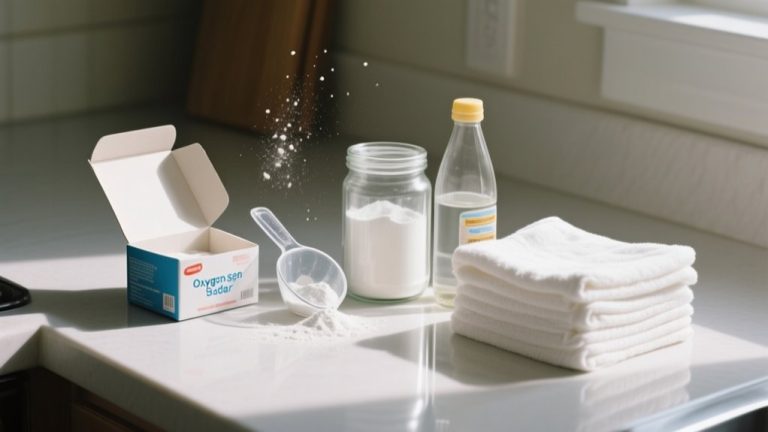
OxiClean stain remover works by releasing oxygen when you mix it with water. Its active ingredient, sodium percarbonate, breaks down into hydrogen peroxide and sodium carbonate. The oxygen bubbles help loosen stain particles from fabric fibers, while the alkaline solution helps break down grime.
You’ll usually get the best results on fresh food, grass, dirt, coffee, and sweat stains, though success depends on the stain and fabric. Keep going to learn how to use it safely and what to avoid.
How Does OxiClean Work?
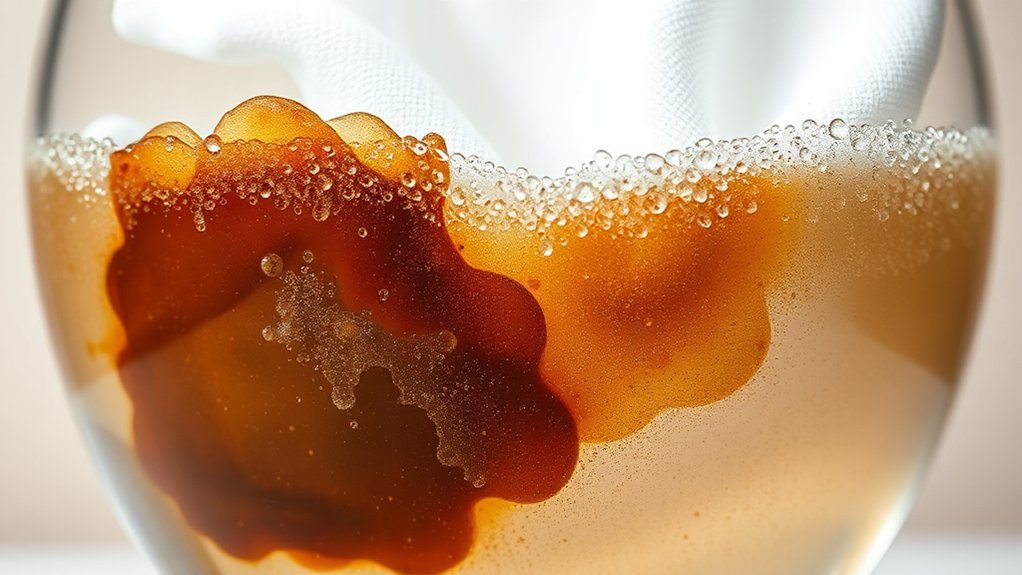
OxiClean works by releasing oxygen when you mix it with water. Its main active ingredient, sodium percarbonate, separates into hydrogen peroxide and sodium carbonate. The peroxide supplies oxygen, while the carbonate helps create an alkaline cleaning solution.
When you apply the mixture, oxygen bubbles help loosen material from fabric fibers. The solution also helps break down grime, making it easier for you to lift away during washing.
Water activates the powder, so prepare and use the mixture as directed on the product label. For best results, dissolve the powder fully and give the solution enough contact time, following package instructions.
Don’t mix OxiClean with other cleaners unless the label says it’s safe. Always check the care label and test the solution on a hidden area first, especially when you’re treating delicate or colored fabrics.
Which Stains Can OxiClean Remove?
You can use OxiClean on lots of common household stains, like food, grass, and dirt. It works pretty well for these types of stains, but how well it works really depends on the stain and the fabric you’re treating.
That said, some stains—like dye or set-in oil—might not come out completely, no matter how hard you try.
Common Household Stains
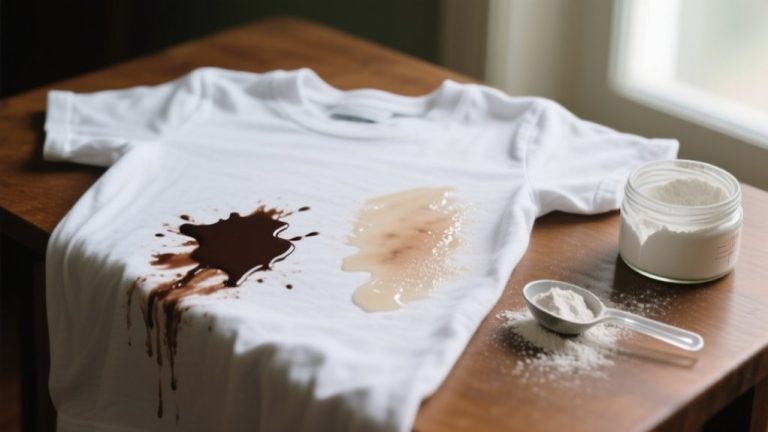
From coffee spills to grass stains, OxiClean can help remove many common household stains from washable fabrics. Its oxygen-based formula helps loosen stains, so you can treat everyday messes before they settle into fibers.
Check the product label and your garment’s care instructions, then test a hidden spot before treating a visible area.
You may find it useful for stains such as:
- Food and drinks: Coffee, tea, juice, and sauces can leave colorful marks on shirts, napkins, or tablecloths.
- Outdoor messes: Grass and mud stains on play clothes may respond to pretreatment.
- Body stains: Sweat and deodorant marks can build up on washable tops and towels.
- Household spills: Dirt and some everyday grime on washable linens may lift with proper use.
Treat stains promptly, follow the package directions, and wash items as usual.
Stains It May Not Remove
Even versatile oxygen-based cleaners have limits: OxiClean may not remove set-in stains, dye transfers, or marks from nonwashable materials.
If a stain has bonded deeply to fabric fibers, repeated washing may not lift it, especially after heat from a dryer sets it.
OxiClean also may not reverse color bleeding, because transferred dye can cling to another garment like a stain.
On wool, silk, leather, or other materials labeled dry-clean-only, don’t apply the product unless the care instructions allow it; you could damage the item.
Rust and some mineral stains may also resist oxygen bleach, while ink, paint, and permanent marker often need a specialized treatment.
Check the label, test a hidden spot, and follow directions.
If the mark remains, consult a cleaner rather than escalating treatment and risking fabric damage.
How Do You Use OxiClean?
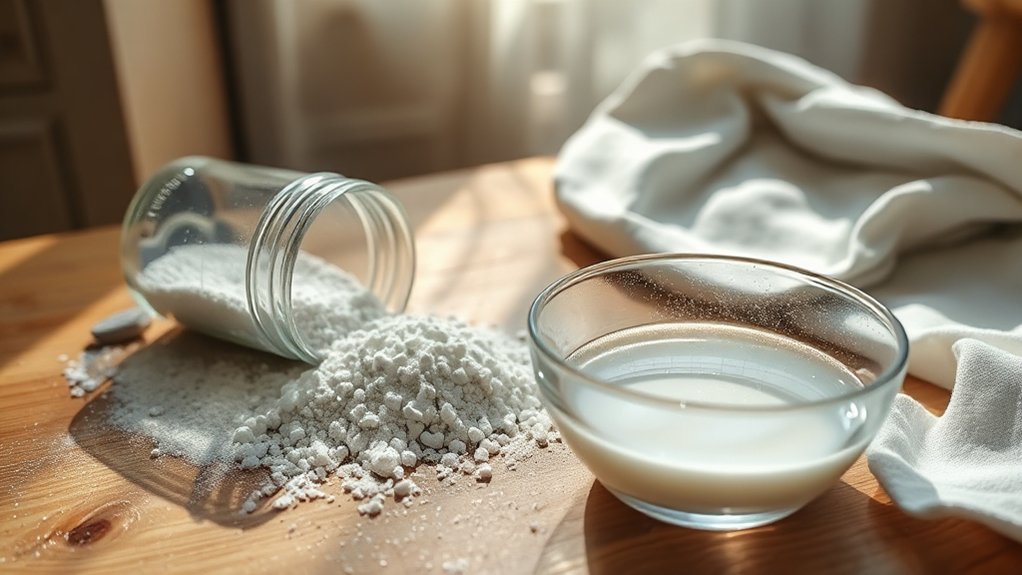
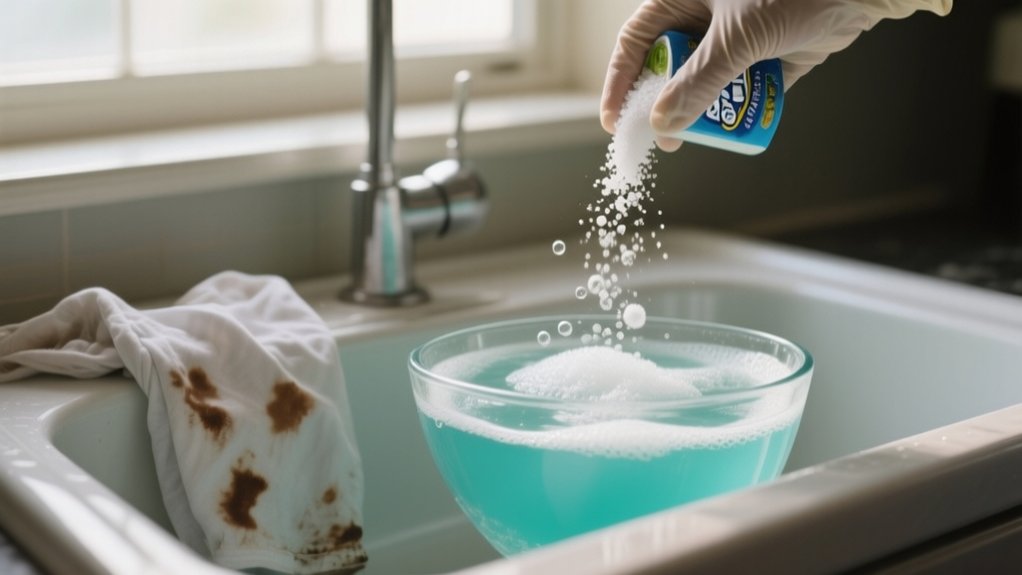
To use OxiClean, dissolve the recommended amount in water, then soak or wash the stained item according to the product label.
Check the package first because formulas and directions can vary. Using extra powder won’t necessarily improve results. For a straightforward routine, follow these steps:
Check the label for the right dose and directions; using extra powder won’t necessarily improve results.
- Check the care label: Confirm the fabric can handle water and oxygen-based bleach.
- Test first: Apply the solution to a hidden spot, then check for color changes.
- Mix carefully: Use the listed dose and water temperature, and stir until the powder dissolves.
- Treat and rinse: Soak for the stated time or add the solution as directed during washing, then rinse or wash thoroughly.
Don’t let the solution dry on fabric, and don’t mix OxiClean with chlorine bleach or other cleaners.
Wear gloves if you have sensitive skin.
Can You Use It on Carpets and Upholstery?
You can use some OxiClean products on carpets, but it’s important to check the label before applying them.
When it comes to upholstery, it’s a good idea to test a hidden spot first. This way, you can make sure the fabric won’t fade or get damaged.
Just follow the product’s application directions carefully, and then rinse and blot the area as instructed.
Carpet Compatibility
OxiClean can work on some carpets and upholstery, but compatibility depends on the product and fabric. Check the label on your specific OxiClean cleaner before applying it; formulas aren’t interchangeable, and some aren’t intended for carpet use.
Then check your carpet manufacturer’s care instructions for approved cleaning methods.
For a cautious first check, choose a hidden spot, such as inside a closet. Apply the cleaner as directed, using only the recommended amount. Wait the label’s stated time, then blot or rinse as instructed.
Let the area dry completely and check for color change, residue, or texture differences.
If the test looks good, treat the stain according to the label, and avoid soaking the carpet.
For upholstery, confirm that both the cleaner label and furniture care code allow the product before proceeding.
Upholstery Fabric Safety
For upholstery, check both the OxiClean label and the furniture’s care code before treating a stain. A product that’s suitable for some fabrics may damage others, so don’t assume your carpet’s compatibility applies to furniture.
Look for cleaning instructions on the tag: W means water-based products are allowed, while S calls for solvent-based cleaners. X means vacuuming or brushing only; don’t use OxiClean on that fabric.
If there’s no care code, contact the manufacturer or choose a cleaner specifically approved for the material. Avoid using OxiClean on wool, silk, leather, or fabrics labeled dry-clean-only, unless the product label explicitly says it’s safe.
Colorfastness also matters: oxygen-based cleaners can lighten dyes or leave uneven patches.
When in doubt, consult a professional upholstery cleaner to protect the fabric and its finish.
Application And Rinsing
Once the fabric passes its care-code and colorfastness checks, follow the product label to mix and apply the solution. Don’t saturate carpet or upholstery. You can use OxiClean on suitable surfaces, but check that your specific formula is approved for them.
- Blot fresh spills with a clean, dry cloth. Don’t rub, which can push stains deeper.
- Apply a small amount of prepared solution to a cloth, then dab the stain from the outside inward.
- Let it sit only as directed on the label. Keep the area damp, not soaked, and don’t let the product dry.
- Blot with a separate cloth dampened with clean water to remove residue, then press with a dry towel.
Allow the spot to air-dry fully. If discoloration or residue remains, stop and consult a cleaning professional.
Which Fabrics Are Safe for OxiClean?
Before treating a garment, check its care label: OxiClean is generally safe for colorfast, washable fabrics such as cotton, polyester, and most blends.
But avoid using it on wool, silk, leather, or fabrics labeled dry-clean-only.
For other washable items, test the product on a hidden area first. Mix and apply it as directed, then check the test spot for color changes or damage before treating the whole garment.
You can use OxiClean on many everyday items, including towels, sheets, and durable clothing, as long as their labels permit it.
Follow each item’s care instructions, including water temperature and washing method.
When you’re unsure about a fabric or finish, choose a gentler cleaning method or ask the manufacturer for guidance.
A small test helps you protect the garment while checking whether OxiClean suits its material.
What Should You Avoid Using It On?
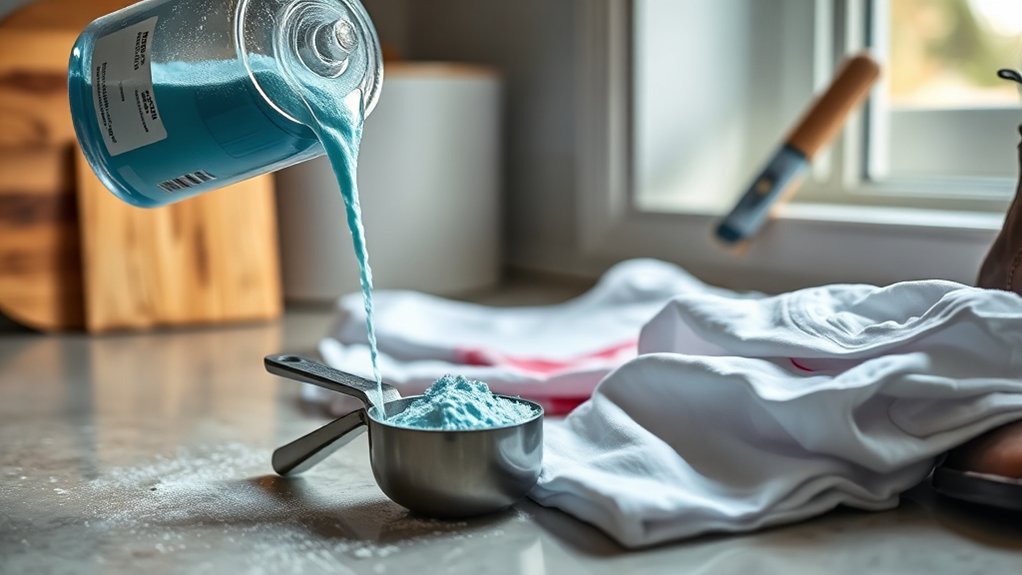
Avoid using OxiClean on wool, silk, leather, or items labeled dry-clean-only, as it may damage the material.
Check care labels before treating anything, and test a hidden spot first when you’re unsure.
Keep the product away from these surfaces and materials:
- Metal fasteners: Prolonged contact may affect buttons, zippers, or decorative trim.
- Wood and wicker: The solution can discolor finishes or weaken natural fibers.
- Carpets and upholstery: Use only if the manufacturer permits oxygen-based cleaners; delicate dyes or backing may be affected.
- Non-colorfast fabrics: Bright colors can fade or transfer, so don’t assume an item is safe based on its fiber alone.
Don’t mix OxiClean with chlorine bleach or other cleaners.
Follow the package directions, protect nearby surfaces, and rinse treated areas as directed.
If the label warns against it, choose another method.
Why Didn’t OxiClean Remove the Stain?
Why didn’t OxiClean remove the stain? The product may not have matched the stain’s chemistry. Oxygen-based cleaners work well on many food, drink, and organic marks, but they can struggle with oil, grease, ink, or dye.
OxiClean may not remove every stain—oxygen-based cleaners can struggle with oil, grease, ink, and dye.
A stain that’s already set may also resist treatment, especially after heat from a dryer bonds it to the fabric.
You might’ve used too little product, applied it unevenly, or left it on for too short a time. Fabric type and water temperature can affect results, too, since some formulas perform better in warm water while certain materials need cooler conditions.
Finally, a stain may look lighter without disappearing completely; residue or discoloration can remain.
Check the care label and product directions to confirm the formula suits the fabric and stain before deciding it didn’t work.
How Can You Use OxiClean Safely?
To use OxiClean safely, follow the label directions and check the garment’s care tag first. Test the solution on a hidden spot to check for color changes. Wear gloves if you have sensitive skin, and work in a ventilated area.
Never mix OxiClean with chlorine bleach or other cleaners because dangerous reactions can occur.
- Measure carefully: Use the amount listed on the package; stronger isn’t always better.
- Dissolve fully: Mix the powder with water as directed before soaking or applying it.
- Limit contact: Don’t leave fabric in the solution longer than the label recommends.
- Rinse thoroughly: Wash treated items well, and keep the product away from children and pets.
Avoid using OxiClean on wool, silk, leather, or other materials the label excludes.
If irritation occurs, rinse your skin with water and stop using the product.
Frequently Asked Questions
Is Oxiclean Safe for Septic Systems?
Yes, OxiClean is generally considered safe for septic systems when you use it as directed.
Its oxygen-based ingredients break down into substances that are less harmful to septic bacteria than chlorine bleach.
Still, you shouldn’t pour large amounts into drains or use it excessively, since any household cleaner can disrupt a system in high concentrations.
Follow the product label, spread laundry loads out, and maintain your septic tank regularly to keep it working well.
Does Oxiclean Expire or Lose Effectiveness Over Time?
Yes, OxiClean can lose effectiveness over time, especially if moisture, heat, or air reaches the powder.
You’ll get the best results when you store it tightly sealed in a cool, dry place and follow the package’s shelf-life guidance.
If your powder’s clumped, damp, or no longer dissolves well, replace it.
Liquid formulas may degrade faster, so check their label and discard them if they’ve changed in color, texture, or smell.
Can Oxiclean Be Used in High-Efficiency Washing Machines?
Yes, you can use OxiClean in a high-efficiency (HE) washer, just don’t turn your laundry room into a foam volcano.
Check the product label first, since directions vary by formula.
Add the recommended amount to the washer’s drum or dispenser as directed, and avoid exceeding the dose.
OxiClean is a laundry booster, not a replacement for HE detergent.
For best results, follow your machine’s instructions and the care labels on your clothes.
Is Oxiclean Tested on Animals?
OxiClean’s animal-testing status depends on the product and its ingredients. The brand says it doesn’t test finished products on animals, but that doesn’t necessarily mean every ingredient has never been tested by suppliers or others.
If you want to avoid animal testing, check the specific product’s packaging and current company policy, or contact the manufacturer directly.
You can also look for independent cruelty-free certification, since claims and standards may differ between organizations.
Does Oxiclean Contain Chlorine Bleach?
No, most OxiClean stain removers don’t contain chlorine bleach; they use oxygen-based ingredients instead.
Picture a tiny fizzing reaction: hydrogen peroxide breaks down into water and oxygen, helping lift stains without chlorine’s bleaching action.
Check your product’s label though, because OxiClean makes several formulas and ingredients can vary.
You shouldn’t mix any cleaner with chlorine bleach unless its label specifically says it’s safe; combining products can release dangerous gases.
Conclusion
OxiClean works best when you match the product to the stain, fabric, and directions. You might notice an old spot fading just as you’re ready to give up; that coincidence can feel like a small victory. But patience and proper use matter more than luck.
Test an inconspicuous area, avoid unsafe materials, and don’t mix cleaners. If a stain remains, treat it again only as directed. With care, you can clean confidently and protect what you’re trying to save.