Does Oxiclean Kill Bed Bugs – Quick Answer
OxiClean won’t kill bed bugs or their eggs, so don’t rely on it to treat an infestation. It’s a laundry cleaner, not a pesticide formulated for bed bug control.
To protect washable bedding, wash it in water at least 120°F and dry it on high heat for 30 minutes. Vacuuming may also help remove bugs and eggs, but seal and discard the contents promptly.
For persistent signs, use labeled products or contact a pest control professional. The next steps can help you choose safely.
Does Oxiclean Kill Bed Bugs?
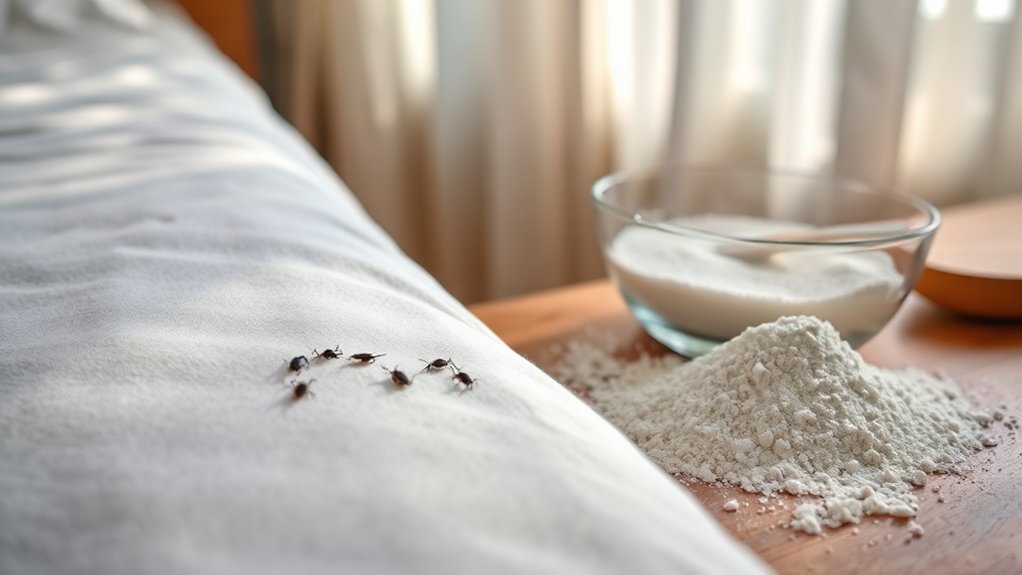
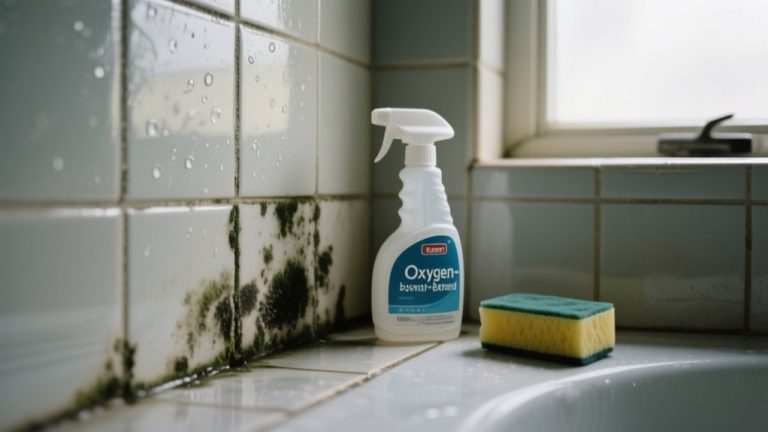
OxiClean can remove stains and clean surfaces, but it isn’t designed or proven to kill bed bugs. You can use it to clean washable items or treat marks left on surfaces, but cleaning doesn’t eliminate the insects hiding nearby.
Don’t rely on OxiClean as your bed bug treatment or assume a clean-looking area means the infestation is gone.
For effective control, combine thorough cleaning with products specifically formulated to eliminate pests. Follow each product’s instructions and safety guidelines, especially when using cleaning agents and insecticides in your home.
If you’re creating a new account to track your treatment, record where you’ve cleaned and which targeted products you’ve used. This can help you stay organized, but it won’t replace a complete treatment plan.
Address affected areas carefully, and use pest-control products only as directed for bed bugs.
Why Oxiclean Won’t Eliminate Bed Bugs
Although OxiClean can wash bedding and remove stains, it’s a laundry cleaner, not an insecticide, and won’t eliminate bed bugs or their eggs. It lacks ingredients that target these insects’ nervous systems, so its cleaning action can’t control an infestation.
You may find it useful for cleaning and reducing potential allergens, but that doesn’t mean you’ve treated the pests.
| OxiClean does | OxiClean doesn’t |
|---|---|
| Remove stains | Kill bed bugs |
| Help clean bedding | Eliminate eggs |
| Reduce potential allergens | Treat an infestation |
For effective control, you need methods or products designed to target bed bugs directly. Don’t rely on OxiClean as pest treatment because that can give you a false sense of security and delay professional help.
If you suspect an infestation, contact a qualified pest management professional for guidance on suitable treatment options. Cleaning alone won’t resolve the problem, so seek targeted advice promptly instead of assuming your laundry additive has handled it.
Can Washing Bedding Remove Bed Bugs?
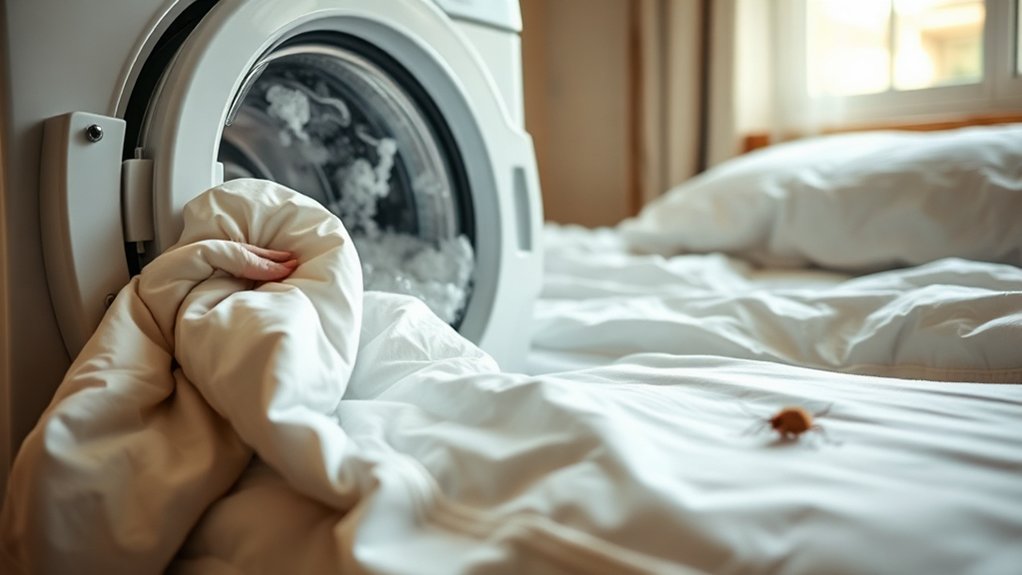
You can get rid of bed bugs and their eggs by washing your bedding in water that’s at least 120°F.
After that, make sure to dry everything on high heat for about 30 minutes to kill any bugs that might still be hiding.
Don’t forget to wash all the usual suspects like sheets, pillowcases, blankets, and mattress covers because bed bugs love to hide in seams and folds.
Hot-Water Washing
Hot-water washing can remove bed bugs from bedding when the water reaches at least 120°F (49°C), which can kill both bugs and eggs.
Check your washer’s settings to confirm it can reach this temperature; a warm cycle may not be hot enough.
Wash every bedding item that could harbor pests, including sheets, pillowcases, and blankets. Treating only some items can leave bed bugs behind in untreated fabrics.
Heat-sensitive bed bugs can die during prolonged exposure to hot water, so use a full wash cycle rather than a quick rinse.
Follow each item’s care label to avoid damaging the fabric, and handle clean bedding carefully to prevent recontamination.
Hot-water washing can be one part of a broader response.
Vacuuming nearby areas and placing bed bug traps can help you monitor and manage an infestation.
High-Heat Drying
After washing bedding, dry it on high heat for at least 30 minutes. Temperatures of 120°F (49°C) or higher can kill bed bugs and their eggs.
Hot-water washing first, at 130°F (54°C) or above, can further improve your chances of eliminating them.
Bed bugs are sensitive to heat, so don’t skip the dryer when treating potentially infested bedding or clothing. Check that each item is safe for high-heat drying, and keep it in the dryer long enough to become fully dry.
Moisture left in fabric can allow some bugs to survive, so don’t remove items while they’re still damp.
Regularly washing bedding in hot water and drying it on high heat can help you manage or prevent an infestation.
However, laundering alone may not address bed bugs hiding elsewhere in your home.
How Can Heat and Vacuuming Help?
Heat treatment is really effective because it can kill bed bugs at every life stage once the temperature goes above 120°F.
On top of that, vacuuming infested areas helps remove bugs and their eggs. It’s best to use a vacuum with a HEPA filter if you can.
To get the best results, try combining heat and vacuuming with other pest-control steps.
And don’t forget to throw away the vacuum bag right after you’re done to prevent any bugs from escaping.
Heat Treatment
When bed bugs hide in furniture, walls, or bedding, heat treatment can reach them where sprays may not. A professional can use specialized equipment to spread heat evenly through infested areas, including hard-to-reach spots.
To kill bed bugs at every life stage, temperatures must reach 118°F (48°C) and stay there for at least 90 minutes. You shouldn’t assume a room feels hot enough just because the air warms up; consistent temperatures throughout the treatment area matter.
Heat is a non-chemical option, which may suit your home if you have children or pets, provided it’s applied correctly.
For thorough control, combine professional heat treatment with other pest-management methods.
Follow the provider’s preparation and safety instructions, and don’t rely on heat alone if an infestation persists.
Vacuuming Bed Bugs
Vacuuming can quickly reduce bed bugs and eggs on mattresses, seams, and crevices, while heat treatment can kill those that remain, including at every life stage. Vacuum thoroughly wherever you spot signs of activity, paying close attention to mattress seams, cracks, and other hiding places.
Regular cleaning can help limit the spread, but vacuuming alone may not eliminate an infestation.
Use a vacuum with a HEPA filter to trap bugs and allergens rather than release them back into your home. When you finish, remove the bag or empty the canister outdoors, then dispose of its contents securely to prevent surviving bugs from returning.
Heat treatment can complement vacuuming. Temperatures above 118°F (48°C) can kill bed bugs at every life stage within 90 minutes. For best results, make sure the heat reaches infested areas.
Which Treatments Are Labeled for Bed Bugs?
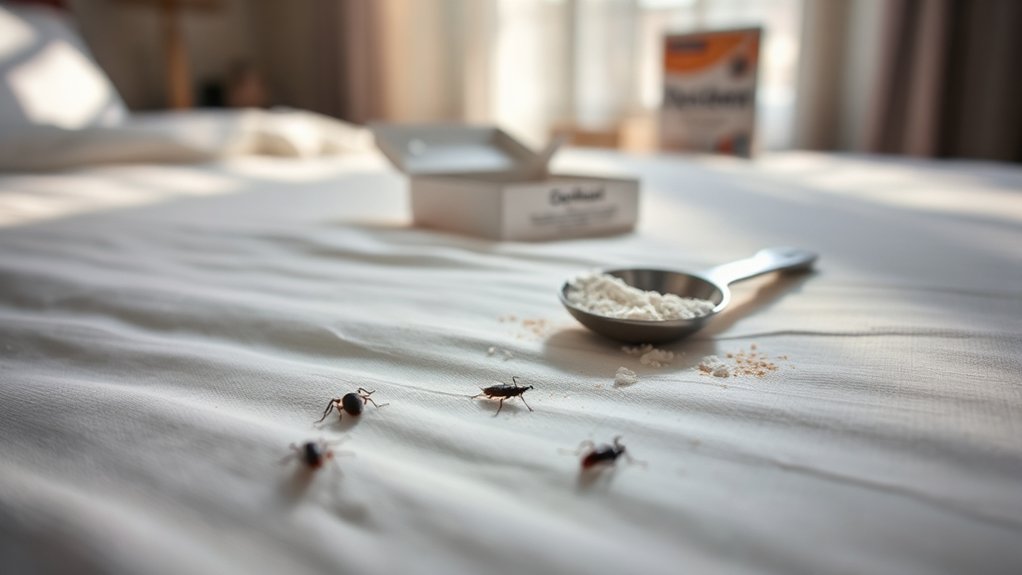
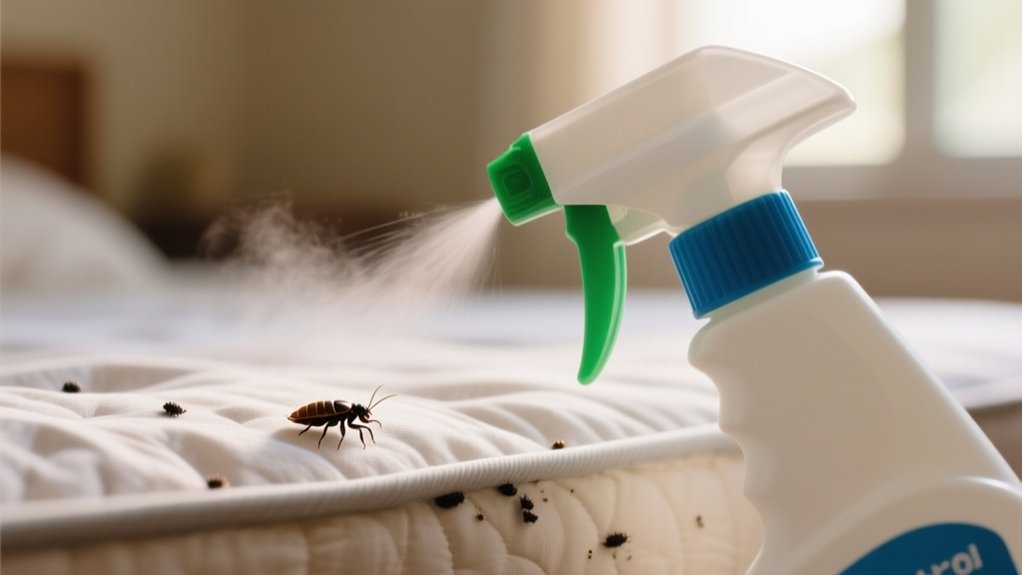
Choose products explicitly labeled and tested for bed bugs rather than relying on OxiClean, which is made for cleaning and stain removal, not pest control.
OxiClean isn’t labeled as an effective bed bug treatment, so it can’t replace a product designed to control these pests.
Look for registered products whose labels specifically name bed bugs and identify the pests or life stages they target.
Choose registered products whose labels specifically target bed bugs and specify the pests or life stages they control.
Some contain insecticides with active ingredients such as pyrethroids or neonicotinoids.
You’ll also find treatments in different forms: sprays, dusts, and traps.
Each type targets bed bugs in different places or stages of their life cycle, so choose one suited to the problem you’re addressing.
Check that the product is approved for residential use.
Always read and follow its label instructions to support effective treatment and protect people and pets.
How Can You Use Bed Bug Products Safely?
How can you use bed bug products safely? Follow the label every time, even if you’ve used the product before. Instructions explain where and how to apply it, along with precautions for children and pets. Take these steps to reduce exposure and use treatments as directed:
- Read the label. Check application directions and safety warnings before opening or using a product. Keep children and pets away as instructed.
- Ventilate the area. Apply products in a well-ventilated space to limit chemical inhalation and support proper drying.
- Wear protection. Put on gloves and a mask when applying insecticides to protect your skin and respiratory system from irritation.
- Store and monitor. Keep products out of children’s and pets’ reach. After treatment, monitor the area and repeat applications only as the label directs.
When Should You Call a Pest Control Professional?
Even when you follow product labels and try DIY treatments, some bed bug problems need expert help. Call a pest control professional when you notice several signs, such as bites, shed skins, and dark spots on bedding. Together, these clues may indicate an infestation that home remedies won’t resolve.
If vacuuming and labeled insecticides haven’t worked after a few attempts, don’t keep repeating the same approach. A professional can assess the problem and recommend a more effective plan. Experts have access to stronger insecticides and specialized equipment for severe infestations.
Seek help if you find bed bugs in multiple rooms or areas. Treating the whole space may require a coordinated plan.
And if you’re unsure how extensive the problem is or whether a product is safe to use, ask a pest control expert for clear guidance.
How Can You Check for Bed Bugs After Treatment?
After treatment, inspect mattress seams and furniture cracks with a flashlight for live bed bugs. Check other hiding places too, including bed frames and nearby furniture. You’ll want to look for evidence that pests remain, even if you don’t spot a live bug.
- Examine bedding for dark fecal spots or blood stains, and check nearby surfaces for shed skins.
- Place bed bug traps where activity is likely, such as near bed legs. Check them regularly to monitor remaining bugs.
- Repeat your inspections every few weeks. Regular checks can help you catch a re-infestation early.
- If you still find signs of bed bugs or you’re unsure what you’ve found, contact a pest control professional. They can conduct a thorough post-treatment inspection and help determine whether further treatment is needed.
Frequently Asked Questions
Can Bed Bugs Survive Without Feeding, and for How Long?
Yes, bed bugs can survive without feeding for several months, typically about two to six depending on conditions.
In cooler temperatures, they slow their metabolism and may last longer. Adults generally outlast younger nymphs.
Don’t assume an empty room or an extended absence will eliminate them. Hungry bed bugs can become dormant and then resume activity when you return.
If they find a host again, they can feed and reproduce, so you’ll need targeted treatment.
Do Bed Bugs Spread Disease to Humans?
No, bed bugs don’t spread disease to you. They may carry pathogens, but the CDC says there’s no evidence they transmit illness to humans.
Their bites can still cause itchy reactions, and scratching can lead to skin infections. You may also lose sleep or feel anxious during an infestation.
Treat the problem promptly to reduce discomfort, protect your well-being, and restore peace of mind.
Can Bed Bugs Live in Electronics or Books?
Yes, bed bugs can hide in electronics and books, though they don’t live inside them permanently.
You may find them in laptop crevices, phone ports, book bindings, or between pages, especially when items sit undisturbed.
Inspect your belongings carefully, and avoid spraying insecticides into electronics or books.
If you suspect an infestation, ask a pest-control professional how to treat these items safely and thoroughly.
Regular cleaning and inspection can help you catch problems early.
How Can You Prevent Bed Bugs When Traveling?
You can make bed bugs work harder than a mountain climber by checking your room before unpacking.
Inspect the mattress, headboard, and furniture for dark spots or shed skins.
Keep your suitcase on a luggage rack or counter, never on the floor or bed, and use protective covers for luggage and clothing.
Place bed bug traps in your suitcase to monitor pests.
After returning, wash and dry all clothes on high heat promptly.
Can Pets Carry Bed Bugs Into a Home?
Yes, your pets can carry bed bugs into your home on their fur or in their bedding after visiting an infested area.
Bed bugs don’t live on pets, but they can hitch a ride and start an infestation.
You can lower the risk by grooming your pets regularly, vacuuming their sleeping areas, and inspecting carriers, toys, and bedding before bringing them inside.
Check your pet’s resting spots for signs of bed bugs, too.
Conclusion
Don’t let Oxiclean’s bright promise become a Trojan horse for bed bugs: it isn’t a proven treatment, and spraying it may create new risks. Wash and dry bedding on high heat when fabric labels allow, vacuum carefully, and use only products labeled for bed bugs exactly as directed.
Check seams, cracks, and hiding spots after treatment. If bugs persist or you’re unsure what you’re seeing, call a licensed pest control professional before the infestation grows.