Does Downy Stain Clothes – Yes or No?
Worried that your fabric softener might be ruining your favorite clothes? You’re not alone. Many people worry about strange spots, oily marks, or discoloration after doing laundry, and it can be frustrating when you’re trying to keep clothes looking clean and fresh.
Yes, Downy can stain your clothes, especially if you apply it directly or use too much. Dark, synthetic, and absorbent fabrics like polyester, nylon, or cotton are most vulnerable to blue-gray oily spots and discoloration.
Residue buildup and improper dilution raise these risks, too. To avoid stains, always use the recommended amount, dispense it correctly, and add it during the final rinse.
If you want to prevent or fix stains effectively, there are important techniques and alternatives to explore.
Does Downy Fabric Softener Cause Stains on Clothes?
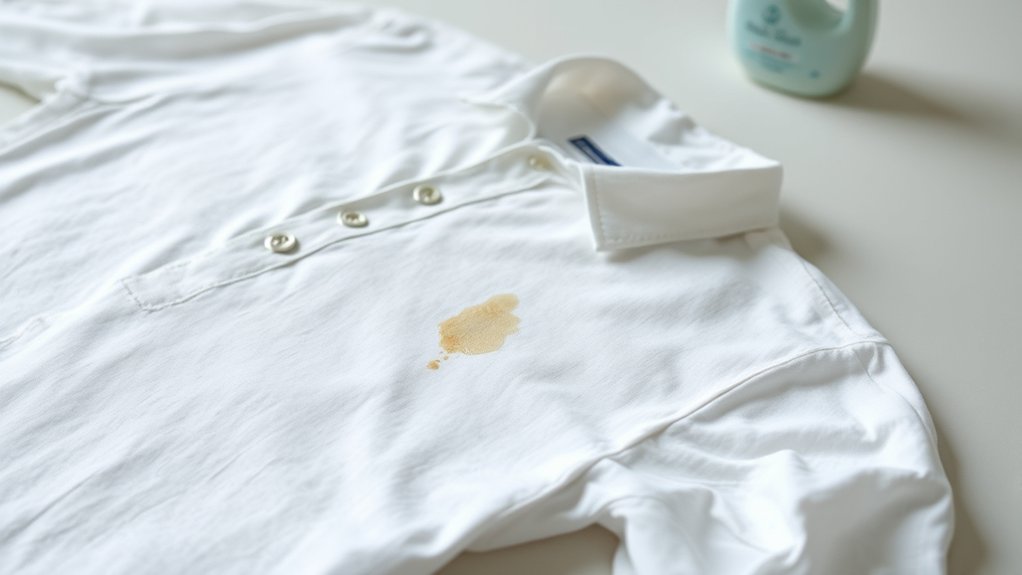
How does Downy fabric softener cause stains on clothes? When applied directly without dilution, it leaves blue-gray greasy spots due to its oily composition.
You’re more likely to see these stains if the softener isn’t properly dispensed during the wash cycle, as concentrated contact with fabric leads to discoloration.
Some fabrics, especially those sensitive to chemical compounds in Downy, react by developing visible stains.
Additionally, residue buildup inside your washing machine can contribute to uneven softener distribution, increasing the staining risk.
To avoid these issues, understanding the interaction between fabric type, application method, and machine cleanliness is essential.
Neglecting these factors allows the softener’s oily components to adhere directly to fibers, causing the characteristic stains you want to prevent.
How to Use Downy Fabric Softener Without Leaving Stains
Preventing stains from Downy fabric softener starts with controlling how and when you apply it. Always use the recommended amount and avoid pouring it directly onto fabrics, as this causes oily spots and discoloration.
Instead, add Downy through your washing machine’s fabric softener dispenser to guarantee even distribution during the rinse cycle. The final rinse timing promotes better dilution and reduces stain risk.
Add Downy via the fabric softener dispenser for even distribution and reduced staining during the final rinse.
Be cautious with delicate and synthetic blends, as these fabrics are more prone to staining.
Regularly clean your washing machine, especially the rubber seal, to prevent residue buildup that can transfer to clothes.
Why Overusing Downy Increases the Risk of Staining
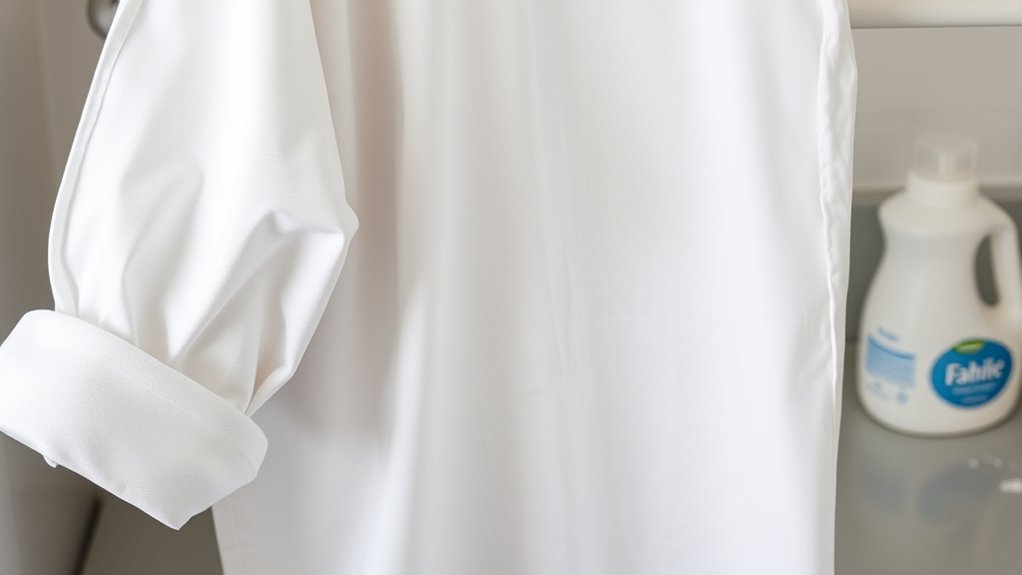
These residues can harden in fibers, making removal harder during later washes.
Fabric Softener Stain Causes
Although fabric softeners like Downy enhance fabric feel, overusing them greatly raises the risk of staining your clothes. Excessive use leads to oily, blue-gray residues known as softener stains, primarily caused by undiluted cationic surfactants accumulating on fibers. These residues form greasy spots that are difficult to remove.
Synthetic fabrics such as polyester and nylon are especially susceptible due to their low absorbency, which prevents proper dispersion.
To minimize stains, you should avoid direct application and instead dispense Downy during the final rinse cycle for ideal dilution. Additionally, regularly cleaning your washing machine prevents dark, sludgy buildups that contribute to staining.
Monitoring Downy quantities and ensuring proper machine maintenance are essential steps to reduce fabric softener residue and maintain garment appearance.
Direct Application Risks
Excessive fabric softener residue often results from applying Downy directly onto clothes without dilution. When you overuse Downy, the product doesn’t rinse out completely, leaving an oily, blue-gray stain on the fabric.
This greasy residue is especially prevalent on highly absorbent materials, which soak up the softener and increase discoloration risk.
Applying Downy directly bypasses the dilution step, concentrating the product and causing uneven distribution. You should avoid this method and instead use a dispenser or add Downy during the final rinse cycle to guarantee even application and minimize staining.
Following the manufacturer’s guidelines precisely helps prevent direct-contact overuse, reducing the likelihood of fabric damage and visible stains caused by undiluted, excessive fabric softener buildup.
Buildup From Excess Use
If you apply too much Downy fabric softener, you increase the risk of a dark, sludgy buildup forming inside your washing machine. This buildup can transfer onto your clothes and cause staining.
This buildup stems from the accumulation of cationic compounds that fabric softeners contain. Over time, these residues cling to fabric fibers, especially those that are lighter or more absorbent, leading to discoloration and oily blue-gray spots.
| Factor | Impact on Staining |
|---|---|
| Excess Downy use | Sludgy buildup in machine |
| Residue accumulation | Increased discoloration on fabric |
| Fabric type | Lighter, absorbent fabrics stain more |
To minimize staining, add Downy during the final rinse cycle instead of direct application.
What Fabrics Does Downy Fabric Softener Stain Most?
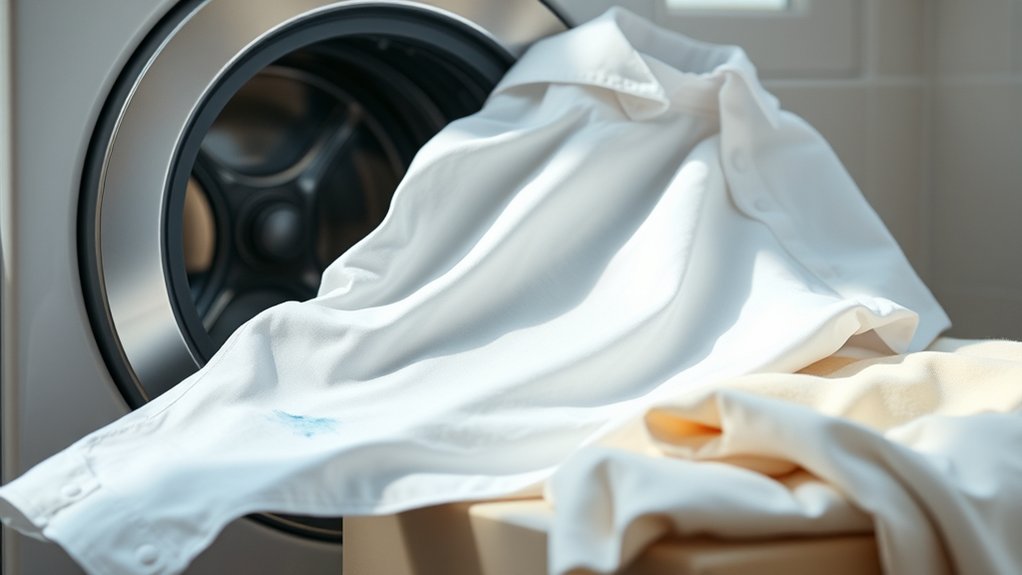
Certain fibers absorb oily residues differently, which determines where discoloration appears.
Fabrics Prone To Staining
Although Downy fabric softener is designed to enhance fabric softness, it can stain certain materials, especially when applied improperly. You’ll find that absorbent fabrics like cotton and polyester blends trap oily residues more readily, increasing the risk of blue-gray, greasy spots.
Dark or vibrant colors highlight these stains due to higher contrast. Excessive use or improper dilution, particularly in front-loading washers, worsens staining risks.
To avoid this, use a fabric softener dispenser or add it during the final rinse cycle instead of direct application.
| Fabric Type | Staining Risk | Color Sensitivity |
|---|---|---|
| Cotton | High | High on dark/vibrant colors |
| Polyester Blends | Moderate-High | High |
| Absorbent Fabrics | High | Moderate-High |
Stain Appearance And Causes
The likelihood of Downy fabric softener staining your clothes depends largely on the fabric type and application method. You’ll find synthetic fabrics like polyester and nylon most susceptible because they trap oily residues, resulting in distinctive blue-gray stains.
Cotton fabrics can also show discoloration and greasy spots, especially if rinsing is insufficient.
Direct application or excessive use of Downy increases stain risk, as the softener’s oils aren’t fully diluted.
Front-loading washers exacerbate the problem by accumulating fabric softener in rubber seals and dispensers, which then transfer stains during cycles.
To prevent this, you should always add Downy via the dispenser or during the final rinse phase, ensuring even distribution and reducing residue buildup on fabrics prone to staining.
How to Spot and Identify Downy Fabric Softener Stains
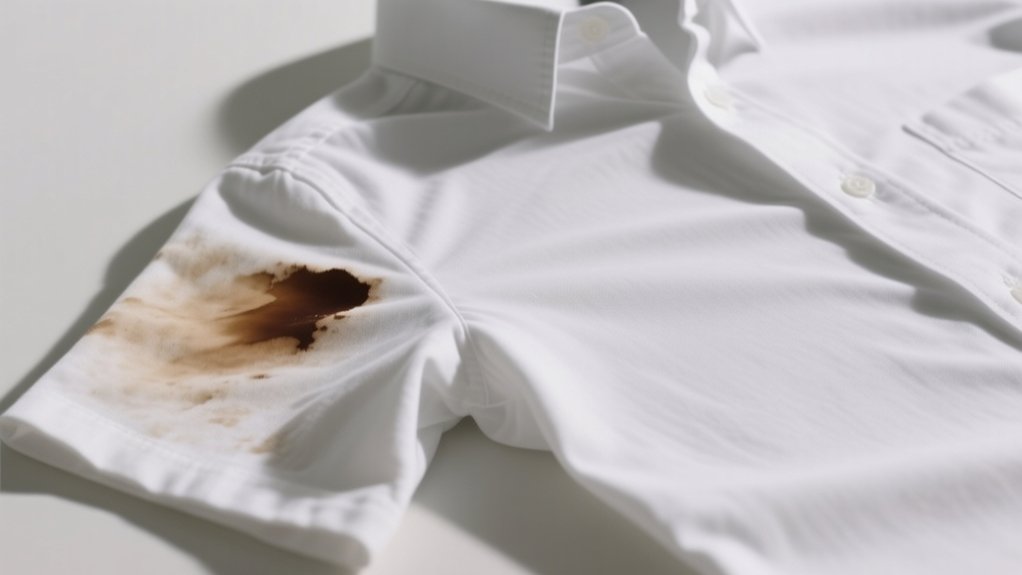
How can you accurately identify Downy fabric softener stains on your clothes? Look for blue-gray oily spots, especially if the softener was applied directly or used excessively.
These stains often appear greasy and tend to be more visible on darker fabrics due to their discoloring effect.
Examine areas where softener might’ve contacted the fabric without dilution, such as collars or cuffs.
Additionally, certain ingredients in Downy can cause discoloration on oil-sensitive materials, so check for uneven color patches or subtle sheen differences.
To confirm, assess whether the stains correspond to recent softener use and weren’t caused by detergents or other substances.
Monitoring application methods and amounts helps you anticipate where stains might form and identify them precisely.
How to Remove Downy Fabric Softener Stains From Clothes
When you notice Downy fabric softener stains on your clothes, start by treating the affected area with a carefully prepared mixture of dish soap and white vinegar to break down the oily residue.
Apply this solution directly, gently rubbing it into the stain before rinsing thoroughly. For set-in stains, soak the garment in warm water combined with laundry detergent for at least 30 minutes to loosen the residue.
Always consult the fabric’s care label to guarantee compatibility with these treatments, as some materials may be sensitive to acidic or surfactant agents.
Avoid applying fabric softener directly onto fabrics to prevent new stains. Additionally, maintain your washing machine by cleaning it regularly to prevent buildup of fabric softener deposits, which can contribute to recurring staining problems.
This methodical approach guarantees effective stain removal while preserving fabric integrity.
Fabric Softener Alternatives Less Likely to Stain Clothes
Although fabric softeners like Downy can enhance softness and scent, they often leave oily stains if misapplied, especially on delicate fabrics. To reduce staining risks, you can explore fabric softener alternatives that work effectively without compromising fabric integrity.
Consider these options:
- Use white vinegar in the rinse cycle to soften fabrics naturally and prevent residue buildup.
- Add baking soda during washing to regulate pH and enhance softness without oils.
- Employ dryer balls to mechanically soften clothes and reduce static, eliminating chemical stains.
- Integrate fabric softener dispensers or add softener during the final rinse to avoid direct contact.
- Reduce or eliminate fabric softener use to maintain fabric color and texture, minimizing discoloration.
These alternatives provide analytical advantages by preventing oily deposits and preserving fabric quality.
Frequently Asked Questions
Can Downy Fabric Softener Affect Fabric Absorbency?
Yes. Downy fabric softener can reduce fabric absorbency by coating fibers, which can interfere with moisture wicking and drying efficiency. Towels and athletic wear may lose some of their natural absorbent properties with frequent use, which can affect performance and function.
Is Downy Safe for Baby Clothes and Sensitive Skin?
No. If you want to reduce the chance of irritation on delicate baby skin, avoid Downy because its chemicals and fragrances may bother sensitive skin. A better choice is a hypoallergenic, fragrance-free softener, especially for babies or anyone with very sensitive skin, since it keeps the focus on gentler fabric care and breathability.
Does Downy Fabric Softener Cause Allergies or Skin Irritation?
Yes, Downy fabric softener can cause allergies or skin irritation because of its chemical components and fragrances. If you have sensitive skin or allergies, avoid it or choose hypoallergenic, fragrance-free alternatives to help minimize the risk.
How Long Does Downy Scent Typically Last on Clothes?
Downy’s scent typically lasts several days to a week on clothes. How long it stays depends on the fabric type and washing conditions, and using dryer sheets can help fragrance last longer.
Can Downy Be Used in Both Front and Top Load Washers?
Yes, you can use Downy in both front and top load washers. In front loaders, add it to the designated fabric softener compartment. In top loaders, add it during the rinse cycle or water fill to help avoid staining.
Conclusion
Think of Downy fabric softener as a tool, effective when used with care, but prone to leave marks if mishandled. By controlling the amount and timing of application, you prevent those unwanted stains that can mar your clothes like ink on a clean page.
Understanding fabric types and spotting early signs helps you maintain pristine garments. Precision in use transforms Downy from a potential stain source into a reliable ally in fabric care.