Does Oxiclean Work In Cold Water – Does It Work?
Many people struggle with stain removal when only cold water is available. If you’ve ever wondered whether OxiClean can still do the job without warm water, you’re not alone. The good news is that it can work, but there are a few things you should know to get the best results.
You can use OxiClean in cold water, but its stain-removal power will be less effective since oxygen activation slows at lower temperatures. To get results, you’ll need a higher concentration and longer soak times because oxygen release is reduced in cold water.
Pre-dissolving OxiClean in warm water helps activate it before treatment. While safe on most water-washable fabrics, delicate items should be avoided. Understanding these factors can help you optimize your stain removal strategy.
Can OxiClean Effectively Remove Stains in Cold Water?
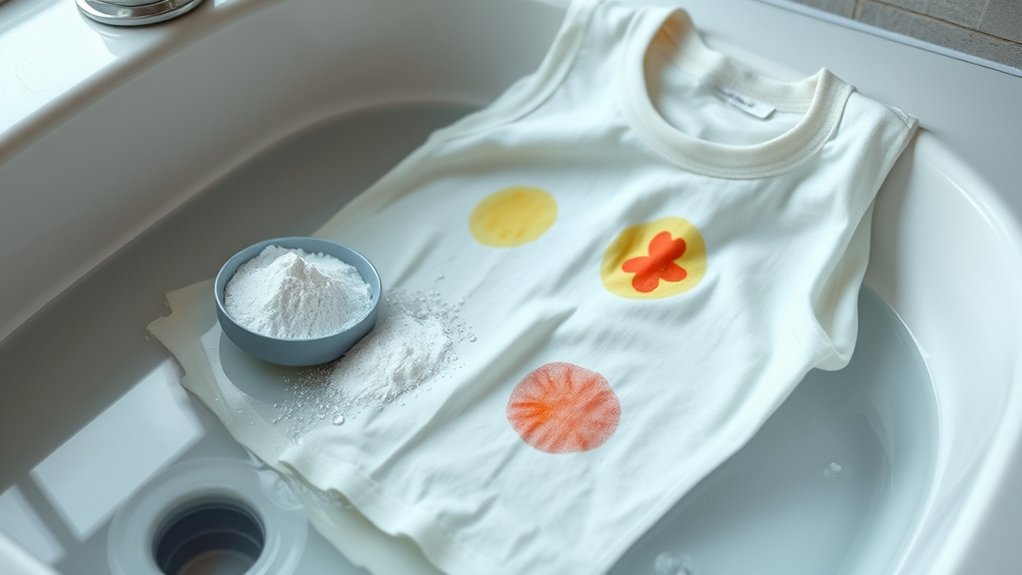
How well does OxiClean remove stains in cold water? You’ll find that OxiClean™ Versatile Stain Remover does function in cold water, though its stain-lifting power isn’t maximized at lower temperatures.
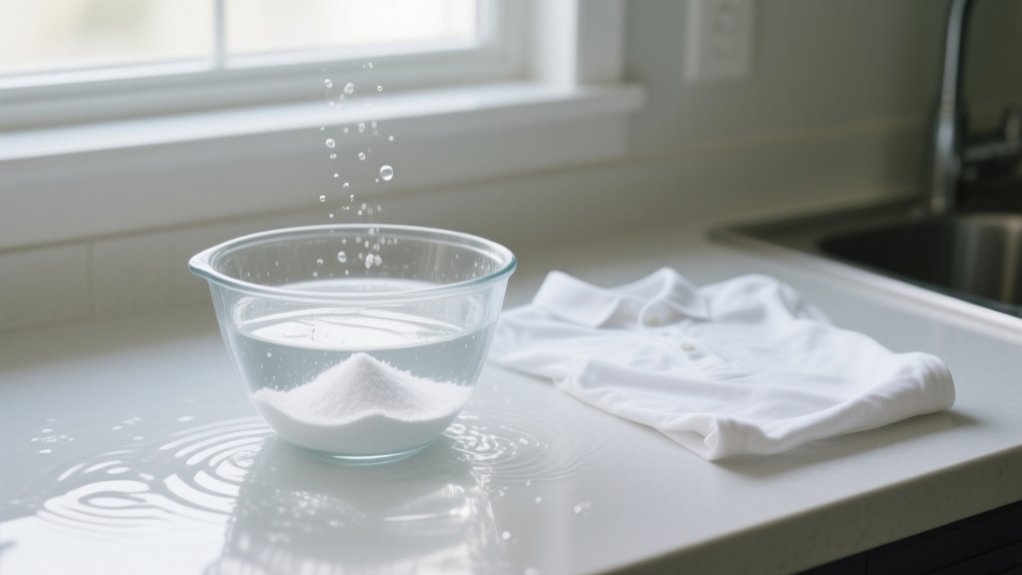
To optimize performance, you should dissolve the powder in hot water first before adding it to your cold wash. This step guarantees the product activates properly, releasing oxygen molecules that break down stains even when the wash water is cold.
However, cold water alone slows this activation compared to warm or hot water, which enhances stain removal efficiency.
It’s also critical to test fabric colorfastness before using OxiClean in cold water to prevent potential damage.
How Does OxiClean Work in Cold Water?
Although OxiClean™ Versatile Stain Remover activates upon contact with water, its efficiency in cold water depends on how you prepare it. When dissolved, it releases oxygen molecules that break down stain molecules, a process that slows in lower temperatures.
To compensate, you need a higher concentration of OxiClean powder in cold water to maintain sufficient oxidation activity. Dissolving the powder in hot water before adding it to cold water can enhance activation and stain removal.
However, cold water alone reduces the rate of oxygen release, diminishing cleaning power compared to warm or hot water.
Additionally, you should test for colorfastness since cold water can alter fabric reactions. Understanding these factors helps you anticipate how OxiClean performs mechanistically in colder conditions.
How to Get the Best Results Using OxiClean in Cold Water
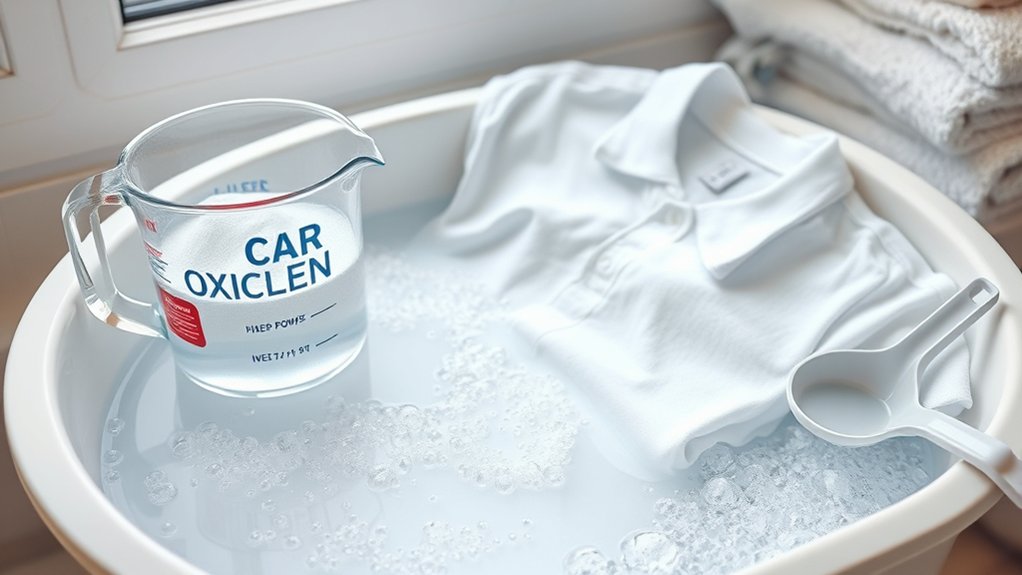
To maximize OxiClean’s effectiveness in cold water, you should first dissolve the powder in warm or hot water to fully activate its stain-fighting oxygen molecules.
Dissolve OxiClean in warm water first to activate its stain-fighting oxygen molecules before using in cold water.
This pre-activation guarantees the oxygen release necessary for breaking down stains, which cold water alone may not efficiently trigger.
After dissolving, add the solution to your cold water wash or soak. For best stain removal, extend the soaking time up to six hours, allowing the activated solution to work thoroughly.
Use a full scoop of OxiClean to enhance detergent performance against tough stains.
Before treating any fabric, always test for colorfastness to avoid potential bleeding.
This method balances chemical activation with cold water benefits, providing precision in stain treatment and fabric care.
What Fabrics Are Safe to Treat With Oxiclean in Cold Water?
Which fabrics can you confidently treat with OxiClean in cold water? You can safely use OxiClean on most water-washable fabrics like cotton, polyester, and their blends. Always test for colorfastness to avoid unexpected fading.
Avoid delicate fabrics such as silk and wool, and never apply OxiClean to “dry clean only” items. Checking fabric care labels before treatment is crucial to prevent damage.
| Fabric Type | OxiClean Compatibility |
|---|---|
| Cotton | Safe, effective in cold water |
| Polyester | Safe, effective in cold water |
| Silk | Not recommended |
| Wool | Not recommended |
This targeted approach guarantees you treat fabrics effectively without compromising textile integrity.
How to Boost OxiClean’s Performance in Cold Water
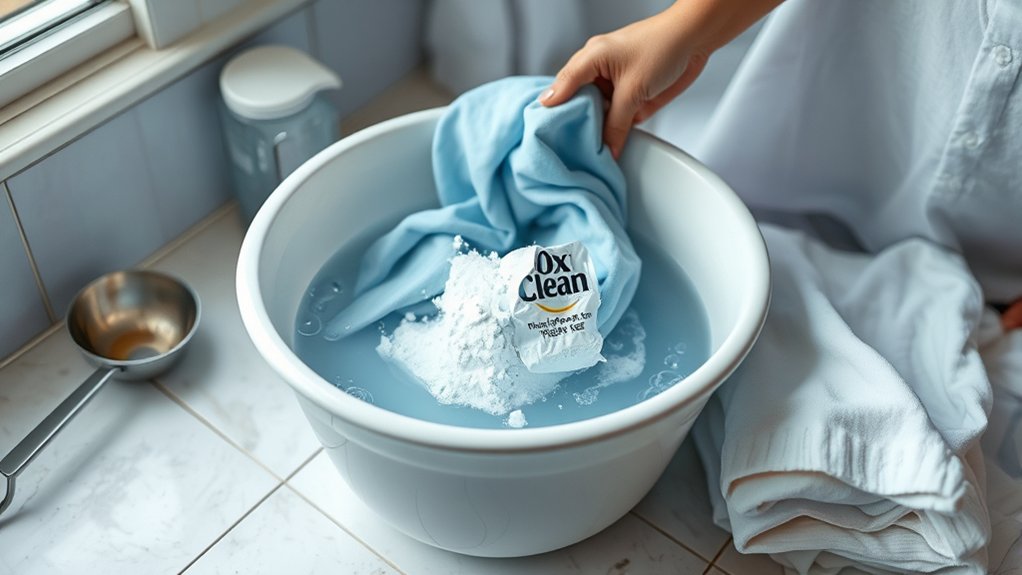
When you want to maximize OxiClean’s stain-fighting power in cold water, dissolving the powder in warm water first activates its oxygen release, enhancing its effectiveness. This pre-dissolution step improves the chemical reaction responsible for breaking down stains, even when later exposed to cold water.
For best results, pre-soak stained fabrics in a warm OxiClean solution for 1 to 6 hours. This allows oxygen radicals to penetrate fibers deeply.
Additionally, using a full scoop of OxiClean alongside your regular detergent in cold water increases stain removal efficiency by maintaining a higher concentration of active oxygen.
Always test fabric colorfastness before treatment to prevent damage, especially on delicate materials. These methods guarantee you harness OxiClean’s full potential in cold water washing scenarios.
When Should You Use Warm or Hot Water Instead of Cold With Oxiclean?
Water temperature matters because stains, fabric sensitivity, and soil level affect cleaning results.
Temperature Impact On Effectiveness
Although OxiClean can be used in cold water, its stain-fighting properties activate most effectively in warm or hot water. Warm temperatures enhance OxiClean’s oxygen-releasing action and elevate the solution’s pH up to 11, which is critical for breaking down tough stains.
In contrast, cold water may inhibit full activation, reducing stain removal efficiency. To improve performance in cold water, dissolve OxiClean first in hot water before adding it to the wash. This step guarantees the product reaches its ideal chemical activity despite the lower wash temperature.
For best results, especially on stubborn stains, you should use warm or hot water whenever possible to fully harness OxiClean’s cleaning power and maximize stain removal efficacy.
Fabric Type Considerations
Temperature markedly influences OxiClean’s stain removal capabilities, but fabric type also plays a key role in determining the appropriate water temperature.
You should use warm or hot water with OxiClean on fabrics like cotton and polyester blends, as these materials respond best to heat, enhancing stain removal effectiveness. For heavily soiled items such as towels or bed linens, warm or hot water is necessary to activate OxiClean’s cleaning agents fully.
Conversely, cold water may suffice for delicate fabrics, though testing for colorfastness is essential.
Avoid cold water when treating oil or grease stains since warm or hot water better dissolves these residues.
Stain Severity Guidelines
When should you opt for warm or hot water instead of cold when using OxiClean? The choice depends primarily on stain severity and type. While OxiClean works in cold water, warm or hot water activates its stain-fighting agents more effectively, especially for challenging stains.
Use warm or hot water in these scenarios:
- For stubborn grease or oil stains where cold water may not break down residues adequately.
- When dealing with heavily soiled fabrics or organic stains like wine, juice, or blood that require enhanced chemical action.
- If you dissolve OxiClean in hot water first, even cold water washes can benefit from partial activation of the product.
Always weigh fabric care instructions, but for severe stains, warm or hot water optimizes OxiClean’s performance.
Frequently Asked Questions
Can Oxiclean Be Used in Washing Machines With Cold Water Cycles?
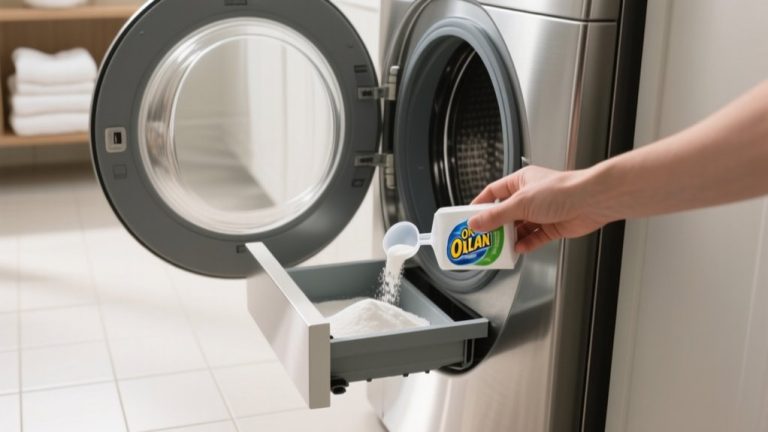
Yes, you can use OxiClean in washing machines with cold water cycles. For best stain removal, dissolve it in hot water first so its cleaning agents are activated before you add it to the cold wash cycle.
Is Oxiclean Safe for Colored Fabrics in Cold Water?
Yes, OxiClean is safe for colored fabrics in cold water when used as directed. Test an inconspicuous area first to check colorfastness, since results can vary by fabric. Its non-ionic detergents help protect colors while removing stains.
How Long Should Oxiclean Soak in Cold Water for Stain Removal?
At least one hour in cold water with OxiClean is the starting point for stain removal. For stubborn organic stains like wine or juice, you can extend the soak up to six hours to improve results while still preserving fabric integrity.
Does Oxiclean Have Any Environmental Impact When Used in Cold Water?
No, OxiClean in cold water is not presented as environmentally harmless. Its biodegradable ingredients and oxygen-based formula are meant to minimize ecological impact, and it is considered safe for septic systems when you use it according to instructions.
Can Oxiclean Remove Odors as Well as Stains in Cold Water?
Yes, you can use OxiClean for odors and stains in cold water, but it works less effectively than it does in warmer water. Pre-soaking in warm water improves odor neutralization and stain removal, so you’ll usually get better results before a cold wash cycle.
Conclusion
So, does OxiClean work in cold water? Absolutely—it effectively tackles many stains thanks to its oxygen-based formula, though warmer water can enhance its performance on tough grime.
You can optimize results by pre-soaking and selecting appropriate fabrics, but remember, some stains respond better to heat.
Why settle for guesswork when understanding these variables lets you maximize OxiClean’s power every wash? Use this insight to make informed, efficient laundry decisions.