Are Downy Scent Beads Bad For Your Washer – Quick Answer
If you’ve been wondering whether Downy scent beads are hurting your washer, you’re not alone. Many people love the fresh smell but worry about hidden buildup, strange residue, or extra wear on their machine. It’s a common concern, and the good news is that there are simple ways to avoid problems while still getting great-smelling laundry.
Downy scent beads can leave sticky residue that clogs your washer’s internal parts, reducing its performance and lifespan. This buildup is worse with cold water cycles since beads don’t dissolve fully, causing gummy deposits and drainage issues.
You might notice residue on clothes or drum surfaces and longer wash times. By following proper usage guidelines and using warm water, you can minimize damage. Keep exploring to discover prevention tips and safer alternatives.
How Downy Scent Beads Can Harm Your Washer
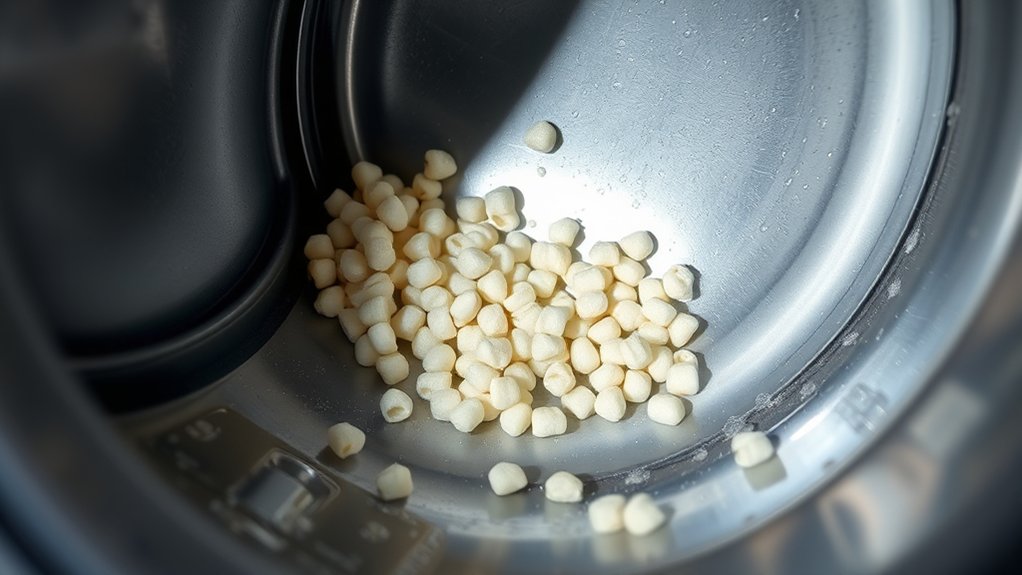
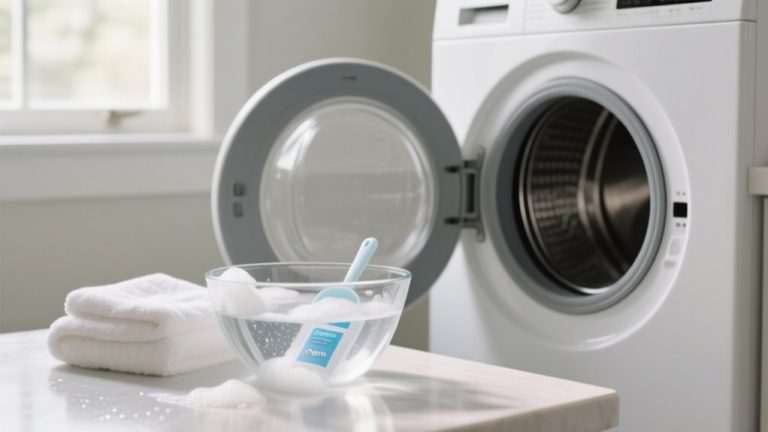
Although Downy scent beads add fragrance to your laundry, they can cause problems inside your washing machine. These beads must fully dissolve during the wash cycle; otherwise, they leave behind sticky residue that can clog internal components.
Downy scent beads add fragrance but can leave sticky residue that clogs washing machine components if not fully dissolved.
When residue builds up, it hampers the washer’s performance, potentially causing drainage issues or mechanical strain.
Many modern washers, especially those running at lower temperatures, struggle to melt the beads completely. This incomplete dissolution leads to frequent cleaning needs and can accelerate wear on your machine.
Over time, regular use of Downy scent beads may reduce your washer’s efficiency and longevity.
To maintain peak function, it’s essential to monitor for residue buildup and consider how your washer’s design interacts with these scent boosters.
Why Cold Water Cycles Cause Downy Bead Residue
Higher temperatures and smaller amounts can reduce buildup in the washer.
Cold Water Dissolution Challenges
Because Downy scent beads rely on warmer water to fully dissolve, using cold water cycles often leaves behind undissolved residue.
The polymer structure within these beads is engineered to break down more effectively at higher temperatures. When you run a cold wash, this dissolution process slows considerably, causing beads to remain intact or partially dissolved.
This incomplete breakdown can deposit sticky residue on your clothes and inside the washing machine, impairing fabric feel and machine efficiency.
Modern washers, especially those optimized for cold water, may exacerbate this issue by not providing sufficient agitation or heat to dissolve the beads properly.
To minimize residue, you should consider using warm water settings or adding the beads directly into the drum before loading clothes, ensuring better dispersion and dissolution during the wash cycle.
Bead Residue Formation
Using cold water cycles often leaves Downy scent beads unable to fully dissolve, which directly causes bead residue to form on your clothes.
The polymer composition of these beads resists breaking down at lower temperatures, resulting in sticky, undissolved particles that cling to fabric fibers. This residue buildup can be both visible and tactile, affecting your laundry’s feel and appearance.
Key reasons for bead residue formation include:
- Insufficient heat to dissolve polymer beads
- Polymer structure’s resistance to cold water breakdown
- Small bead particles sticking to fabrics
- Efficiency-focused washing machines using cold cycles
- User reports of persistent sticky residues after cold washes
To avoid this, using warm water helps guarantee complete dissolution and prevents residue buildup on your clothes.
Washer Compatibility Issues
Although many modern washers offer cold water cycles to save energy, these settings often hinder the complete dissolution of Downy scent beads. When you wash at temperatures below 60°F (15°C), the beads may not fully dissolve, leaving sticky residue on clothes and inside your machine.
Front-load washers, in particular, face challenges with cold water cycles due to their lower water volume and shorter agitation times, which reduce bead breakdown. Undissolved beads can gum up fabrics and accumulate on components, potentially impairing washer performance.
To avoid these issues, use warm water cycles when adding Downy scent beads to your laundry. This guarantees thorough dissolution, preventing buildup and maintaining both your washer’s efficiency and your clothing’s cleanliness.
How to Tell If Downy Beads Are Hurting Your Washer
If your washer starts showing signs of sticky residue on clothing or reduced cleaning performance, Downy scent beads could be the culprit. These beads sometimes don’t dissolve fully, especially in cold water or with high-efficiency (HE) machines.
To determine if they’re hurting your washer, watch for these indicators:
- Sticky or gummy residue on clothes after washing
- Unpleasant buildup inside the drum or detergent dispenser
- Washer cycles taking longer or not rinsing properly
- Residual scent bead particles visible in the washer’s interior
- Decreased overall cleaning effectiveness
Improper use, like adding beads after clothes, can worsen these issues.
Spotting these signs early helps you address potential damage caused by Downy scent beads in your washer.
How to Prevent Downy Scent Beads From Damaging Your Washer
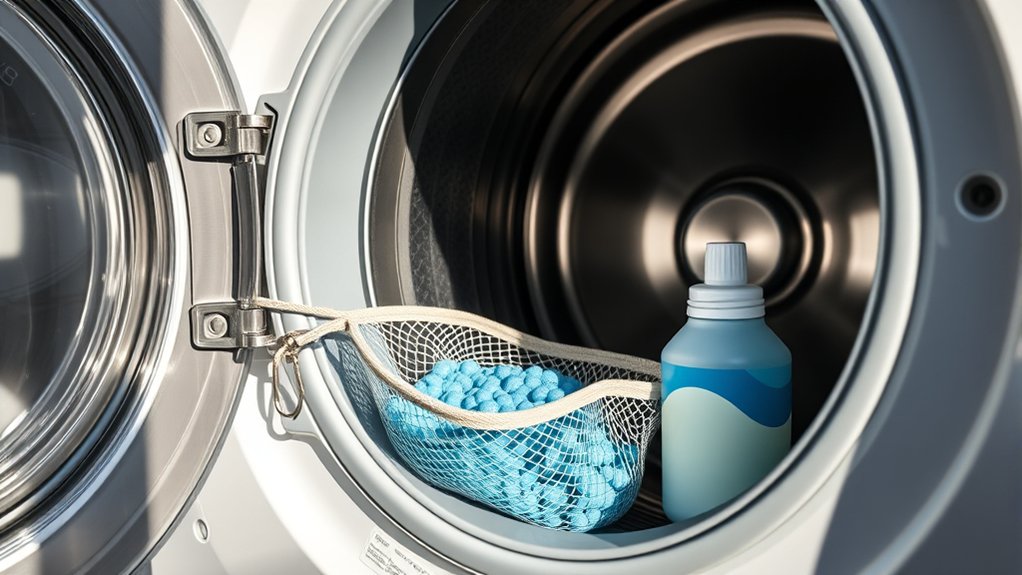
Proper water temperature and washer care also affect how well residue clears from the drum.
Proper Dosage Use
When you use Downy scent beads, sticking to the recommended dosage, typically about half a capful, helps prevent excessive residue buildup in your washer.
Overuse can cause sticky deposits that interfere with your machine’s performance.
To use the beads properly, follow these key steps:
- Add beads directly into the wash drum before clothes to guarantee proper dissolution.
- Use warm or hot water cycles when possible to help dissolve beads completely.
- Regularly clean your washing machine following manufacturer instructions to avoid buildup.
- Monitor the number of beads used, especially in cold water washes where they may not dissolve fully.
- Avoid exceeding the recommended dosage to reduce risk of gumming and residue inside your washer.
Water Temperature Tips
Although cold water cycles save energy, they often fail to dissolve Downy scent beads completely, increasing the risk of sticky residue buildup in your washer.
Using warm or hot water enhances dissolution, preventing clumping and residue that can impair your machine’s function.
To optimize results, add scent beads directly into the wash drum before loading clothes, ensuring even distribution.
Many modern washers aren’t designed to break down scent beads effectively in cold cycles, so adjusting water temperature helps safeguard internal components from buildup.
Remember, following recommended scent bead amounts complements proper temperature use, minimizing residue risks.
This approach maintains washer performance by reducing sticky deposits that could cause mechanical issues over time, prolonging your machine’s lifespan without compromising wash quality.
Washer Maintenance Practices
Ensuring your washer stays free of Downy scent bead residue requires consistent maintenance practices. You need to focus on proper use and regular cleaning to prevent buildup that can impair performance.
Follow these key steps:
- Use warm water cycles to fully dissolve scent beads, avoiding cold water that leaves residue.
- Clean the drum and dispensers regularly to remove any lingering bead deposits.
- Avoid overloading your washer, as restricted movement prevents complete bead dissolution.
- Consult your washer’s manual for any specific scent bead usage instructions or restrictions.
- Use smaller amounts of scent beads to minimize sticky residue while maintaining fragrance.
Safe Alternatives to Using Downy Scent Beads
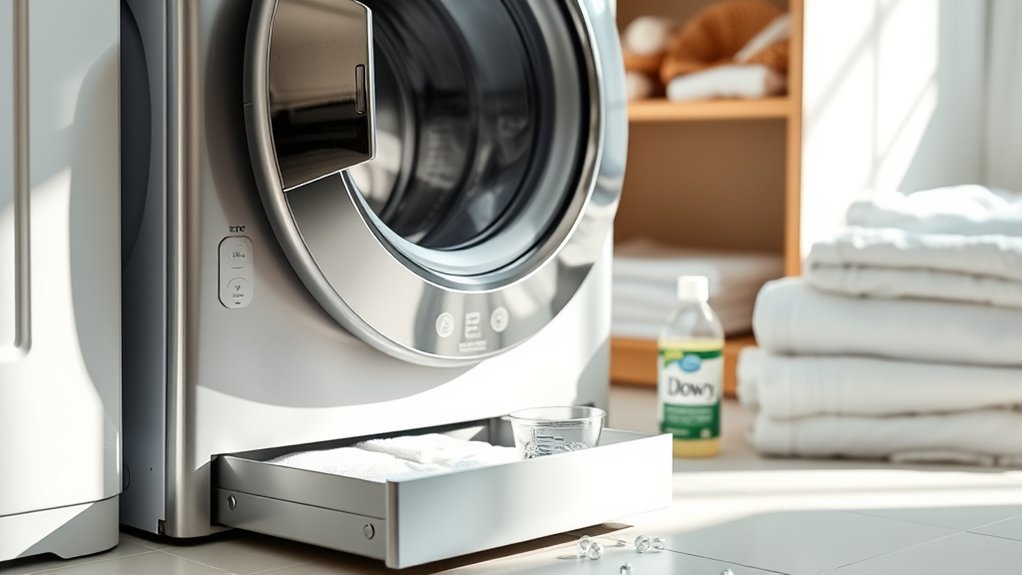
Because Downy scent beads can leave residue and raise health concerns, you might want to explore safer alternatives for freshening your laundry.
Using natural options like vinegar during the rinse cycle effectively eliminates odors and softens fabrics without causing buildup. Line drying clothes outdoors also imparts a natural fresh scent, reducing reliance on artificial fragrances.
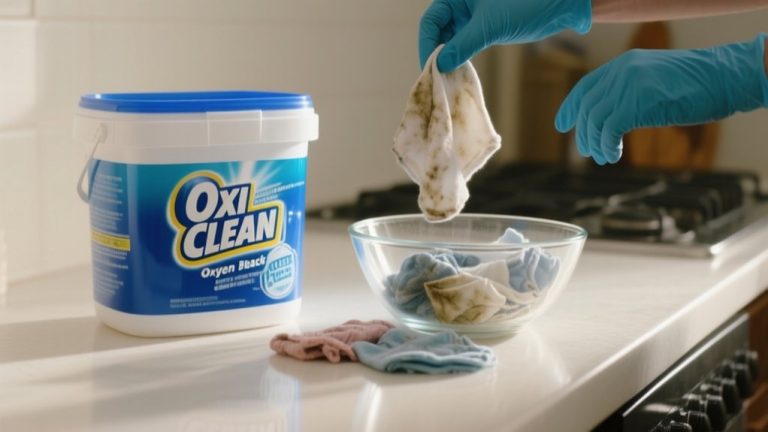
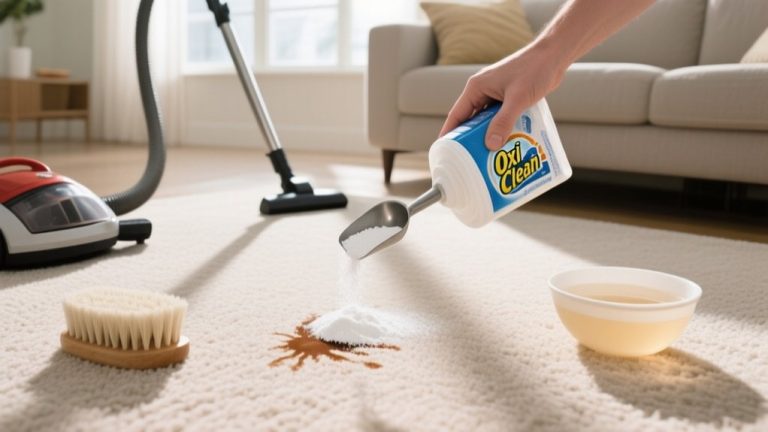
Incorporate washing soda or OxiClean to boost cleaning power and freshness without the risks linked to synthetic scent additives.
Opting for unscented, eco-friendly laundry products further minimizes exposure to potentially harmful chemicals.
Additionally, washing with warm water enhances the dissolution and effectiveness of any additives, natural or synthetic, optimizing your washer’s performance while protecting its components and your health.
These strategies provide safer, residue-free laundry freshness.
Using Downy Scent Beads Safely
If you choose to use Downy scent beads, following the proper usage guidelines will help you avoid residue buildup and protect your washing machine.
These beads dissolve well in cold and warm water, but you need to apply them correctly to prevent issues.
Downy scent beads dissolve effectively in cold and warm water when used properly to avoid any problems.
Keep these tips in mind:
- Add beads directly to the wash drum before loading clothes
- Use the recommended amount to avoid sticky residue
- Suitable for all washers, including HE models, when used properly
Run regular cleaning cycles to maintain washer cleanliness.
Avoid mixing beads with detergent or fabric softener compartments.
Frequently Asked Questions
Can Downy Scent Beads Cause Allergic Reactions on Skin?
Yes, Downy scent beads can cause allergic reactions on your skin because of synthetic fragrances and preservatives. If you have sensitive skin or allergies, patch test first or choose fragrance-free alternatives to help avoid irritation or eczema flare-ups.
Do Downy Scent Beads Affect the Scent Longevity of Clothes?
Yes. Downy Scent Beads use polymer technology to release fragrance gradually, which can boost scent longevity for up to a week. You can also adjust the intensity by combining them with liquid softener.
Are Downy Scent Beads Safe for Septic Systems?
Yes, you can use Downy Scent Beads with septic systems if you follow the recommended amounts. Their ingredients are designed to dissolve properly, which helps avoid buildup or disruption to bacteria and lets your septic system function without extra strain or damage.
Can Downy Scent Beads Be Used in Hand Washing Clothes?
Yes, you can use Downy scent beads for hand washing if you dissolve them in warm water first. Use them sparingly, since too much can leave residue or make the fragrance uneven.
How Do Downy Scent Beads Compare to Liquid Fabric Softeners?
Downy scent beads add fragrance and dissolve in the wash water, while liquid fabric softeners soften fabrics and add scent during the rinse cycle. If you want fragrance without changing fabric texture, beads fit that use; if you want softer fabrics, liquid fabric softener does that job.
Conclusion
So, are Downy scent beads bad for your washer? They can be if you’re not careful, especially with cold water cycles that leave residue buildup. You don’t want to risk damaging your machine or reducing its lifespan.
By using them sparingly, opting for warmer washes occasionally, and regularly cleaning your washer, you’ll keep both your clothes fresh and your washer running smoothly. Isn’t protecting your investment worth a little extra care?